Introduction: A Journey Through the Soul of History
Every destination has stories etched into its streets, monuments, and people. For those who travel not just to see new places but to understand the civilizations that shaped them, a cultural and historical itinerary offers an unmatched experience. This 7 day itinerary is designed for travelers who crave meaningful connection with the past, who walk into museums and archaeological sites not as tourists but as time travelers.
- Stay near the historic center; take a slow orientation walk and dine on regional dishes to absorb local atmosphere.
- Visit ancient ruins with a guided tour led by a historian, stroll rivers or agoras, and watch sunset over ruins for reflection.
- Explore medieval landmarks and museums, admire craftsmanship, then wander illuminated old towns at night for continuity and atmosphere.
- Spend a day on Renaissance sites: galleries, historic libraries or cafes, and evening performances connecting art and intellectual history.
- Engage living heritage through markets, artisan workshops, and local performances; take a regional day trip to UNESCO sites and reflect.
In the next few sections, you will discover how to plan one full week of cultural immersion that blends iconic historical sights with authentic local experiences. Each day presents a balance of exploration, context, and rest, allowing you to see, feel, and reflect on the legacies that built our modern world. Whether you are exploring ancient ruins, medieval cities, or vibrant living traditions, this itinerary will guide you through a journey that deepens your appreciation for human history.
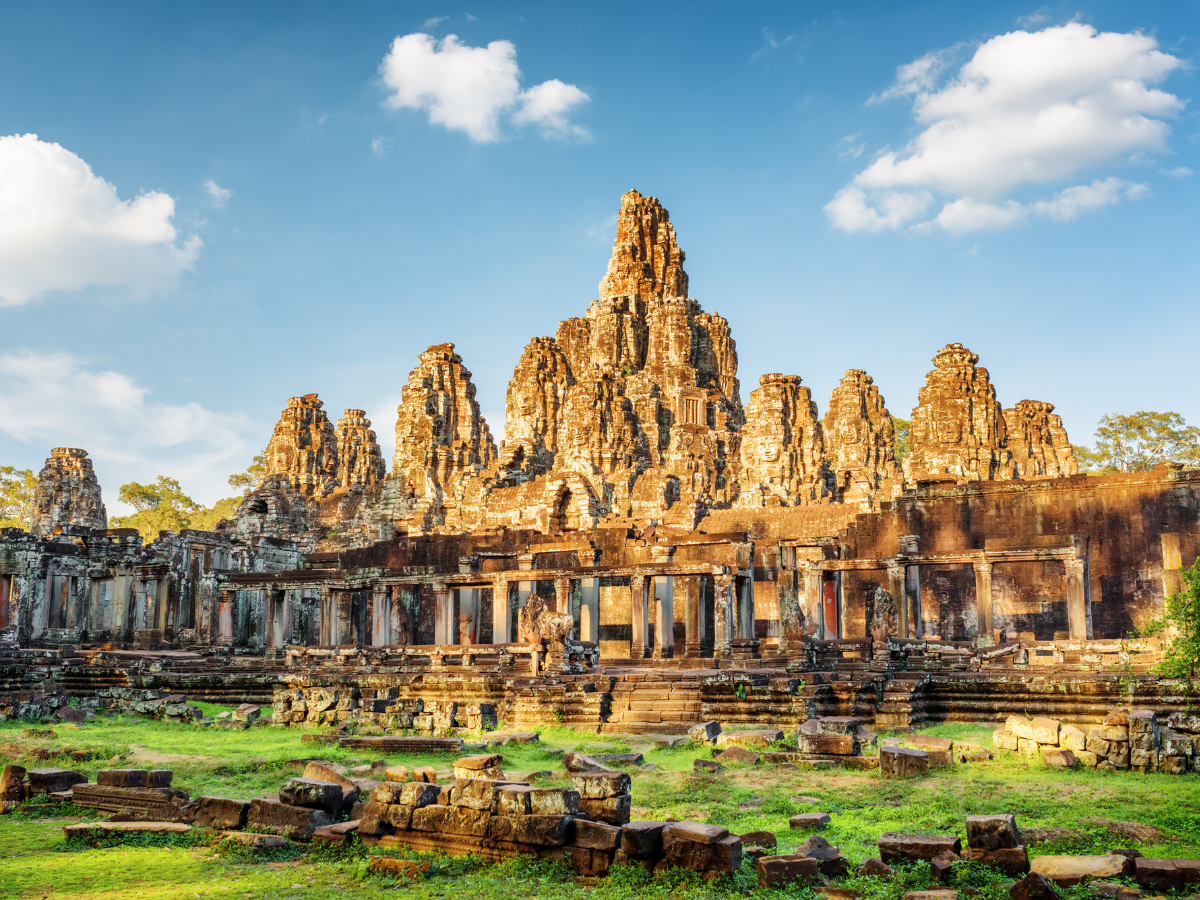
Day 1: Arrival and Orientation in the City of Heritage
Begin your journey in a city celebrated for its layered history, such as Rome, Athens, Istanbul, or Kyoto. These destinations serve as perfect gateways to understanding how ancient and modern worlds coexist.
Morning
Arrive and take time to settle into your accommodation near the historic center. Choose lodging that reflects local heritage, such as a converted palace, traditional ryokan, or boutique hotel within walking distance of major landmarks. This allows you to soak in the atmosphere right from the start.
Afternoon
Take a slow-paced orientation walk. Start from the main city square and wander through narrow lanes, local markets, and centuries-old neighborhoods. Do not rush to tick off monuments yet. Instead, absorb the architecture and note small details like street plaques or traditional shops that often have their own historical significance.
Evening
Enjoy dinner at a local restaurant specializing in regional cuisine. Ask your server about traditional recipes or historical dishes connected to the city’s past. Food often carries stories that reveal how cultures developed through trade, conquest, and creativity.

Day 2: Ancient Civilizations and Their Legacy
The second day focuses on exploring the roots of civilization. Cities like Cairo, Athens, and Rome provide tangible connections to the beginning of modern thought and engineering.
Start with early morning visits to ancient ruins or archaeological museums. book a guided tour led by a historian or local expert to gain deeper insight. Hearing how temples, tombs, and monuments were built, protected, and rediscovered gives you a sense of scale and continuity.
After a midday break, spend your afternoon along a historic route or river that once defined trade and culture. For instance, a stroll along the Tiber River in Rome or the ancient Agora in Athens helps you visualize daily life thousands of years ago.
Finish your day at a viewpoint or rooftop café. Watching sunset over ruins connects you emotionally with the same horizon ancient people once admired, creating a powerful moment of reflection.

Day 3: Medieval Marvels and Architectural Traditions
Step into the medieval period where fortified castles, cathedrals, and artistic movements tell the story of resilience and reinvention.
Devote your morning to exploring key medieval landmarks, perhaps a hilltop fortress, monastery, or walled town. Cities like Prague, Edinburgh, or Granada thrive with architectural details that reveal how societies evolved after antiquity. Pay attention to craftsmanship, from stained glass windows to intricate stone carvings.
In the afternoon, visit a museum dedicated to medieval art or manuscripts. Many of these institutions host preserved relics, religious icons, and artifacts that survived wars and time.
Evening is best spent wandering through illuminated old towns. Cobblestone alleys lined with period architecture become even more mesmerizing when lit softly at night, offering a sense of continuity between past and present.

Day 4: Renaissance and Enlightenment Eras
The fourth day celebrates creativity, intellect, and curiosity. Europe’s Renaissance cities such as Florence, Paris, and Vienna are ideal for exploring how art and philosophy transformed human understanding.
Begin your morning in a major art gallery or palace museum. Focus not just on the beauty but also on the purpose of each creation—how artists, scientists, and thinkers influenced one another during this era.
Spend your afternoon visiting libraries, universities, or historical cafés where famous philosophers once exchanged revolutionary ideas. Seek guided walking tours that discuss how these intellectual movements spread through trade, travel, and translation.
Conclude the day with a classical music performance or a theater play. Experiencing the performing arts in a historic venue connects you to a centuries-old tradition of cultural expression and dialogue.

Day 5: Local Traditions and Living Heritage
After immersing in monumental history, it is time to explore the intangible heritage that survives in daily life. Dedicate this day to the cultural customs that still shape communities.
Start your morning at a local market. Observe how traditional crafts, clothing, and rituals live alongside modern commerce. Talk to artisans who carry forward family trades such as weaving, pottery, or metalwork.
Join a hands-on cultural workshop in the afternoon. Cooking classes, calligraphy sessions, or folkloric dance lessons offer insight into how past generations expressed creativity within everyday life.
Evening is best spent attending a community performance, festival, or storytelling night. These experiences help travelers see history not as a closed chapter but as a living narrative passed down through generations.

Day 6: Regional Day Trip to Historical Sites
Devote your sixth day to an excursion beyond the main city. Day trips are perfect for uncovering regional histories that support the broader story of the area.
Choose a UNESCO World Heritage Site or an ancient town within a couple of hours’ journey. Examples include Pompeii near Naples, Delphi near Athens, or Nara near Kyoto. Local tours often provide convenient transport and knowledgeable guides who reveal details overlooked by casual visitors.
Spend time exploring at your own pace. Visit smaller museums, rural temples, or lesser-known ruins. Such places often have fewer tourists but richer stories preserved through community stewardship.
Return in the evening and enjoy a relaxed dinner reflecting on how the main city and its surrounding regions contributed to one shared heritage.

Day 7: Reflection and Farewell
Your final day should not be about rushing to squeeze in more sights but about reconnecting with what you have learned.
Spend your morning revisiting a favorite place, perhaps a quiet courtyard, museum terrace, or riverbank. Take photos or notes that capture not only the visuals but also your feelings about the journey.
Afternoon offers time for last-minute shopping for cultural souvenirs such as local literature, handmade crafts, or specialty foods tied to the city’s identity.
As evening arrives, join locals for a farewell meal in a historic restaurant. Raise a glass to the centuries of human endeavor you have just explored. Commit to returning again, because even a lifetime is not enough to uncover all the stories the world holds.

Conclusion: Keeping History Alive Through Travel
A cultural travel itinerary is more than a checklist of monuments. It is an ongoing conversation between traveler and past, a way to understand how humanity reached this point and where it might go next. History lovers who travel with curiosity and respect not only experience the glory of civilizations but also help preserve their legacy by valuing knowledge, craftsmanship, and continuity.
Whether this 7 day plan becomes the foundation of your next journey or inspiration for a lifetime of exploration, it reminds us that cultural travel is one of the most rewarding ways to connect with the human story. So pack your curiosity, keep your mind open, and let history be your guide.