Introduction
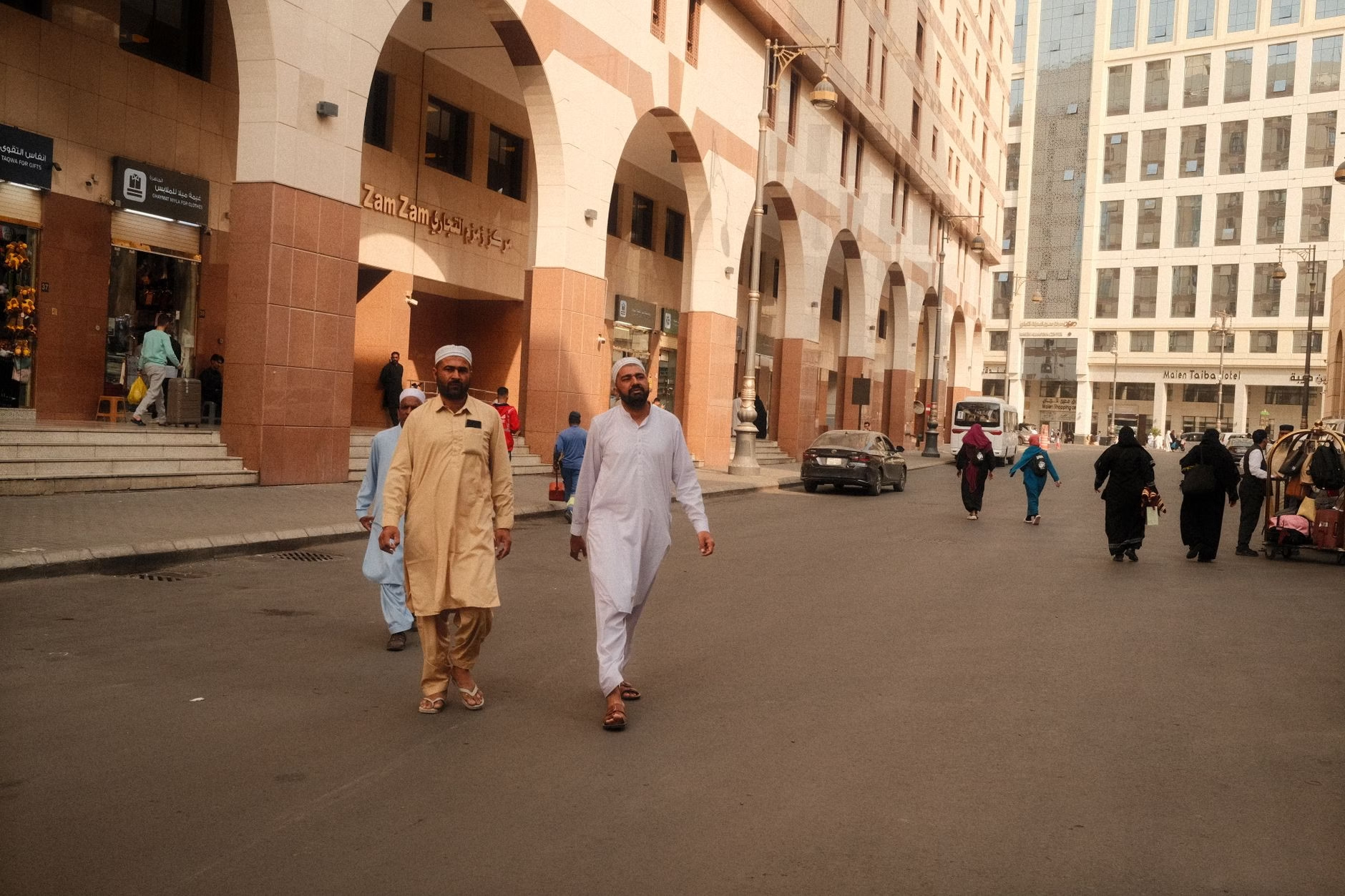
For centuries, Saudi Arabia remained a mysterious and deeply traditional land, closed to most foreign visitors. Today, the Kingdom has thrown open its doors to travelers from across the world, inviting them to explore its magnificent deserts, futuristic cities, and sacred heritage. From the vibrant streets of Riyadh and the coral-fringed coastline of the Red Sea to the ancient tombs of AlUla and the peaceful calm of the Empty Quarter, Saudi Arabia offers one of the most surprising and diverse travel experiences on the planet.
This complete Saudi Arabia travel guide will help you plan an unforgettable trip. You will learn how to get there, what to see, how to stay respectful of local customs, and how to navigate this fascinating blend of past and future. Whether you are seeking cultural discovery, adventure, or luxury relaxation, Saudi Arabia is ready to redefine what travel in the Middle East can mean.
Understanding Saudi Arabia: A Country in Transformation
Saudi Arabia is undergoing an extraordinary period of change. The country’s Vision 2030 initiative is transforming its economy and social landscape, with tourism playing a central role in this evolution. Modern infrastructure, new resorts, heritage restoration projects, and entertainment hubs are redefining how visitors experience the Kingdom.
Tradition remains at the heart of Saudi identity. Travelers can expect a strong sense of national pride, warm hospitality, and a genuine eagerness among locals to share their culture. Yet, alongside this cultural authenticity, you will find world class hotels, efficient transportation, and futuristic projects such as NEOM and The Line redefining urban development.
Understanding this contrast is essential to enjoying your trip. The Kingdom is not just a destination frozen in history, but a living, breathing story of progress built on deep cultural roots.
Getting There and Around
Entry Requirements and Visas
Saudi Arabia’s electronic tourist visa system has made visiting easier than ever. Citizens of many countries can apply online for a visa valid for tourism, family visits, or even short business trips. The process is simple: apply online, pay the fee, and receive your e-visa typically within minutes. The visa allows multiple entries and is valid for one year, giving travelers flexibility to explore the Kingdom at their own pace.
Arriving in Saudi Arabia
Most international travelers arrive through Riyadh, Jeddah, or Dammam, the country’s major air gateways.
- Riyadh (King Khalid International Airport) connects with major hubs across Europe, Asia, and the Gulf.
- Jeddah (King Abdulaziz International Airport) is ideal for those planning to explore the Red Sea coast or travel to Mecca as a pilgrim.
- Dammam (King Fahd International Airport) serves travelers heading to the Eastern Province or the Arabian Gulf coast.
Getting Around
Domestic flights are plentiful and well priced, linking major cities and remote regions. The train network is expanding fast, with the Haramain High Speed Railway providing a comfortable link between Mecca, Medina, and Jeddah. For deeper exploration, renting a car is highly recommended. Roads are wide, modern, and well signed, but note that long desert stretches require good planning and plenty of water. Ride hailing apps also operate in major cities, offering safe and convenient transportation.
Top Destinations to Visit
Riyadh: The Capital of Contrast
Riyadh is the beating heart of modern Saudi Arabia, a city where gleaming skyscrapers sit side by side with mudbrick forts and bustling souks. Begin with Masmak Fortress, a symbol of the nation’s unification, and explore Diriyah, the UNESCO listed cradle of Saudi heritage being reborn as a cultural and dining destination. The National Museum offers a fascinating introduction to Arabian history, while urban travelers will appreciate the world class restaurants and stunning skyline views from the Kingdom Centre Tower.
Jeddah: The Red Sea Gateway
Jeddah’s unique personality blends cosmopolitan flair with historic depth. The old quarter, Al Balad, enchants visitors with coral stone houses, wooden balconies, and artistic murals. Walk the scenic Jeddah Corniche, an 11 km waterfront promenade dotted with sculptures and cafés. For sunseekers, the Red Sea’s coral reefs promise exceptional diving and snorkeling. Luxurious beach resorts north of the city cater to travelers looking for relaxation with style.
AlUla: The Kingdom’s Ancient Treasure
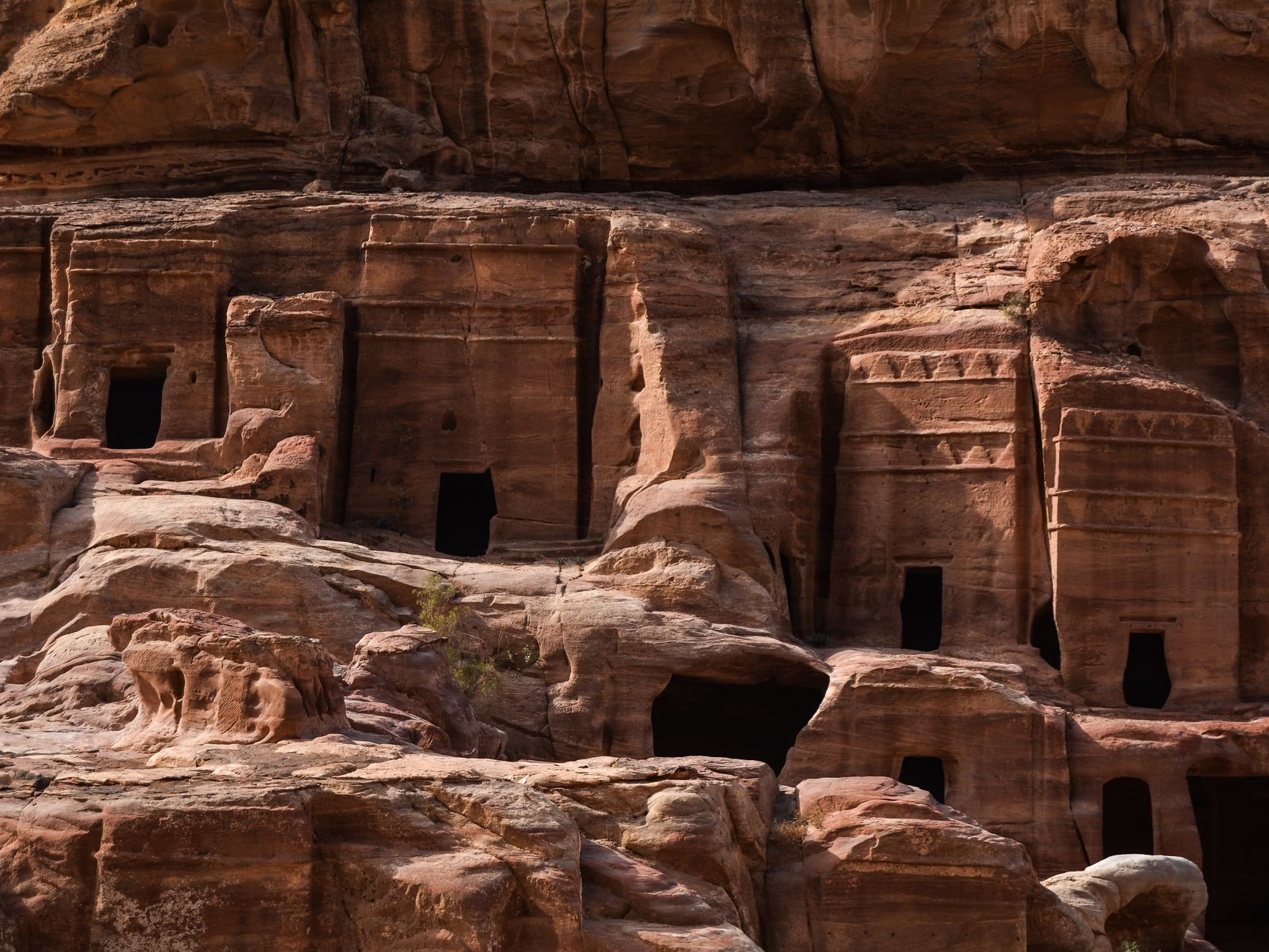
Few places rival AlUla for its sheer wonder. Set in a desert valley surrounded by sandstone cliffs, this region is home to Hegra, a UNESCO World Heritage site that showcases intricate Nabatean tombs dating back over two thousand years. Explore Elephant Rock, wander through Old Town AlUla, and take in the magically lit ruins at night. The area has become a cultural hotspot, hosting art installations, concerts, and desert festivals under the stars.
The Red Sea Project and NEOM: The Future Beckons
Saudi Arabia is building entirely new destinations along its pristine western coast. The Red Sea Project aims to combine luxury tourism with environmental preservation, offering private islands, coral reef diving, and state of the art sustainability standards. Further north, NEOM is envisioned as a futuristic city powered entirely by renewable energy. These developments showcase the country’s ambition to become a major player in global tourism while maintaining an environmental focus.
The Empty Quarter: The Desert of Dreams
For those with a passion for adventure, the Rub al Khali, or Empty Quarter, offers one of the most profound desert landscapes on earth. Vast dunes stretch into the horizon with a silence that is almost spiritual. Experienced guides can lead camel expeditions or 4×4 journeys to remote oases and Bedouin encampments, allowing travelers to experience the raw beauty of the Arabian wilderness.
Cultural Etiquette and Local Customs
Respect for tradition is a foundational aspect of Saudi life. Understanding local etiquette ensures smooth interactions and enriches your cultural experience.
- Dress modestly. Both men and women should wear clothing that covers shoulders and knees. Women are not required to wear the traditional abaya, but many visitors choose to as a gesture of cultural respect.
- Public behavior should be polite and formal. Avoid loud public displays of affection or confrontational gestures.
- Greetings are warm and formal. Men greet with a handshake and friendly exchange of words. Always use your right hand when offering or receiving anything.
- Photography should be approached with care. Avoid taking photos of people, government buildings, or military installations without permission.
- Religious respect is very important. During prayer times, many shops close temporarily. Non Muslims cannot enter the holy cities of Mecca and Medina, but viewing them from afar offers a sense of their spiritual significance.
Cuisine and Dining Experiences
Saudi cuisine is a feast of flavors shaped by centuries of trade and tradition. Food brings people together, and sharing a meal is often a highlight of any visit.
Try kabsa, the national dish of fragrant rice, meat, and spices, or muttabaq, a stuffed and pan fried pastry popular in street markets. Jareesh, a cracked wheat porridge, and mandi, a slow cooked meat and rice dish from the south, also showcase the Kingdom’s culinary diversity.
International dining is flourishing, especially in Riyadh and Jeddah, where acclaimed chefs and chic cafés are transforming the dining scene. Coffee culture runs deep here, with Arabic coffee (qahwa) served with dates as a token of welcome. It is both tradition and ceremony, symbolizing hospitality and friendship.
When to Visit
Saudi Arabia experiences extreme temperatures, so timing your visit can make a huge difference.
- Best time to visit: November to March, when daytime temperatures are comfortable and evenings are cool. This is perfect for outdoor sightseeing, desert tours, and cultural festivals.
- Summer (June to August) can be very hot, especially inland, though the Red Sea coast remains more pleasant thanks to sea breezes and water activities.
- Ramadan offers a unique cultural perspective, but travelers should be aware that restaurants close during daylight hours. After sunset, however, the festive breaking of the fast known as Iftar creates a wonderful communal atmosphere.
Planning Practicalities
- Currency: The Saudi Riyal (SAR) is widely accepted, with credit cards commonly used. ATMs are plentiful.
- Language: Arabic is the official language, but English is widely spoken in hotels, airports, and tourist areas.
- Connectivity: High speed internet is available almost everywhere, and SIM cards are easy to purchase at major airports.
- Safety: Saudi Arabia is considered very safe for tourists. The crime rate is low, and tourist police are helpful and approachable.
- Local Laws: The country maintains strict legal norms. Always carry identification, avoid public intoxication, and respect religious traditions.
Conclusion
Saudi Arabia is not just emerging as a new destination; it is redefining what travel in the Arabian Peninsula can mean. The Kingdom offers experiences that reach far beyond its impressive architecture and grand ambitions. It invites visitors to slow down, connect with its ancient landscapes, and feel the rhythm of its evolving culture.
For travelers seeking authenticity, adventure, and discovery, Saudi Arabia stands as one of the world’s most compelling frontiers. With careful planning, respect for local customs, and an open heart, you will leave with stories that reach far beyond what you imagined.
Further Reading
3 Day Istanbul Itinerary for First Time Visitors
[Travel to Somalia; How I Traveled to Mogad