
Introduction: Preparing for the Adventure of a Lifetime
Few travel experiences rival the breathtaking thrill of an African safari. From the first golden rays of sunrise illuminating the savannah to the hushed wonder of spotting a lion on the prowl, every moment feels cinematic and unforgettable. Yet behind every seamless adventure is the often-overlooked art of packing correctly. Preparing for a safari is unlike any other trip you will take. You will move from open game drives to candlelit bush dinners, from dusty tracks to luxury lodges—all in one journey.
This guide will show you exactly what to pack for an African safari, helping you balance practicality, comfort, and respect for the natural environment. You will discover not just a checklist, but valuable insights into safari life itself. By the end, you will feel confident, organized, and ready to experience Africa in the most rewarding way possible.
Understanding the Environment
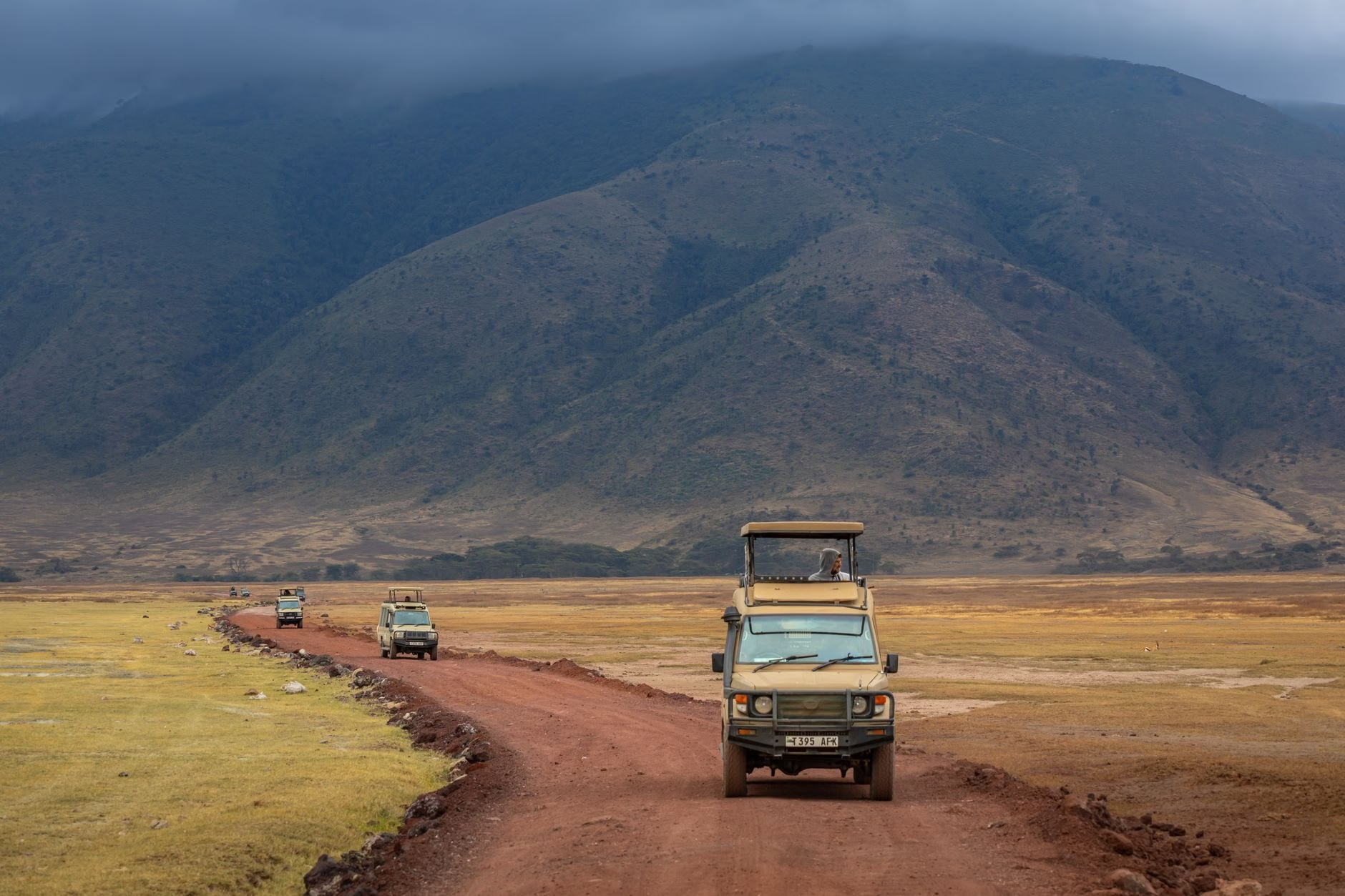
Before deciding what to pack, it is crucial to understand the environment you are entering. Africa is not one single landscape. Depending on your destination, you might find yourself in the open plains of Kenya’s Maasai Mara, the wetlands of Botswana’s Okavango Delta, or the dry deserts of Namibia. Each region brings its own climate conditions and packing requirements.
Most safari destinations experience warm days and cooler nights. Early mornings can be surprisingly chilly, especially in open vehicles at higher altitudes. During the day, the sun can be intense, and dust or insects may be part of the experience. Recognizing this range of conditions will help you pack clothing and gear that supports comfort from dawn until dusk.
Choosing the Right Clothing
Safari clothing is all about functionality, comfort, and blending into the natural surroundings. While there is no strict dress code, experienced travelers know that certain colors, fabrics, and garment types make a world of difference.
1. Stick to Natural, Neutral Colors
Clothing in earthy tones such as khaki, olive, and tan helps you blend with the landscape and avoid attracting attention from wildlife or insects. Bright colors can be distracting to animals and may also accumulate dust or show stains easily.
2. Layered Clothing for Changing Temperatures
A safari day begins cool, warms rapidly, and cools again in the evening. Layering keeps you adaptable.
- Light T-shirts or breathable shirts for daytime comfort
- A fleece or light jacket for chilly mornings and evenings
- A windproof outer shell if you are traveling in open vehicles
- Convertible pants that can become shorts in the heat of the day
Opt for lightweight fabrics that dry quickly and allow movement. Avoid heavy jeans or dark black materials that absorb heat and retain dust.
3. Protection from the Sun and Insects
Long sleeves and longer pants can provide natural protection from biting insects and the sun’s ultraviolet rays. Combine clothing with appropriate sunscreen and insect repellent for complete defense. A wide-brimmed hat and polarized sunglasses are indispensable on open drives.
Essential Footwear
Footwear can make or break your safari experience. Most game drives involve minimal walking, but when you do step out of the vehicle or explore on foot, the terrain can be uneven and dusty.
Safari Footwear Recommendations:
- Sturdy walking shoes or lightweight hiking boots for bush walks
- Comfortable closed-toe casual shoes for camp wear
- Flip-flops or sandals for relaxing at the lodge or around the pool
Shoes should be broken in before your trip to avoid blisters. Choose neutral colors that do not show dust easily, and always pack a few pairs of breathable socks.
Safari Accessories and Practical Gear
Beyond clothing, certain accessories enhance comfort and help you make the most of your time in the wild.
1. Binoculars
High-quality binoculars are essential for spotting distant wildlife and appreciating detail. Many lodges provide them, but bringing your own ensures you are prepared at all times.
2. Camera Equipment
Africa offers some of the most striking photographic opportunities on Earth. Bring a good camera with a zoom lens capable of capturing animals from a distance. Extra batteries and memory cards are must-haves, as electricity can be limited in remote lodges.
3. Daypack
A small but durable daypack keeps your essentials—water bottle, sunscreen, insect repellent, light jacket, and camera—close at hand on drives.
4. Reusable Water Bottle
Staying hydrated is non-negotiable. Pack a refillable bottle, ideally insulated, to keep your water cool on long game drives.
5. Travel Adapter and Power Bank
Different African countries may have different plug types and voltage standards. A universal adapter ensures your electronics are easily charged. A power bank guarantees that cameras and phones do not die at crucial wildlife moments.
Health, Safety, and Comfort Essentials
Your health and comfort directly influence how much you enjoy your safari. Preparation goes beyond clothes and gadgets.
Health and Safety Items to Include:
- Prescription medications and basic first aid kit
- Malaria prophylaxis (consult your doctor based on destination)
- High SPF sunscreen and insect repellent with DEET
- Antibacterial wipes and hand sanitizer for on-the-go hygiene
- Lip balm and moisturizing lotion, as the air can be dry
- A small flashlight or headlamp for lodge pathways after dark
Packing these essentials not only keeps you healthy but also allows you to remain self-sufficient in environments where medical services may be distant.
Lodge Life and Evenings in the Bush
After days of exploration, safari evenings bring a different rhythm—sunset drives, campfire dinners, and star-filled skies. Lodge life is relaxed, but a few thoughtful clothing choices can make evenings more comfortable and stylish.
Pack one or two casual yet neat outfits for dinners or social time at the lodge. Lightweight cotton or linen is ideal. A shawl or scarf adds warmth and elegance. Avoid clothing that appears overly formal, as even the most exclusive lodges maintain a comfortable, unpretentious atmosphere.
Bring a swimsuit for pools or riverside decks, and keep a pair of comfortable sandals for lounging.
Packing Smart: Weight and Logistics
African safari flights, especially chartered bush planes, often have strict luggage weight limits, usually around 15 kilograms per person including carry-on. Soft-sided duffels are preferred since they fit better into small aircraft compartments.
To stay within limits and remain organized:
- Pack versatile clothing items that mix and match easily
- Use packing cubes to separate daywear, evening wear, and accessories
- Minimize toiletries by using travel-sized containers
- Leave space for souvenirs such as handcrafted items or local textiles
Being resourceful with your packing not only saves weight but reduces clutter, allowing you to focus on the experience rather than your suitcase.
Conclusion: Travel Light, Live Fully
Packing for an African safari is an exercise in mindful simplicity. Every item should serve a purpose, every choice should enhance your comfort and connection with nature. With the right gear, you can focus on the moments that truly matter—the thrill of seeing elephants crossing the river, the laughter shared around a fire, the silent wonder of sunrise over the plains.
Travel prepared, not overburdened, and you will discover that Africa rewards those who arrive ready to embrace its rhythm. Pack smartly, travel responsibly, and let the adventure unfold before you.
Further Reading
3 Day Istanbul Itinerary for First Time Visitors
Travel to Somalia; How I Traveled to Mogadishu
Free Family Things to do in Chicago Today
How to Spend Four Days in Hong Kong