Jordan Travel Guide: Petra and Wadi Rum
Introduction
There are few places on earth that evoke as much wonder as Jordan. This small yet captivating country lies at the crossroads of ancient trade routes and timeless desert landscapes. Among its treasures, two destinations stand apart: the rose-red city of Petra and the surreal emptiness of Wadi Rum. Together, they offer travelers not only breathtaking natural beauty and archaeological riches but also a glimpse into the deep roots of Arab culture and Bedouin traditions.
In this comprehensive travel guide, we will explore everything you need to know to plan a rewarding visit to Petra and Wadi Rum. From practical advice on how to get there and what to expect, to insider tips for exploring these remarkable UNESCO World Heritage Sites, you’ll gain the insight needed to transform your trip into an unforgettable experience.
Exploring Petra: The Rose-Red Wonder of the World
A Journey Through Time
Petra is often described as one of the New Seven Wonders of the World, and for good reason. Carved directly into sandstone cliffs over two thousand years ago, the ancient Nabataean city still stuns visitors with its architectural ingenuity and scale. Once a thriving trade hub linking Arabia, Egypt, and the Mediterranean, Petra’s grandeur speaks to a time when caravans laden with spices, incense, and silk journeyed through its narrow passages.
When you step into Petra, you are not merely visiting an archaeological site; you are walking into a living testament of history. The moment you begin your journey through the Siq—a narrow, winding gorge enclosed by towering cliffs—you feel the anticipation build until the first glimpse of the Treasury appears like a vision in the rock. It is one of the most iconic travel moments in the world.
When to Visit and How to Get There
Petra is located near the town of Wadi Musa in southern Jordan, about three hours’ drive from Amman or two hours from Aqaba. The best time to visit is during spring (March to May) or autumn (September to November) when temperatures are comfortable for walking and exploring.
For those traveling independently:
- By car: Driving from Amman is straightforward, following the Desert Highway south. Roads are well maintained and signposted.
- By bus: The JETT Bus offers daily services between Amman, Aqaba, and Petra at affordable rates.
- With a guide: Hiring a knowledgeable local guide from Wadi Musa enhances the experience as they can explain the site’s historical significance and lesser-known locations.
What to See Inside Petra
Petra is enormous, covering more than 260 square kilometers. You can spend a full day or even several days exploring its trails. Key highlights include:
- The Treasury (Al Khazneh): Petra’s most famous monument, believed to have been a royal tomb. Try visiting early in the morning or late in the afternoon when sunlight casts dramatic colors on the facade.
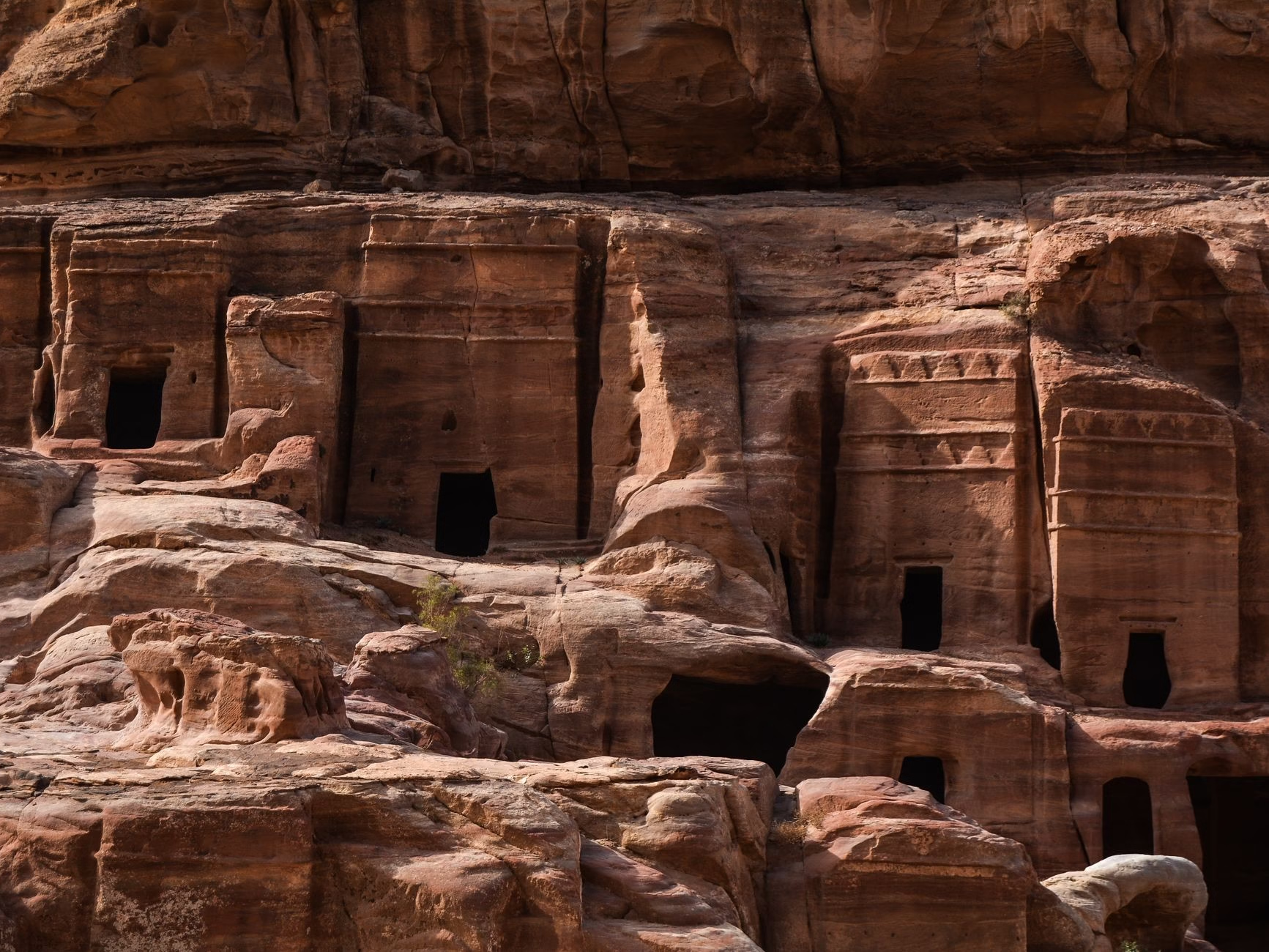
- The Street of Facades: A row of monumental tombs cut into the rock face, each with a unique design reflecting the blending of Nabataean and Hellenistic styles.
- The Royal Tombs: Four impressive tombs situated side by side, offering panoramic views over the valley.
- The Monastery (Ad Deir): A massive structure reached through a scenic uphill trail. It is larger but less crowded than the Treasury and equally impressive.
- High Place of Sacrifice: A steep trail leads to this vantage point with sweeping views of Petra and its surrounding valleys.
Practical Tips for Visiting Petra
- Start early: The site opens at 6 a.m., and the early hours are perfect for exploring before the crowds arrive.
- Wear sturdy footwear: The terrain is rocky and involves a fair amount of walking.
- Bring water and snacks: Facilities inside are limited, and the heat can be intense, especially in summer.
- Stay overnight in Wadi Musa: This allows you to explore at a more relaxed pace and perhaps experience Petra by Night, when the Siq and Treasury are lit by thousands of candles.
Venturing Into Wadi Rum: The Valley of the Moon
The Magic of the Desert
Less than two hours south of Petra lies Wadi Rum, a desert valley of towering sandstone mountains, red sand dunes, and vast plains that have captivated explorers, filmmakers, and adventurers for generations. Known as the Valley of the Moon, Wadi Rum embodies the essence of the Arabian desert with its silence, its clear star-filled skies, and its dramatic landscapes that seem to change color with every passing hour.
Wadi Rum is not merely a scenic stop—it is an experience. You can sleep in traditional Bedouin camps, ride camels into the sunset, or race across dunes in an all-terrain vehicle. It is also a place of cultural importance, where local Bedouin families still live and where visitors can learn about a lifestyle shaped by the rhythms of the desert.
How to Experience Wadi Rum
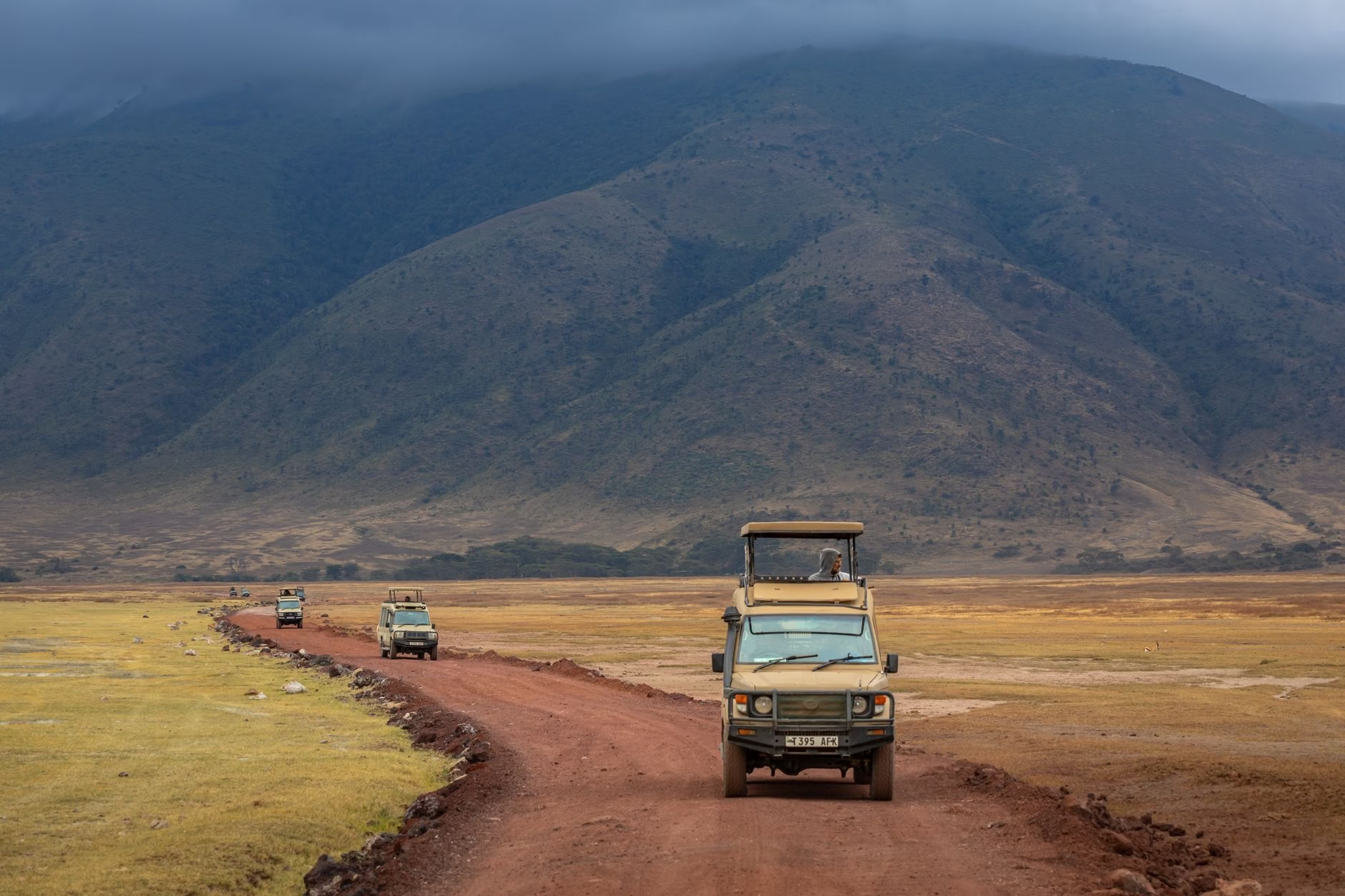
Your entry point to Wadi Rum is the Visitor Center near the village of Rum, where you purchase entrance tickets and arrange transportation or guides. Because the landscape is protected, visitors are not allowed to drive private vehicles inside. Instead, guided jeep tours and camel rides provide access to the area’s stunning natural sites.
Highlights include:
- Lawrence’s Spring: A small oasis with water seeping from the rock, famously associated with T. E. Lawrence.
- Khazali Canyon: Known for ancient rock inscriptions and striking sandstone formations.
- The Seven Pillars of Wisdom: A majestic mountain named after Lawrence’s famous memoirs, often photographed at sunrise.
- Sand Dune Fields: Ideal for climbing and watching the sunset, with the colors shifting from gold to deep crimson.
- Bedouin Experiences: Spend an evening at a desert camp, enjoy traditional Zarb (food cooked underground), listen to local music, and stargaze in the pure desert sky.
Tips for Visiting Wadi Rum
- Plan at least one overnight stay: The desert comes alive at night, and camping under the Milky Way is unforgettable.
- Book with licensed Bedouin operators: This supports local communities and ensures sustainable experiences.
- Bring layers: Temperatures drop sharply after sunset.
- Photography lovers: The best light is early morning and late afternoon, when the desert glows with shades of orange and rose.
Connecting Petra and Wadi Rum in Your Journey
Most travelers combine Petra and Wadi Rum in a single itinerary, as they lie conveniently close. The drive between the two takes about ninety minutes, making it easy to explore both within three or four days.
A recommended route could be:
- Day 1: Arrive in Amman and travel to Petra, overnight in Wadi Musa.
- Day 2: Spend a full day exploring Petra, hike to the Monastery, and enjoy Petra by Night if available.
- Day 3: Drive to Wadi Rum for a half-day jeep tour and overnight desert camp.
- Day 4: Return to Amman or continue south to Aqaba for relaxation by the Red Sea.
This itinerary delivers a perfect balance of history, adventure, and natural beauty, showcasing Jordan at its most majestic.
Cultural Etiquette and Responsible Travel
When exploring Jordan’s treasures, respect for local traditions enhances your experience and fosters genuine connection. Jordanians are known for their warm hospitality, and visitors are expected to show similar courtesy.
Practical guidelines include:
- Dress modestly, especially in rural areas and around religious sites.
- Always ask before photographing local people.
- Support local artisans by buying handmade crafts rather than mass-produced souvenirs.
- Refrain from climbing or touching ancient monuments to preserve them for future generations.
- Engage with Bedouin hosts and guides respectfully, showing appreciation for their knowledge and hospitality.
By traveling mindfully, you contribute positively to the preservation of these extraordinary places and their communities.
Conclusion
Petra and Wadi Rum together offer one of the most awe-inspiring travel combinations in the world. From the hidden carvings of a lost city to the vast beauty of the desert under a canopy of stars, these destinations embody the timeless spirit of Jordan. Exploring them is not only a journey through history and nature but also a discovery of the human stories that continue to thrive in this ancient land.
Whether you are tracing ancient pathways through stone canyons or sharing tea with Bedouins around a desert fire, Jordan invites you to slow down, look closer, and let its landscapes tell their stories. With thoughtful planning and an open heart, your visit will leave lasting impressions long after you have returned home.
Further Reading
3 Day Istanbul Itinerary for First Time Visitors
Travel to Somalia; How I Traveled to Mogadishu
Free Family Things to do in Chicago Today
How to Spend Four Days in Hong Kong