Introduction
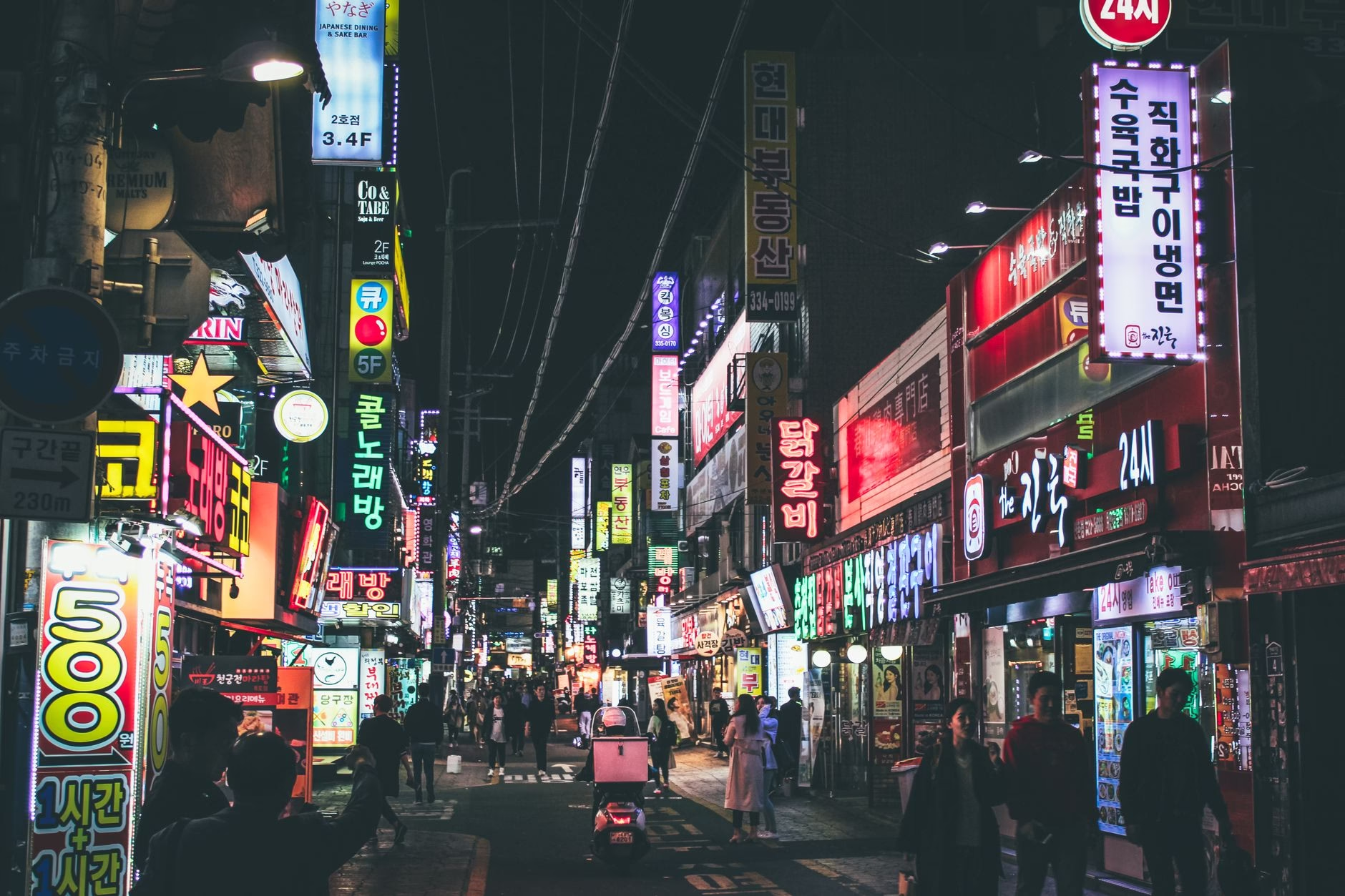
South Korea has become one of the world’s most fascinating travel destinations, blending ancient traditions with a cutting edge modern lifestyle. From the neon lights of Seoul to the tranquil temples of Gyeongju, and from the rugged peaks of Seoraksan to the beaches of Jeju Island, this country offers a remarkable range of experiences packed into a relatively small space.
If you are planning your first trip to South Korea, this comprehensive guide will help you travel with confidence. You will learn where to go, what to expect, how to move around efficiently, and how to make the most of local culture and cuisine. Whether you are interested in K‑culture, nature, history, or food, this guide will give you clear direction and practical insight to design an unforgettable journey.
Understanding South Korea: A Country of Contrasts
South Korea is a country where thousand year old temples sit beside glass towers, and where tradition blends seamlessly with innovation. Located on the southern half of the Korean Peninsula, it is home to more than 50 million people and known for its dynamic cities and deep cultural roots.
Modern Korea’s rapid development is visible everywhere, from its advanced transportation network to its world class technology scene. Yet, the preservation of heritage remains a point of pride. You can see locals visiting Buddhist shrines, wearing traditional hanbok at palaces, and celebrating ancient festivals even as skyscrapers dominate the skyline. This contrast is part of what makes the country so compelling for visitors.
Travelers can expect a society that is orderly, clean, and community focused. Infrastructure standards are high, crime rates low, and daily life runs with admirable efficiency. These characteristics create an environment that supports independent travel, even for those visiting for the first time.
Best Time to Visit South Korea
South Korea has four distinct seasons, each offering unique charms. Your choice of travel period will shape your experience.
- Spring (March to May): Widely regarded as the best time to visit. Cherry blossoms and azaleas fill parks and palaces with color. Temperatures are mild, making it ideal for sightseeing. Cities such as Seoul and Busan host outdoor festivals and markets in full bloom.
- Summer (June to August): Hot, humid, and occasionally rainy. Coastal towns like Busan or Sokcho become lively with beachgoers. For nature lovers, lush mountain trails in Seoraksan or Jirisan provide shaded escapes.
- Autumn (September to November): Another favorite season for travelers. Crisp weather and brilliant fall foliage transform the landscape into a painter’s palette. Cultural events and food festivals abound.
- Winter (December to February): Cold but atmospheric, especially if you enjoy snow. Ski resorts in Gangwon province like Alpensia and Yongpyong offer excellent conditions. Seoul’s cafés and holiday lights create a cozy mood.
Think about travel goals before choosing your season. If you want outdoor exploration, spring or autumn will be ideal.
Top Destinations You Should Not Miss
South Korea may be small in size, but it is diverse in every possible way. Each region presents a distinctive personality.
Seoul
The capital is both the heart of modern Korea and a window into its past. Explore Gyeongbokgung Palace for a glimpse of royal history, wander through Bukchon Hanok Village to encounter traditional architecture, and shop in Myeongdong for the latest fashion and cosmetics. Do not miss the vibrant energy of Hongdae’s nightlife or the artsy charm of Insadong’s tea houses and galleries.
Busan
Located on the southeastern coast, Busan is the country’s main port city and known for its laid back vibe. Enjoy the sun at Haeundae and Gwangalli beaches, sample fresh seafood at Jagalchi Market, and take in panoramic views from the Gamcheon Culture Village.
Gyeongju
Often called the “museum without walls,” Gyeongju was the capital of the ancient Silla Kingdom. Its UNESCO-listed temples and burial mounds date back more than a thousand years. Bulguksa Temple and Seokguram Grotto offer deep spiritual resonance and exquisite architecture.
Jeju Island
This volcanic island is a favorite domestic holiday spot, known for waterfalls, lava tubes, and scenic coastlines. Visit Hallasan National Park for rewarding hikes and stay in one of the island’s cozy guesthouses for an authentic local experience.
Andong and Jeonju
If you are fascinated by traditional culture, head to Andong’s Hahoe Folk Village or Jeonju Hanok Village. Both towns celebrate Korea’s past through well preserved wooden homes, cultural performances, and culinary pride, especially Jeonju’s bibimbap.
Transportation and Getting Around
South Korea’s transportation system is one of the most efficient in Asia. Traveling between cities and within urban areas is smooth and time saving.
Intercity Travel:
The KTX (Korea Train Express) connects major cities such as Seoul, Daejeon, Daegu, and Busan in a few hours. Tickets can be purchased online, through machines at stations, or via mobile apps. For those looking to explore more remote areas, express buses are frequent, comfortable, and inexpensive.
City Transportation:
Subway systems in Seoul, Busan, and other major cities are punctual, clean, and easy to navigate with English signage. Get a T‑money card, which works on subways, buses, and even taxis across the country. For short distances, local taxis are safe and metered.
Domestic Flights:
Traveling between Seoul and Jeju Island is quick and affordable, with flights taking about one hour. Budget airlines operate frequent routes, making weekend trips feasible.
Korean Cuisine You Must Try
Food is an essential part of Korean culture, and tasting local dishes will be one of your most memorable experiences. Korean cuisine emphasizes freshness, seasoning, and balance.
Some must‑try dishes include:
- Bibimbap: A colorful bowl of rice, vegetables, egg, and chili paste. Jeonju is considered its birthplace.
- Korean Barbecue: Grilled meat, usually beef or pork, cooked tableside and wrapped in lettuce with condiments.
- Kimchi: Fermented vegetables, mainly cabbage or radish, seasoned with chili pepper and garlic. Served with nearly every meal.
- Tteokbokki: Spicy rice cakes found in street stalls, especially around university neighborhoods.
- Samgyetang: Ginseng chicken soup, valued for its nourishing qualities, particularly in summer.
Korea’s café culture is equally noteworthy. Seoul’s neighborhoods such as Yeonnam dong and Samcheong dong are filled with creative cafés serving desserts that look like works of art.
Cultural Etiquette and Travel Tips
Koreans are courteous and community oriented, and respecting their traditions will enrich your travel experience.
- Greetings: A polite bow and two handed gesture when giving or receiving items show respect.
- Shoes Off: Always remove footwear before entering a home and many traditional accommodations or restaurants.
- Public Behavior: Loud talk or phone use on public transportation is frowned upon.
- Tipping: Not customary in most places. Exceptional service may be rewarded, but it is optional.
- Language: English is widely understood in tourist areas, though learning a few Korean phrases will be appreciated.
Practical points to note include having cash handy for small purchases, using mobile translation apps for menus, and staying connected with a local SIM or portable Wi Fi device. South Korea’s overall safety and connectivity make solo and family travel equally comfortable.
Where to Stay
Accommodation options in South Korea suit every traveler. Seoul and Busan offer everything from luxury hotels to cozy guesthouses. For first time visitors, staying near public transport lines, such as Hongdae in Seoul or Seomyeon in Busan, helps maximize time.
For a cultural twist, consider spending one or two nights in a hanok (traditional Korean house). These stays offer tatami style floors, quiet courtyards, and an immersive cultural setting. In Jeju Island, family run pensions are popular for coastal relaxation, while major ski resorts offer alpine style lodges during winter.
Conclusion
A journey through South Korea is a discovery of contrasts and connections. The country offers a seamless blend of futuristic innovation and preserved heritage, where every region tells a different story. For first time visitors, thoughtful planning will help turn a good trip into an extraordinary one. Take time to explore both city life and rural charm, taste generously, and engage with locals who are proud of their country’s progress and traditions.
If you approach South Korea with curiosity and respect, it will reward you with unforgettable experiences and lasting memories.
Further Reading
3 Day Istanbul Itinerary for First Time Visitors
Travel to Somalia; How I Traveled to Mogadishu
Free Family Things to do in Chicago Today
How to Spend Four Days in Hong Kong