Introduction: Discover the Spirit of Seoul
Few cities in the world blend deep tradition and futuristic energy as seamlessly as Seoul. With its shimmering skyline, timeless palaces, hidden tea houses, and endlessly creative neighborhoods, South Korea’s capital offers an experience that feels both dynamic and soulful. From the moment you set foot here, you will sense the heartbeat of a city that never truly stands still yet never forgets its roots.
This guide explores the very best things to do in Seoul for tourists who want to go beyond the obvious. It covers cultural immersion, local cuisine, historic landmarks, scenic escapes, and offbeat attractions that help you see Seoul not just as a destination, but as a thriving story you can step into.
Explore the Royal Heritage of Seoul
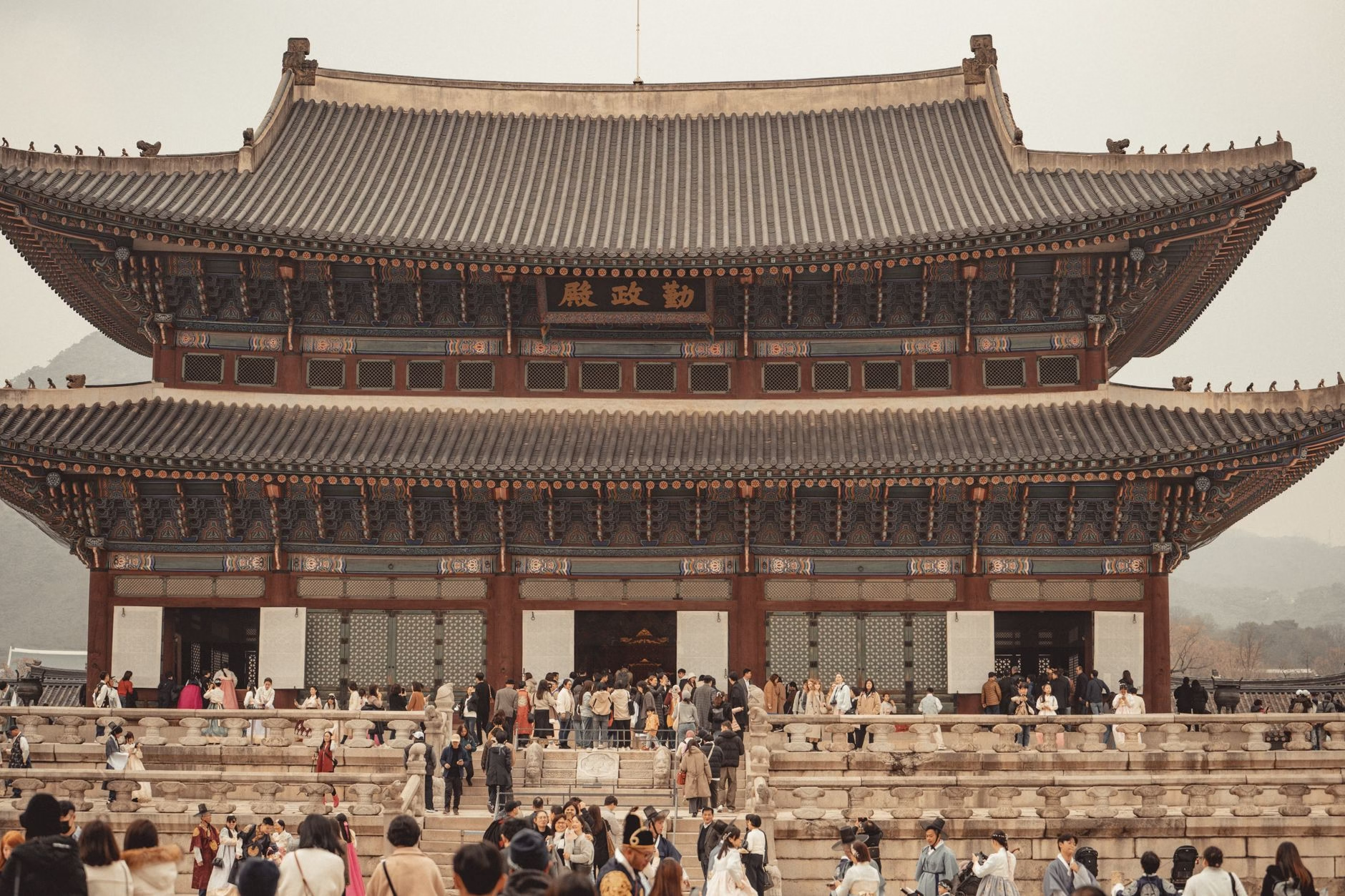
Seoul’s heart lies in its royal palaces, where past and present meet in breathtaking beauty. These cultural landmarks invite visitors to walk through centuries of Korean history while admiring stunning architecture and immaculate gardens.
Gyeongbokgung Palace is the crown jewel among them. Built in 1395, it served as the main royal palace of the Joseon Dynasty. Its sprawling grounds, ornate gates, and beautifully preserved halls give you a vivid glimpse into Korea’s regal past. The ceremonial changing of the guard is an absolute must-see. To capture a memorable photo, consider renting a traditional hanbok, which allows free palace entry and helps you blend into the atmosphere of the era.
Changdeokgung Palace offers a more intimate experience, known for its Secret Garden hideaway. The landscape design merges gently with nature, making it one of the most atmospheric royal sites in Asia. Visiting early in the morning provides a peaceful escape from the city crowds.
Tips for Visitors:
- Buy a combined palace ticket for access to multiple sites at a discounted price.
- Visit museums located within palace grounds to deepen your understanding of Korean history.
Immerse Yourself in Seoul’s Traditional Markets
Seoul’s traditional markets are sensory playgrounds where the city’s modern energy meets the charm of old Korea. Walking through them immerses you in the rhythm of everyday local life while offering endless opportunities for tasting, shopping, and discovering cultural crafts.
Namdaemun Market is one of the oldest and largest markets in Korea. Each alley reveals something different — from street food stalls serving piping hot hotteok (sweet pancakes) to small shops selling fabrics, accessories, and home goods. The friendly vendors bring a sense of authentic community that modern shopping districts often lack.
For street food enthusiasts, Gwangjang Market is iconic. Its lively food alleys feature famous dishes such as bindaetteok (mung bean pancakes) and mayak gimbap (mini seaweed rice rolls). Watching vendors prepare food right before your eyes is a highlight of the experience.
Tips for Visitors:
- Go hungry and try a bit of everything from savory pancakes to spicy rice cakes.
- Carry cash, as many small vendors prefer it over cards.
Feel the Pulse of Modern Seoul in Gangnam and Hongdae
If you want to witness the city’s modern side, Seoul’s youthful neighborhoods showcase its vibrant energy and trendsetting culture.
Gangnam, made famous globally by pop culture, is far more than just its glitz. The area boasts some of Seoul’s most upscale shopping centers, stylish cafés, contemporary art galleries, and fine dining restaurants. Coex Mall is a top stop, featuring an impressive aquarium and a library that has become an Instagram icon.
Meanwhile, Hongdae captures Seoul’s creative spirit. Its streets pulse with live music, late-night cafés, and art markets. The neighborhood’s indie vibe and student-driven energy make it ideal for those who want to experience Seoul’s artistic subcultures. You will find unique boutiques that sell handmade goods and cafés that double as art spaces.
Tips for Visitors:
- Visit Gangnam during the afternoon to explore boutiques, then enjoy nightlife in Hongdae for a complete day of contrast.
- Try a themed café for a distinctly Korean pop culture experience.
Reconnect with Nature at Namsan and the Han River
Seoul may be a bustling metropolis, but its natural spaces offer calm escapes within easy reach of the city center.
Namsan Seoul Tower, perched on Namsan Mountain, remains one of the city’s most iconic landmarks. The short hike up the hill—or a scenic cable car ride—rewards visitors with panoramic views of Seoul’s skyline. Come at sunset to watch the city transform into a sea of lights. Couples often leave love locks along the observatory, making it a romantic stop as well.
Another essential experience is spending time by the Han River. Locals gather here for cycling, picnicking, and evening strolls. You can rent bicycles, grab takeaway fried chicken with local beer, or simply watch the sunset over the bridges. During summer, open-air movie nights and water activities bring the riverside to life.
Tips for Visitors:
- Pack a picnic and rent a blanket at one of the convenience stores near the river.
- Visit the river parks in the evening for a relaxed atmosphere with scenic city lights.
Dive into Korean Cuisine
Seoul’s food scene is legendary. Whether you dine at a five-star restaurant or a tiny corner eatery, every meal reveals something special about the country’s culinary culture.
Start your journey with Korean barbecue, a quintessential experience where diners grill marinated beef or pork at their table. Pair it with lettuce wraps and spicy dipping sauces for an authentic taste. Myeongdong is filled with lively barbecue restaurants and countless street food stalls selling grilled skewers, spicy tteokbokki, and other quick bites.
For traditional dishes, don’t miss samgyetang, a comforting ginseng chicken soup, or bibimbap, a colorful mix of rice, vegetables, and spicy sauce. Try these in Insadong, a district known for its heritage cafés and art-filled restaurants.
Tips for Visitors:
- Ask locals for restaurant recommendations, as many gems remain unlisted in tourist guides.
- Experience a tea house in Insadong to appreciate Korea’s refined tea culture.
Experience Seoul’s Cultural Soul at Temples and Museums
Amid its fast-forward modernity, Seoul remains deeply spiritual. Temples and museums preserve the philosophies and artistry that have shaped Korean identity through the ages.
Jogyesa Temple, located right in the city center, is a serene oasis. It represents Korean Zen Buddhism and is known for its colorful lanterns that illuminate the grounds during the Lotus Lantern Festival in spring. Visitors can join short temple stay programs to learn meditation and experience Buddhist culture firsthand.
For art and history lovers, the National Museum of Korea is essential. Its enormous collection includes ancient artifacts, calligraphy, ceramics, and exquisite paintings. The museum’s calm setting, surrounded by gardens and reflecting pools, makes it a wonderful retreat from the busy streets.
Tips for Visitors:
- Allocate at least half a day to explore the National Museum thoroughly.
- Visit during weekdays for a more peaceful experience.
Conclusion: Embrace the Harmony of Old and New
Seoul is not a city you visit once—it is a place that invites you to return. Every neighborhood tells a different story, every meal introduces a new flavor, and every cultural site adds another chapter to your understanding of Korea’s identity. Whether you are wandering through a royal palace, discovering creative corners in Hongdae, or watching the Han River glow under the night sky, Seoul has a way of making you feel both inspired and at home.
Travel here with curiosity, take your time to explore the contrasts, and let the rhythm of Seoul reveal itself to you layer by layer.
Further Reading
3 Day Istanbul Itinerary for First Time Visitors
Travel to Somalia; How I Traveled to Mogadishu
Free Family Things to do in Chicago Today
How to Spend Four Days in Hong Kong