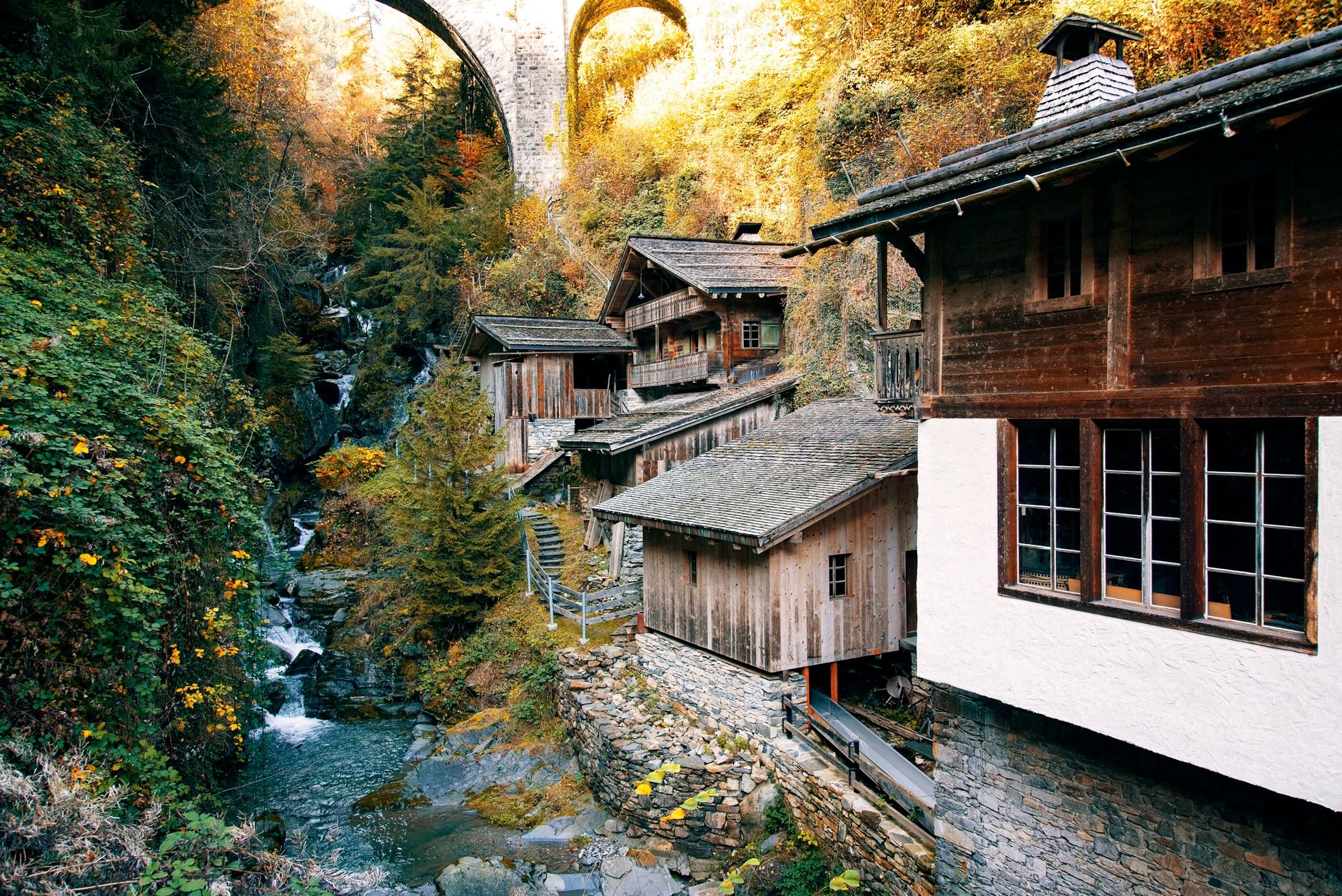
Europe is often described as a traveler’s dream, filled with iconic destinations like Paris, Rome, and London. Yet beyond the well‑known landmarks lies a collection of hidden gems that offer a deeper, more intimate glimpse into the continent’s culture, history, and natural beauty. These are places where you can walk cobblestone streets without crowds, dine with locals, and feel the authentic rhythm of European life.
In this guide, we uncover some of Europe’s most enchanting lesser‑known destinations. Each section introduces a unique place that deserves a spot on your travel list, complete with practical tips, insights into what makes it special, and how to experience its charm like a local.
Hallstatt, Austria – The Fairytale Lakeside Village
Tucked between the glassy waters of Hallstätter See and the slopes of the Dachstein Alps, Hallstatt feels like a scene pulled straight from a storybook. Despite seeing a rise in popularity, this small Austrian village still retains its idyllic charm, especially if you plan your visit thoughtfully.
Why go:
Hallstatt’s postcard-perfect setting makes it one of Europe’s hidden treasures, but it offers much more than just good looks. Visitors can explore ancient salt mines, which are among the oldest in the world, and enjoy panoramic views from the Hallstatt Skywalk high above the village.
Practical tips:
- Visit early in the morning to enjoy the quiet before day-trippers arrive.
- Stay overnight to experience the peaceful evenings when the village glows under soft alpine light.
- Take the ferry across the lake for a stunning view of the town’s colorful houses mirrored in the water.
Local experience:
Walk beyond the main streets to find cozy cafes where residents enjoy homemade pastries and coffee. Hallstatt’s magic lies not only in its spectacular beauty but in the stillness that feels almost timeless.
Colmar, France – The Heart of Alsace
Imagine pastel-painted half-timbered houses reflected in tranquil canals, streets blooming with flowers, and aromas of freshly baked Alsatian tarts. Welcome to Colmar, a fairytale town in northeastern France that feels like it was built for slow strolls and long lunches.
Why go:
Colmar offers a delightful blend of French and German heritage. The architecture reflects centuries of shifting cultural influence, and the food scene merges the best of both cuisines. The Old Town is compact and easy to navigate, making it perfect for travelers who appreciate walkable destinations.
Practical tips:
- Visit the local markets to sample cheeses and wines unique to the Alsace region.
- Explore “Little Venice”, a picturesque neighborhood of canals best appreciated by boat.
- Travel in spring or autumn when the weather is mild and the crowds smaller.
Local insight:
The Unterlinden Museum houses masterpieces including works by Renaissance artists, offering a quiet and inspiring escape from the streets outside. For wine enthusiasts, the nearby Alsace Wine Route is a must, offering charming vineyards and tasting rooms.
Kotor, Montenegro – A Hidden Adriatic Gem
Kotor sits on one of Europe’s most beautiful bays, a stunning mix of medieval wall, sapphire waters, and rugged mountains. Unlike Dubrovnik, its more famous neighbor, Kotor maintains a raw authenticity that invites exploration at your own pace.
Why go:
This UNESCO World Heritage site is a masterpiece of medieval architecture, with narrow lanes, hidden squares, and centuries-old churches. The surrounding Bay of Kotor rivals the fjords of Norway in grandeur.
Practical tips:
- Climb the fortress walls to St. John’s Hill for unbeatable views over the bay.
- Base yourself inside the Old Town to experience its charm at night once cruise ships depart.
- Combine your visit with a short drive to the mountain village of Njeguši, known for its smoked ham and cheese.
Local experience:
Spend a morning strolling through the farmers market for local olive oil, honey, and produce. Later in the day, hire a kayak and explore the bay from the water to fully appreciate its serene beauty.
Český Krumlov, Czech Republic – A Bohemian Treasure
Wrapped in a picturesque curve of the Vltava River, Český Krumlov is a Czech town that feels frozen in time. Its pastel facades, castle perched on a hill, and artistic character make it one of Central Europe’s most captivating small towns.
Why go:
Český Krumlov perfectly blends culture, art, and history. Its majestic 13th-century castle complex rivals those of larger European capitals. The town also has a thriving creative scene, with galleries, craft shops, and summer festivals that bring the cobblestones to life.
Practical tips:
- Visit the castle tower for panoramic views of red rooftops and the river winding below.
- Canoe or raft down the Vltava River for a unique perspective of the town’s skyline.
- Spend a night to enjoy the vibrant dining scene away from day visitors.
Local experience:
Order local Czech dishes like svíčková or goulash at a riverside restaurant, paired with a cold Pilsner Urquell. The evenings here are especially magical, with the castle illuminated and live music echoing through the narrow streets.
The Lofoten Islands, Norway – Arctic Beauty Unveiled
Far above the Arctic Circle, the Lofoten Islands combine dramatic landscapes with an untouched sense of wonder. Jagged peaks rise from emerald bays, tiny fishing cabins dot the shores, and the light shifts in colors you will not find anywhere else.
Why go:
Lofoten is a paradise for nature lovers, photographers, and anyone seeking solitude amid extraordinary scenery. In summer, you can experience the midnight sun, while winter offers a spectacular chance to witness the Northern Lights.
Practical tips:
- Rent a car for complete freedom to explore secluded beaches and small fishing villages.
- Try a stay in a traditional “rorbu,” the bright red wooden cabins built for fishermen.
- Plan outdoor activities such as hiking, kayaking, and cycling during the extended daylight of summer months.
Local insight:
Sample freshly caught Arctic cod, known locally as skrei, and visit small galleries showcasing art inspired by the islands’ raw beauty. The sense of isolation here is deeply restorative, offering travelers a rare escape from modern noise.
Sintra, Portugal – Palaces and Forests Beyond Lisbon
Just a short train ride from Lisbon, Sintra feels like a world apart. Rising above lush forest, this romantic town is scattered with colorful palaces, ivy clad ruins, and fog kissed paths that seem charged with mystery.
Why go:
Sintra was once the playground of Portuguese royalty, and its architecture reflects centuries of wealth and imagination. From the fairytale Pena Palace to the enigmatic Quinta da Regaleira, every corner offers a new story to discover.
Practical tips:
- Visit early to avoid lines at major attractions like the Pena Palace.
- Wear comfortable shoes as the terrain is hilly and perfect for walking explorations.
- Allow time for the Moorish Castle, which offers sweeping views across the region.
Local experience:
Try a fresh travesseiro, a buttery almond pastry that pairs perfectly with strong Portuguese coffee. End your day watching the Atlantic sunset from Cabo da Roca, the westernmost point of mainland Europe.
Conclusion
Europe’s greatest treasures are not always the ones that appear on postcards. The continent’s hidden gems reveal something deeper and more personal about its culture and landscape. From alpine lakes to medieval towns and Arctic shores, these destinations remind us that adventure still thrives off the beaten path.
Whether you are a first‑time visitor or a seasoned explorer, discovering these lesser‑known places unlocks a richer understanding of Europe’s soul. Each spot has its own rhythm, flavor, and sense of wonder waiting to be explored. So as you plan your next trip, leave space for the unexpected and follow curiosity wherever it leads.
Further Reading
3 Day Istanbul Itinerary for First Time Visitors
Travel to Somalia; How I Traveled to Mogadishu
Free Family Things to do in Chicago Today
How to Spend Four Days in Hong Kong