Introduction
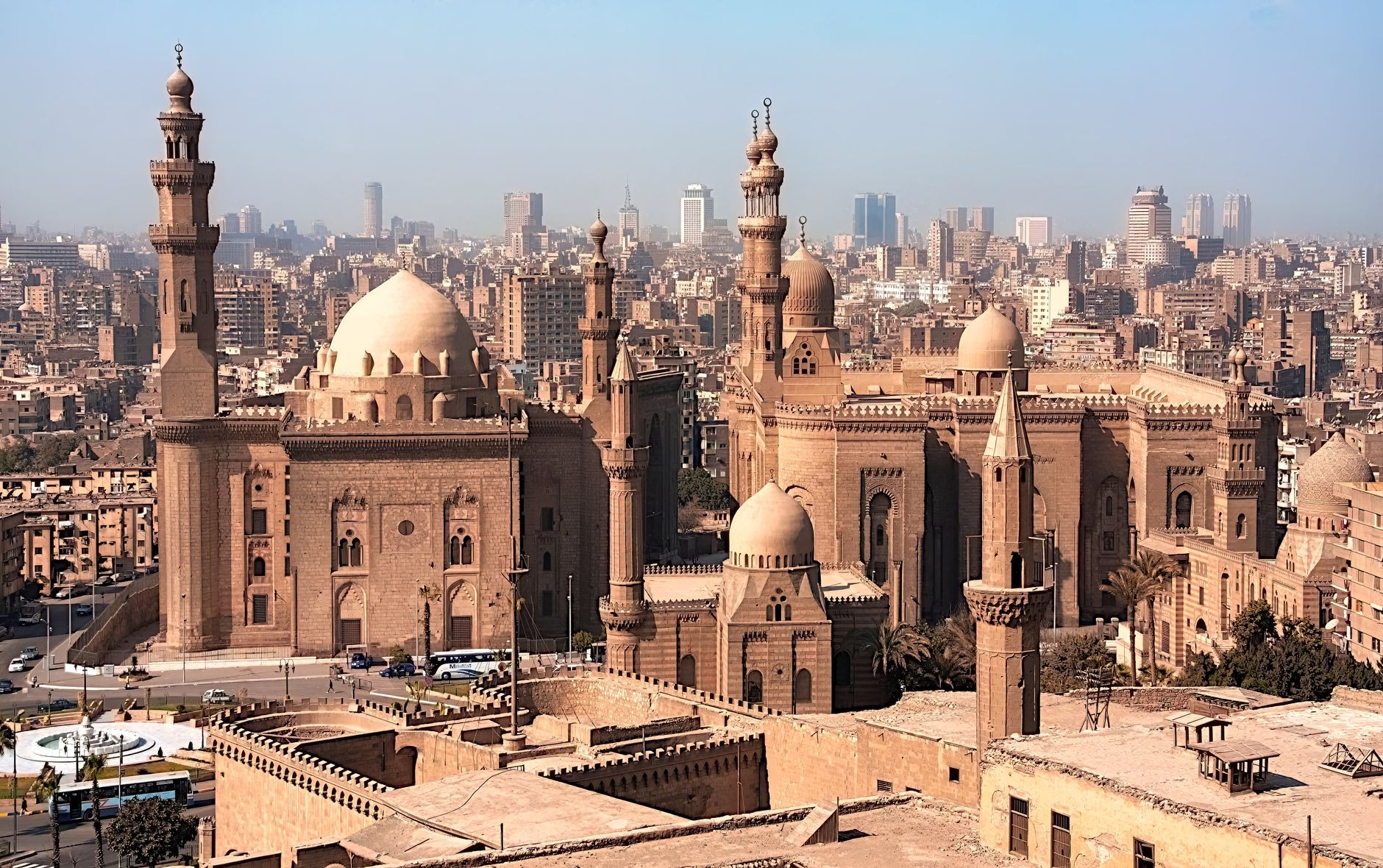
Few travel experiences in the world can rival the romance, history, and natural beauty of a Nile River cruise in Egypt. The Nile is not only the longest river in the world but also the lifeblood of ancient Egyptian civilization. To journey along its banks is to travel through thousands of years of human heritage, magnificent temples, and timeless desert scenery.
If you have ever dreamt of unraveling the mysteries of the pharaohs while floating past palm fringed villages and monumental relics, a Nile cruise is one of the most rewarding ways to do it. This detailed guide will take you through everything you need to know to plan the perfect trip, including the best time to go, what routes to choose, what sights to expect, what to pack, and how to make the most of your cultural experience. By the end, you will have a clear sense of what awaits you on this legendary journey and how to experience it in a deeply meaningful way.
Understanding the Nile River Cruise Experience
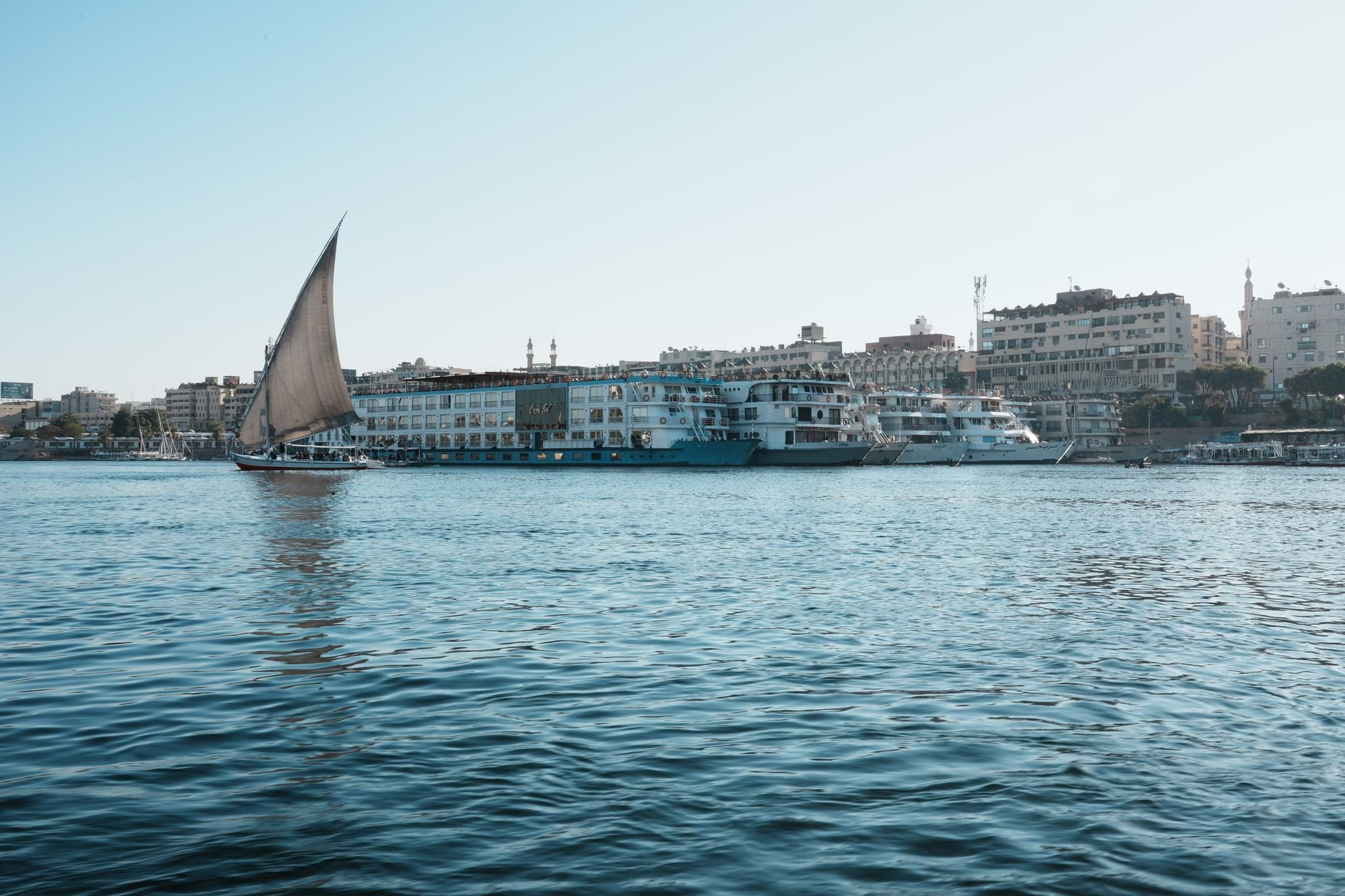
A Nile cruise is both a means of transport and a floating hotel experience. It combines the efficiency of visiting major sites between Luxor and Aswan with the comfort of relaxing in scenic surroundings. Cruises typically range from three to seven nights, depending on whether you travel one way or round trip.
Most travelers choose the stretch between Luxor and Aswan because it offers the most concentrated collection of ancient monuments. Expect a blend of guided excursions, onboard dining, cultural events, and tranquil moments watching the river landscape glide by. The atmosphere is serene, occasionally punctuated by the sound of call to prayer echoing across the water or the sight of farmers tending their crops exactly as their ancestors did thousands of years ago.
Planning Your Itinerary
The heart of every Nile cruise lies in the route between Luxor and Aswan, which connects Egypt’s most celebrated archaeological treasures. Below is a breakdown of what to expect along the way to help you structure your itinerary:
Luxor:
Start your cruise in Luxor, often called the world’s greatest open air museum. The grand temples of Karnak and Luxor on the East Bank showcase ancient Egypt’s architectural mastery. Spend time on the West Bank exploring the Valley of the Kings, where the tombs of powerful pharaohs, including Tutankhamun, lie deep within the cliffs.
Edfu:
Further south, the Temple of Horus at Edfu is one of the best preserved temples in Egypt. Dedicated to the falcon god Horus, it offers extraordinary insights into religious life under the Ptolemies and is rich with hieroglyphics and symbolic carvings.
Kom Ombo:
The Kom Ombo Temple is unique because it is dedicated to two gods at once, Sobek and Horus the Elder. As you stand between the twin sanctuaries, you can sense how the Egyptians fused spirituality with cosmic balance.
Aswan:
Your final destination often feels more peaceful than Luxor. Here you can visit the Temple of Philae, once saved from the rising waters of the Aswan High Dam and carefully relocated to Agilkia Island. The relaxed pace of life, views over the Nile’s elegant granite boulders, and possibility of sailing on a traditional felucca make Aswan a perfect conclusion to your journey.
If time allows, plan an extra day trip to Abu Simbel, the monumental temples of Ramses II carved directly into a mountainside. Most cruises can arrange this excursion either by road or short flight.
Choosing the Right Cruise Type
Nile cruises come in several styles, allowing travelers to match the experience to their interests, budget, and comfort level.
Standard River Cruises
These are the most common style of vessel, offering comfortable cabins with private bathrooms, air conditioning, open decks, and full board dining. They cater to a wide range of travelers who want convenience and value along with a guided cultural experience.
Luxury Cruises
Luxury vessels feature refined suites, higher staff to guest ratios, gourmet dining, onboard spas, and entertainment. They appeal to those seeking elegance and comfort after a day of temple visits under the desert sun. Many luxury operators include Egyptologist guides who provide in depth commentary on each site.
Dahabiya Cruises
For travelers who crave an intimate and quieter experience, a dahabiya is ideal. These traditional, sail powered boats carry fewer passengers and stop at smaller villages and lesser known sites that larger ships cannot reach. Although slower, the relaxed pace allows for personal connections with local people and a genuine sense of tranquility.
Felucca Adventures
A felucca is a small traditional sailing boat without modern amenities. These multi day trips are simple and communal, more like an adventure than a cruise. You will sleep on deck under the stars and rely on the crew for meals cooked on board. Feluccas offer a pure, back to basics way of experiencing the Nile but are suited only to travelers comfortable with rustic conditions.
Best Time to Take a Nile Cruise
Weather plays a decisive role in how comfortable your cruise will be.
Peak Season (October to April):
This is the most pleasant period to travel, with warm days and cooler evenings ideal for temple visits. The months of December and January are particularly popular, so early booking is recommended.
Shoulder Seasons (May and September):
Temperatures rise, but crowds thin out, making these good choices if you prefer quieter sites and lower prices.
Summer (June to August):
Expect extreme heat, especially in Upper Egypt, but this is when cruise deals are most generous. Travelers who can tolerate high temperatures will find excellent value.
Always bring lightweight breathable clothing, a sun hat, and plenty of sunscreen. Comfortable walking shoes are essential since temple tours involve uneven terrain.
Cultural Etiquette and Practical Tips
Understanding local norms enriches your trip and shows respect for Egyptian culture.
- Dress modestly when visiting temples or traveling through rural areas. For women, covering shoulders and knees is advisable.
- Tipping is customary in Egypt. Most cruise ships have a system for pooled tips, but budget for additional small gratuities for local guides or drivers.
- Drinking bottled water is essential as tap water is not recommended.
- Always carry small change for local purchases and restroom stops during excursions.
- Spend time interacting with your Egyptian crew, guides, and vendors. Their stories will add warmth and depth to your journey.
What Makes the Nile Cruise Unforgettable
What truly defines a Nile cruise is not only the grandeur of the temples but also the feeling of drifting through living history. Watching fishermen cast their nets at dawn, or children waving from small villages along the banks, reminds you that the Nile remains as vital to modern Egypt as it was to the ancients. Evening sunsets turn the river gold, and every day feels like a connection between past and present.
The slow rhythm of the cruise allows time for reflection, and the small rituals of daily life on board create memories that linger long after you return home. Whether your cruise lasts three nights or a full week, you will leave with a profound appreciation for Egypt’s enduring spirit and the timeless beauty of the Nile.
Conclusion
A Nile River cruise is more than a sightseeing holiday; it is an immersive passage through the ancient heart of human civilization. It offers travelers a beautifully balanced experience of history, serenity, and cultural discovery. From the majesty of Karnak to the calm waters near Aswan, each moment reveals another layer of Egypt’s story.
With thoughtful planning and curiosity, your cruise will not only show you where the pharaohs once walked but also invite you to reflect on the river that sustained them. As the sun sets behind the desert hills and you watch the river glide quietly south, you will understand why the Nile continues to inspire travelers from every corner of the world.
Further Reading
3 Day Istanbul Itinerary for First Time Visitors
Travel to Somalia; How I Traveled to Mogadishu