Introduction
Egypt holds a timeless allure that draws travelers from every corner of the globe. From the grand monuments of ancient pharaohs to the warm hospitality of modern cities, it is a destination where history and culture pulse through every sunrise over the Nile. Yet, with its wide desert landscapes, Mediterranean coast, and bustling cities, the experience you have depends greatly on when you visit. Choosing the right time to go can mean the difference between exploring comfortably under golden light or battling intense desert heat.
This guide will help you navigate Egypt’s seasons in detail—month by month—so you can plan your journey with confidence. You will discover the best times for sightseeing, Nile cruising, Red Sea diving, and cultural festivals. Whether you want to stand in awe before the Pyramids without the crowds, or relax on quiet beaches along the Red Sea, by the end of this article, you will know exactly when to visit Egypt for the experience that suits you best.
Understanding Egypt’s Climate
Egypt’s climate is shaped by its desert geography, with extremely hot summers and mild winters. While the northern coast around Alexandria enjoys Mediterranean breezes, most of the country follows the rhythm of intense summer heat and gentle winter warmth.
- Winter (December to February): Days are pleasantly warm while nights can be cool enough for a light jacket. This is the peak time for cultural travel when most visitors explore Cairo, Luxor, and Aswan comfortably.
- Spring (March to May): Temperatures begin to rise, and although the weather is still good for travel, it can be windy due to the seasonal Khamsin wind that blows hot, dry air from the desert.
- Summer (June to August): The heat is fierce, particularly in Upper Egypt where temperatures can exceed forty degrees Celsius. However, this is the best time for budget travelers as hotel prices drop considerably.
- Autumn (September to November): Conditions begin to cool, creating a beautiful balance of warmth and comfort. The Nile region and Red Sea resorts are particularly enjoyable during this time.
Understanding these seasonal shifts is essential before diving into the specific regions and activities, since Egypt offers dramatically different experiences from the north to the south.
The Best Time for Sightseeing and Cultural Exploration
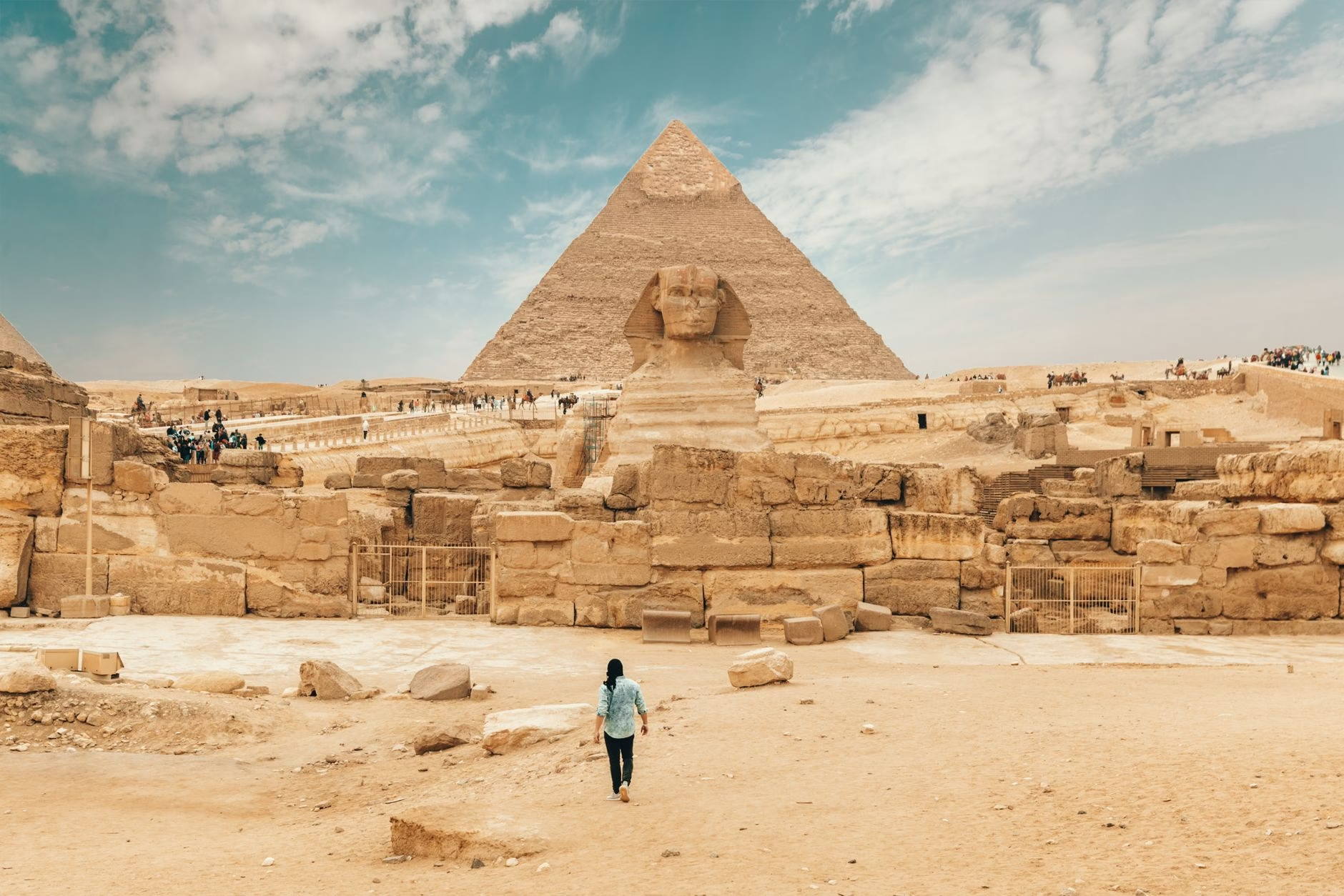
If your primary goal is to explore the temples, monuments, and museums that form the heart of Egypt’s history, winter is undoubtedly the best season. From late November to early March, you can walk through open-air complexes like Karnak Temple or the Valley of the Kings without the oppressive heat that characterizes other months.
- Cairo and Giza: The mild temperatures in winter make it ideal to climb the Giza Plateau and admire the pyramids under clear skies. The Egyptian Museum in Cairo is also more enjoyable when the city’s bustling streets are cool and vibrant rather than sweltering.
- Luxor and Aswan: These southern cities showcase some of the country’s finest historical sites, yet their desert location means visiting in summer can be exhausting. In winter, however, daytime temperatures around twenty-five degrees make exploring temples and tombs delightful.
- Abu Simbel: The great temple of Ramses II, located near the Sudanese border, is magnificent year-round but especially comfortable from November to February. Those visiting in February and October can also witness the famous Sun Festival, when dawn sunlight illuminates the temple’s inner sanctum.
Winter is also the social high season, when festivals, cultural events, and Nile cruises are in full motion. Prices are higher, but the comfort and atmosphere are unmatched.
The Best Time for a Nile Cruise
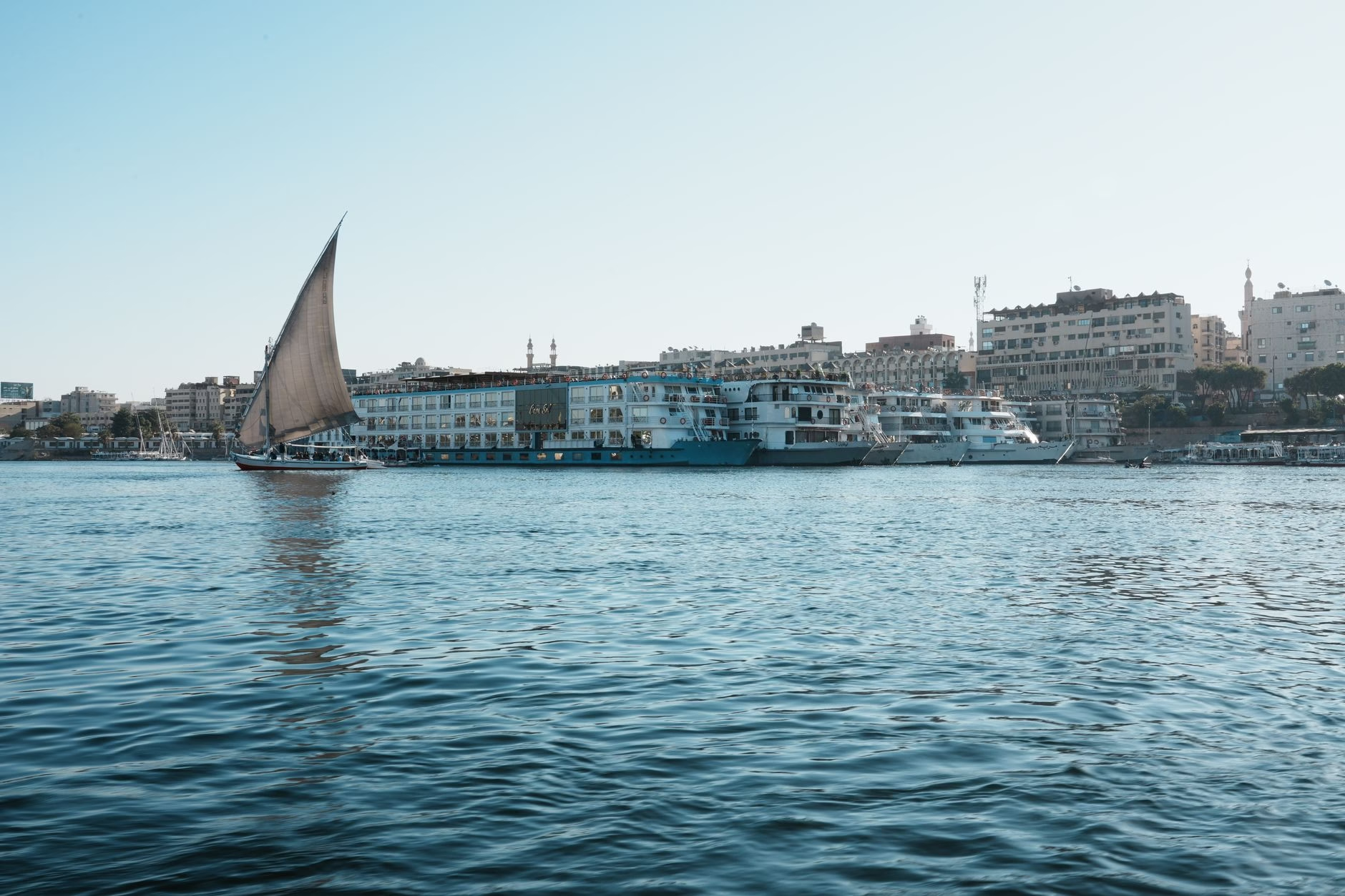
Cruising the Nile is one of Egypt’s most iconic experiences. The river winds gently between Luxor and Aswan, passing green riverbanks, golden deserts, and ancient relics that line its shores.
The ideal period for a Nile cruise is between October and April. During these months, temperatures are moderate enough to allow comfortable deckside relaxation and enjoyable onshore excursions.
- October and November: The early season offers warm but bearable temperatures, making this an excellent time for travelers looking to avoid the larger crowds of winter.
- December to February: This is high season for cruise travel. Book well in advance if you want the best cabins and departure times.
- March and April: The final months before summer heat arrives. The landscapes remain lush from the mild winter, and the light brings a special radiance to temples rising from the riverbanks.
Many cruises include cultural performances, traditional dining, and expert-led tours. The pleasant weather enhances these moments, ensuring you experience the historic rhythm of the Nile at its finest.
The Best Time for Red Sea Resorts and Beach Escapes
For travelers drawn to sun, sea, and coral reefs, Egypt’s Red Sea coast is a year-round destination, yet seasonal variations can greatly enhance your experience.
- October to April: This is the best period for diving and snorkeling. The water temperature remains warm, visibility is superb, and the air is comfortable. Destinations such as Hurghada, Marsa Alam, and Sharm El Sheikh thrive during these months with calm seas and vibrant marine life.
- May to September: Although hotter, the summer months attract sun seekers who want vivid underwater experiences and long, lazy beach days. Early morning or late afternoon dives are recommended to avoid midday heat.
The Red Sea resorts are well-equipped with air-conditioned hotels, shaded pools, and beach clubs, so even in summer, a well-planned schedule allows plenty of comfort. If you enjoy nightlife and lively atmospheres, plan your visit in spring or autumn when tourist activity is high but not overcrowded.
Festivals and Cultural Events to Consider
Egypt’s calendar is filled with fascinating festivities that add depth to your visit. Timing your trip around a local celebration can offer authentic insights into Egyptian culture and community spirit.
- Abu Simbel Sun Festival (February and October): Twice each year, the rising sun illuminates the innermost statues of Ramses II’s temple. It is one of the most striking astronomical alignments in ancient architecture.
- Ramadan (Varies annually): Experiencing Egypt during Ramadan can be special, though travelers should note that daily life slows slightly. After sunset, the streets come alive with lights, family gatherings, and local delicacies.
- Coptic Christmas (January 7): Observed by Egypt’s Christian community, this celebration fills churches with beautiful rituals and offers travelers a glimpse of Egypt’s diverse spiritual traditions.
- Eid al Fitr (Following Ramadan): Marking the end of fasting, this festival is a joyful explosion of color, sweets, and social events across the country.
Aligning your trip with one of these cultural highlights adds a memorable layer to your exploration beyond monuments and museums.
Tips for Planning Your Visit
Selecting your travel dates is only the beginning. To make the most of your trip, consider these practical insights:
- Book early for winter travel. Hotels, cruises, and tours sell out quickly between December and February. Advance booking ensures better rates and options.
- Prepare for temperature shifts. Even in warmer months, desert nights can be surprisingly cool. Pack light layers for comfort.
- Stay hydrated and use sun protection. The Egyptian sun is strong year-round. A reusable water bottle, hat, and sunscreen are essential.
- Factor in local holidays. During certain festivals, government offices and museums may operate on shorter hours, while other attractions may be lively and more crowded.
- Explore beyond the classics. Once you have seen Cairo and Luxor, venture to lesser-known sites like Siwa Oasis, Fayoum, or the White Desert. Timing your visit with mild weather will make these adventures more enjoyable.
Conclusion
The best time to visit Egypt depends on the experience you desire. For comfortable sightseeing across the ancient cities, winter from November to March is perfect. For Red Sea adventures or tranquil Nile cruises, spring and autumn offer balance and beauty. Even summer has its appeal for budget travelers and those seeking quieter attractions.
Whatever season you choose, Egypt invites you to step into living history surrounded by unparalleled natural and cultural splendor. Plan thoughtfully, travel respectfully, and you will find that Egypt’s magic reveals itself in every moment, from sunrise over the pyramids to sunset on the Nile.
Further Reading
3 Day Istanbul Itinerary for First Time Visitors
Travel to Somalia; How I Traveled to Mogadishu
Free Family Things to do in Chicago Today
How to Spend Four Days in Hong Kong