Top Historical Sites in Egypt
Introduction
Few destinations on earth can rival the sense of awe and wonder that Egypt awakens. The treasures of this ancient land continue to capture the imagination of travelers, archaeologists, and historians alike. From the timeless pyramids that rise from the sands of Giza to the glittering temples that line the banks of the Nile, every corner of Egypt whispers stories of pharaohs, gods, and civilizations that shaped human history.
This guide will take you on a journey through the most remarkable historical sites in Egypt, offering not only background on their significance but also practical insights to help you plan your visits effectively. Whether you are fascinated by archaeological marvels, spiritual heritage, or the living history of Egyptian cities, this article will help you discover the depth and richness that make Egypt truly extraordinary.
The Pyramids of Giza and the Great Sphinx
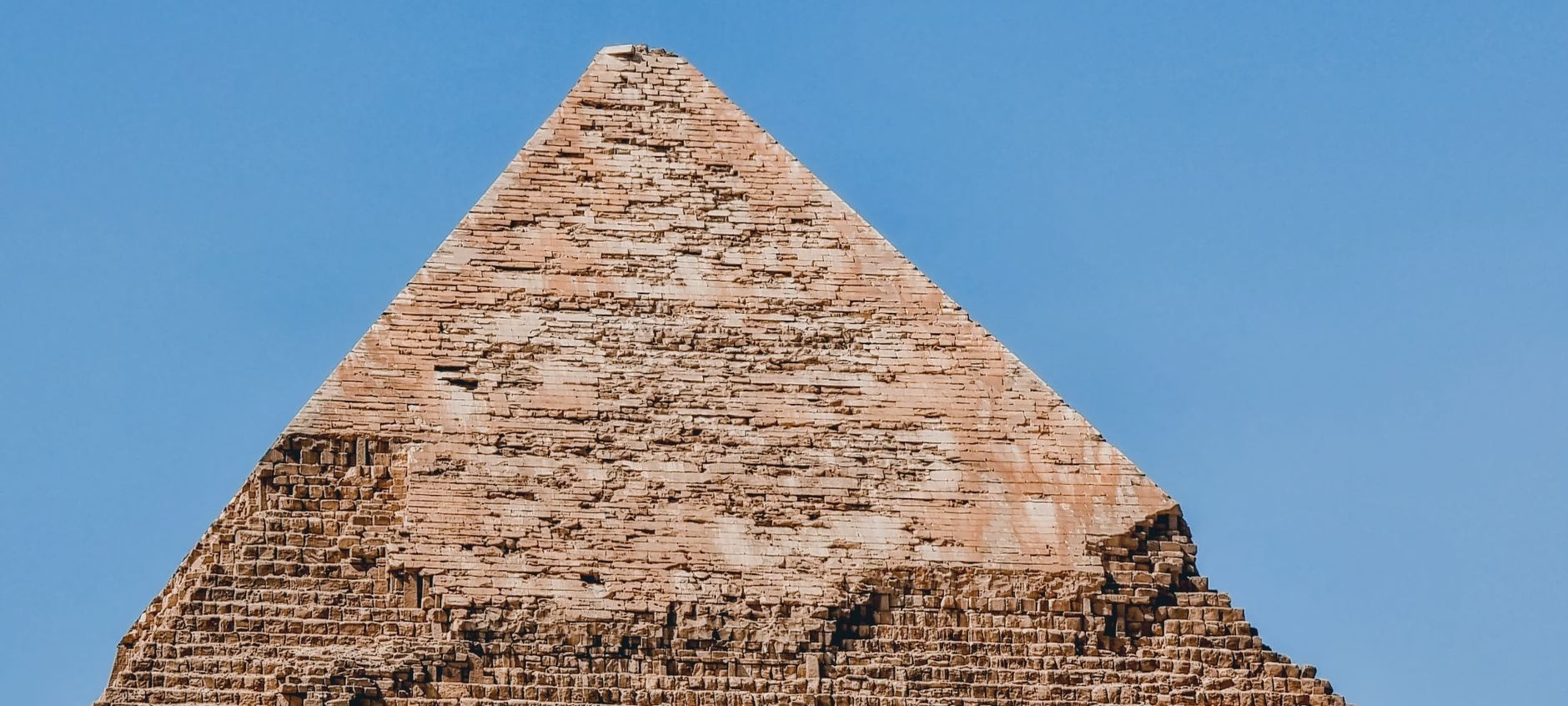
The Pyramids of Giza are the defining icons of Egypt and among the most recognizable landmarks in the world. These towering structures, built more than 4,000 years ago, still leave visitors astonished with their scale, precision, and mystery.
The complex includes three main pyramids built for Pharaohs Khufu, Khafre, and Menkaure. The Great Pyramid of Khufu, once covered in gleaming limestone casing, remains one of the Seven Wonders of the Ancient World still largely intact. Standing nearby is the Great Sphinx, an immense limestone statue that guards the plateau with a gaze lost in time.
Travel Tips:
- Visit early in the morning or late in the afternoon to avoid the heat and the largest crowds.
- Consider hiring an Egyptologist guide to fully understand the symbolism and construction techniques behind these monuments.
- A camel or horse ride across the plateau can offer dramatic panoramic views, particularly at sunset.
- The nearby Solar Boat Museum, which houses a reconstructed ancient vessel buried beside the pyramid, is well worth your time.
Saqqara and Memphis: Birthplaces of Ancient Power
Just a short drive south of Giza lies Saqqara, home to Egypt’s first pyramid and the earliest monumental stone building in history: the Step Pyramid of Djoser. Designed by the architect Imhotep around 2630 BC, this complex changed architecture forever by introducing the concept of a monumental royal tomb built from stone rather than mudbrick.
The surrounding necropolis extends over many kilometers and includes impressive tombs belonging to nobles, high officials, and lesser royals. The wall carvings and paintings found in these tombs offer vivid depictions of ancient Egyptian daily life: agriculture, music, hunting, and feasting come alive in finely detailed scenes.
Nearby Memphis, once the capital of ancient Egypt, contains open-air exhibits such as colossal statues of Ramses II and the Alabaster Sphinx. Though much of the ancient city lies buried, its significance as the political and cultural heart of early dynastic Egypt cannot be overstated.
Recommendation:
Combine your visit to Saqqara and Memphis on a single day trip from Cairo to make the most of your time and enjoy a deeper understanding of Egypt’s earliest royal heritage.
Luxor: The World’s Greatest Open-Air Museum
Luxor, built on the grounds of ancient Thebes, offers one of the richest concentrations of archaeological treasures anywhere in the world. The east and west banks of the Nile each hold sites that chronicle the power and artistry of the New Kingdom period.
The East Bank
Home to the magnificent Karnak Temple Complex and the smaller yet equally beautiful Luxor Temple, this area once formed the ceremonial heart of Thebes. Karnak, dedicated primarily to the god Amun, features towering columns, colossal statues, and walls blanketed with hieroglyphic inscriptions. Exploring it feels like walking through a grand open-air library of stone. Luxor Temple, beautifully illuminated at night, stands in the heart of the modern city and is perfect for an evening visit.
The West Bank
This was the land of the dead, where the ancient Egyptians buried their kings and nobles. Here lies the Valley of the Kings, a series of tombs cut deep into desert cliffs. The tomb of Tutankhamun is the best known, but others such as those of Seti I and Ramses VI are even more elaborately decorated. Nearby, the Temple of Hatshepsut honors one of Egypt’s few female pharaohs and stands as a masterpiece of architecture, dramatically set against limestone cliffs.
Traveler Insight:
Plan two full days in Luxor to appreciate both sides of the Nile. Early morning balloon rides over the West Bank offer mesmerizing views you will never forget.
Abu Simbel: A Monument of Grandeur and Rebirth
Few monuments in the world can match the grandeur of Abu Simbel, a massive rock-cut temple complex located near Egypt’s southern border with Sudan. Built by Ramses II to honor himself and the gods, the four colossal seated statues at the entrance are awe-inspiring in both size and beauty.
The interior, decorated with scenes of the pharaoh’s victories and divine associations, reaches deep into the mountain. Yet equally remarkable is the modern rescue operation that saved Abu Simbel from flooding caused by the construction of the Aswan High Dam in the 1960s. Engineers cut the temples into enormous blocks and relocated them to higher ground, preserving them as a testament to human ingenuity.
How to Visit:
- Travel by plane or organized tour from Aswan, or embark on a lake cruise that includes Abu Simbel on its itinerary.
- Arrive in the early morning to see the sunlight casting a golden glow on the statues.
- The biannual Sun Festival in February and October draws visitors worldwide to witness the sunrise illuminating the inner sanctum.
Alexandria: The Legacy of Greco-Roman Egypt
While Cairo and Luxor dominate much of Egypt’s ancient narrative, Alexandria offers a different chapter in the country’s historical story. Founded by Alexander the Great in 331 BC, the city became a vibrant center of Greek and Roman culture in Egypt. Though little remains of its ancient grandeur on the surface, modern Alexandria holds traces that reflect its illustrious past.
Highlights include the Catacombs of Kom El Shoqafa, a fascinating blend of Egyptian, Greek, and Roman artistic styles carved deep underground. The Pompey’s Pillar complex stands nearby, marking the remains of the Serapeum Temple. The modern Bibliotheca Alexandrina, inspired by the ancient Library of Alexandria, continues the city's long tradition of learning and innovation.
Traveler Tip:
Spend a day exploring the city’s history before enjoying a leisurely walk along the Corniche, where you can soak up the Mediterranean atmosphere and sample fresh seafood at local cafés.
The Temples of Philae: The Spiritual Heart of Isis
Nestled on Agilkia Island near Aswan, the Temples of Philae are among the most graceful and atmospheric monuments in Egypt. Dedicated to the goddess Isis, this complex was revered as one of the last active centers of Egyptian religion before the spread of Christianity.
The main temple’s delicate carvings and serene layout reflect centuries of devotion. Like Abu Simbel, Philae was also relocated during the construction of the Aswan High Dam. Visiting the site involves taking a short boat ride, which enhances the sense of tranquility and mystique surrounding the island.
Visitor Guidance:
The best time to visit is early morning when the light is soft and the crowds are minimal. Evening sound-and-light shows add a magical touch, recounting the myths of Isis and Osiris under a starlit sky.
Conclusion
Egypt is not just a destination; it is an open invitation to travel through time. Every monument, from the soaring pyramids to the smallest tomb carving, holds echoes of a civilization that shaped the world’s understanding of art, architecture, and belief. Exploring these historical sites is a journey of discovery that connects travelers to the very roots of human history.
Whether you come for the mystery of the pharaohs, the beauty of the temples, or the allure of the Nile, Egypt’s heritage will stay with you long after you return home. Pack your curiosity, respect the ancient sites, and let the sands of time guide your adventure through this land of timeless wonder.
Further Reading
3 Day Istanbul Itinerary for First Time Visitors
Travel to Somalia; How I Traveled to Mogadishu
Free Family Things to do in Chicago Today
How to Spend Four Days in Hong Kong