Introduction
There are few places on earth where the past and present blend as seamlessly as in Marrakech. Set against the backdrop of the Atlas Mountains, this Moroccan gem captivates travelers with its vibrant colors, timeworn traditions, and intoxicating energy. Known as the “Red City” for the reddish hue of its walls and buildings, Marrakech offers sensory overload at every turn: the spice-scented air of bustling souks, the rhythmic calls from minarets, the tactile feel of fine leather goods, and the dazzling artistry of Moroccan design.
In this guide, we will explore the most unforgettable things to do in Marrakech. From wandering the chaotic lanes of the medina to relaxing in ornate riads, discovering art, architecture, cuisine, and culture, you will find practical advice and meaningful insights for experiencing Marrakech beyond the surface. Whether this is your first visit or a return trip, these recommendations will help you savor the spirit of one of North Africa’s most charismatic cities.
Explore the Ancient Medina
A trip to Marrakech begins with its heart: the medina. This labyrinthine old quarter, a UNESCO World Heritage Site, has stood for nearly a thousand years. Its narrow, winding streets are crowded with vendors, artisans, and locals going about their daily lives. You could easily spend hours here, but part of the charm lies in allowing yourself to get a little lost.
What to see and do in the medina:
- Shop in the souks: The souks of Marrakech are an endless maze of stalls selling everything from delicate lanterns and handwoven rugs to spices and ceramics. Each area specializes in something different. Souk Semmarine is known for its mix of leather bags and slippers, while Souk El Attarine glimmers with perfumes and essential oils. Negotiating prices is expected and part of the fun, so approach it with patience and humor.
- Visit artisan workshops: Many artisans still make their crafts by hand using traditional methods passed down for generations. Don’t hesitate to step inside a workshop to ask questions or watch a demonstration.
- Take a guided walking tour: The medina can be overwhelming for first-timers. Hiring a local guide helps you navigate the maze-like alleys with context, ensuring you learn the history behind what you see rather than simply wandering.
Experience the Magic of Jemaa el-Fnaa
At the heart of the medina lies Jemaa el-Fnaa, a vast main square and one of Marrakech’s most iconic landmarks. This lively gathering place transforms throughout the day. Mornings bring fresh juice vendors and snake charmers, afternoons fill with fortune tellers, acrobats, and hawkers, while evenings turn the square into a vibrant open-air food market.
Visiting Jemaa el-Fnaa at night is a must. The square’s atmosphere becomes electric with the scent of sizzling meats, live traditional music, and glowing lanterns hovering above the crowds. Try the local specialties such as grilled lamb skewers, harira soup, and freshly baked flatbread. For an elevated perspective, enjoy mint tea from one of the terraces surrounding the square while observing the spectacle unfold below.
Step Inside Marrakech’s Architectural Masterpieces
Marrakech’s architecture tells stories of its dynastic history, each dynasty leaving its own artistic imprint. The city abounds with examples of Islamic architecture, carved cedar wood, intricate tile work, and ornamental stucco.
Key sights you should not miss:
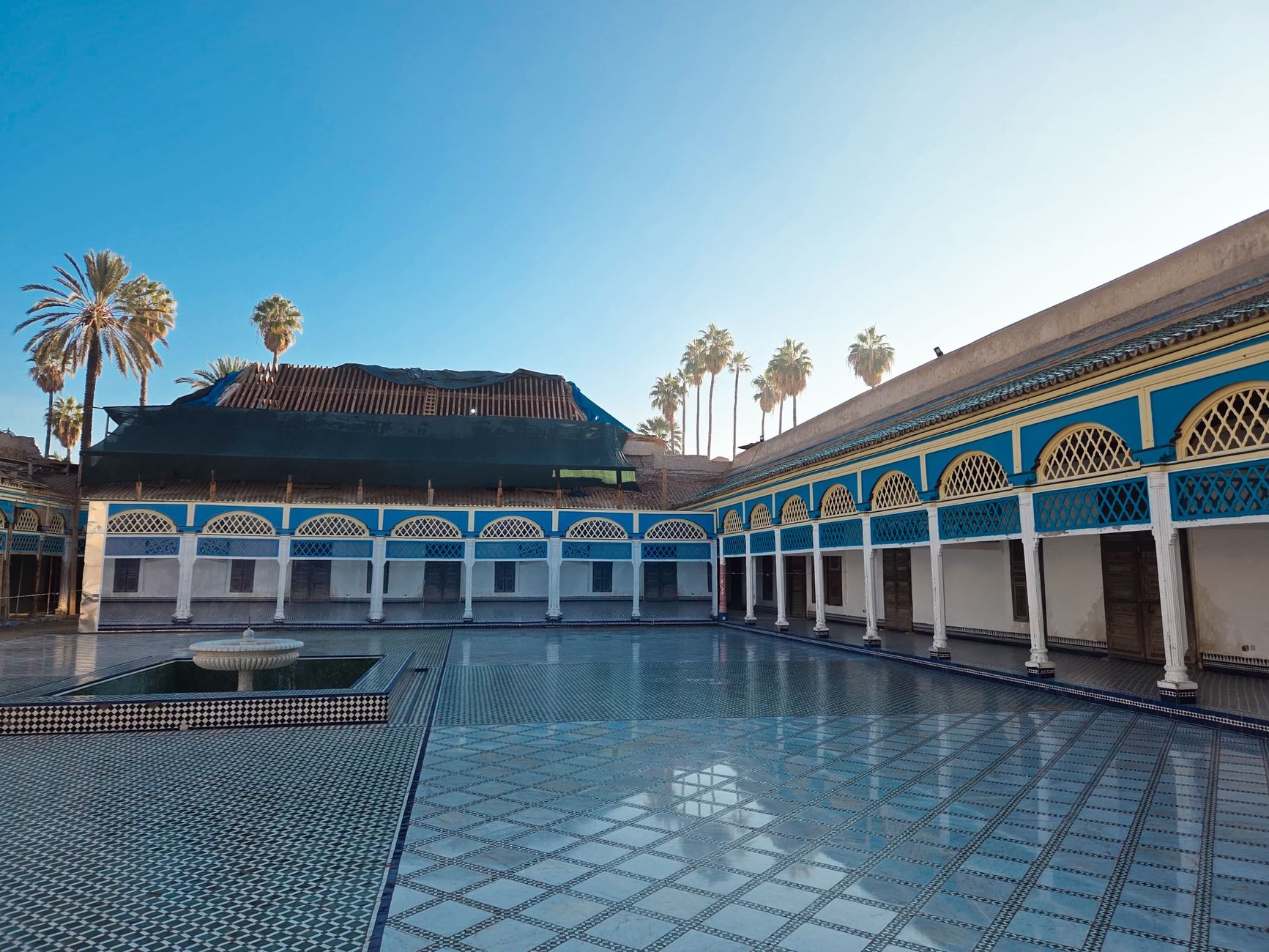
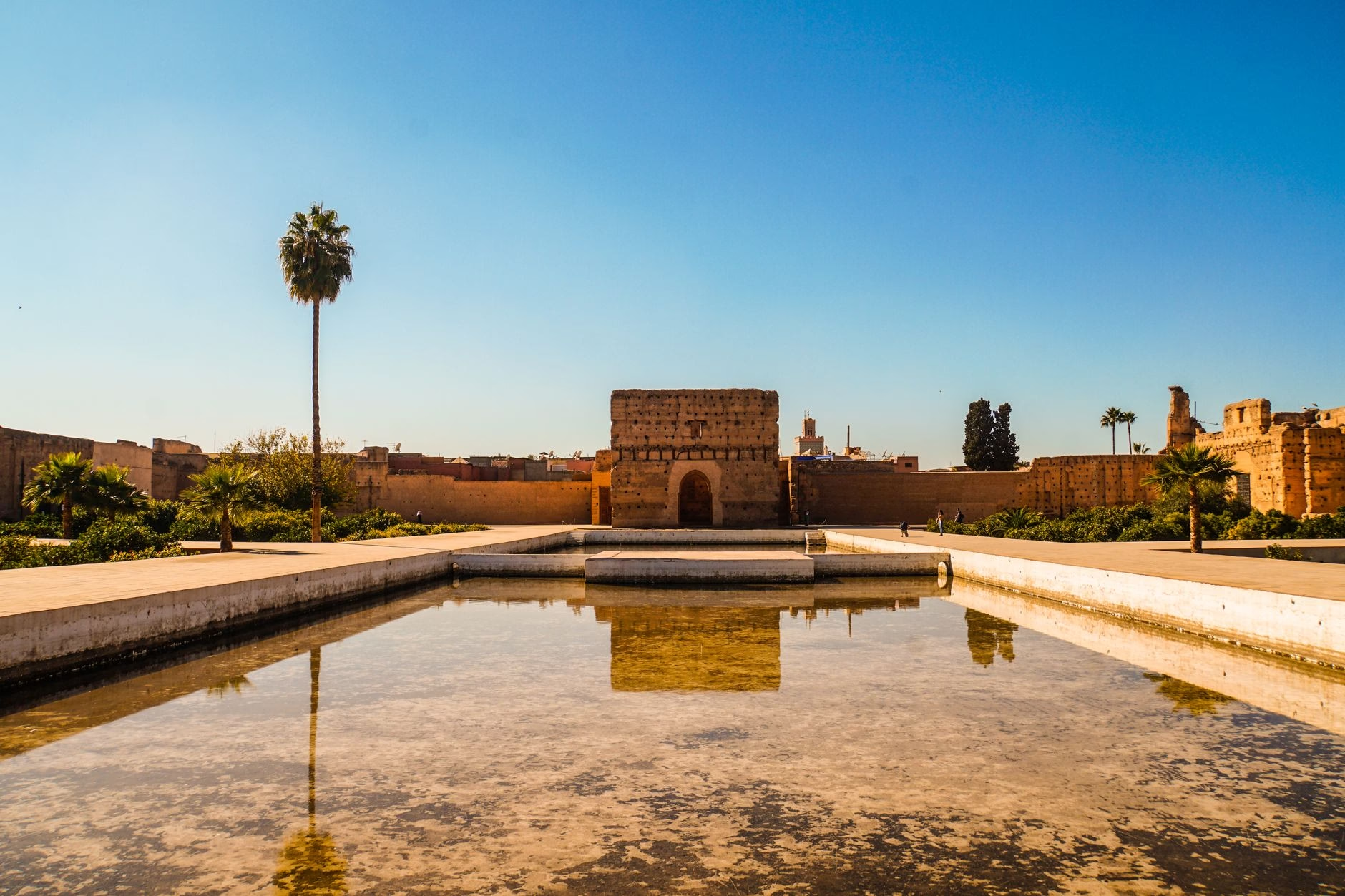
- Bahia Palace: A masterpiece of Moroccan architecture built in the late 19th century, this stunning palace offers a glimpse into royal life. Its mosaic courtyards, intricate carvings, and serene gardens reflect the opulence of a bygone era.
- Ben Youssef Madrasa: Once a center of learning, the madrasa is among the city’s most beautiful historic sites. The courtyard’s symmetrical design, zellige tile patterns, and verses etched into marble walls make it a photographer’s dream.
- Koutoubia Mosque: The city’s tallest landmark, its minaret towers over Marrakech and is visible from miles away. While non-Muslims cannot enter the prayer hall, the surroundings are perfect for appreciating its architectural harmony, especially at sunset.
These landmarks not only impress visually but also help visitors understand Morocco’s cultural synthesis, where Arab, Berber, and Andalusian traditions coexist in artistic unity.
Unwind in a Traditional Hammam
After a long day of exploration, indulge in relaxation the Moroccan way with a hammam experience. A hammam is far more than a bath; it is a centuries-old cleansing ritual that combines steam, exfoliation, and massage.
Traditional neighborhood hammams offer a local experience, but for most travelers, the best option is one of the city’s elegant spas that reinterpret the ritual in luxurious settings. Expect a steam treatment, a cleansing with black olive soap, exfoliation using a kessa mitt, and a body massage with argan oil. The process is both physically rejuvenating and culturally immersive, connecting visitors with one of the essential aspects of Moroccan wellness.
Wander the Majorelle Garden and Yves Saint Laurent Museum
In the middle of the city’s energy lies an oasis of calm and beauty. The Majorelle Garden, designed by French artist Jacques Majorelle in the 1920s and restored later by fashion designer Yves Saint Laurent, is one of Marrakech’s most beloved sites. The cobalt blue buildings contrast vividly with the lush greenery, bamboo groves, and exotic plants collected from around the world.
After exploring the gardens, visit the Yves Saint Laurent Museum next door. It houses the designer’s archives, sketches, and clothing, offering insight into his creative process and his deep connection with Moroccan artistic traditions. Visiting both sites together creates a balanced afternoon between art, nature, and design.
Savor the Flavors of Moroccan Cuisine
Moroccan cuisine is reason enough to visit Marrakech. Meals are slow, fragrant, and layered with spice and tradition. Beyond the well-known tagine and couscous, you’ll find a wealth of street food and fine dining that bridges the traditional and the contemporary.
What to try:
- Tagine: A slow-cooked dish prepared in a conical clay pot, blending meat or vegetables with preserved lemons, olives, or dried fruit.
- Pastilla: A savory-sweet pastry filled with pigeon or chicken, almonds, and cinnamon, topped with powdered sugar. It’s a true Moroccan delicacy.
- Street food exploration: Visit the night stalls at Jemaa el-Fnaa for grilled meats or Harira soup, and follow locals to small stalls selling msemen (flaky pancakes) or fresh orange juice.
- Cooking classes: To truly connect with Moroccan culture, take a cooking class. Many riads and culinary schools offer half-day sessions where you shop for ingredients at local markets before preparing a traditional meal under expert guidance.
Experience the Riads and Rooftops
Marrakech has perfected the art of hospitality with its riads—traditional guesthouses centered around inner courtyards. Staying in a riad offers an authentic and serene counterpoint to the hectic life outside. Many riads feature plunge pools, rooftop terraces with views over the medina, and intimate Moroccan décor that makes you feel part of history.
Even if you stay elsewhere, visiting a riad restaurant or rooftop café is highly recommended. Watching the sunset over the terracotta rooftops while a call to prayer echoes in the distance captures the poetic essence of Marrakech.
Venture Beyond the City
While Marrakech itself has endless attractions, the surrounding region holds even more treasures easily reached on day trips.
- Atlas Mountains: The snow-capped peaks are only an hour away. Visit Berber villages, hike scenic trails, or enjoy a traditional lunch in a valley overlooking waterfalls.
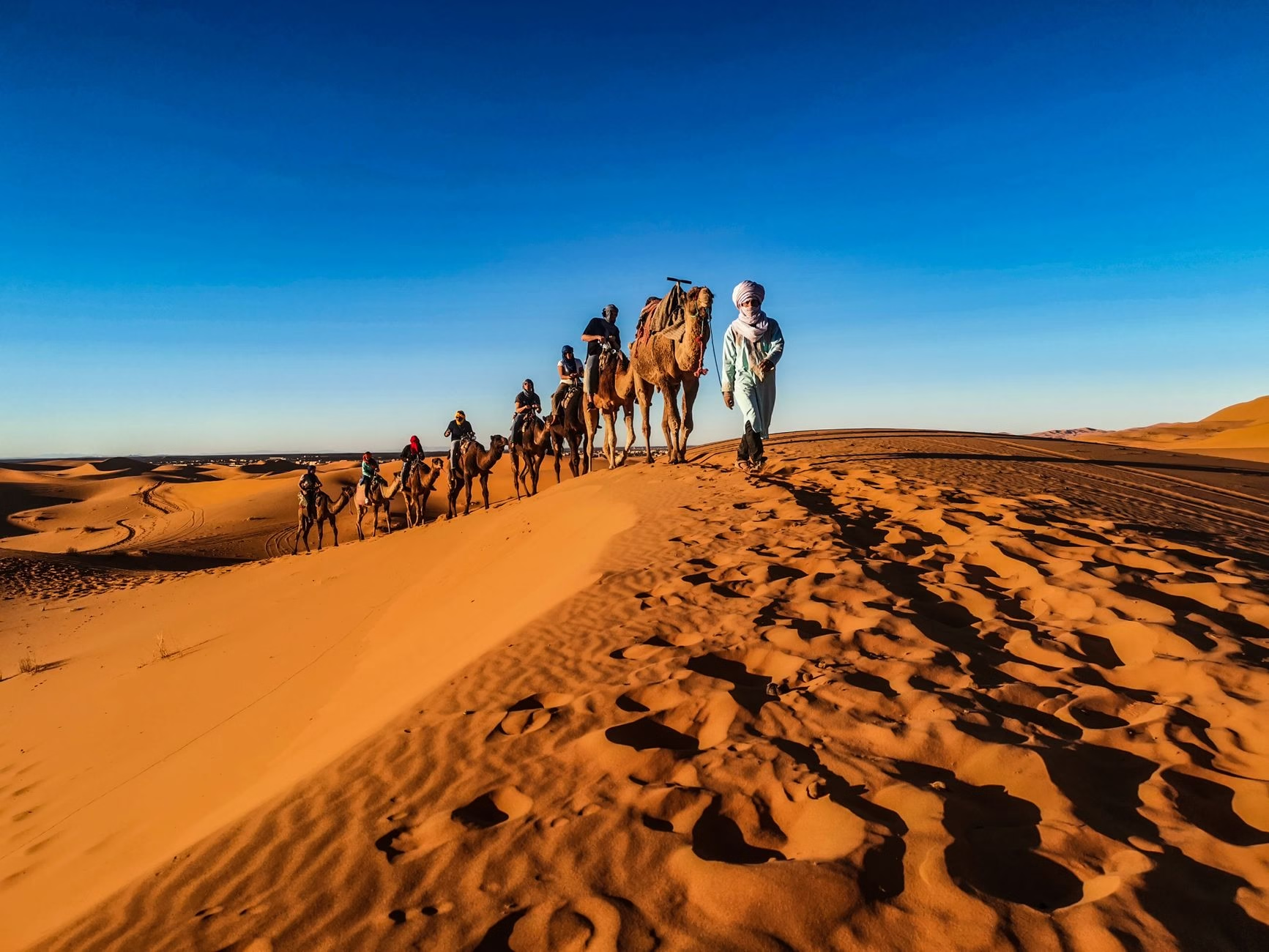
- Agafay Desert: Experience a mini-desert adventure just outside the city with camel rides, quad biking, or a candlelit dinner in a luxury desert camp.
- Essaouira: This laid-back coastal town makes a relaxing escape with its Atlantic breeze, sandy beaches, and artistic vibe. It can be reached in about two and a half hours and provides a refreshing contrast to Marrakech’s intensity.
These excursions reveal different sides of Morocco’s landscapes and lifestyle, complementing the energy of the Red City.
Conclusion
Marrakech is a city that never just shows itself; it unfolds through experience. It is in the scent of spices curling through the souks, in the hospitality you receive over a shared pot of mint tea, in the artistry of every tiled courtyard and every local smile. Whether you seek adventure, cultural immersion, or pure relaxation, the city offers it all, wrapped in an irresistible blend of history, color, and charm.
Visiting Marrakech is about more than sightseeing. It is about participation— listening, tasting, and absorbing the rhythm of life that defines Morocco’s cultural heart.
Further Reading
3 Day Istanbul Itinerary for First Time Visitors
Travel to Somalia; How I Traveled to Mogadishu
Free Family Things to Do in Chicago Today
How to Spend Four Days in Hong Kong