Christmas Markets in Europe Travel Guide
Introduction
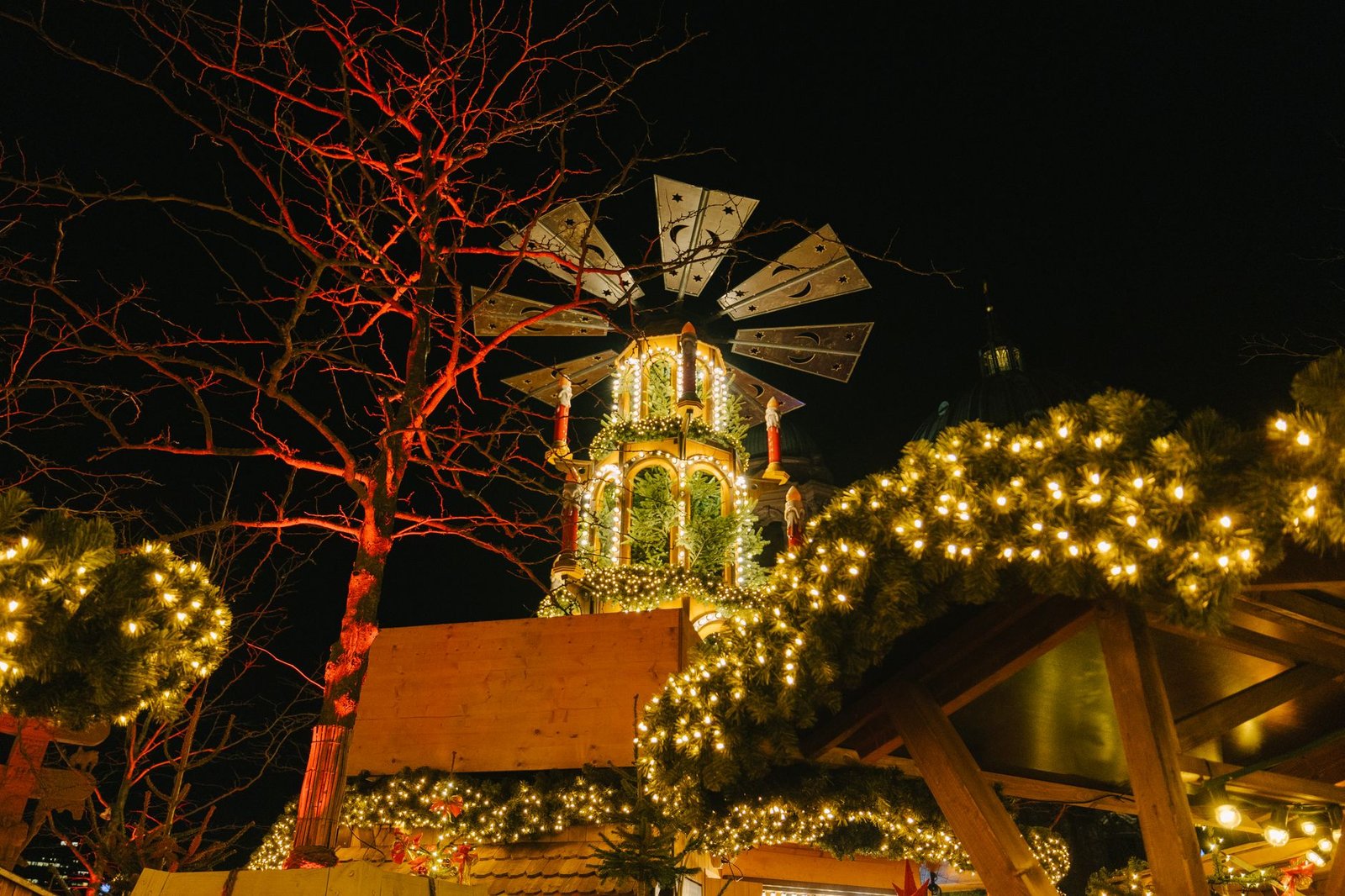
There is something exceptionally magical about Europe in December. Cobblestone squares flicker with fairy lights, the scent of mulled wine fills the frosty air, and centuries-old town centers transform into festive wonderlands that seem to have stepped straight out of a storybook. European Christmas markets are not just places to shop; they are enduring traditions that bring local culture, craftsmanship, and culinary delights to life.
This travel guide will take you on a detailed journey through some of the most enchanting Christmas markets across Europe, explaining what makes each destination special and how you can plan your visit effectively. From timeless Austrian villages and grand German squares to the romantic streets of Prague and the artistic charm of Strasbourg, this guide offers everything you need to make your festive trip unforgettable.
The Spirit of European Christmas Markets
Before diving into specific destinations, it is important to understand why these markets hold such a strong appeal. Their origins date back to the Middle Ages when communities gathered to celebrate Advent and the coming of Christmas. Over time, they evolved into rich cultural experiences filled with music, handmade goods, and regional delicacies.
Each Christmas market is deeply tied to local identity. In Germany, wooden toys and nutcrackers reflect traditional craftsmanship. In Austria, fragrant spiced pastries and brass bands create a distinct Alpine atmosphere. Across Eastern Europe, handmade ornaments and folk art showcase cultural heritage unique to each region.
What sets European Christmas markets apart is their authenticity. Rather than commercial frenzy, they focus on community, tradition, and shared joy. Every stall tells a story, every cup of Glühwein carries generations of custom, and every illuminated cathedral backdrop evokes timeless wonder.
Germany: The Birthplace of the Christmas Market
If you wish to experience Christmas markets at their most traditional, Germany is the place to start. The country hosts hundreds of markets, each with its own character, yet all share an unmistakable festive warmth.
Nuremberg Christkindlesmarkt
Often considered the quintessential Christmas market, Nuremberg’s Christkindlesmarkt has been celebrated since the sixteenth century. Wooden stalls line the Hauptmarkt where visitors can browse hand carved ornaments, beeswax candles, and the legendary Nuremberg sausages. The opening ceremony features the Christkind, a symbolic angel who recites a prologue from the balcony of the Church of Our Lady, setting the tone for the city’s festivities.
Dresden Striezelmarkt
Another classic, Dresden’s Striezelmarkt dates back to 1434 and is famous for its traditional Stollen fruitcake festival. Here you can witness the world’s largest Christmas pyramid, explore stalls filled with Erzgebirge wooden figures, and sample regional wines. The market is beautifully set against the baroque skyline of the Old Town, adding historical depth to every moment.
Cologne Cathedral Market
In Cologne, the towering Gothic cathedral creates a breathtaking backdrop for one of Germany’s most atmospheric markets. Alongside traditional gifts, there is a skating rink, live choirs, and regional food such as potato pancakes with applesauce, a local favorite that comforts visitors on chilly winter nights.
Austria: Elegance, Music, and Mountain Charm
Austrian Christmas markets are characterized by their refined beauty and melodic atmosphere. The combination of snowy scenery, classical music, and delicious seasonal treats makes Austria an extraordinarily romantic place to experience Christmas.
Vienna Christmas Dream at Rathausplatz
Vienna’s Christmas Dream is one of the grandest markets in Europe. The beautifully illuminated Rathaus (City Hall) and its surrounding park become a festive paradise. Inside Vienna’s traditional stalls, you will find hand-painted glass baubles, artisan ceramics, and delightful pastries. The ice skating trails winding through the park create a magical experience for families and couples alike.
Salzburg Christkindlmarkt
In Mozart’s hometown, the Christmas market unfolds in the historic Domplatz and Residenzplatz, surrounded by baroque architecture. The sound of carolers fills the crisp air, and the entire city glows with festive elegance. Visitors can sip on mulled wine infused with citrus and spice, browse stalls selling traditional knitwear, and attend Advent concerts performed by local choirs inside grand churches.
France: Festive Artistry in Strasbourg and Beyond
France brings artistry and refinement to the Christmas market tradition. The Alsace region, where French and German influences meet, creates an extraordinary cultural blend that gives its markets a unique character.
Strasbourg Christkindelsmärik
Strasbourg proudly calls itself the “Capital of Christmas,” and it is easy to see why. The market, dating back to 1570, spreads across several squares in the city center, illuminated by intricate light displays. The half-timbered houses, the glow of the cathedral, and the scent of cinnamon make it one of Europe’s most beautiful winter experiences. Local specialties such as spiced wine, bredele cookies, and Alsatian pottery make perfect gifts and mementos.
Colmar Christmas Market
Nearby Colmar offers a more intimate but equally magical setting. The old town, with its canals and colorful houses, looks as if it has been designed for Christmas postcards. Each of its markets has a distinct theme, from local crafts to gourmet foods, making it ideal for travelers who want to embrace both traditional and creative holiday charm.
Central and Eastern Europe: Tradition and Warmth
In Central and Eastern Europe, Christmas markets blend deep-rooted folklore with warm hospitality. The spirit feels less commercial and more community-driven, with a focus on handmade crafts and home-style food.
Prague Christmas Market
Set around the Old Town Square and Wenceslas Square, Prague’s Christmas market is a feast for the senses. Gothic spires rise above golden lights while the aroma of roasted chestnuts and Trdelník pastries fills the air. Choirs perform under the astronomical clock, and you can enjoy hearty Czech dishes like grilled ham served with dark bread and mustard. Prague’s medieval charm makes it one of the most atmospheric destinations in Europe during the holiday season.
Budapest Christmas Fair
Budapest’s Vorosmarty Square becomes a hub of festive activity each December. Wooden cottages display traditional Hungarian embroidery, pottery, and glassworks. Local treats such as chimney cake and hot spiced wine are must-tries, along with performances of folk music and dance. Visitors can also relax in the city’s famous thermal baths for a truly cozy winter day.
Planning Your Trip: Practical Tips for Visiting Christmas Markets
Visiting European Christmas markets requires some planning to ensure an enjoyable and memorable experience. Here are some practical recommendations that will enhance your trip:
-
Timing Matters
Most markets open in late November and run until Christmas Eve or early January. Weekday visits are often less crowded, allowing more relaxed exploration and photography. -
Book Accommodation Early
Popular cities such as Vienna, Strasbourg, and Nuremberg fill up months in advance. Choose hotels or guesthouses near the city center so you can walk to multiple markets in the evening when the lights are most beautiful. -
Dress for the Cold
Winter temperatures can be freezing, especially in Central Europe. Layers, thermal socks, gloves, and waterproof shoes are essential. -
Bring Cash
While many stalls now accept cards, smaller vendors often prefer cash in local currency. Carry small bills for convenience. -
Collect Local Souvenirs Thoughtfully
Look for handcrafted items that represent local traditions such as wooden ornaments from Germany, ceramic mugs from Austria, or lace decorations from Prague. They make meaningful keepsakes long after the trip. -
Sample Local Cuisine
Do not rush through the food stalls. Every market offers regional dishes that define local tastes, from apple strudel and sausages to gingerbreads and hearty soups. -
Respect Local Customs
Each country observes its own holiday traditions and etiquette. Participate respectfully and take the time to learn about their significance.
Conclusion
Exploring Europe’s Christmas markets is more than a winter getaway; it is an immersion into centuries of tradition, community, and seasonal joy. Whether you wander beneath Vienna’s glittering lights, savor mulled wine in Nuremberg, or lose yourself in the fairy tale streets of Colmar, you will experience the true heart of European culture.
These markets remind travelers that Christmas is about connection, warmth, and shared celebration. With careful planning and an open spirit, your journey through Europe’s festive squares will create memories that glow long after the season ends.
Further Reading
3 Day Istanbul Itinerary for First Time Visitors
Travel to Somalia; How I Traveled to Mogadishu