How to Plan a Trip to Australia Step by Step
Introduction: The Ultimate Adventure Awaits
Planning a trip to Australia is both exciting and slightly overwhelming. The country’s immense size, diverse landscapes, and incredible range of experiences make it a dream destination for travelers from every corner of the world. From the golden beaches of Queensland to the café-lined streets of Melbourne and the red heart of the Outback, Australia offers endless opportunities for exploration.
This comprehensive step by step guide will walk you through every stage of planning your journey. You will learn how to prepare your travel documents, choose your itinerary, manage transport logistics, find the best accommodation, and make the most of your time once you are there. By the end of this article, you will have a clear, practical roadmap to transform your dream of visiting Australia into a perfectly organized reality.
Step 1: Establish Your Travel Goals and Timing
Australia is vast. Deciding what kind of trip you want to have is the most important first step. Begin by asking yourself what you truly want to experience.
Do you dream of snorkeling in the Great Barrier Reef, discovering Aboriginal culture in the Northern Territory, or exploring the art and food scene in Melbourne? Defining your travel goals helps determine where you should go, how long you should stay, and what season will suit your plans best.
Understanding Australia's Seasons
Because Australia lies in the Southern Hemisphere, its seasons are opposite to those in North America and Europe:
- Summer: December to February, ideal for beach holidays and festivals
- Autumn: March to May, great for pleasant temperatures and fewer crowds
- Winter: June to August, perfect for exploring the tropical north and skiing in the southern highlands
- Spring: September to November, excellent for wildlife encounters and wildflower displays
If your goal is to see the Great Barrier Reef or the Daintree Rainforest, the months from May to October are ideal when humidity is low and water visibility is high. For Sydney and Melbourne, late spring or early autumn offers the most comfortable weather for sightseeing and outdoor dining.
Step 2: Research Visa and Entry Requirements
Australia maintains clear entry regulations depending on your nationality and the purpose of your visit. Tourists from most countries need to apply for a visa before arrival.
Main Tourist Visa Options
- Electronic Travel Authority (ETA): Available to certain nationalities, allows visits up to three months and can be applied for online.
- eVisitor Visa: For citizens of the European Union and a few other countries, also valid for stays up to three months at a time within a 12 month period.
- Visitor Visa (subclass 600): For travelers who do not qualify for the electronic options or who plan to stay longer.
Always apply for your visa well in advance and ensure your passport is valid for at least six months beyond your intended departure date.
Step 3: Create a Realistic Itinerary
Australia’s distances are significant, and trying to cover the entire country in one trip will only lead to exhaustion. A focused itinerary allows you to experience each destination more deeply.
Classic Two to Three Week Itinerary Ideas
Option 1: East Coast Explorer
Start in Sydney and travel north through Byron Bay, Brisbane, and the Whitsundays before reaching Cairns for the Great Barrier Reef. This route combines coastal charm, city vibrancy, and tropical adventure.
Option 2: Southern Highlights
Explore Melbourne, the Great Ocean Road, Adelaide, and Kangaroo Island. This journey delivers outstanding scenery, local wine culture, and close encounters with native wildlife.
Option 3: The Red Centre and Beyond
Begin in Alice Springs, visit Uluru and Kata Tjuta National Park, then finish in Darwin for a taste of the rugged Top End. It is a powerful journey through spiritual landscapes and ancient heritage.
Plan your route based on your interests and remember to allow rest days between long travel segments. Internal flights can save time, but self driving gives you freedom to stop at hidden gems along the way.
Step 4: Set a Budget and Manage Costs
Australia is known for its remarkable quality of life but also for being relatively expensive. Setting a realistic budget will help you avoid surprises once you arrive.
Major Expense Categories
- Flights: International airfares often account for the largest portion of your budget. Booking early and using flight comparison tools can lead to significant savings.
- Accommodation: Options range from hostels and boutique hotels to luxury resorts. Consider booking apartments or holiday homes if you plan to stay longer in one city.
- Transport: Domestic flights are efficient, but long distance buses and trains offer scenic alternatives. For flexibility, renting a car or campervan can be ideal in regions like Tasmania or Queensland.
- Food and Activities: Australia’s dining scene is outstanding, but eating out constantly can become expensive. Mix restaurant meals with supermarket picnics or local markets to stay within budget.
Pre plan a combination of splurge experiences, like a scenic helicopter flight over the reef, and free activities, such as beach days or national park trails.
Step 5: Book Accommodation and Transportation
Once your itinerary is set and your visa approved, book your essential logistics as soon as possible.
Accommodation Tips
- In Cities: Choose centrally located hotels or apartments near public transport for convenience.
- In Coastal Areas: Beachfront properties offer memorable views but book early, especially during school holidays.
- In the Outback: Availability can be limited, so confirm months ahead and always check fuel and food supply points nearby.
Transportation Insights
Australia’s road network is modern and well maintained. If driving, ensure you are comfortable with left side traffic and plan journeys carefully, especially in remote regions where fuel stations can be far apart.
For longer distances, the local budget airlines such as Jetstar and Virgin Australia often have competitive fares. Alternatively, consider the scenic train routes like The Ghan or the Indian Pacific for a once in a lifetime experience crossing the continent by rail.
Step 6: Prepare for Health, Safety, and Connectivity
Australia is one of the safest travel destinations in the world, yet good preparation ensures peace of mind.
Health and Travel Insurance
While Australia has excellent healthcare, non residents pay out of pocket for treatment unless covered by insurance. Always purchase comprehensive travel insurance that includes medical emergencies, cancellations, and adventure activities.
Safety Tips
- Protect yourself from the sun with high SPF sunscreen, sunglasses, and light clothing.
- Follow local advice about swimming areas, as some beaches have strong currents or seasonal marine stingers.
- When hiking or driving in rural areas, carry plenty of water and inform someone of your route.
Staying Connected
Local SIM cards are widely available at airports and convenience stores. Opt for providers like Telstra or Optus if you plan to travel to remote regions since coverage can vary.
Step 7: Plan Your Activities and Cultural Experiences
What makes Australia special is not only its landscapes but also its people and culture. Balance your travel schedule with a mix of adventure, history, and daily local life.
Top Recommendations:
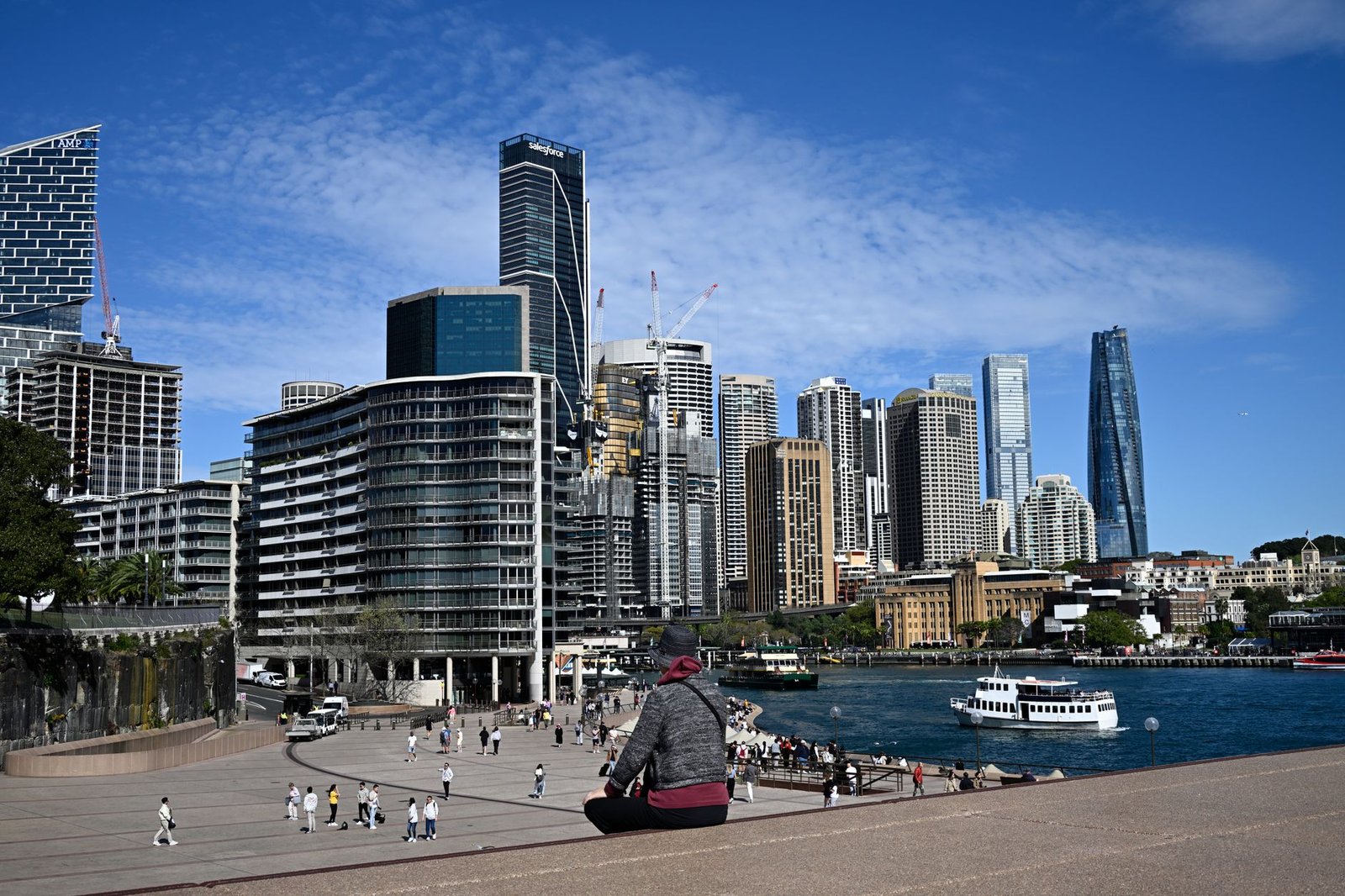
- Explore Sydney’s harbor by ferry for stunning views of the Opera House and Harbour Bridge
- Walk the Great Ocean Road and witness the Twelve Apostles at sunset
- Discover Aboriginal rock art in Kakadu National Park
- Join a guided dive or snorkel trip on the Great Barrier Reef
- Taste world class wines in the Barossa Valley or Margaret River
- Try authentic Australian coffee culture in Melbourne’s laneways
Respect for the environment and Indigenous heritage lies at the heart of Australian travel. Take time to learn from local guides and support sustainable tourism initiatives wherever possible.
Step 8: Pack Smart and Finalize Details
Australia’s varied climates mean packing requires thought. In one trip you might experience tropical humidity, cool coastal breezes, and desert heat.
Smart Packing Checklist
- Lightweight breathable clothing for summer regions
- A warm jacket for cooler evenings and winter months
- Swimwear, hat, and sunscreen
- Comfortable walking shoes for city exploring and nature trails
- Refillable water bottle and eco friendly shopping bag
- Travel adaptor for Type I outlets used in Australia
Print copies of your bookings, keep digital backups, and organize airport transfers before departure.
Conclusion: Your Australian Journey Begins Here
Planning a trip to Australia step by step allows you to transform this once distant dream into a well organized, meaningful adventure. When you invest time in setting clear goals, researching logistics, and preparing mindfully, your journey will unfold effortlessly across one of the most beautiful and diverse countries in the world.
From the coral reefs of Queensland to the wineries of South Australia, every corner invites discovery. Take each step with curiosity, respect, and a spirit of exploration, and you will return home with stories that last a lifetime.
Further Reading
China Visa Guide for Tourists
5 Day Rome Itinerary with Must See Attractions
Travel to Somalia; How I Traveled to Mogadishu
Free Family Things to do in Chicago Today
How to Spend Four Days in Hong Kong