Introduction
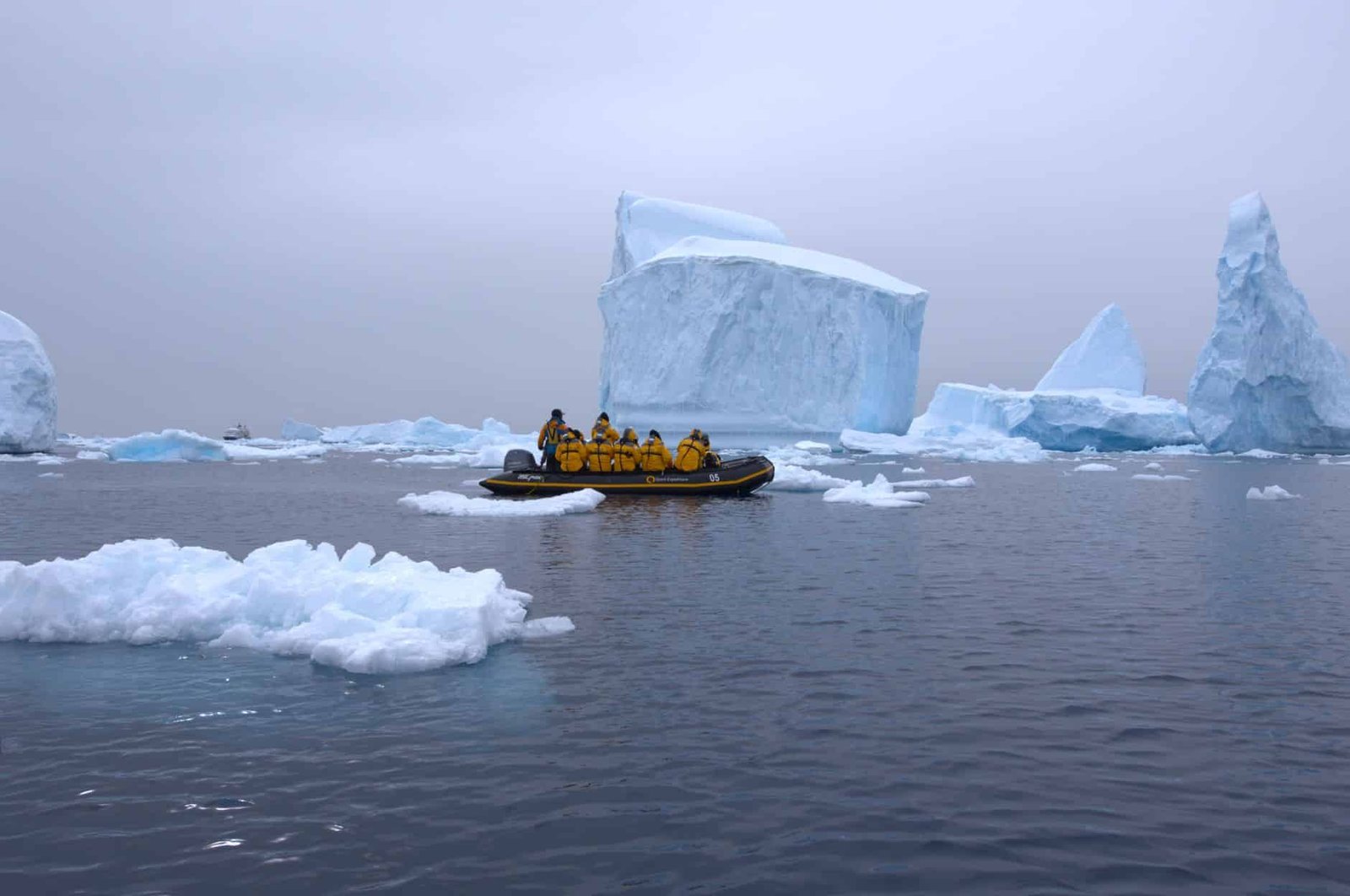
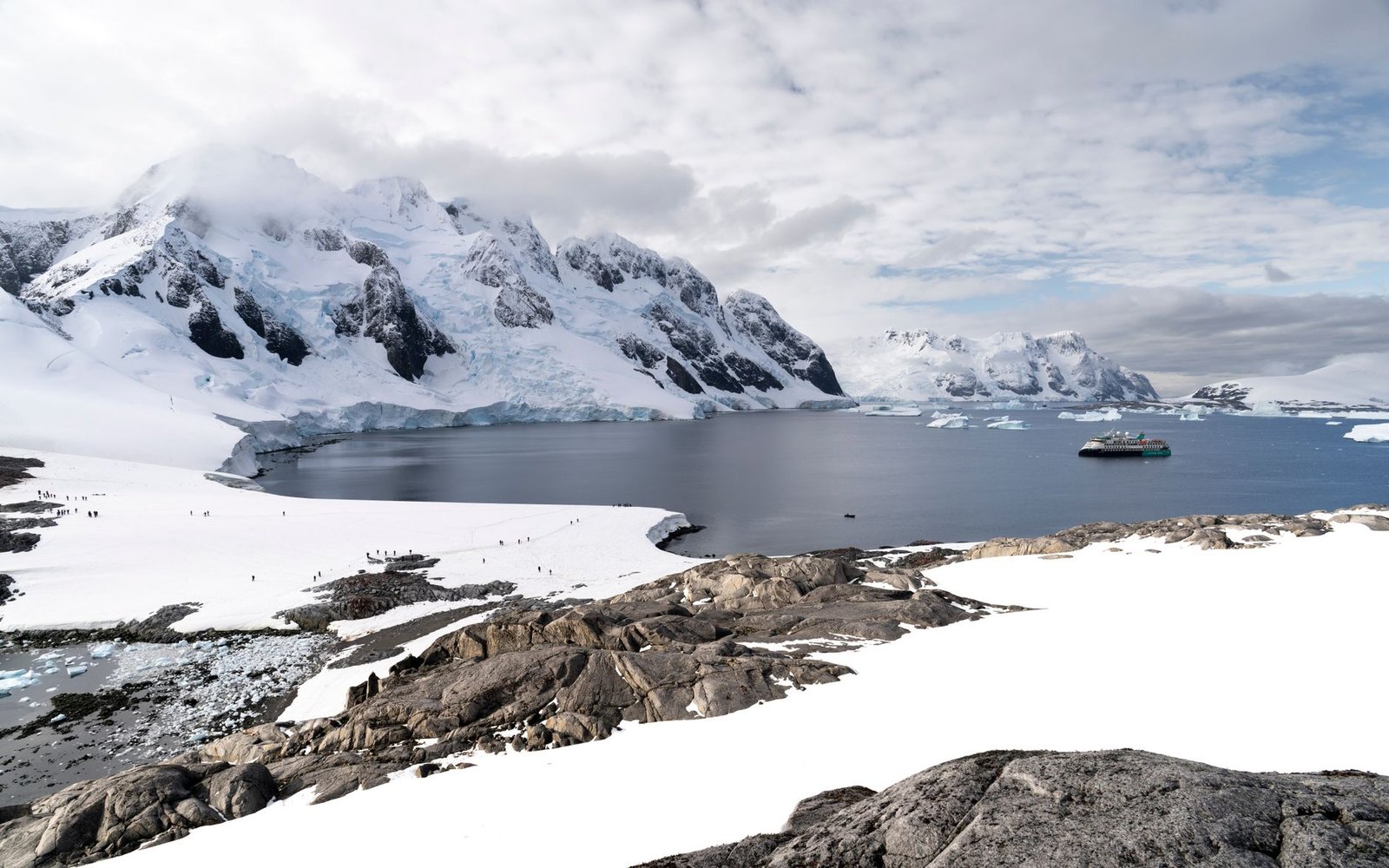
Antarctica often feels like another planet. Massive sculpted icebergs float through silent waters, penguins gather in clusters along the shore, and the air crackles with purity unlike anywhere else on Earth. For many travelers, venturing to the southernmost continent is the ultimate adventure, a truly once in a lifetime experience. Yet, beyond the awe and wonder lies a very practical question: is Antarctica safe to visit?
In this article, we will take an in depth look at what safety means in one of the most extreme destinations on Earth. We will cover the environmental challenges, the importance of traveling with certified expedition operators, the health and safety measures you must be aware of, and what you can do personally to ensure a safe and responsible trip. By the end, you will have a clear understanding of what to expect and how to prepare for a smooth and rewarding Antarctic journey.
Understanding the Environment and Its Challenges
Antarctica is the coldest, driest, and windiest continent on Earth. This environment shapes every aspect of travel and sets very real boundaries on what visitors can safely do. Temperatures in the Antarctic Peninsula can hover around freezing during summer months, yet sudden drops are common. In the interior, the cold can reach levels fatal to unprotected humans. Winds move across the ice at extreme speeds and visibility can vanish within minutes during whiteouts.
Because of these conditions, Antarctica is not a destination where travelers venture independently. Every visit is conducted under strict guided programs designed to minimize risk and protect both travelers and the fragile ecosystem. Visitors move mostly by ship and make shore landings only when conditions allow.
These limitations make the continent surprisingly safe for tourists who follow guidelines. The very controls that restrict access are what keep accidents rare. Operators constantly monitor weather patterns, potential sea ice movement, and landing conditions, ensuring trips remain within safe zones.
When visitors respect the environment and listen carefully to their guides, Antarctica becomes an extraordinarily well managed place to explore, one where the balance between safety and wilderness is carefully maintained.
The Role of Responsible Tour Operators
Your choice of tour operator determines most of your safety outcome in Antarctica. The continent has no permanent hotels or public infrastructure, which means all services are operator provided. Reputable expedition companies are part of IAATO, the International Association of Antarctica Tour Operators, an organization that regulates safety standards, visitor conduct, and environmental protection.
IAATO members adhere to strict protocols covering everything from waste management to emergency evacuation planning. They employ skilled polar guides, environmental scientists, and experienced medical staff. Ships used for Antarctic travel are usually equipped with strengthened hulls, advanced navigation technology, and emergency evacuation capabilities such as satellite communications and onboard clinics.
Before booking, always verify that your operator is IAATO listed. Ask how they handle medical emergencies, how they maintain safety during shore excursions, and what clothing or equipment they recommend. An informed traveler is a safer traveler.
Some of the best operators conduct education sessions before and during the trip to ensure guests understand how to behave around wildlife and avoid damaging fragile habitats. Being well informed adds another layer of safety for both you and the environment.
Physical Preparation and Personal Safety
Even with expert operators, visitors need to prepare personally for the unique physical conditions of Antarctica. The continent demands more resilience and awareness than most destinations. Cold temperatures combined with exposure to wind and water can quickly lead to hypothermia or frostbite if proper clothing is not used.
Pack well layered clothing including high quality waterproof outerwear, insulated gloves, thermal base layers, and footwear suitable for wet landings. Protecting extremities is essential because once cold injuries occur, they are difficult to treat on site. Sunglasses with UV protection are also crucial, as the reflection from snow and ice can cause painful snow blindness.
Travel insurance that covers medical evacuation is mandatory. Evacuation from Antarctica is complex, often involving multiple air transfers before reaching a hospital. While major incidents are rare, preparation ensures peace of mind. Visitors should also discuss health concerns with their doctors before traveling, particularly if they have chronic conditions or mobility challenges. Seasickness is another common issue on the Drake Passage crossing between South America and the Antarctic Peninsula. Bringing motion sickness medication or choosing a ship with advanced stabilizers can make the journey more comfortable.
Environmental Responsibility and Safety Go Hand in Hand
Safety in Antarctica does not only concern the traveler but the environment as well. The continent’s ecosystem is one of the most pristine on the planet, which means the smallest disturbance can have lasting effects. Responsible travel practices are therefore mandatory for every visitor.
When on shore, always follow your guide’s distance recommendations around wildlife. Penguins and seals may seem curious, but human approach can stress them or disrupt breeding. Never leave any waste behind, including small items such as wrappers or tissues. Most tour operators enforce a “leave no trace” rule and provide strict decontamination procedures to avoid transferring foreign organisms to the local environment.
By respecting all these measures, travelers contribute to the long term safety of both the landscape and its inhabitants. The healthier the environment remains, the safer it is for everyone who visits it now and in the future.
Emergency Response and Communication Systems
While isolation is a key part of Antarctica’s allure, it also presents challenges. Communication and emergency response are limited compared to other regions, which is why all expeditions rely on satellite systems for contact with the outside world. Ships and research stations monitor weather reports and maintain constant communication with rescue coordination centers.
If a medical issue arises, the operator follows a detailed evacuation process that might include transferring a patient to a nearby research base and then arranging a long range flight to South America. This logistical network has been steadily improved over the years and is widely regarded as reliable, though it remains dependent on weather conditions.
These safety systems are the reason incidents are rare, but their existence also highlights why independent or unapproved travel in Antarctica is not only illegal under the Antarctic Treaty but extremely dangerous. Joining a certified expedition ensures full access to communication, navigation, and rescue infrastructure if ever needed.
Practical Tips for Staying Safe During Your Visit
To make the most of your Antarctic adventure while staying safe, keep the following best practices in mind:
- Always listen carefully to instructions from guides during landings and wildlife encounters
- Dress in layers to adapt quickly to changing temperatures
- Avoid rushing or taking unnecessary risks on slippery surfaces or near icy ledges
- Keep all electronic devices and batteries protected from the cold
- Participate in the mandatory safety briefings provided on the ship before excursions
- Follow the clean gear policy to prevent introducing foreign particles or bacteria to the continent
Each of these small habits contributes significantly to your comfort and safety, ensuring your focus remains on the incredible beauty around you.
Conclusion
So, is Antarctica safe to visit? Absolutely, as long as you travel the right way. It is a place that rewards preparation and respect. Under expert guidance, with proper equipment, awareness, and adherence to safety and environmental protocols, visiting the world’s southernmost continent can be both secure and deeply inspiring.
Antarctica reminds us that adventure and safety can work together in harmony when travelers are responsible and informed. For those seeking to experience the planet at its most raw and untouched, the risks are manageable and the rewards unforgettable.
Further Reading
Best Beaches in Southern Europe
Cheapest Countries to Visit in Africa
Travel to Somalia; How I Traveled to Mogadishu
Free Family Things to do in Chicago Today
How to Spend Four Days in Hong Kong