How to Plan a Trip to Antarctica Step by Step
Introduction
Antarctica, the last untouched frontier on Earth, lures travelers with its pristine landscapes, surreal silence, and extraordinary wildlife. Visiting this frozen continent is not like planning an ordinary trip; it is a once‑in‑a‑lifetime expedition that requires thoughtful preparation, patience, and passion for discovery. From deciding when to go, to understanding travel logistics and environmental guidelines, everything must be carefully considered.
In this guide, you will learn exactly how to plan a trip to Antarctica step by step. You will discover how to choose the best travel season, how to reach Antarctica, what kind of vessel or expedition suits your interests, how to prepare physically and mentally, and what to pack for such an extreme destination. Whether you are a first‑time explorer or a seasoned adventurer, this detailed guide will walk you through every stage of planning, ensuring your journey is safe, responsible, and unforgettable.
Step 1: Decide When to Go
Antarctica is accessible only during the austral summer, roughly from late October to early March. Picking the right time to visit will shape your entire experience. Each part of the season offers something unique.
Early Season (October to November)
This is when the continent awakens after the long winter. Pack ice still covers parts of the sea, creating ethereal scenery dominated by dramatic icebergs and pristine snow. Wildlife activity begins as penguins return to nest, offering remarkable photo opportunities without many crowds.
Mid Season (December to January)
This is the most popular and generally most expensive time to visit. Days are long with nearly 24 hours of sunlight, temperatures are relatively mild, and wildlife is at its most active. Penguin chicks begin to hatch while seals and whales gather in greater numbers.
Late Season (February to March)
Whales dominate the scene at this time, with large pods feeding close to the surface. Sea ice is minimal, allowing vessels to explore farther south. The light softens, giving photographers a perfect golden glow across the horizon.
The best choice depends on your personal priorities. If you are drawn to untouched ice formations, go early. If you want full wildlife activity, choose the midsummer months. For whale watching and vibrant color contrasts, late season is ideal.
Step 2: Understand How to Get There
Antarctica is not connected to any commercial flight network, so visitors usually travel through South America. The most common departure point is Ushuaia, Argentina, widely known as the southernmost city in the world.
Two Main Travel Options:
-
Sea Voyages:
- The majority of travelers reach Antarctica by expedition cruise across the Drake Passage from Ushuaia. These voyages usually last 10 to 14 days.
- Crossing the Drake Passage can be either calm or notoriously rough, but modern expedition ships are built for stability and equipped with excellent safety standards.
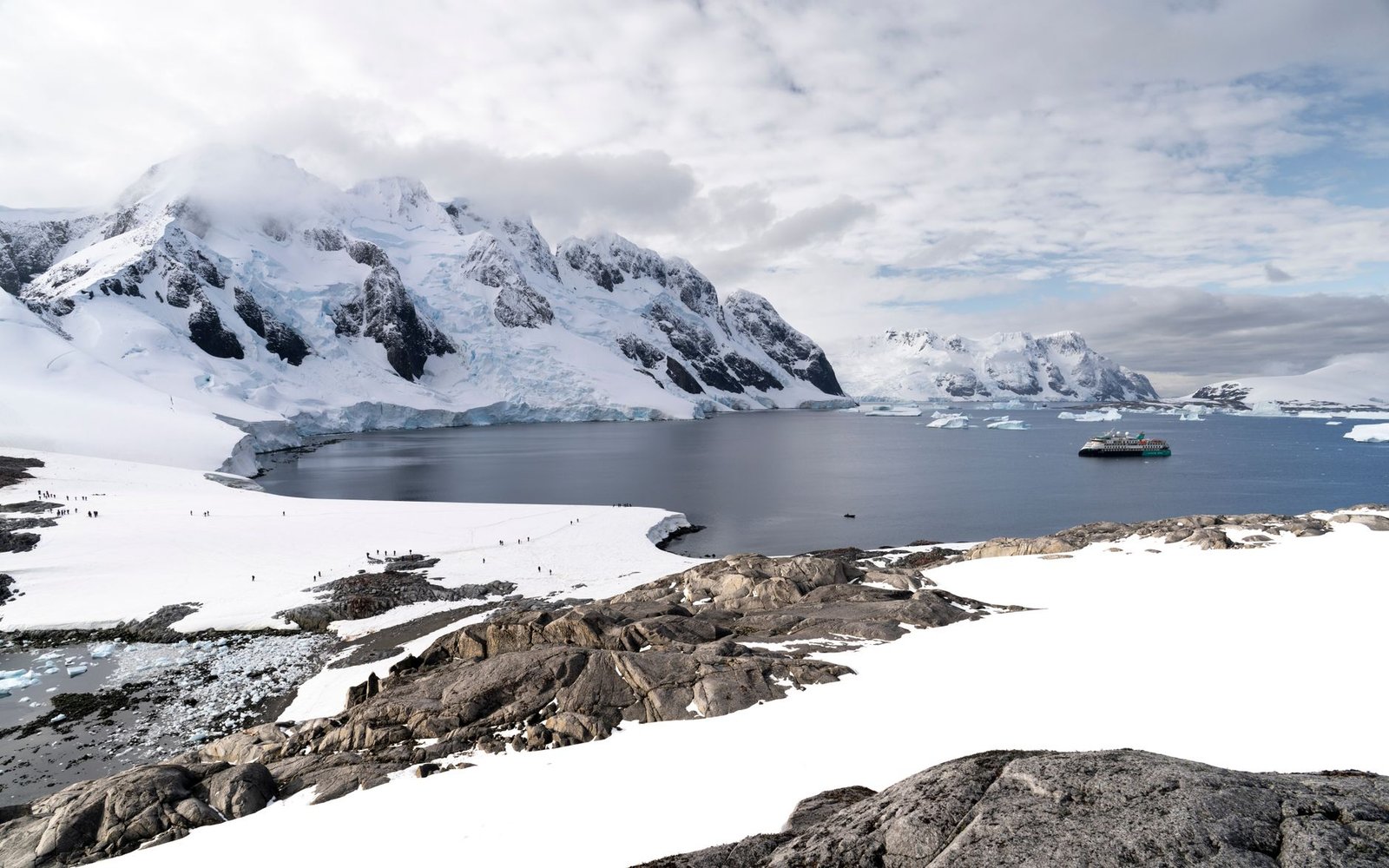
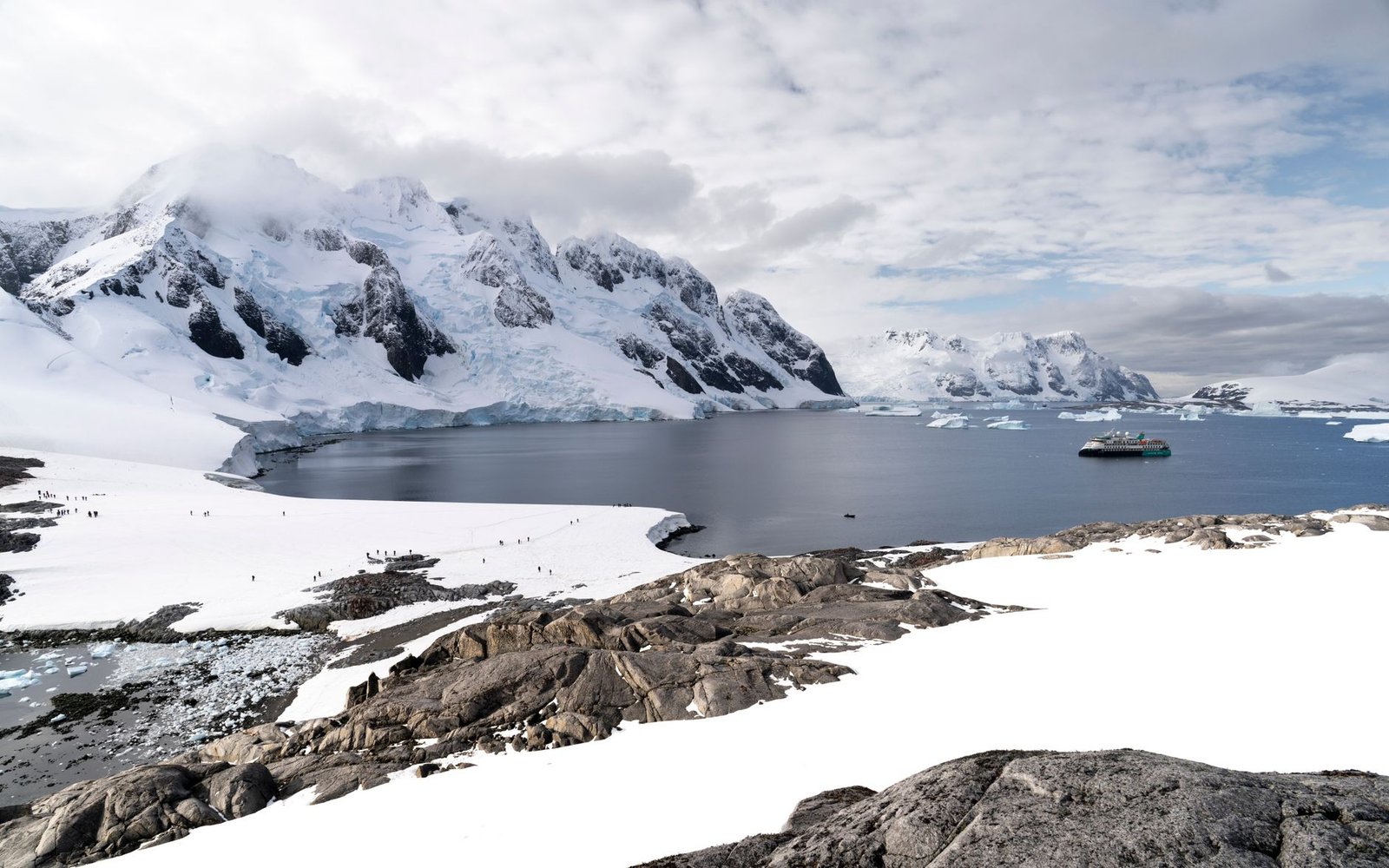
- Voyages often include stops at the South Shetland Islands and along the Antarctic Peninsula, where passengers can go ashore with expert guides.
-
Fly‑Cruise Expeditions:
- For travelers short on time or unwilling to cross the Drake Passage, it is possible to fly from Punta Arenas, Chile, to King George Island in Antarctica, then board a ship already stationed there.
- This saves several days of travel and reduces the risk of motion sickness, though weather conditions can cause flight delays.
When choosing how to travel, consider your comfort level at sea, your available time, and your budget.
Step 3: Select the Right Expedition Provider
Not all Antarctic cruises are the same. Some focus on science and conservation, others on photography or luxury experiences. Choosing the right provider is one of the most important decisions you will make.
Here are key factors to evaluate:
- Vessel Size and Style: Smaller vessels, usually under 200 passengers, provide more flexible itineraries and more frequent landings. Larger ships may offer additional amenities but allow fewer opportunities to set foot on the continent.
- Experience of Guides and Crew: Look for operators accredited by the International Association of Antarctica Tour Operators (IAATO). This ensures adherence to strict environmental and safety standards.
- Type of Expedition: Some trips focus on wildlife observation, others include adventure options such as kayaking, mountaineering, or scientific lectures. Choose one that aligns with your interests.
- Environmental Responsibility: Ensure the company follows responsible tourism practices such as limited shore group size and no disturbance of wildlife.
Booking early, sometimes a year in advance, can secure better cabin pricing and availability on high‑demand itineraries.
Step 4: Prepare Physically and Mentally
Even though modern expedition ships offer comfort, Antarctica remains a rugged and remote environment. Preparing properly enhances both safety and enjoyment.
- Physical Readiness: Travelers should be able to move steadily in cold, slippery conditions. Basic fitness helps when embarking from zodiacs or walking on uneven icy terrain. If you plan to kayak or hike, train in advance to build stamina.
- Mental Preparation: Expect unpredictable weather. Some days will be bright and calm, others windy with snow or heavy fog. Embrace the uncertainty; it is part of the adventure.
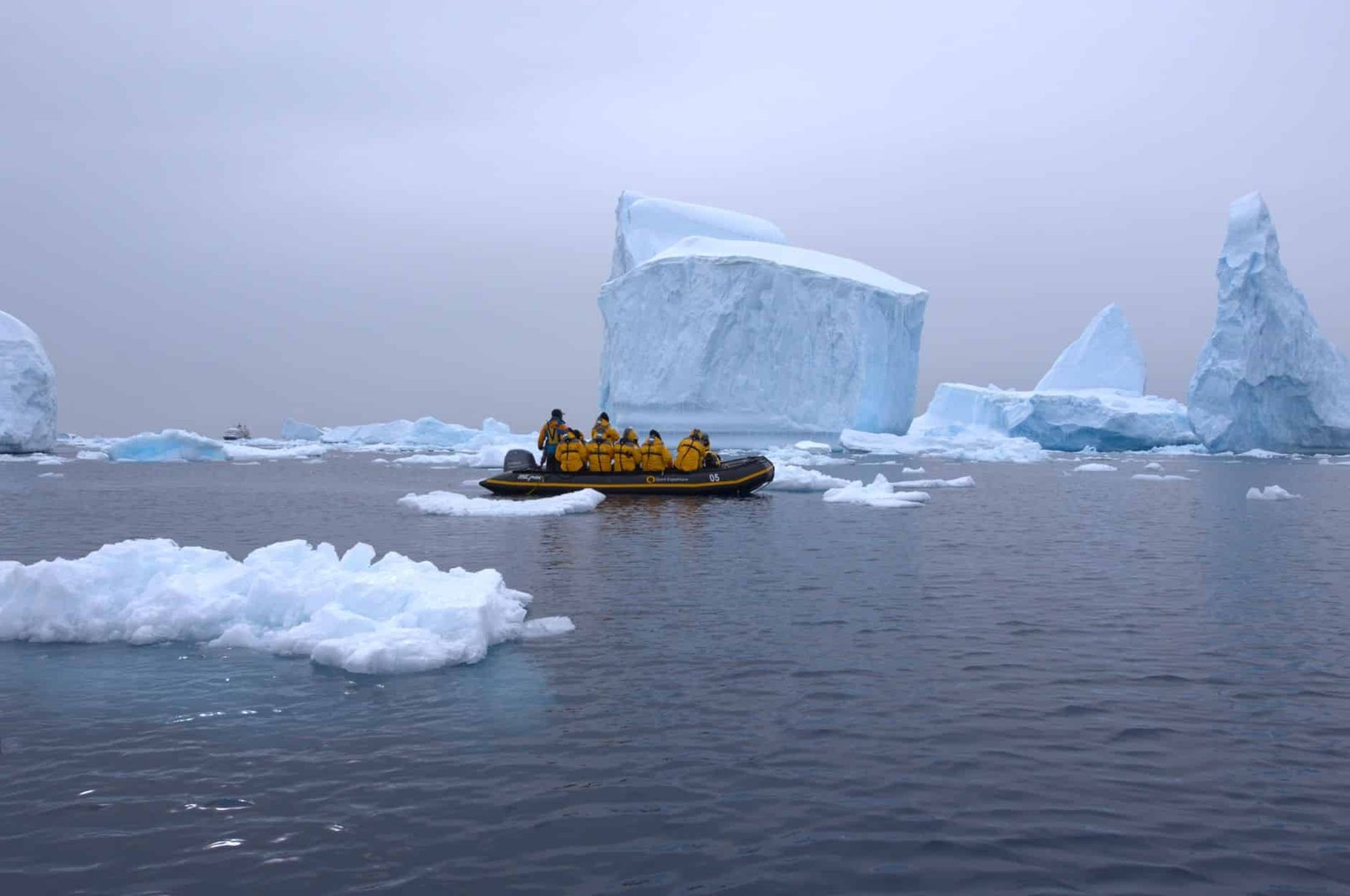
- Respect for Environment: Visitors must follow strict ecological guidelines such as maintaining distance from wildlife, cleaning gear before landings to prevent contamination, and leaving nothing behind.
Understanding these principles before departure ensures a more meaningful and responsible journey.
Step 5: Plan What to Pack
Packing for Antarctica is a meticulous process. Conditions can shift quickly from calm sunshine to biting wind and snowfall. Most expedition companies provide waterproof boots and parkas, but you are responsible for layering and personal gear.
Essential Clothing Layers:
- Base Layer: Thermal underwear made from merino wool or high‑quality synthetics. This layer keeps body heat in and draws moisture away from the skin.
- Middle Layer: Fleece or insulated jacket for extra warmth. Multiple thin layers work better than one thick coat.
- Outer Layer: A fully waterproof and windproof shell jacket and pants are essential for zodiac cruises and landings.
Accessories to Bring:
- Warm gloves, liners, and waterproof shells
- Neoprene face mask or balaclava for wind protection
- Sunglasses with high UV protection to guard against the intense glare of snow
- Sunscreen and lip balm, as the ozone layer is thin over Antarctica
- Waterproof backpack for camera gear and day items
A good packing strategy ensures that you stay comfortable during long hours outdoors while keeping equipment safe from moisture and cold.
Step 6: Plan for Photography and Wildlife Encounters
Antarctica is a paradise for photographers and animal enthusiasts. You will encounter penguin colonies, elephant seals, whales, and a diversity of seabirds. To make the most of your time, know your camera gear well before the trip.
Bring extra memory cards, spare batteries, and protective covers for cameras. Cold temperatures drain batteries faster, so keep spares inside your jacket to preserve their charge.
Respect wildlife by maintaining appropriate distance. The best captures often come from quiet patience rather than approach. Many guides will share professional tips to help you find the most impressive angles without disturbing the animals’ natural behavior.
Step 7: Understand Visa and Insurance Requirements
No country owns Antarctica, but you must travel through another nation to reach it. Most travelers enter via Argentina or Chile, so check visa requirements for those countries first.
Travel insurance is mandatory for most expedition operators. It must cover trip cancellation, medical evacuation, and emergency repatriation. Because Antarctica lacks hospitals, any serious medical issue requires evacuation by ship or plane, which can be extremely costly.
Consult your operator about coverage limits and documentation needed for boarding.
Step 8: Embrace the Experience
Once everything is planned, all that remains is to live the adventure. When you step onto the icy terrain for the first time and breathe in the crisp polar air, all the planning becomes worth it.
Use your time to connect with nature, listen to the crackling of ancient ice, and watch penguins waddle toward the sea. Most travelers describe the experience as transformative, a reminder of the fragile beauty of our planet.
Conclusion
Planning a trip to Antarctica is unlike organizing any other holiday. It requires thorough research, careful preparation, and a respectful mindset toward one of the world’s most fragile environments. By following these step‑by‑step guidelines, you ensure a journey that is both safe and rewarding, blending adventure with deep appreciation for nature’s most remote realm.
Antarctica is not a mere destination; it is a humbling experience that changes the way you view Earth itself. The effort you invest in thoughtful planning will reward you with memories that remain vivid long after you return home.
Further Reading
Best Beaches in Southern Europe
Cheapest Countries to Visit in Africa
Travel to Somalia; How I Traveled to Mogadishu
Free Family Things to do in Chicago Today
How to Spend Four Days in Hong Kong