
Introduction: Stepping into Earth’s Final Frontier
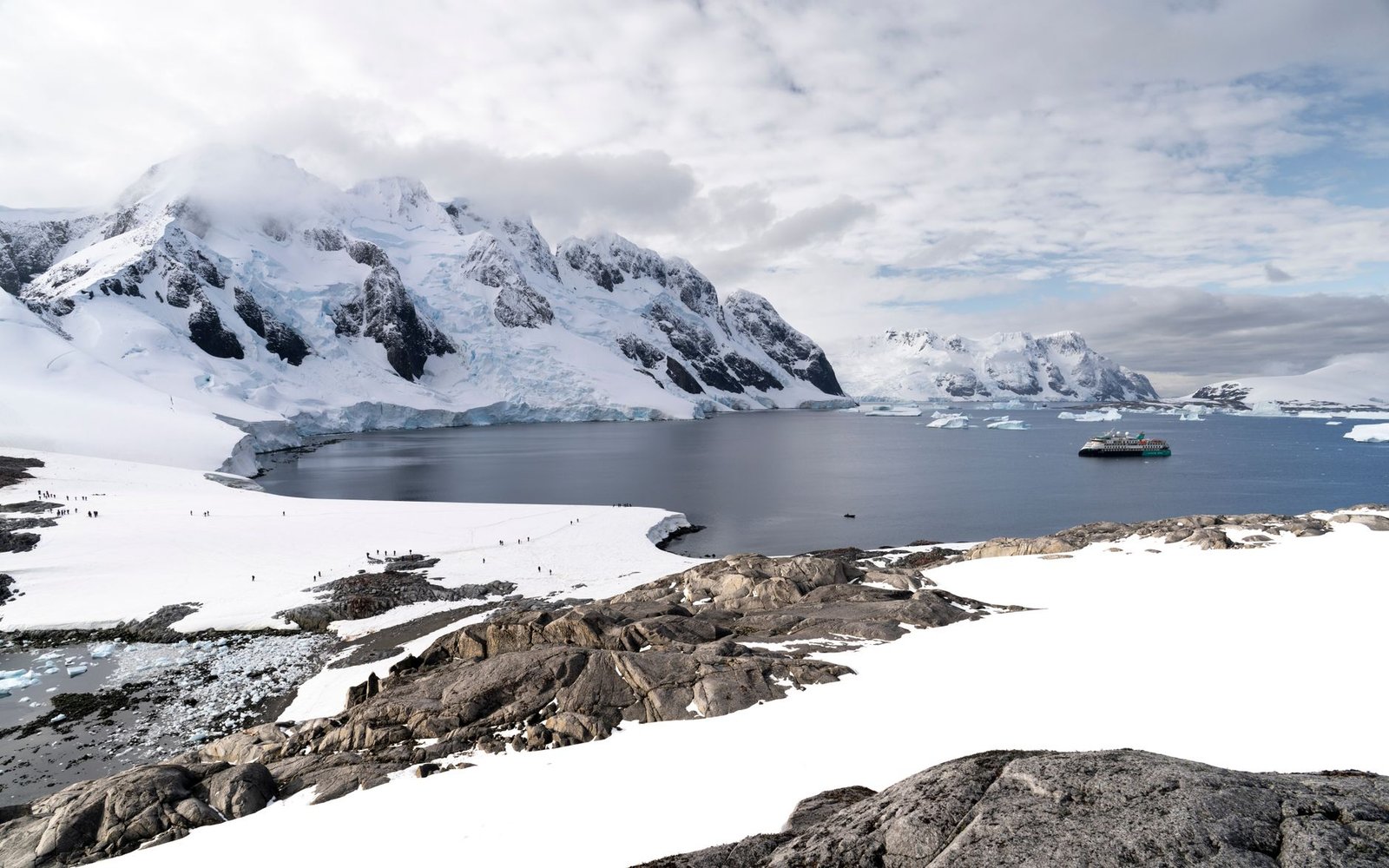
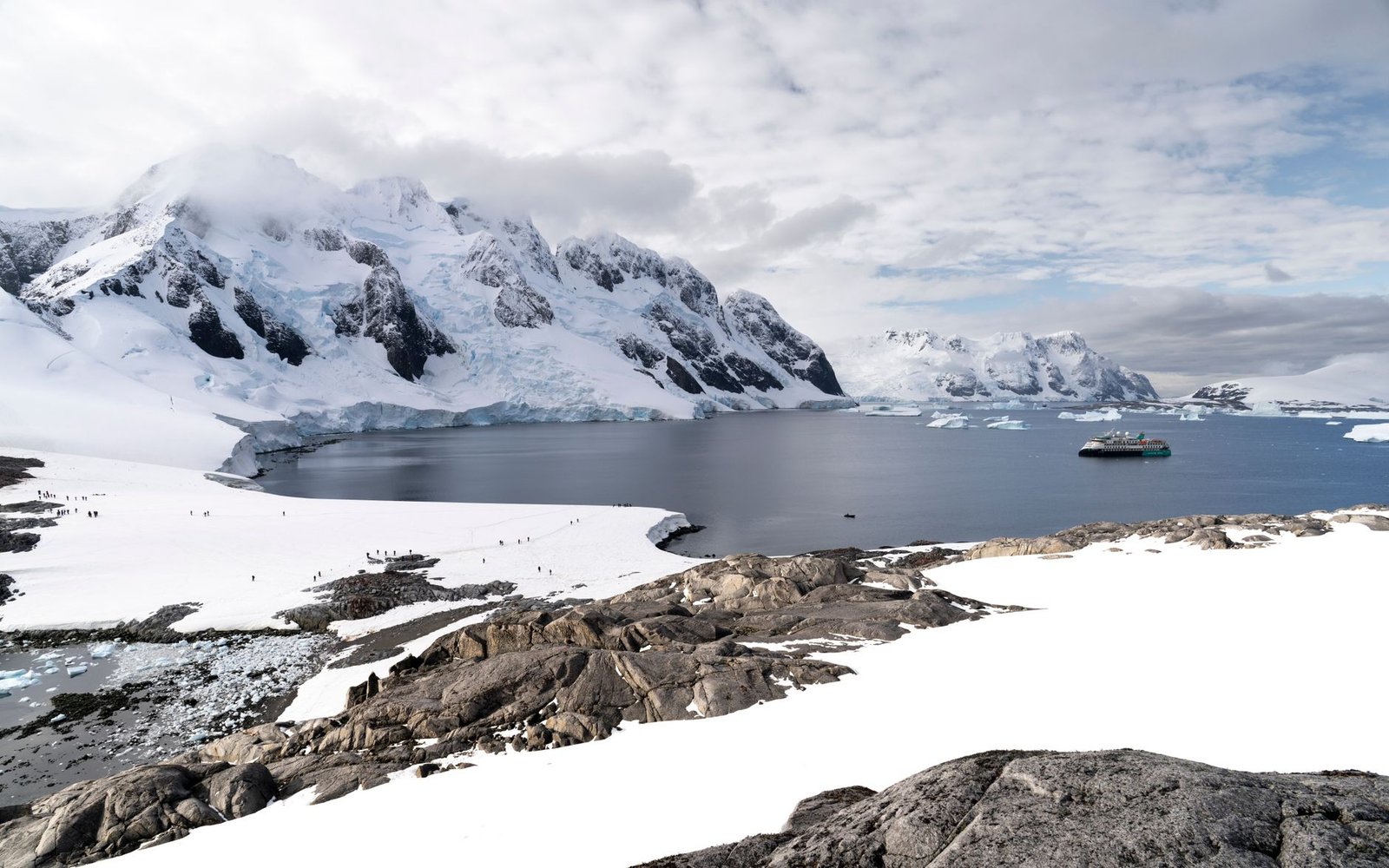
An Antarctica expedition cruise is not just another holiday at sea. It is a transformative journey to one of the most remote, pristine, and awe inspiring places on the planet. Here, travelers witness the pure grandeur of nature in its rawest form—towering glaciers, surreal icebergs, and vast colonies of penguins set against the deep silence of an untouched world.
Yet, many travelers wonder what this adventure really entails. How cold does it get? What will life be like on board? How close can you actually get to the wildlife? In this guide, we will take a detailed look at what you can expect from an expedition cruise to Antarctica so you can prepare confidently and savor every moment of this once in a lifetime experience.
Understanding the Spirit of Antarctic Travel
Traveling to Antarctica is unlike visiting any other destination. There are no hotels, cities, or restaurants waiting at the end of your voyage. What you experience instead is a floating expedition that serves as both your transport and your base camp for exploration.
Antarctica expedition cruises are typically operated by small to mid sized vessels equipped for polar navigation. These ships are built for stability and safety in icy conditions and they host a small number of passengers—usually between 100 and 200—ensuring a more personal and environmentally responsible experience.
Expedition teams onboard often include polar scientists, naturalists, photographers, and historians who share their expertise through daily lectures and guided landings. Their knowledge transforms the journey from mere sightseeing to genuine discovery.
Every cruise follows international protocols set by the International Association of Antarctica Tour Operators (IAATO) which helps preserve the fragile ecosystem and ensure that tourism remains environmentally sustainable.
Life Aboard an Expedition Vessel
While you will not find sprawling pools or glitzy casinos, the comfort on today’s expedition ships is impressive. Travelers can expect cozy cabins with ocean views, excellent dining, and communal areas designed for relaxation and learning.
A typical day at sea might look like this:
- Morning Briefing: The expedition leader outlines the day’s landings and wildlife opportunities. Weather conditions can change quickly in Antarctica, so flexibility is part of the adventure.
- Shore Excursions: Small inflatable boats known as Zodiacs transfer passengers to ice floes, penguin rookeries, or scenic viewpoints.
- Afternoon Exploration: You may kayak among icebergs, hike on a glacier, or simply take in the soaring beauty of a mountain range that very few have ever visited.
- Evening Talks and Socializing: After returning to the vessel, guests gather for expert talks, review photographs, and share stories over a hearty dinner.
Despite being in one of the most remote places on Earth, life aboard an expedition cruise offers a surprising sense of comfort and camaraderie. Many travelers find the strong bonds formed during the voyage are among the most rewarding parts of the experience.
The Unpredictable Beauty of Antarctic Weather
One thing every traveler must understand before setting sail is that the weather dictates everything. Conditions can shift within minutes, altering landing schedules or visibility. Flexibility is not merely recommended—it is essential.
During the austral summer, which runs from November to March, temperatures generally range from 20°F to 40°F but wind chill can make it feel colder. Layers of waterproof and windproof clothing are crucial. Most expedition operators provide detailed packing lists and some even supply specialist outerwear.
The shifting weather also brings dramatic scenery. A sudden snowfall can blanket a penguin colony in silence while a burst of sunlight turns icebergs into glimmering blue sculpture gardens. These constant transformations are part of what makes Antarctica so mesmerizing.
Wildlife Encounters Like Nowhere Else
Antarctica’s wildlife is rich, resilient, and remarkably unafraid of human presence. Visitors often find themselves only meters away from penguins going about their daily routines or seals dozing on ice floes.
Common wildlife sightings include:
- Penguins: Emperor, gentoo, chinstrap, and Adélie penguins are among the star attractions. Each species thrives in different areas, so the types of penguins you see often depend on the route taken by your vessel.
- Seals: Weddell, leopard, and crabeater seals lounge across the ice or swim curiously near Zodiacs.
- Whales: Humpback and minke whales are frequently spotted feeding in icy waters, and lucky travelers sometimes see orcas patrolling the sea.
- Seabirds: Petrels, skuas, and albatrosses dance through crisp southern winds above your ship.
Wildlife viewing is conducted under strict guidelines to avoid disturbing animals. Passengers must maintain respectful distances, avoid sudden movements, and follow the lead of their guides at all times. This approach not only protects the animals but also gives you the chance to observe them in their true natural rhythm.
Landing Sites and Daily Exploration
Landings are the highlights of an expedition cruise and are carefully selected by the Expedition Leader based on weather and ice conditions. Common landing sites include the South Shetland Islands, the Antarctic Peninsula, and occasionally the Weddell Sea region.
Each location offers unique attractions. Some may feature massive colonies of penguins, while others boast surreal ice formations and jaw dropping glacial backdrops. You may hike along snow ridges, visit research stations operated by various nations, or cruise silently through narrow channels surrounded by towering ice cliffs.
Many voyages include Zodiac cruising through areas so full of icebergs and reflections that the world feels upside down. Each day brings a fresh perspective, and no two voyages are ever alike.
Preparation and Practical Tips
An Antarctica cruise requires planning, both physically and mentally. Here are some key considerations to make the most of your expedition:
- Choose the Right Itinerary: Most departures leave from Ushuaia, Argentina, but some also operate from New Zealand or Chile. Voyage lengths vary from 10 to 20 days.
- Pack Smart: Layers are crucial—thermal base layers, fleece mid layers, and waterproof outer shells. Sturdy waterproof boots are usually required for shore landings and may be provided by your cruise operator.
- Stay Healthy: Travel insurance with evacuation coverage is mandatory for all Antarctica visitors. Seas on the Drake Passage can be rough, so motion sickness medication is a wise companion.
- Mind the Gear: Bring a good camera with extra batteries and memory cards. Cold temperatures drain battery life quickly. A pair of binoculars will enhance your wildlife encounters.
Proper preparation ensures you can focus fully on experiencing Antarctica without worrying about comfort or safety.
Environmental Awareness and Responsible Travel
Visiting Antarctica comes with a profound responsibility. Its pristine ecosystem is exceptionally sensitive, and every visitor must follow strict environmental guidelines. Ships involved in Antarctic tourism operate under the IAATO framework, which limits passenger numbers and ensures minimal impact during landings.
Travelers should adopt simple practices that collectively make a big difference:
- Avoid leaving any waste or food behind.
- Refrain from touching or approaching wildlife.
- Use biosecure materials to prevent the spread of non native species.
- Follow the guidance of expedition staff in every setting.
By traveling responsibly, you contribute to the preservation of one of Earth’s purest environments for future generations of explorers.
Conclusion: A Journey That Stays With You Forever
An Antarctic expedition cruise is not defined by luxury or ease but by perspective. To witness colossal glaciers and ancient icebergs, to hear penguins calling across the snow, and to stand in a landscape that has remained unchanged for millennia is an experience that redefines how you see the planet.
Yes, it requires preparation, respect for Mother Nature’s unpredictability, and a measure of courage, but it rewards you with moments of such beauty and stillness that they remain etched in memory forever. Antarctica reminds every traveler that true adventure is not only about where you go, but how deeply you allow yourself to be moved by it.
Further Reading
Best Beaches in Southern Europe
Cheapest Countries to Visit in Africa
Travel to Somalia; How I Traveled to Mogadishu