Introduction
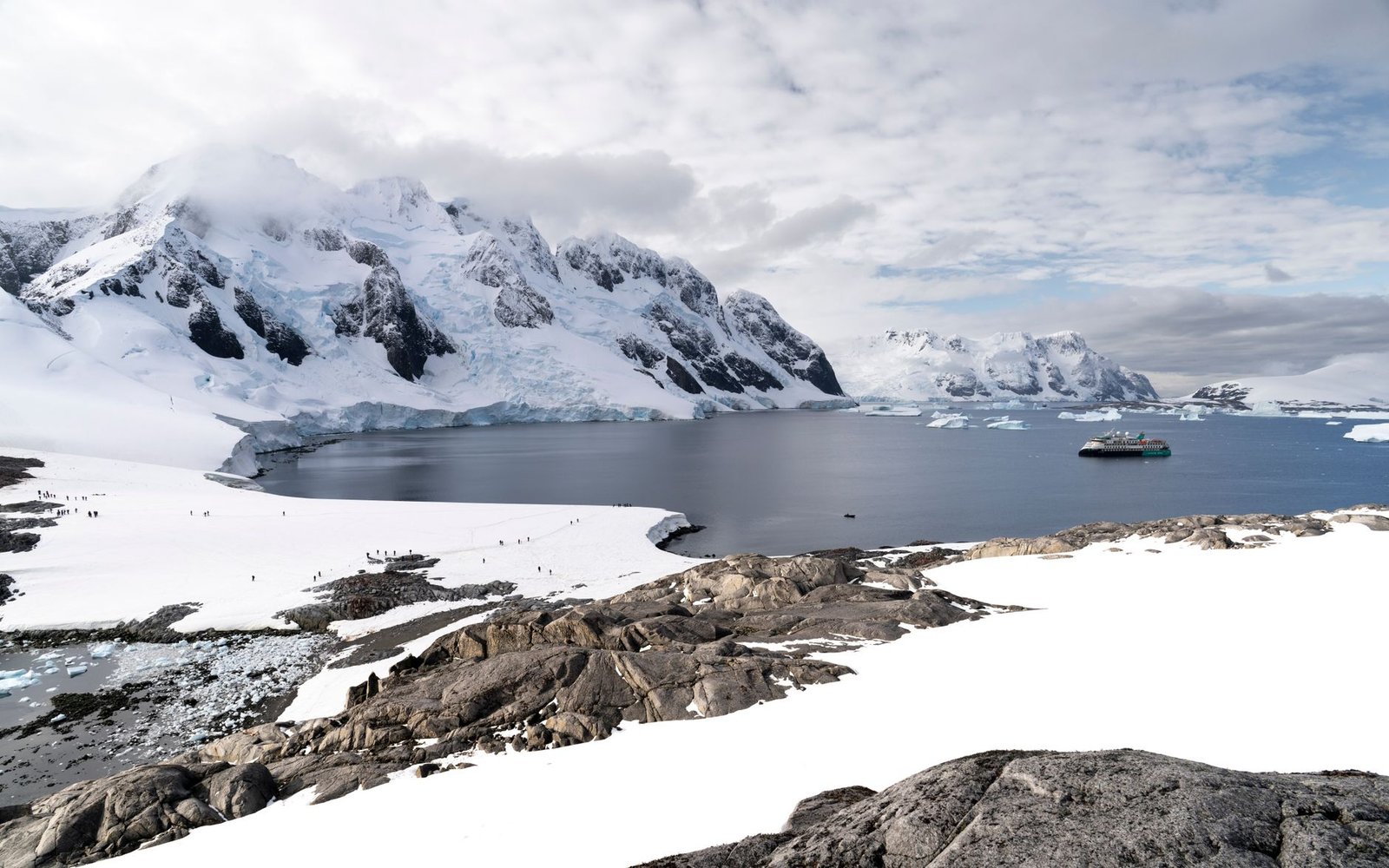
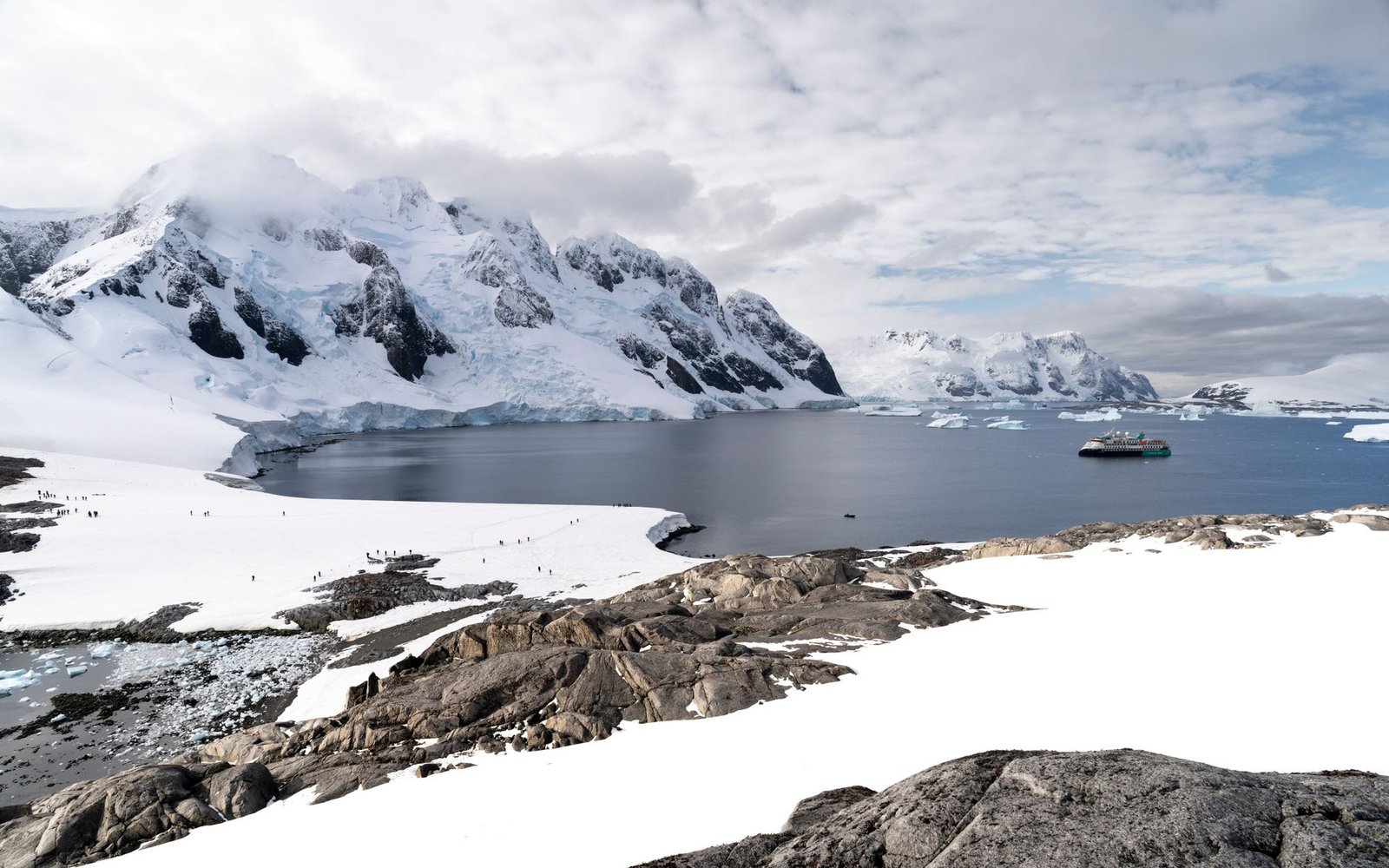
There are few places on Earth that capture the imagination quite like Antarctica. This vast, untouched continent at the southernmost end of the world is pure wilderness, a realm of shimmering glaciers, curious penguins, majestic whales, and icebergs so large they seem to float from another world. For adventurous travelers, setting foot on Antarctica is not just a bucket list item but an expedition in the truest sense.
Planning a journey to the White Continent requires careful preparation and an understanding of its extreme environment. This guide will walk you through everything you need to know to make your Antarctic expedition safe, comfortable, and truly unforgettable. You will learn how to prepare for the conditions, choose the right expedition, pack effectively, and make the most of each surreal encounter in one of the most remote destinations on Earth.
Understanding Travel to Antarctica
Antarctica is not a conventional destination. You cannot simply book a flight and a hotel. Access is controlled by the Antarctic Treaty System, which ensures the protection of this fragile environment. Nearly all visitors arrive via expedition cruise from South America, most commonly departing from Ushuaia, Argentina, the world’s southernmost city.
These voyages typically take between ten to twenty days, depending on the itinerary. Some focus only on the Antarctic Peninsula while others include visits to the South Shetland Islands or even crossings to the South Georgia Islands. The crossing of the Drake Passage, a stretch of water known for its dramatic waves, is part of the adventure itself.
When selecting an expedition, travelers should consider:
- Ship size and type: Smaller vessels with fewer than 200 passengers are often preferred because they allow more landings and provide a deeper sense of exploration.
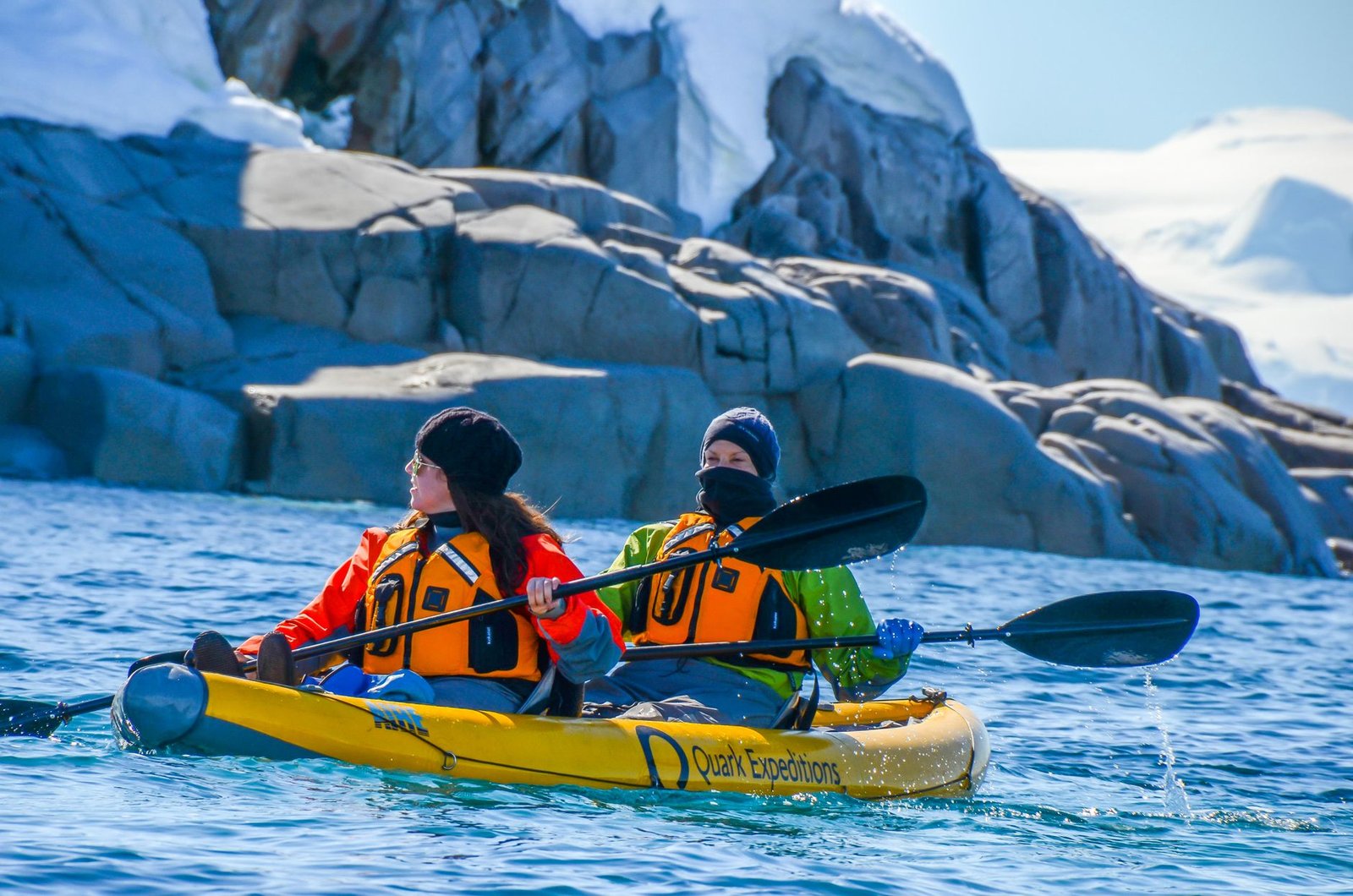
- Itinerary: Some cruises focus on wildlife and photography, while others highlight research stations or offer kayaking and camping adventures.
- Environmental commitment: Choose tour companies that are members of the International Association of Antarctica Tour Operators (IAATO) to ensure sustainable and responsible practices.
When to Visit and What to Expect
The Antarctic travel season runs from late October to March, when the continent experiences continuous daylight and relatively milder temperatures. Each month offers a slightly different experience:
- Early season (October to November): Icebergs are at their most dramatic, and the landscapes are pristine. Penguins begin nesting and mating displays are common.
- Mid season (December to January): Temperatures reach their highest, ranging around freezing point, and daylight lasts nearly 24 hours. This period offers incredible wildlife activity including the hatching of penguin chicks and sightings of seal pups.
- Late season (February to March): Whales are abundant, and sunsets return, painting the icy landscape with soft hues. This is also the best time for photographers seeking unique light conditions.
Weather is unpredictable, and visitors should expect rapid changes from calm sunshine to blizzards within hours. Rather than fearing this variability, view it as part of Antarctica’s raw and awe inspiring charm.
Essential Packing and Gear
Preparing for an Antarctic expedition requires thoughtful packing. Weatherproof and layered clothing is critical, as temperatures and wind can shift quickly. The key is to stay warm, dry, and flexible for frequent outdoor landings.
Clothing essentials include:
- Thermal base layers made of merino wool or synthetic materials that wick moisture
- Insulated mid layers like fleece or down jackets
- Waterproof and wind resistant outer shell jacket and pants
- Insulated gloves and a pair of waterproof over mitts
- Warm hat that covers the ears and a neck gaiter or buff
- Sturdy waterproof boots, often provided by the expedition company
- Sunglasses with UV protection and sunscreen to guard against the intense glare reflected by snow and ice
Also consider practical items such as binoculars, dry bags for electronics, and extra memory cards for your camera. Because you will likely have limited internet access, bringing a favorite book or journal to record reflections adds a rewarding layer to the experience.
Health, Safety, and Environmental Responsibility
Antarctica’s isolation demands that all visitors prioritize health and safety. Expedition teams are equipped with medical professionals, but preparation before departure is important.
Make sure to:
- Obtain comprehensive travel insurance that covers medical evacuation
- Consult your doctor about seasickness medication if you are prone to motion sickness during the Drake Passage crossing
- Keep hydrated and protect exposed skin from sun and wind burn
- Follow all crew safety instructions during shore landings, where icy terrain and wildlife require careful navigation
Equally essential is protecting the environment. Every visitor plays a role in preserving Antarctica’s fragile ecosystem. Tours adhere to strict protocols such as cleaning boots before each landing to prevent introducing foreign species, keeping a respectful distance from wildlife, and never taking natural objects or leaving waste behind. The ethos is simple: take nothing but photographs, leave nothing but footprints.
Making the Most of Your Expedition Experience
Beyond the logistics and packing lists, the true beauty of an Antarctic expedition lies in embracing the profound sense of isolation and wonder the continent evokes. This is a place that challenges your perception of nature and the limits of human presence.
Use your journey as an opportunity to disconnect from digital distractions and reconnect with the raw essence of exploration. Attend on board lectures from naturalists and scientists to gain a deeper understanding of the region’s geology, climate, and wildlife. Participate in guided zodiac landings that bring you close to penguin colonies or crumbling ice cliffs. Keep your camera ready but also take moments to absorb the stillness without a lens in front of you.
For many travelers, the most memorable moments are the quiet ones: the eerie sound of ice cracking in the distance, the spectacle of a whale surfacing beside your boat, or the surreal midnight sun illuminating the frozen horizon.
Conclusion
An expedition to Antarctica is unlike any other journey. It is not a vacation but a pilgrimage to the edge of the world, a reminder of Earth’s grandeur and fragility. With careful preparation, respect for the environment, and a spirit of adventure, travelers can safely and meaningfully experience this extraordinary continent. Whether you stand among a colony of penguins or sail past towering icebergs, you will return with stories that feel like they belong to another planet. The White Continent rewards curiosity, patience, and humility—and it never fails to transform those who visit.
Further Reading
Best Beaches in Southern Europe
Cheapest Countries to Visit in Africa
Travel to Somalia; How I Traveled to Mogadishu
Free Family Things to do in Chicago Today
How to Spend Four Days in Hong Kong