Southeast Asia Itinerary: Discover the Best Destinations and Tips
Explore our detailed Southeast Asia itinerary to uncover amazing destinations, practical tips, and essential travel information for your journey.
Southeast Asia is a vibrant region that attracts millions of travelers each year, offering a rich tapestry of cultures, stunning landscapes, and delicious cuisines. From the idyllic beaches of Thailand to the ancient temples of Cambodia, the diversity of experiences makes it a perfect destination for any traveler. Whether you are a backpacker or a luxury seeker, planning a well-structured itinerary can significantly enhance your journey.
This article provides a comprehensive Southeast Asia itinerary, covering must-visit destinations, travel tips, and practical advice to ensure a memorable adventure. We’ll help you navigate through the best places to visit, the ideal times to go, and how to make the most of your time in this enchanting region.
With an abundance of options, you might wonder where to start. This itinerary will guide you through a well-rounded experience, showcasing the unique offerings of each country in Southeast Asia.
Planning Your Trip
Before embarking on your Southeast Asia adventure, proper planning is crucial. Consider the following aspects:
- Duration: Determine how many days you have for your trip. A well-rounded itinerary typically spans at least two weeks to explore multiple countries.
- Budget: Establish a budget that includes accommodation, food, transportation, and activities. Southeast Asia is known for its affordability, but costs can vary significantly between countries.
- Visa Requirements: Research visa requirements for each country you plan to visit. Some countries offer visa-free entry or visa-on-arrival options for certain nationalities.
Choosing Your Destinations
Each country in Southeast Asia has its unique charm and attractions. Here are some key destinations to consider for your itinerary:
- Thailand: Famous for its stunning beaches, vibrant nightlife, and rich culture. Bangkok, Chiang Mai, and the islands of Phuket and Koh Phi Phi are must-visit spots.
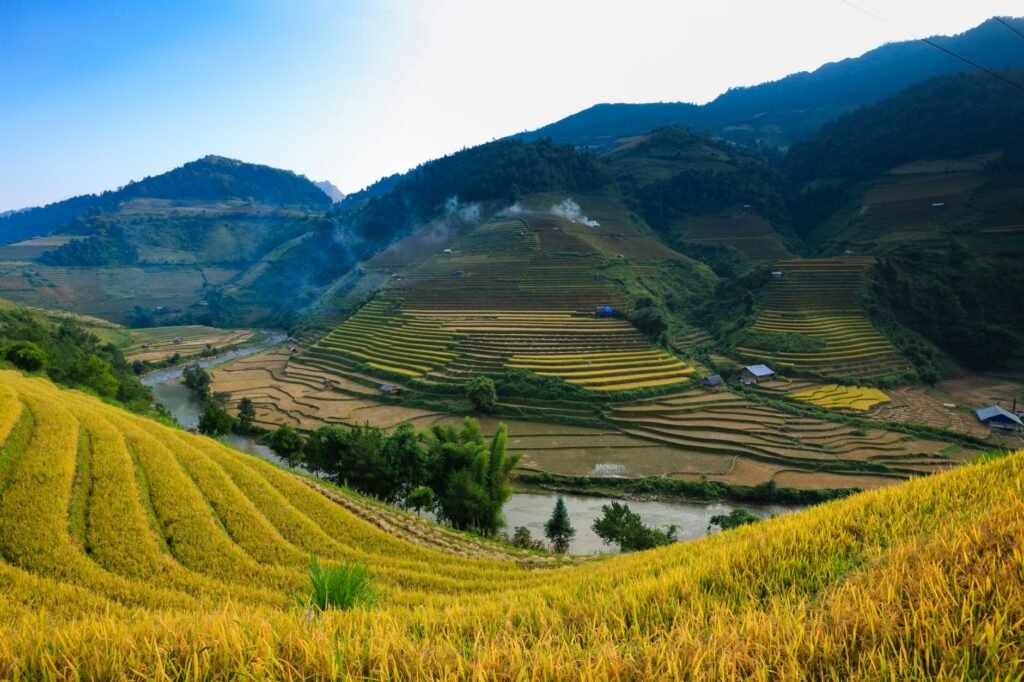
- Vietnam: Known for its breathtaking landscapes, delicious cuisine, and historical sites. Key locations include Hanoi, Ha Long Bay, and Ho Chi Minh City.
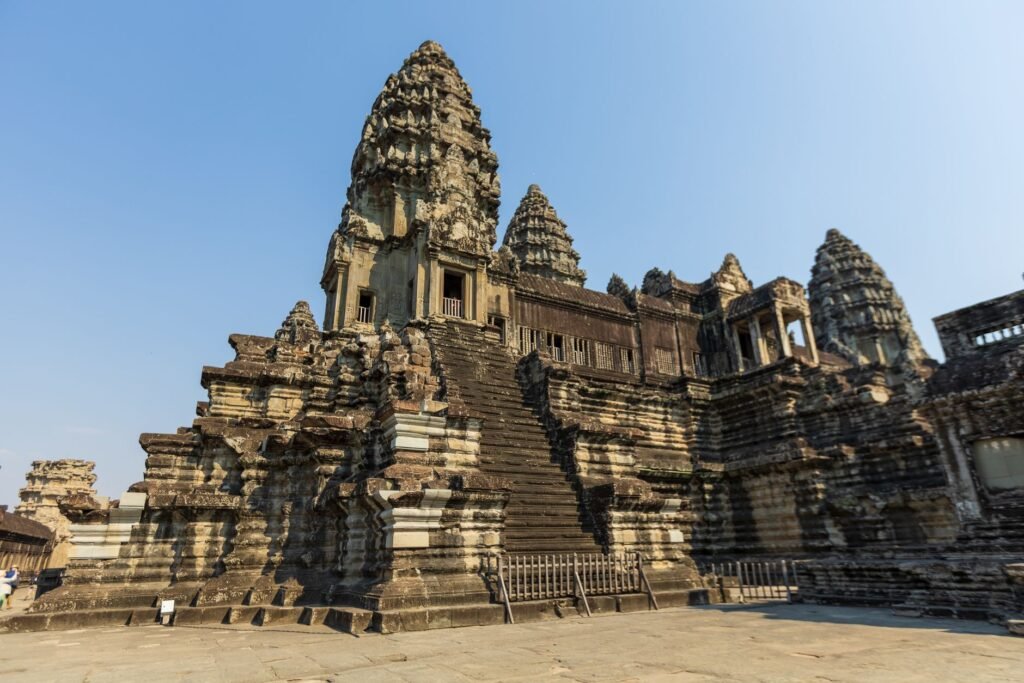
- Cambodia: Home to the awe-inspiring Angkor Wat temple complex. Siem Reap is the gateway to these ancient ruins.
- Indonesia: An archipelago with diverse cultures and landscapes. Bali is a popular destination, but exploring places like Yogyakarta and Komodo Island is rewarding.
- Malaysia: Offers a mix of modernity and tradition. Kuala Lumpur, Penang, and the Cameron Highlands are excellent stops.
Sample 14-Day Southeast Asia Itinerary
Here’s a sample itinerary for a 14-day trip across Southeast Asia, covering Thailand, Vietnam, and Cambodia:
| Day | Destination | Activities |
|---|---|---|
| 1-3 | Bangkok, Thailand | Visit the Grand Palace, Wat Pho, explore floating markets, and enjoy street food. |
| 4-5 | Chiang Mai, Thailand | Explore temples, take a cooking class, and visit an elephant sanctuary. |
| 6-8 | Hanoi, Vietnam | Visit Hoan Kiem Lake, explore the Old Quarter, and take a day trip to Ha Long Bay. |
| 9-10 | Siem Reap, Cambodia | Explore Angkor Wat, visit Ta Prohm, and experience local markets. |
| 11-14 | Ho Chi Minh City, Vietnam | Visit the Cu Chi Tunnels, explore the War Museum, and enjoy shopping at Ben Thanh Market. |
Transportation in Southeast Asia
Getting around Southeast Asia can be an adventure in itself. Here are some common modes of transportation:
- Air Travel: Domestic flights are a convenient way to cover longer distances. Airlines like AirAsia and VietJet offer budget options.
- Buses: Buses are popular for overland travel and are often the most economical choice. Consider overnight buses for longer routes.
- Trains: Countries like Thailand and Vietnam have train networks that offer scenic views and comfortable travel.
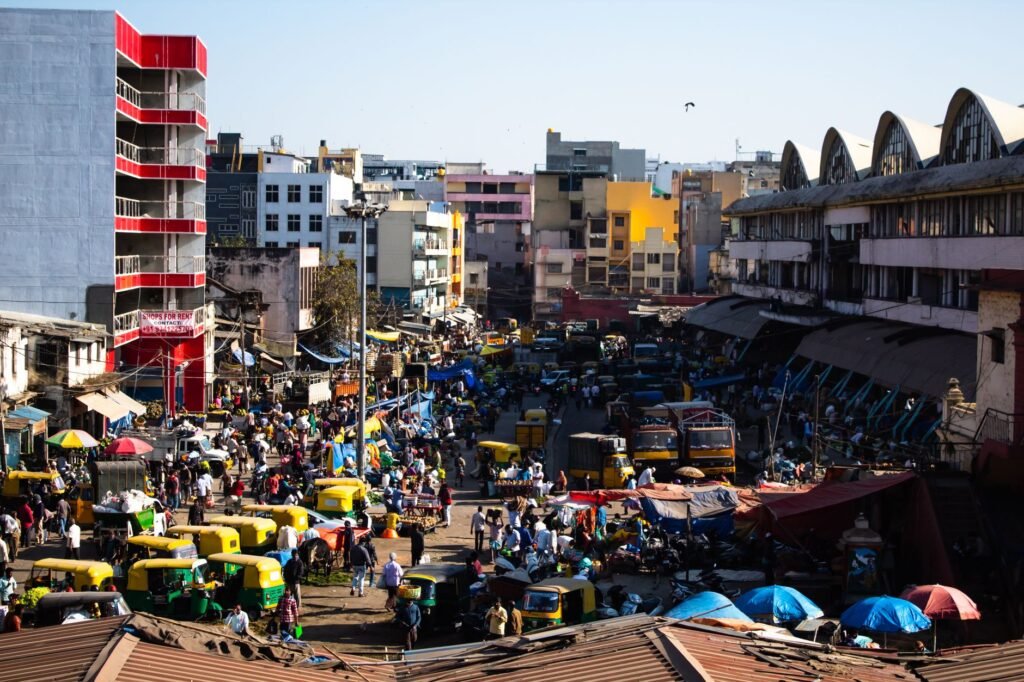
- Local Transport: Tuk-tuks, taxis, and ride-sharing services like Grab are widely available in cities. Always negotiate fares or use a meter.
Best Time to Visit Southeast Asia
The best time to visit Southeast Asia varies by country and region, but generally, the dry season from November to February is ideal. Here’s a breakdown:
- Thailand: November to February offers cooler, dry weather. Avoid the rainy season from May to October.
- Vietnam: North Vietnam is best from October to December, while the South is ideal from December to April.
- Cambodia: November to February is pleasant, with lower humidity.
- Malaysia and Indonesia: The dry season runs from May to September, although Malaysia sees some rain year-round.
Health and Safety Tips
Traveling in Southeast Asia is generally safe, but it’s wise to take precautions. Here are some health and safety tips:
- Health Precautions: Vaccinations for Hepatitis A, Typhoid, and Tetanus are recommended. Always drink bottled or boiled water.
- Safety: Be aware of your surroundings, especially in crowded areas. Use reputable transportation options and avoid walking alone at night.
- Travel Insurance: Consider purchasing travel insurance to cover unexpected medical expenses or trip cancellations.
Gastronomic Adventures: Exploring Southeast Asia’s Culinary Scene
Street Food: A Cultural Experience
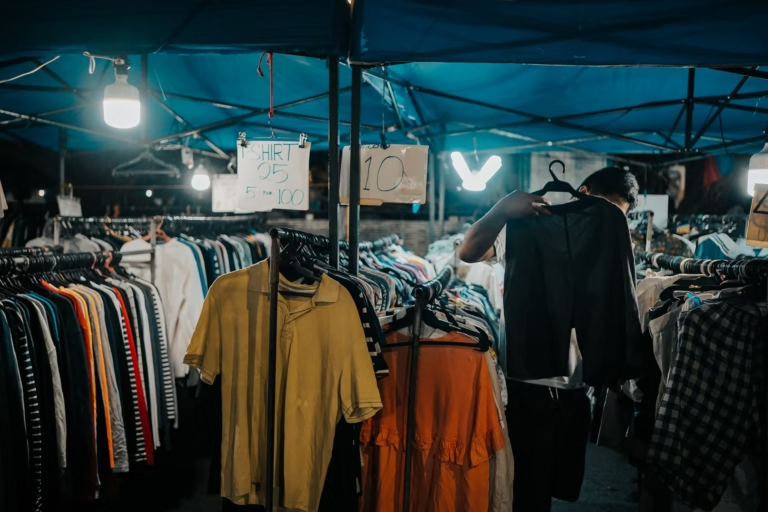
Southeast Asia is renowned for its vibrant street food culture, offering travelers an opportunity to indulge in local flavors while immersing themselves in the daily life of the region. From bustling night markets in Thailand to the tantalizing food stalls in Vietnam, street food is not just about eating; it’s an experience. The dishes are often prepared right in front of you, creating a lively atmosphere that showcases the skills of local chefs.
Some must-try street food items include:
- Pad Thai – A classic Thai stir-fried noodle dish.
- Ban Mi – A flavorful Vietnamese sandwich filled with meats and fresh vegetables.
- Nasi Lemak – Malaysia’s national dish featuring coconut rice, fried chicken, and sambal.
- Som Tum – A spicy green papaya salad from Thailand.
Cooking Classes: Learn from the Locals
Participating in a cooking class is an excellent way to deepen your understanding of Southeast Asian cuisine. Many classes include a market tour where you can select fresh ingredients, followed by hands-on cooking sessions. This not only provides insight into the culinary traditions of the region but also equips you with skills you can take home.
Some popular cooking classes are:
- Baipai Thai Cooking School – Located in Bangkok, known for its immersive experience.
- Hanoi Cooking Centre – Offers classes focusing on traditional Vietnamese dishes.
- Culinary Adventures in Bali – Combines cooking with a cultural experience, including local temples.
Regional Specialties and Unique Ingredients
Each Southeast Asian country has its own unique culinary identity, often defined by local ingredients and traditional recipes. Understanding these specialties can enhance your culinary journey. For instance, use of fresh herbs like lemongrass, galangal, and kaffir lime leaves is prevalent across many dishes in the region.
Some regional specialties include:
- Tom Yum Goong – A fragrant Thai soup with shrimp, lemongrass, and chili.
- Bún Chả – A Vietnamese dish featuring grilled pork served with noodles.
- Rendang – A rich and spicy Indonesian meat dish cooked in coconut milk and spices.
Eco-Tourism: Sustainable Travel in Southeast Asia
Understanding Eco-Tourism Principles
Eco-tourism focuses on responsible travel to natural areas, conserving the environment, and improving the well-being of local people. In Southeast Asia, this form of tourism is gaining popularity as travelers become more aware of their impact on the environment. By choosing eco-friendly options, you can support conservation efforts while enjoying the beauty of nature.
Key principles of eco-tourism include:
- Conservation of natural resources – Protecting the environment and biodiversity.
- Community involvement – Supporting local economies and cultures.
- Education – Raising awareness about environmental issues.
Top Eco-Friendly Destinations
Southeast Asia boasts several eco-friendly destinations where travelers can engage in sustainable practices. These locations often feature eco-lodges, community-based tourism, and activities that promote environmental stewardship. For example, Bali is well known for its commitment to sustainable practices, with many accommodations implementing green policies.
Some top eco-friendly destinations are:
- Chiang Mai, Thailand – Offers eco-lodges and sustainable elephant sanctuaries.
- Siem Reap, Cambodia – Features community-based tourism initiatives supporting local villagers.
- Langkawi, Malaysia – Known for its natural parks and conservation efforts.
Activities to Embrace Eco-Tourism
Engaging in eco-friendly activities can enrich your travel experience while minimizing your environmental footprint. Eco-tourism activities might include hiking in national parks, participating in wildlife conservation programs, or volunteering with local communities. These activities not only allow you to connect with nature but also provide support to local conservation efforts.
Popular eco-tourism activities include:
- Forest trekking – Explore the biodiversity of rainforests in Borneo.
- Wildlife spotting – Join guided tours in national parks like Khao Sok in Thailand.
- Community volunteering – Work with local NGOs on conservation projects.
Cultural Immersion: Engaging with Local Traditions
Participating in Festivals and Events
One of the most enriching ways to experience Southeast Asia is by participating in local festivals and events. These celebrations offer a glimpse into the cultural heritage, traditions, and communal spirit of the region. Each country has its unique festivals that are tied to historical, religious, and seasonal events.
Some notable festivals include:
- Songkran – The Thai New Year celebrated with water fights and cultural ceremonies.
- Hari Raya Aidilfitri – A significant Muslim festival celebrated in Malaysia and Indonesia.
- Tet Festival – Vietnamese Lunar New Year with vibrant parades and family gatherings.
Engaging with Local Communities
To immerse yourself in the local culture, consider engaging directly with communities. This could involve homestays, participating in traditional craft workshops, or volunteering with local organizations. Such interactions foster mutual respect and understanding, allowing you to learn about traditions and lifestyles that differ from your own.
Some options for community engagement include:
- Homestays – Stay with a local family to experience daily life and customs.
- Workshops – Participate in local craft-making, such as batik in Indonesia or pottery in Vietnam.
- Volunteering – Get involved with local NGOs focused on education or environmental conservation.
Understanding Local Etiquette and Customs
Each country in Southeast Asia has its own set of customs and etiquette rules that travelers should be aware of to show respect and avoid misunderstandings. Learning about these cultural norms enhances your experience and fosters positive interactions with locals. For example, in Thailand, it is important to remove shoes before entering homes and temples.
Key customs to observe include:
- Greetings – Use a respectful greeting, such as the ‘wai’ in Thailand.
- Dining etiquette – Familiarize yourself with local dining customs, such as using chopsticks in Vietnam.
- Dress code – Dress modestly when visiting religious sites, covering shoulders and knees.
Off the Beaten Path: Lesser-Known Destinations
Exploring Luang Prabang, Laos
Often overshadowed by more tourist-heavy destinations, Luang Prabang is a UNESCO World Heritage site that offers a peaceful retreat. Nestled between the Mekong and Nam Khan rivers, this city is known for its well-preserved architecture and stunning natural scenery. Visitors can explore ancient temples such as Wat Xieng Thong, which is renowned for its intricate mosaics and serene atmosphere.
In addition to its cultural heritage, Luang Prabang provides opportunities for outdoor activities. The nearby Kuang Si Falls, with its turquoise pools, is perfect for a day trip. Travelers can also enjoy a boat ride on the Mekong River, which offers breathtaking views of the surrounding landscape.
- Tip: Visit the morning alms ceremony where monks collect offerings, a sacred tradition that highlights local culture.
- Tip: Sample local delicacies at the night market, including Laotian street food.
Adventure in Sihanoukville, Cambodia
Sihanoukville is rapidly gaining recognition for its stunning beaches and vibrant nightlife. While destinations like Siem Reap receive more visitors, Sihanoukville offers a laid-back atmosphere with beautiful coastlines. Otres Beach is a quieter option, ideal for sunbathing, swimming, and enjoying beachside cafes.
For adventure seekers, island hopping is a must. Koh Rong and Koh Rong Samloem are nearby islands known for their pristine beaches and crystal-clear waters. Activities like snorkeling, diving, and even zip-lining can be found here, making it an ideal destination for thrill-seekers.
- Tip: Check ferry schedules ahead of time to ensure a smooth island-hopping experience.
- Tip: Stay in a beach bungalow for a unique experience surrounded by nature.
Understanding Local Etiquette
Respecting Cultural Norms
Cultural sensitivity is crucial when traveling in Southeast Asia. Each country has its own customs that visitors should be aware of to avoid unintentional offense. For example, in Thailand, it is considered disrespectful to touch someone on the head, as the head is viewed as sacred. Similarly, when visiting temples, it is important to dress conservatively, covering shoulders and knees.
In addition to dress codes, understanding local greetings can enhance your interactions. A simple ‘wai’ gesture in Thailand, where you press your palms together and bow slightly, is a respectful way to greet locals. Learning a few basic phrases in the local language can also go a long way in building rapport.
- Tip: Research specific cultural practices of each country you plan to visit.
- Tip: Always ask permission before taking photos of people, especially in rural areas.
Dining Etiquette Across Borders
Dining customs vary significantly throughout Southeast Asia. In Vietnam, meals are often communal, and it is polite to try a bit of everything offered. Conversely, in Malaysia, it is common to eat with your right hand, especially when enjoying traditional dishes. Observing how locals eat can provide valuable insights into their culture.
When dining out, tipping practices also differ. In some countries, like Indonesia, rounding up the bill or leaving small change is appreciated, while in others, such as Singapore, a service charge is typically included. Being aware of these nuances can improve your dining experience.
- Tip: Familiarize yourself with the local dining etiquette to enhance social interactions.
- Tip: Try street food but ensure it is from a vendor with a good reputation for cleanliness.

Unique Activities to Enhance Your Experience
Participating in Local Festivals
Southeast Asia is rich in festivals that showcase cultural heritage, and attending a local festival can provide deep insights into the region’s traditions. For instance, the Yi Peng Lantern Festival in Chiang Mai, Thailand, where thousands of lanterns are released into the sky, is a breathtaking spectacle that attracts many visitors.
Another vibrant celebration is Bali’s Nyepi, or Day of Silence, where the island comes to a standstill for a day of reflection. Experiencing these festivals allows travelers to engage with local customs and understand the significance of these events within the community.
- Tip: Check local calendars to align your trip with these vibrant celebrations.
- Tip: Respect local customs during festivals, as they often involve strict traditions.
Volunteering Opportunities
For those looking to give back while traveling, Southeast Asia offers numerous volunteer opportunities that cater to various interests. Organizations focus on education, wildlife conservation, and community development, allowing travelers to make a positive impact during their visit. In Thailand, for example, programs exist to assist in teaching English to children in rural schools.
Volunteering not only benefits local communities but also provides a unique perspective on the challenges they face. Engaging with locals and understanding their needs can be incredibly rewarding, enhancing your travel experience.
- Tip: Research reputable organizations to ensure your time and efforts are well-directed.
- Tip: Be open-minded and adaptable, as volunteer work may differ from expectations.
Frequently Asked Questions
What is the best way to travel between countries in Southeast Asia?
Air travel is the quickest way to cover long distances between countries, while buses and trains are more economical options for shorter trips.
What should I pack for a trip to Southeast Asia?
Pack lightweight clothing suitable for warm weather, comfortable footwear, swimwear, sunscreen, insect repellent, and any necessary medications.
Is it safe to travel alone in Southeast Asia?
Yes, many travelers explore Southeast Asia solo and report positive experiences. However, it’s essential to take standard safety precautions.
What is the currency used in Southeast Asia?
Each country has its currency: Thai Baht in Thailand, Vietnamese Dong in Vietnam, and Cambodian Riel in Cambodia, among others.
The Bottom Line
A well-planned Southeast Asia itinerary can lead to unforgettable experiences across diverse cultures, stunning landscapes, and delectable cuisines. By considering the best destinations, transportation options, and safety tips, you can create a memorable trip that highlights the unique charm of this captivating region.
Visa rules, prices and opening times change. Always confirm details with official sources before you travel.