Motorbiking Southeast Asia: An Adventurer’s Guide
Explore motorbiking Southeast Asia with practical tips, itineraries, and safety advice for an unforgettable adventure on two wheels.
Motorbiking Southeast Asia is not just a mode of transportation; it’s a thrilling way to experience the diverse cultures, breathtaking landscapes, and vibrant street life of the region. From the bustling streets of Bangkok to the serene beaches of Vietnam, riding on two wheels provides a unique perspective that can’t be matched by any other form of travel.
This guide will provide you with practical information about motorbiking in Southeast Asia, including the best routes, safety tips, and what to expect when renting a motorcycle. Whether you’re a seasoned rider or a novice looking to embark on this adventure, you’ll find valuable insights to help you prepare for your journey.
The idea of exploring Southeast Asia on a motorbike is appealing to many, offering freedom and flexibility to navigate off the beaten path. However, it’s essential to approach this adventure with caution and preparation. This guide aims to equip you with all the necessary information to ensure a safe and enjoyable experience.
Choosing Your Destination
Southeast Asia is a vibrant region with diverse landscapes and cultures, making it a prime destination for motorbiking enthusiasts. Here are some of the most popular countries to consider:
- Thailand: Known for its stunning beaches, lush mountains, and rich history, Thailand offers a variety of routes. The Mae Hong Son Loop is a favorite among motorcyclists.
- Vietnam: With its dramatic landscapes and bustling cities, Vietnam’s Highway 1 provides an iconic journey from north to south, while the Ho Chi Minh Trail leads through stunning rural areas.
- Laos: Less touristy than its neighbors, Laos offers beautiful scenery and quiet roads. The road from Luang Prabang to Vang Vieng is particularly scenic.
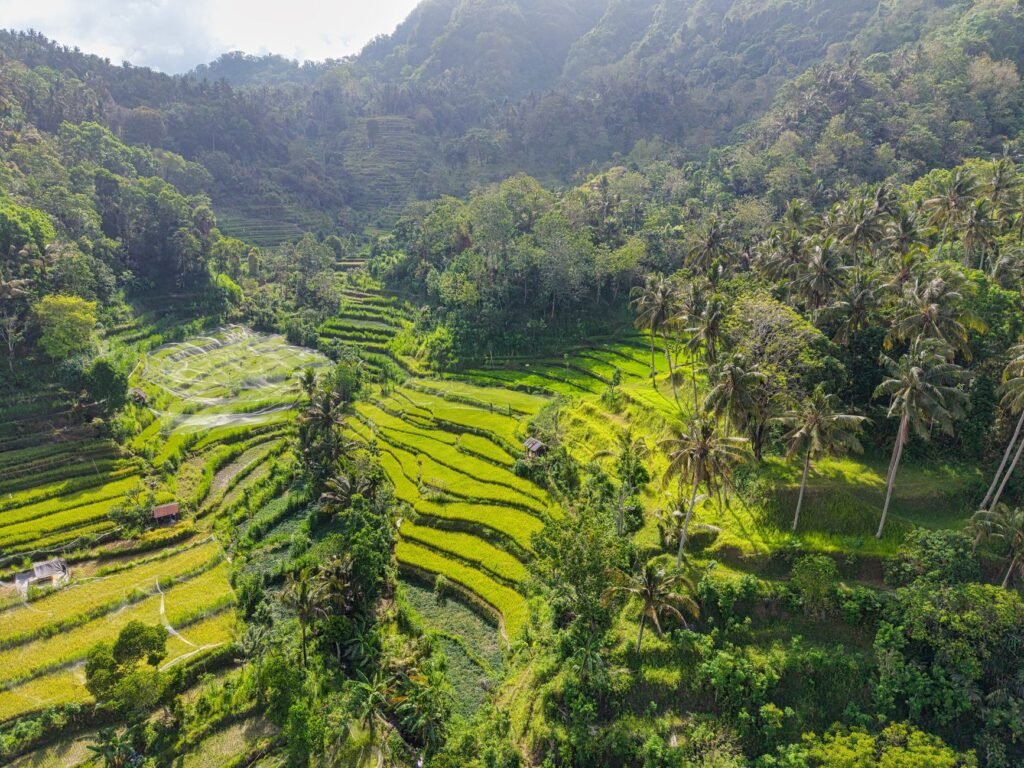
- Indonesia: The islands of Bali and Lombok are popular for motorbiking, featuring picturesque coastal roads and lush interior landscapes.
Each of these countries has its unique charm and challenges, so consider your interests and riding experience when choosing your destination.
Planning Your Route
Once you’ve selected your country, planning your route is essential. Here are some tips to consider:
- Research Popular Routes: Look for well-known motorbiking routes like the Mae Hong Son Loop in Thailand or the Hai Van Pass in Vietnam. These routes often have beautiful scenery and attractions along the way.
- Be Flexible: While it’s good to have a rough itinerary, the beauty of motorbiking is the ability to explore spontaneously. Allow for changes in your plans based on recommendations from locals or fellow travelers.
- Consider the Weather: Southeast Asia has a tropical climate, which can vary significantly between countries and seasons. Check the weather forecasts and plan your travels accordingly to avoid the rainy season.
Example: A traveler named Alex planned a week-long trip through Thailand, focusing on the northern regions. He researched the Mae Hong Son Loop, which allowed him to visit remote villages and enjoy the stunning mountain scenery. However, he kept his itinerary flexible, allowing him to stop at local markets and hidden waterfalls along the way.
Motorbike Rental Options
Renting a motorbike is typically straightforward in Southeast Asia, but it’s essential to know your options and the associated costs. Here’s what to consider:
- Type of Bike: Depending on your comfort level and the terrain, you can choose between scooters (usually 110cc to 150cc) and larger motorcycles (250cc and above). Scooters are ideal for city riding and light touring, while larger bikes are better for longer distances and rougher terrains.
- Rental Costs: Prices can vary widely depending on the country and bike type. On average, expect to pay between $5 to $15 per day for a scooter and $15 to $30 for larger bikes. Always inquire about the deposit required and insurance coverage.
- Rental Agreements: Carefully read the rental agreement. Check for included insurance, fuel policies, and any restrictions on where you can ride. It’s advisable to take photos of the bike before renting to avoid disputes over damages later.
In many places, you can also find rental shops that cater specifically to tourists, offering guided tours and routes to enhance your experience.
Safety Considerations
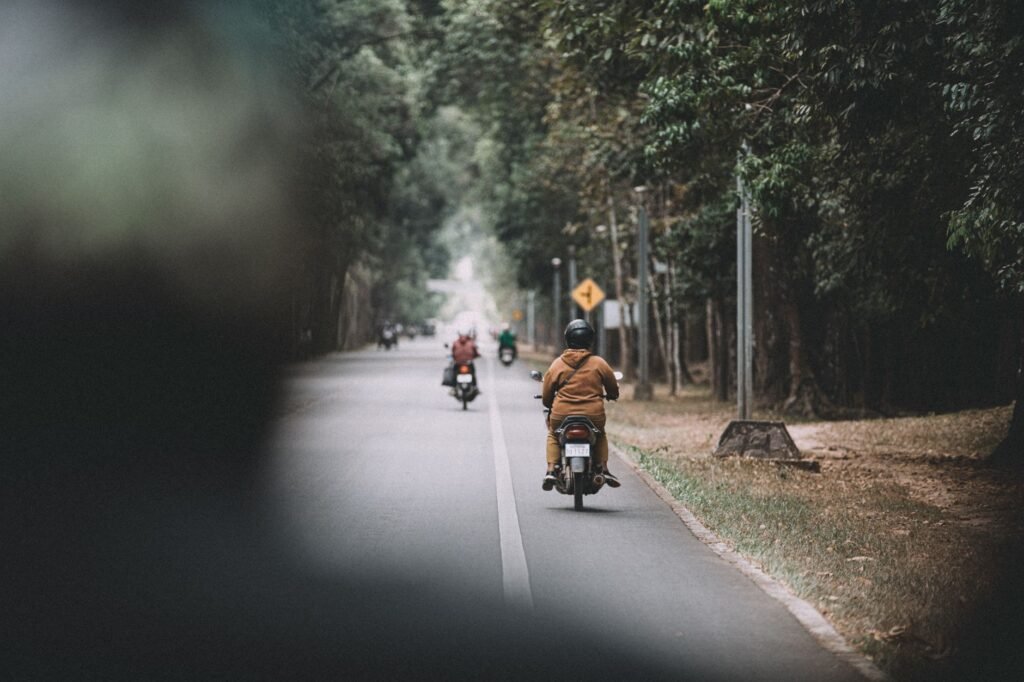
Safety should be a top priority when motorbiking in Southeast Asia. Here are several important tips:
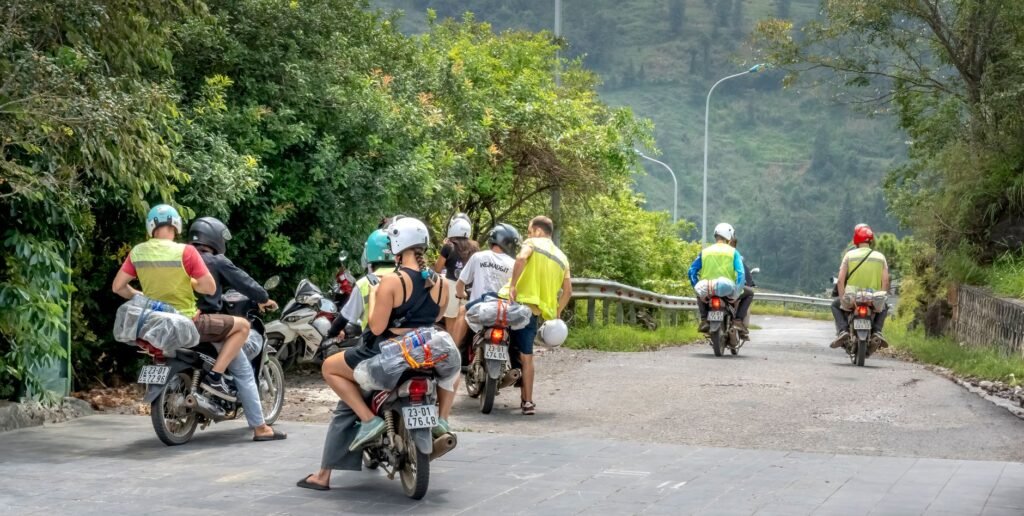
- Wear Protective Gear: Always wear a helmet and appropriate clothing. Protective jackets, gloves, and pants can significantly reduce injuries in case of an accident.
- Understand Local Traffic Rules: Traffic patterns can be chaotic. Familiarize yourself with local driving customs, as they may differ from what you’re used to. For example, in many Southeast Asian countries, driving is on the left side of the road.
- Stay Vigilant: Be aware of your surroundings, especially in busy urban areas. Watch out for pedestrians, other vehicles, and unexpected road conditions, like potholes or loose gravel.
Consulting local authorities or travel forums can provide additional insights into driving conditions and safety concerns specific to the area you are visiting.
Understanding Legal Requirements
Before embarking on your motorbiking adventure, ensure you comply with the legal requirements of the country you are visiting:
- International Driving Permit (IDP): Many countries require an IDP alongside your home country’s driver’s license. It’s crucial to have this to avoid fines or complications in case of an accident.
- Insurance: Check that your travel insurance covers motorbiking. Some policies specifically exclude coverage for motorcycle riding, so read the fine print carefully.
- Local Regulations: Be aware of specific regulations, such as age limits for riding or restrictions on certain roads. For example, some national parks may not allow motorbikes.
Being informed about these legalities will help ensure a smoother experience and keep you safe while exploring.
Costs of Motorbiking in Southeast Asia
Understanding the costs associated with motorbiking in Southeast Asia can help you budget effectively. Here’s a breakdown of typical expenses:
| Expense | Estimated Cost (USD) |
|---|---|
| Motorbike Rental (per day) | $5 – $30 |
| Fuel (per liter) | $0.50 – $1.00 |
| Accommodation (per night) | $10 – $50 |
| Food (per meal) | $2 – $10 |
| Insurance (per day) | $1 – $5 |
These estimates can vary based on location, type of accommodation, and personal spending habits, so it’s wise to have a buffer in your budget.
Essential Gear for Motorbiking in Southeast Asia
Protective Clothing
When embarking on a motorbiking adventure in Southeast Asia, the importance of protective clothing cannot be overstated. A good quality helmet is non-negotiable; it should meet safety standards and fit snugly. Look for additional features such as a face shield or ventilation systems to enhance comfort during long rides in the heat.
Besides helmets, riders should invest in durable, abrasion-resistant jackets and pants. These should ideally have reinforced padding at critical areas such as elbows, knees, and shoulders. Many brands offer lightweight options that are perfect for tropical climates, ensuring that comfort is maintained without compromising safety.
- Full-face helmet
- Motorcycle jacket with armor
- Long pants made from durable materials
- Riding gloves
- Waterproof boots
Navigation Tools
Navigating the roads of Southeast Asia can be a thrilling yet challenging experience. While GPS applications on smartphones are popular, having a physical map as a backup can be invaluable, especially in remote areas with poor signal coverage. Consider downloading offline maps before your journey begins to ensure you remain on track.
Additionally, a portable power bank can be a lifesaver, keeping your devices charged during long rides. Many riders also find it useful to invest in a tank bag with a clear top to hold their smartphone for easy access to navigation apps while riding.
- Smartphone with offline maps
- Portable power bank
- Physical road map
- Tank bag for easy access
Emergency Kit
Accidents can happen, and being prepared can make a significant difference. An emergency kit should include basic first aid supplies such as band-aids, antiseptic wipes, and pain relievers. Additionally, including items like a multi-tool, tire repair kit, and a flashlight can also be beneficial.
Furthermore, it’s wise to have a list of local emergency contacts and the nearest hospitals saved on your phone or written down in your kit. This preparation can provide peace of mind as you traverse through various terrains and remote locations.
- First aid supplies
- Multi-tool
- Tire repair kit
- Flashlight with extra batteries
- Emergency contact list
Engaging with Local Culture
Respecting Local Customs
Motorbiking through Southeast Asia offers an incredible opportunity to engage with diverse cultures. However, it is crucial to be respectful of local customs. For instance, in many countries, it is considered disrespectful to wear revealing clothing when visiting religious sites. Always dress modestly and remove your shoes when entering temples.
Additionally, understanding basic etiquette, such as greeting locals with a smile and acknowledging their presence, will foster goodwill. Engaging in friendly conversation can sometimes lead to unexpected friendships and enrich your travel experience.
- Dress modestly in religious sites
- Learn a few local phrases
- Ask for permission before taking photos of people
- Participate in local festivals or events
Food and Dining Experiences
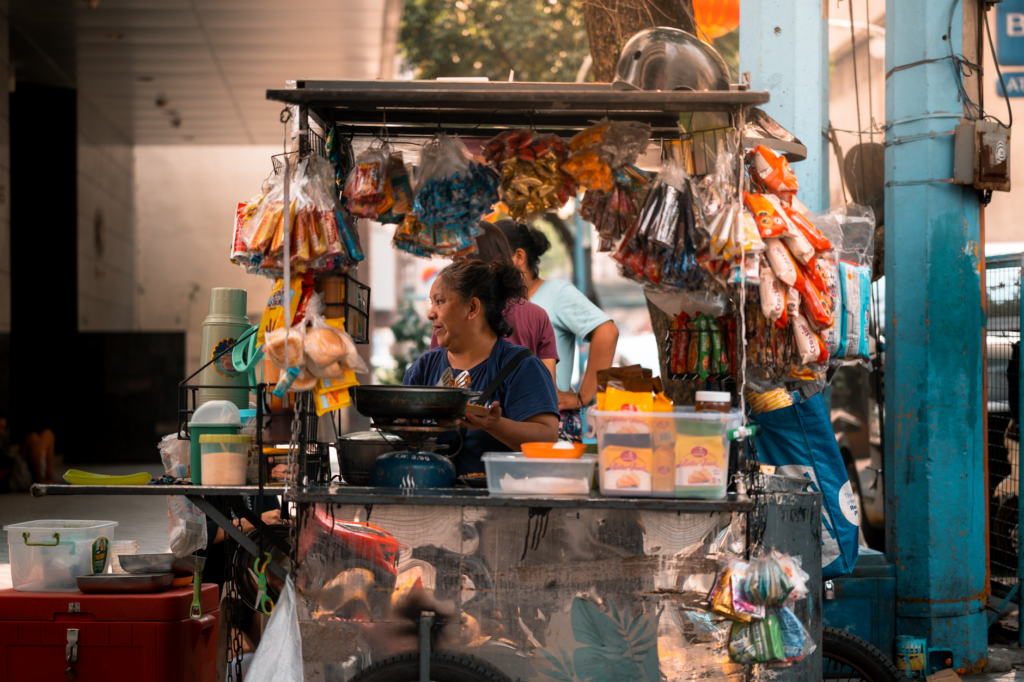
One of the most rewarding aspects of traveling through Southeast Asia is experiencing the local cuisine. Motorbiking allows you to explore off-the-beaten-path eateries that offer authentic dishes. Street food is often an adventure in itself, with stalls serving everything from grilled skewers to exotic fruits. Always opt for busy stalls, as high turnover generally means fresher food.
Consider participating in cooking classes to immerse yourself in the culinary culture. Many tours combine motorbiking with cooking lessons in local homes, allowing travelers to learn traditional recipes and cooking techniques firsthand.
- Visit local markets for fresh ingredients
- Try regional specialties
- Participate in cooking classes
- Ask locals for their dining recommendations
Community Interaction
Interacting with local communities can provide insights into their way of life. Participating in community initiatives, such as environmental clean-up days or cultural exchanges, can leave a positive impact while enhancing your travel experience. Many areas have volunteer opportunities where you can help with teaching, farming, or conservation efforts.
Furthermore, staying in homestays or guesthouses run by local families can provide a deeper understanding of the culture. These accommodations often include shared meals and guided tours that showcase local traditions and lifestyles.
- Engage in local volunteer projects
- Choose homestays for accommodation
- Attend community events or markets
- Learn about local crafts or skills
Navigation and Terrain Challenges
Understanding Road Conditions
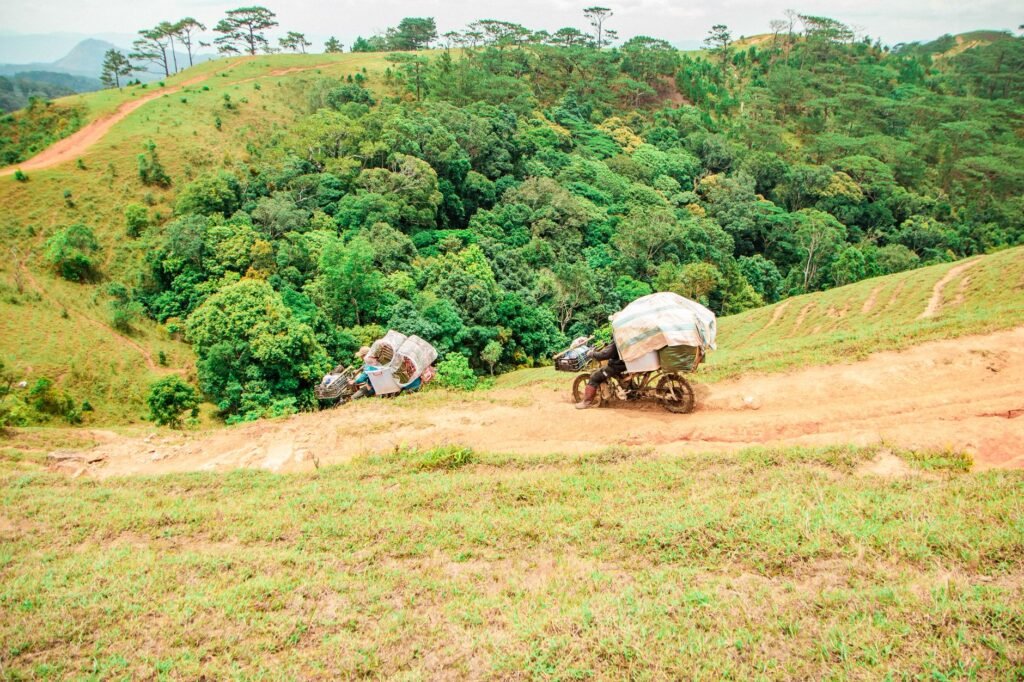
The terrain in Southeast Asia varies dramatically, from well-paved highways to rugged mountain paths. Understanding the type of roads you will encounter is crucial for a safe journey. In urban areas, roads can be congested and chaotic, while rural routes may have potholes or unpaved sections. Familiarize yourself with local driving habits, as they can differ significantly from what you may be used to.
Before setting out on longer trips, check local advisories for road conditions, especially during the rainy season when flooding can occur. It’s also wise to keep an eye out for wildlife and livestock on rural roads.
- Research road conditions before travel
- Be cautious of local driving habits
- Stay alert for animals on the road
- Check for weather advisories
Dealing with Unforeseen Events
Even with the best planning, unforeseen events can arise when motorbiking. Mechanical issues, getting lost, or encountering severe weather can happen. Having a reliable roadside assistance plan can help alleviate stress in these situations. Make sure to know the location of nearby mechanics or repair shops, particularly in remote areas.
It’s also beneficial to carry a physical map in case your GPS fails, and ensure you have a basic understanding of your bike’s mechanics so you can perform minor repairs, like fixing a flat tire or adjusting the chain.
- Locate nearby repair shops beforehand
- Carry a physical map
- Know basic motorcycle mechanics
- Have a roadside assistance plan
Night Riding Considerations
Riding at night can be both exhilarating and dangerous. In Southeast Asia, road conditions can be unpredictable after dark. Visibility is often reduced due to inadequate street lighting, and the presence of unlit vehicles or pedestrians can pose risks. If you must ride at night, ensure your motorcycle’s lights are functioning correctly and consider wearing reflective gear.
Moreover, it’s advisable to limit night travel to well-populated areas and avoid riding on unfamiliar roads. Many riders prefer to reach their destinations before sunset to avoid these hazards altogether.
- Check motorcycle lights before night rides
- Wear reflective gear
- Avoid unfamiliar roads after dark
- Plan to reach destinations before sunset
Frequently Asked Questions
What is the best time to go motorbiking in Southeast Asia?
The best time to go is during the dry season, typically between November and February, when the weather is cooler and less humid, making it more comfortable for riding.
Do I need a special license to ride a motorbike?
In many countries, you will need an International Driving Permit (IDP) that allows you to ride motorcycles. Always check the specific regulations of the country you are visiting.
Is it safe to ride a motorbike in Southeast Asia?
While many travelers successfully ride motorbikes in Southeast Asia, safety depends on local traffic conditions and your riding experience. Always wear protective gear and stay vigilant.
Can I rent a motorbike without a credit card?
Some rental shops may accept cash, but most require a credit card for deposits. It’s advisable to check with the rental company beforehand.
The Bottom Line
Motorbiking Southeast Asia offers an exhilarating way to explore the region’s rich culture and stunning landscapes. With careful planning, safety precautions, and an understanding of local laws, you can enjoy an unforgettable adventure on two wheels. Whether you choose the scenic routes of Thailand, the coastal roads of Vietnam, or the serene landscapes of Laos, each journey promises unique experiences. Prepare well, ride safely, and immerse yourself in the beauty of Southeast Asia.
Visa rules, prices and opening times change. Always confirm details with official sources before you travel.