Making the Most of Your Australian Working Holiday Visa: Essential Tips
Learn practical strategies for making the most of your Australian working holiday visa, including jobs, travel tips, and local insights.
The Australian working holiday visa offers a unique opportunity for travelers aged 18 to 30 (or 35 for some countries) to explore the vast landscapes and vibrant cities of Australia while working to support their travels. This visa program is designed to encourage cultural exchange and mutual understanding between Australia and other nations. With the right approach, you can maximize your experience and enjoy everything this beautiful country has to offer.
In this guide, we will explore practical tips and strategies for making the most of your Australian working holiday visa. From finding jobs and planning your travels to connecting with locals and understanding the visa regulations, we’ve got you covered. Whether you want to work in a bustling city or experience farm life in the outback, there are countless opportunities waiting for you.
By the end of this article, you will have a comprehensive understanding of how to navigate the working holiday experience in Australia, ensuring you create unforgettable memories while making the most of your time abroad.
Understanding Your Visa
Before embarking on your Australian adventure, it’s essential to familiarize yourself with the specifics of your working holiday visa. The visa allows you to work in Australia for up to 12 months, and you can also travel throughout the country during this period. There are some key regulations to keep in mind:
- Eligibility: Ensure you meet the age and nationality requirements. Generally, applicants must be between 18 and 30 years old, although citizens from Canada, France, and Ireland can apply up to age 35.
- Work Limitations: You can work for any employer for a maximum of six months. If you want to stay longer, consider applying for a second working holiday visa, which is available if you complete specified regional work.
- Health Insurance: While not mandatory, obtaining travel insurance is highly advisable to cover any medical expenses during your stay.
Understanding these rules will help you avoid potential pitfalls and ensure you have a smooth experience while in Australia.

Finding Work Opportunities
Securing a job while on your working holiday visa is crucial for funding your travels. Australia has a diverse job market, and there are many avenues to explore. Here are some popular job sectors:
- Hospitality: Bars, restaurants, and cafes are often in need of staff. Positions such as waiters, bartenders, and kitchen hands are common and can provide flexible hours to fit your travel schedule.
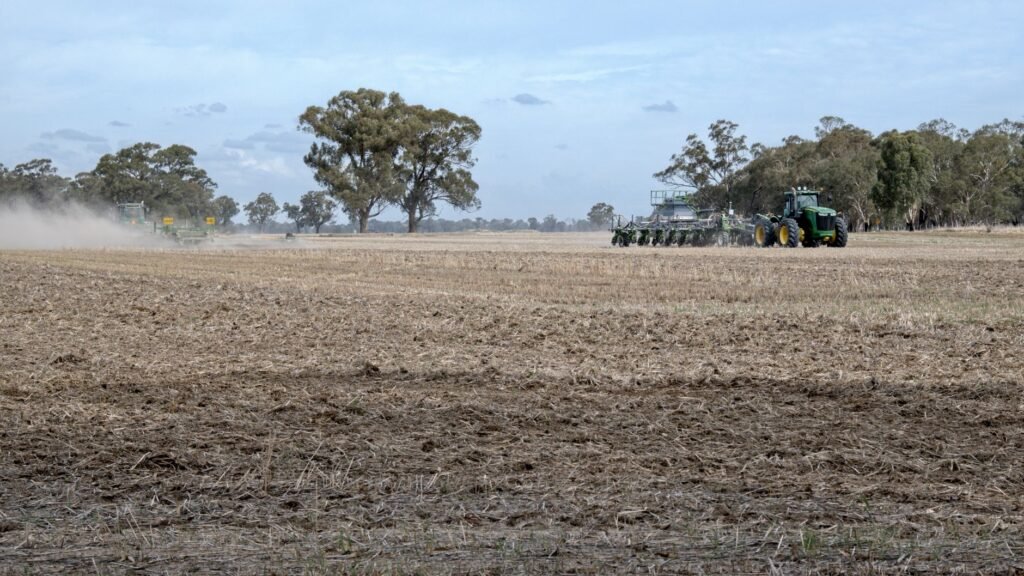
- Agricultural Work: Many travelers opt for farm work, which can be a rewarding way to experience the Australian countryside. Jobs may include fruit picking, livestock management, or seasonal harvesting.
- Retail: Stores and shops frequently hire casual workers. This can be a great way to meet locals and learn about Australian culture while earning money.
Networking is also a key component of finding work. Engaging with fellow travelers can lead to job referrals and insider tips on where to look. Online platforms like Seek, Gumtree, and Facebook groups dedicated to working holidaymakers can be invaluable resources.
Traveling Australia on a Budget
Australia boasts some of the most stunning landscapes and vibrant cities in the world. To make the most of your time, consider these budget-friendly travel tips:
- Public Transport: Utilize public transport systems in cities like Sydney and Melbourne. They offer affordable options for getting around, including buses, trains, and ferries.
- Camping: Australia’s great outdoors provide excellent camping opportunities. National parks often have affordable campgrounds, allowing you to enjoy nature without breaking the bank.
- Free Activities: Many attractions are free to visit, such as beaches, parks, and hiking trails. Research local events, markets, and festivals for budget-friendly entertainment options.
For instance, a traveler named Sarah explored Australia’s East Coast on a budget by utilizing hostels and camping. She took advantage of public transport and hitchhiked between destinations, allowing her to experience everything from the Great Barrier Reef to the Daintree Rainforest without overspending.

Connecting with Locals
Building connections with locals can enrich your experience and provide you with invaluable insights. Here are some practical ways to engage with Australians:
- Join Local Groups: Look for community groups or clubs that align with your interests. Whether it’s sports, arts, or volunteering, being part of a group helps you meet new people.
- Attend Events: Participate in local events, festivals, or markets. These gatherings often offer a glimpse into the culture and traditions of the area.
- Use Social Media: Platforms like Meetup or Couchsurfing can connect you with locals and fellow travelers. Attend meetups or community dinners to share experiences and tips.
Developing friendships with locals can not only enhance your travel experience but might also open doors to job opportunities and insider knowledge about the best places to visit.
Safety and Health Considerations
Your safety and health should always be a priority while traveling. Here are some essential considerations:
- Emergency Contacts: Familiarize yourself with local emergency numbers and healthcare facilities. In Australia, dial 000 for emergencies.
- Travel Insurance: As mentioned earlier, obtaining travel insurance can protect you from unexpected medical expenses or trip cancellations.
- Stay Informed: Keep up to date with travel advisories and local news. Understanding the safety concerns of certain areas can help you avoid potential issues.
For example, a traveler named James took the time to research local health services and emergency contacts before embarking on his journey. This preparation gave him peace of mind and helped him navigate his travels confidently.

Making the Most of Your Time
With only a limited time allowed on your working holiday visa, effective planning is key. Here are some strategies to maximize your experience:
- Set Travel Goals: Outline the places you want to visit and experiences you want to have. Create a flexible itinerary that allows for spontaneity while keeping your goals in mind.
- Work and Travel Balance: Find a job that allows you to maintain a healthy work-life balance. Consider positions that offer flexible hours or seasonal work that aligns with your travel plans.
- Document Your Journey: Keep a travel journal or blog to document your experiences. Not only does this help you reflect on your journey, but it also allows you to share your adventures with others.
For instance, a traveler named Emma worked part-time in a café while exploring the Gold Coast. She made a list of must-visit places and prioritized her days off for travel, ensuring a fulfilling experience.
Building Your Skills and Experience
Understanding the Job Market
Before diving into job applications, it’s crucial to understand the Australian job market. Conduct thorough research on industries that are particularly welcoming to working holiday visa holders, such as hospitality, agriculture, and tourism. The demand for seasonal workers fluctuates, so be aware of peak seasons in different regions. For instance, consider applying for jobs in fruit picking during the harvest seasons, which typically occur in spring and summer.
Make sure to utilize online platforms that cater specifically to backpackers seeking work. Websites such as Gumtree, Seek, and Backpacker Job Board can be invaluable resources. Additionally, networking with other backpackers can often lead to unadvertised job opportunities. Keep your resume updated and tailored to the Australian market, highlighting your adaptability and willingness to learn.
Gaining Qualifications and Certifications
While working on your holiday visa, consider obtaining qualifications that can enhance your employability. For example, a Responsible Service of Alcohol (RSA) certification is often required for jobs in bars and restaurants, while a White Card is necessary for construction work. These certifications are relatively inexpensive and can often be completed in just a day or two.
Look for courses that not only boost your resume but also align with your interests. If you’re passionate about cooking, for instance, consider enrolling in a short cooking class. These experiences not only enhance your skills but also provide networking opportunities within the industry.
Volunteering as a Path to Employment
Volunteering can be a great way to gain local experience and make connections that may lead to paid positions. Organizations like Workaway and HelpX connect travelers with hosts who offer food and accommodation in exchange for work. This can be especially beneficial in rural areas where job opportunities may be limited.
When considering volunteering, look for programs that match your skills or interests. Whether it’s helping in hostels, working on farms, or assisting wildlife conservation efforts, choose experiences that will enrich your travel and provide potential job references. Here’s a brief list of popular volunteering options in Australia:
- Wildlife conservation projects
- Organic farms (permaculture)
- Hostel work (cleaning, reception)
- Community development programs
- Event organization
Exploring Regional Areas: Beyond the Major Cities
Why Rural Australia is Worth Exploring
While major cities like Sydney and Melbourne are bustling with attractions, rural Australia offers unique experiences and opportunities for adventure. Exploring these areas can provide a more authentic perspective on Australian culture and lifestyle. Many rural regions face labor shortages, making them ideal for working holiday visa holders looking for immediate work.
Regions such as Tasmania, Northern Territory, and parts of Queensland not only boast stunning natural beauty but also rich indigenous culture and history. Engaging with local communities in these areas can lead to meaningful connections and experiences that you won’t find in urban settings.
Finding Work in Remote Areas
When seeking employment in rural areas, consider roles in agriculture, hospitality, or tourism. Many farms in Australia participate in the Seasonal Worker Program, which often leads to longer-term employment opportunities. Websites like Harvest Trail can help you find jobs in these regions, particularly during harvest times.
In addition to job boards, visiting local pubs or community centers can provide leads on job openings. Establishing a rapport with locals can yield referrals that are not advertised online. Always be open to different types of work, as diverse experiences will enrich your journey and skill set.
Planning Your Regional Adventures
Traveling through regional Australia requires careful planning, especially if you are traveling on a budget. Utilize local transport options, such as buses or rideshares, to explore off-the-beaten-path locations. Consider investing in a good travel guide or using apps that highlight popular sights and hidden gems.
When planning your trip, try to include a variety of experiences, such as visiting national parks, participating in local festivals, or exploring indigenous cultural sites. Here’s a suggested list of must-see regional destinations:
- Uluru-Kata Tjuta National Park
- Great Ocean Road
- Fraser Island
- Tasmanian Wilderness
- Barossa Valley (wine region)
Managing Finances During Your Stay
Budgeting for Your Trip
Creating a budget is essential for anyone on a working holiday visa. Start by estimating your income based on the types of jobs you plan to undertake. Factor in expenses such as accommodation, food, transportation, and leisure activities. Using budgeting apps can help you keep track of your spending and savings.
Be mindful of your spending habits; it can be easy to overspend in tourist areas or on spontaneous outings. Set aside a specific amount for entertainment and stick to it. Additionally, consider preparing meals at home instead of dining out, as this can significantly reduce your costs.
Opening a Local Bank Account
To efficiently manage your finances, it’s advisable to open a local bank account. This will help you avoid international transaction fees and simplify your income management. Most major banks in Australia offer accounts for temporary residents, and the process is typically straightforward.
When selecting a bank, consider factors such as account fees, ATM availability, and online banking features. Ensure you have the necessary identification, such as your passport and visa, when applying. Having a local account will also make it easier to receive payments from employers.
Understanding Taxes and Superannuation
As a working holiday visa holder, it’s important to understand your tax obligations. Generally, you will be taxed at a higher rate on your earnings if you do not apply for a Tax File Number (TFN). Obtaining a TFN is free and can be done online through the Australian Taxation Office (ATO) website.
Additionally, you may be entitled to superannuation contributions from your employer. Superannuation is a retirement savings scheme in Australia, and employers are required to contribute a percentage of your salary. Make sure to keep track of these contributions, as you may be able to claim them back when you leave Australia.
To summarize your financial management tips, here’s a brief list:
- Create a detailed budget
- Open a local bank account
- Apply for a Tax File Number
- Track superannuation contributions
- Be mindful of spending habits
Frequently Asked Questions
What types of jobs can I find on a working holiday visa in Australia?
Common job opportunities include hospitality roles, agricultural work, and retail positions. Many travelers work in bars, restaurants, or farms to fund their travels.
How long can I stay in Australia on a working holiday visa?
You can stay in Australia for up to 12 months. If you complete specified regional work, you may be eligible for a second working holiday visa.
Is travel insurance necessary for my working holiday?
While not mandatory, travel insurance is highly recommended to cover medical expenses and unexpected events during your stay.
Can I travel while working on my visa?
Yes, you can travel throughout Australia while on your working holiday visa. It’s essential to balance work and travel to maximize your experience.
The Bottom Line
Making the most of your Australian working holiday visa involves understanding the visa regulations, finding job opportunities, and embracing the travel experience. By planning effectively, connecting with locals, and prioritizing safety, you can create lasting memories during your time in Australia. With the right approach, your working holiday can be a transformative journey filled with adventure and personal growth.
Visa rules, prices and opening times change. Always confirm details with official sources before you travel.