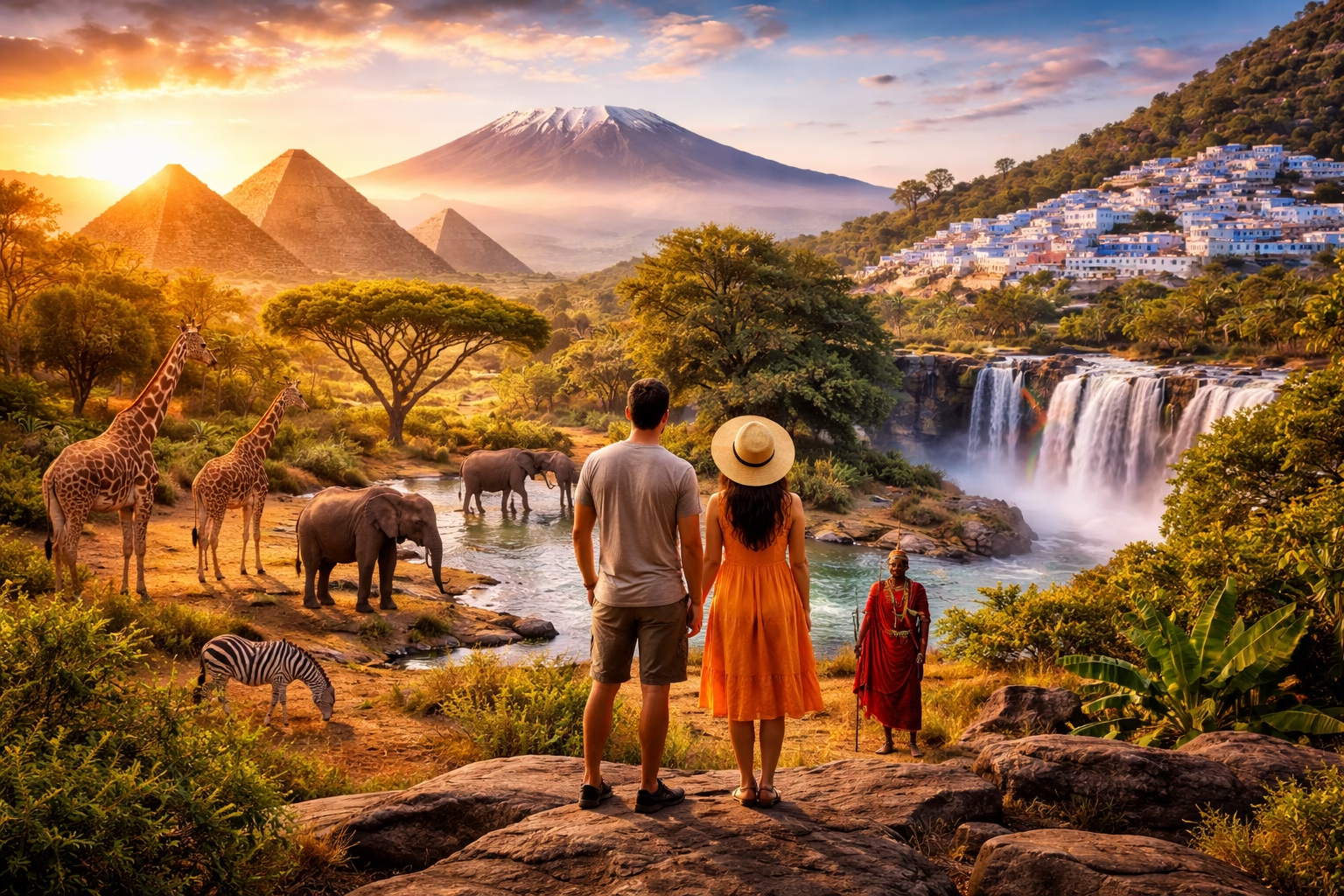
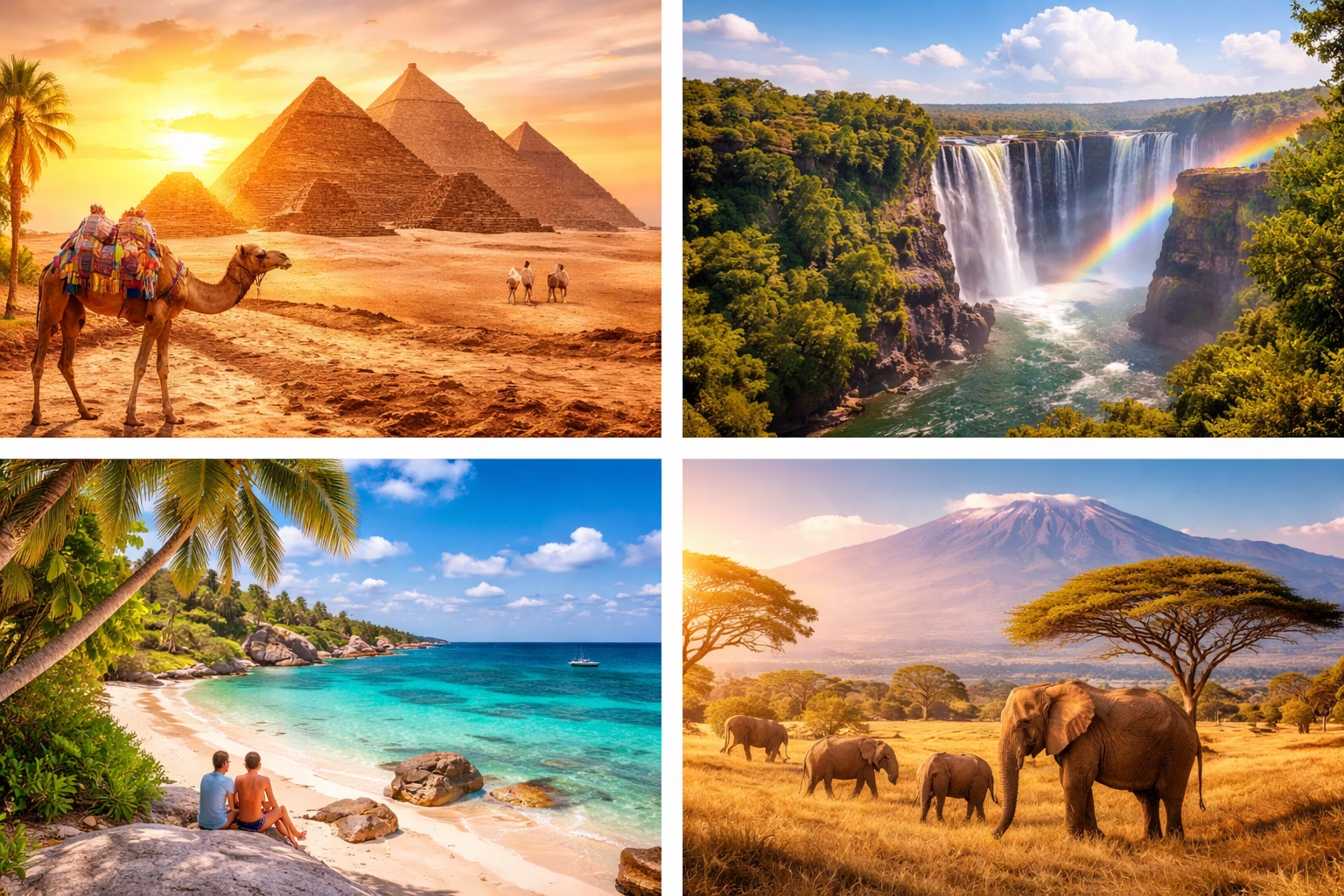
Africa is a continent of staggering diversity. It stretches from the Mediterranean shores in the north to the temperate vineyards and penguin colonies of the far south, embracing desert, rainforest, savanna, mountain, and coastline along the way. With such vast geography, it is impossible to name a single “best time” to visit Africa as a whole. Seasons change dramatically from one region to another, and the best months for wildlife, adventure, and culture can vary widely.
- Northern Africa: Visit October to April for pleasant temperatures and comfortable exploration of cities, deserts, and archaeological sites; avoid extreme summer heat.
- East Africa: Dry seasons June to October and December to February offer prime wildlife viewing, Great Migration encounters, gorilla trekking, and coastal beaches.
- Southern Africa: Visit May to October for outstanding safaris; November to March favors beaches, vineyards, and birdwatching; tailor trip to your interests.
- Central Africa: Best travel during June to September and December to February for drier trails, wildlife viewing, and gorilla treks; expect occasional rains.
- West Africa: Travel November to April for festivals, cultural activities, and coastal exploration; heavy rains from May to October can disrupt travel.
In this detailed guide, we will explore the best time to visit Africa by region so you can plan your journey according to what matters most to you. Whether you dream of a safari in East Africa, wine tasting in the Cape, soaking up beach life in Zanzibar, or exploring ancient ruins in Egypt, timing your trip right is key to unlocking the best experiences the continent offers.

Northern Africa: Best for Ancient Wonders and Desert Adventures
Northern Africa includes Morocco, Egypt, Tunisia, and Algeria, where desert landscapes meet vibrant cities and storied archaeological sites. The region is defined by a Mediterranean and Saharan climate, which means blazing hot summers and mild winters.
Best Time to Visit:
The ideal time to travel to Northern Africa is from October to April, when the temperatures are pleasant and the air is crisp and clear. Visiting in this period allows comfortable exploration of cities, deserts, and historical sites without the searing summer heat.
Travel Insights and Recommendations:
- Morocco: The months of March to May and September to November are perfect for urban wanderings in Marrakech, Fes, and Chefchaouen. The Atlantic coast remains mild throughout the year, while desert excursions to the Erg Chebbi dunes in spring and autumn offer comfortable nights under the stars.
- Egypt: October through April brings moderate temperatures ideal for exploring Cairo, Luxor, and Aswan. The desert sun is less intense, river cruises on the Nile are pleasant, and the pyramids can be visited in relative comfort.
- Tunisia and Algeria: These North African gems offer their best weather in spring, with blooming landscapes and fewer crowds. Avoid peak summer when desert temperatures soar and sightseeing becomes exhausting.
Avoid July and August if possible, as the heat can exceed 40°C, making travel taxing, especially for those not accustomed to intense desert climates.

East Africa: Best for Iconic Safaris and the Great Migration
East Africa is safari heartland. It is home to Kenya, Tanzania, Uganda, and Rwanda, countries celebrated for their wildlife, vast game reserves, and dramatic volcanic landscapes. The region experiences two wet seasons and two dry seasons each year.
Best Time to Visit:
The dry seasons from June to October and December to February are widely regarded as the best times for wildlife viewing, as the animals gather around water sources and vegetation is sparse for easy spotting.
Travel Insights and Recommendations:
- Serengeti and Maasai Mara: The Great Migration, one of the world’s most spectacular wildlife events, takes place from June to October. Wildebeest herds cross rivers and plains in enormous numbers, offering unforgettable safari moments.
- Uganda and Rwanda: For gorilla trekking, the dry seasons of January to February and June to September are ideal. Trails are less muddy, and mountain hikes are more manageable while conditions in the forests remain lush.
- Zanzibar and the Kenyan Coast: From June to October, the weather is dry and sunny, perfect for diving, snorkeling, and beach relaxation. After safaris, the soft sands and turquoise waters of East Africa’s coast offer a rejuvenating finale.
Travelers looking for lush green landscapes and fewer crowds can consider visiting just after the rains, particularly in November or late April, when rates drop and the scenery bursts with life.

Southern Africa: Best for Wildlife, Wine, and Adventure
Stretching from Namibia to South Africa and from Botswana to Zimbabwe, Southern Africa delights with extraordinary contrasts, from desert dunes to thundering waterfalls. Unlike East Africa’s equatorial rhythm, Southern Africa enjoys distinct summer and winter seasons.
Best Time to Visit:
The dry winter months from May to October are excellent for safaris, while November to March brings lush landscapes and great conditions for birdwatching and coastal exploration.
Travel Insights and Recommendations:
- South Africa: Cape Town and the Western Cape shine between November and March, with sunny beach days and warm evenings ideal for vineyard tours in Stellenbosch and Franschhoek. For game viewing in parks like Kruger, visit from June to October, when animals congregate at watering holes.
- Botswana: The Okavango Delta is at its most majestic between June and August, when floodwaters arrive and game viewing by mokoro canoe becomes magical.
- Namibia: Enjoy wildlife tracking and surreal photography opportunities in Etosha and the Namib Desert during the dry months from May to October, with crystal clear skies and comfortable travel conditions.
- Zimbabwe and Zambia: For Victoria Falls, February to May delivers the most powerful flow, while July to September offers clearer views and thrilling adventure activities such as white water rafting and microlight flights.
Travelers should tailor their trip according to their interests. For instance, wine and beach holidays favor the southern summer, while wildlife safaris are at their peak in the cooler, drier winter months.

Central Africa: Best for Rainforests and Rare Wildlife
Central Africa, which includes the Congo Basin, Gabon, and parts of Cameroon, remains one of the most pristine and less visited parts of the continent. Its dense jungles are home to gorillas, forest elephants, and vibrant birdlife.
Best Time to Visit:
Since the region lies near the equator, it experiences smaller seasonal temperature variations but alternating wet and dry periods. The dry season from June to September and the shorter dry period from December to February provide the best travel conditions.
Travel Insights and Recommendations:
- Gabon: Visit during the drier months to explore Loango National Park, where elephants stroll along the beach and whales can be spotted offshore between July and September.
- Republic of Congo: Gorilla trekking in Odzala-Kokoua National Park is best from June to September, when rain is minimal and forest paths are more accessible.
- Cameroon: From December to March, the weather favors exploration of both rainforest and savanna ecosystems.
Rain can fall at any time in these regions, so waterproof gear and flexible travel plans are essential for a successful journey.

Western Africa: Best for Festivals, Culture, and Coastal Exploration
West Africa is known for its rich culture, colorful festivals, and historic coastal towns. Countries such as Ghana, Senegal, and Côte d’Ivoire reflect deep cultural roots, musical heritage, and lively local traditions.
Best Time to Visit:
The region’s dry season runs from November to April, offering comfortable travel weather, fewer mosquitoes, and easier road conditions.
Travel Insights and Recommendations:
- Ghana: Visit between November and March to explore Accra’s markets, Cape Coast’s historic forts, and Kakum’s rainforest canopy walk. The famous Chale Wote Street Art Festival in late summer also draws international attention.
- Senegal: The dry season complements the city life of Dakar and the tranquil beaches of Saly. Music lovers and culture seekers find local festivals and bustling nightlife particularly engaging during this period.
- Côte d’Ivoire and The Gambia: Both countries provide warm, sunny days ideal for exploring coastal areas and immersing in vibrant local traditions.
While travel is possible year-round, heavy rainfalls from May to October can disrupt road travel in rural areas. Aim for the dry months when festivals and outdoor events are in full swing.

Conclusion: Timing is the Key to Experiencing Africa at Its Best
Understanding the seasonal variations across Africa is fundamental to making the most of your adventure. From following the rhythm of the Great Migration to timing your desert exploration or choosing the best month for Victoria Falls, every region rewards the traveler who plans thoughtfully.
The continent is vast and varied, and there is always somewhere in Africa enjoying its prime season. By aligning your travel goals with the right time of year in each region, you will experience Africa’s wonders at their most vivid and memorable.
Further Reading
3 Day Istanbul Itinerary for First Time Visitors
Travel to Somalia; How I Traveled to Mogadishu
Free Family Things to do in Chicago Today
How to Spend Four Days in Hong Kong