Introduction
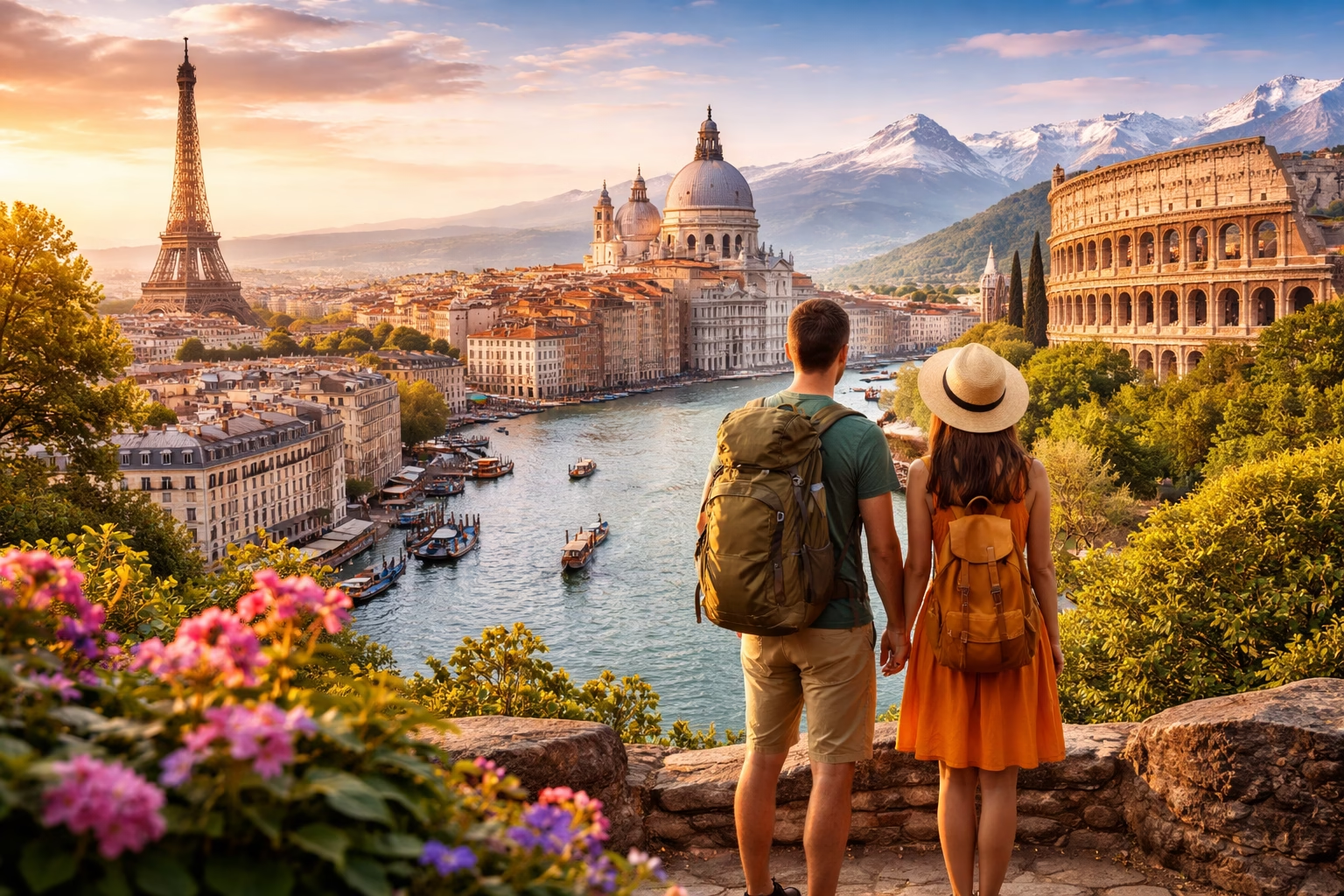
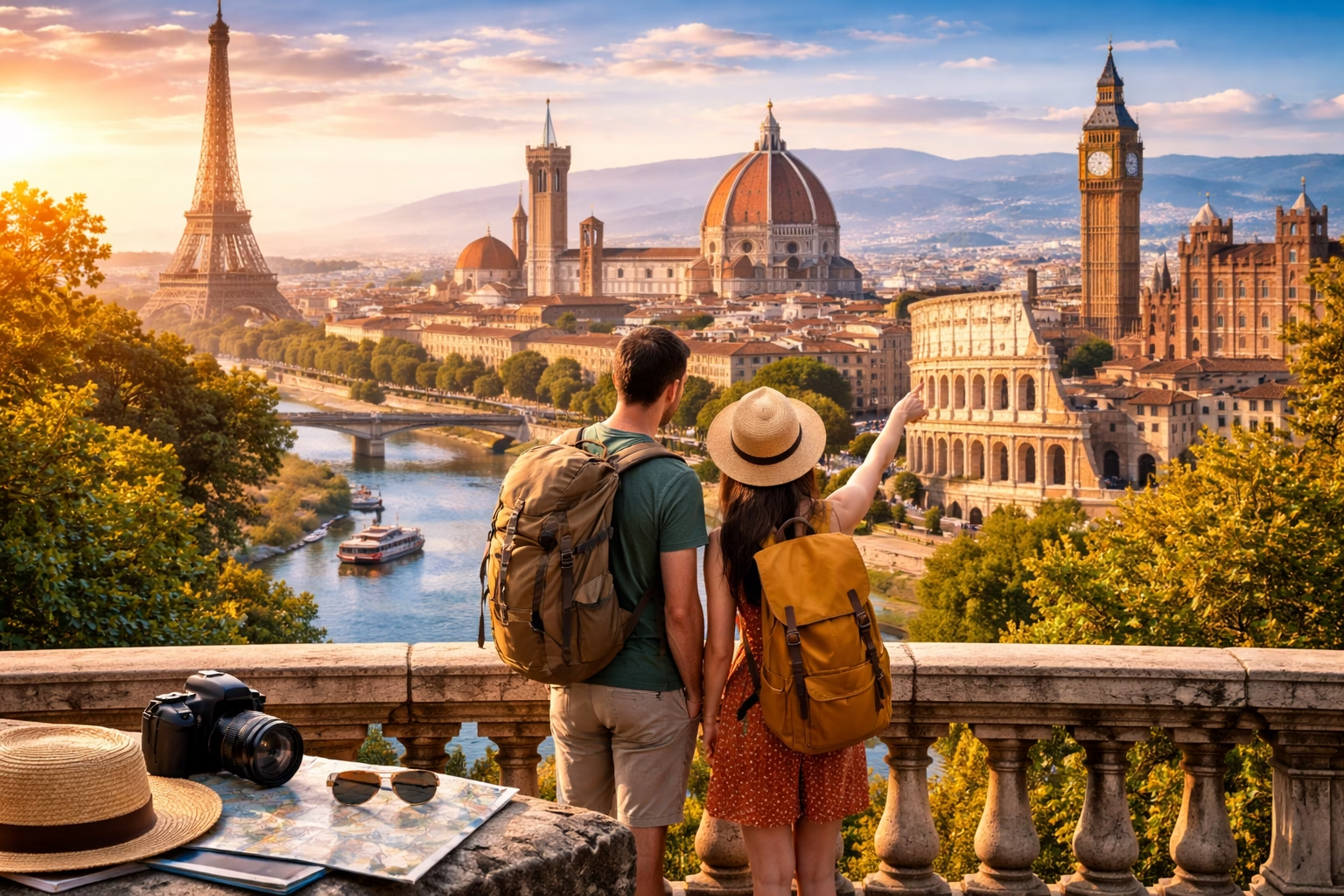
Planning your first trip to Europe can feel both thrilling and overwhelming. With its centuries of history, dazzling architecture, and remarkable diversity of cultures packed into a relatively small area, Europe offers more variety than nearly any other continent on earth. You can sip coffee in a Parisian café one morning, stroll through Roman ruins in the afternoon, and wake up in an Alpine village the next day. Yet, for a first-time traveler, the sheer number of countries, languages, transportation options, and travel styles can make it difficult to know where to start.
- Choose regions that match your interests; focus on two or three nearby countries to explore deeply rather than rushing across the continent.
- Plan a realistic itinerary: pick a theme, allow travel days, and stay at least three nights in major cities.
- Use trains, budget flights, and buses wisely; buy rail passes or multi-day transit cards to save time and money.
- Set a daily budget, carry some local cash, get travel insurance, and learn basic local phrases and customs for smoother experiences.
This Europe Travel Guide for Beginners will help you navigate the essentials of European travel with confidence. Here you will find practical tips, destination advice, transport guidance, and planning strategies to make your first European adventure smooth and unforgettable. Whether you are dreaming of historic landmarks, picturesque countryside towns, or just soaking up the café culture, this guide will show you how to make the most of your European journey.

Understanding Europe’s Geography and Diversity
One of Europe’s greatest strengths is its diversity. The continent may seem compact compared to Africa or Asia, but each country has its own history, language, and way of life.
Northern Europe offers pristine landscapes, modern design ideals, and an emphasis on sustainability. Think of the fjords of Norway, the northern lights in Iceland, or the stunning cleanliness and efficiency of cities like Stockholm and Copenhagen.
Western Europe is the heart of romance and art. France, Belgium, the Netherlands, and Germany combine centuries of history with world-class museums and contemporary city life. Paris, Amsterdam, and Munich are perfect bases for culture and cuisine lovers.
Southern Europe offers warmth in every sense. Italy, Spain, Portugal, and Greece will seduce you with their food, relaxed pace, and Mediterranean charm. Each region has its own rhythm, from the bustling tapas bars of Barcelona to the calm islands of the Aegean Sea.
Eastern Europe is where value for money meets rich history and authenticity. Countries such as Poland, Hungary, and the Czech Republic offer stunning architecture, hearty cuisine, and an emerging cultural confidence that feels both historic and fresh.
Understanding this diversity will help you decide which regions suit your interests. Choose two or three close countries to explore deeply rather than rushing across the continent.

Planning Your Itinerary the Smart Way
First-time visitors often make the mistake of trying to see too much. Instead, aim for a balanced itinerary with enough time to enjoy each destination.
Start with a Theme or Interest
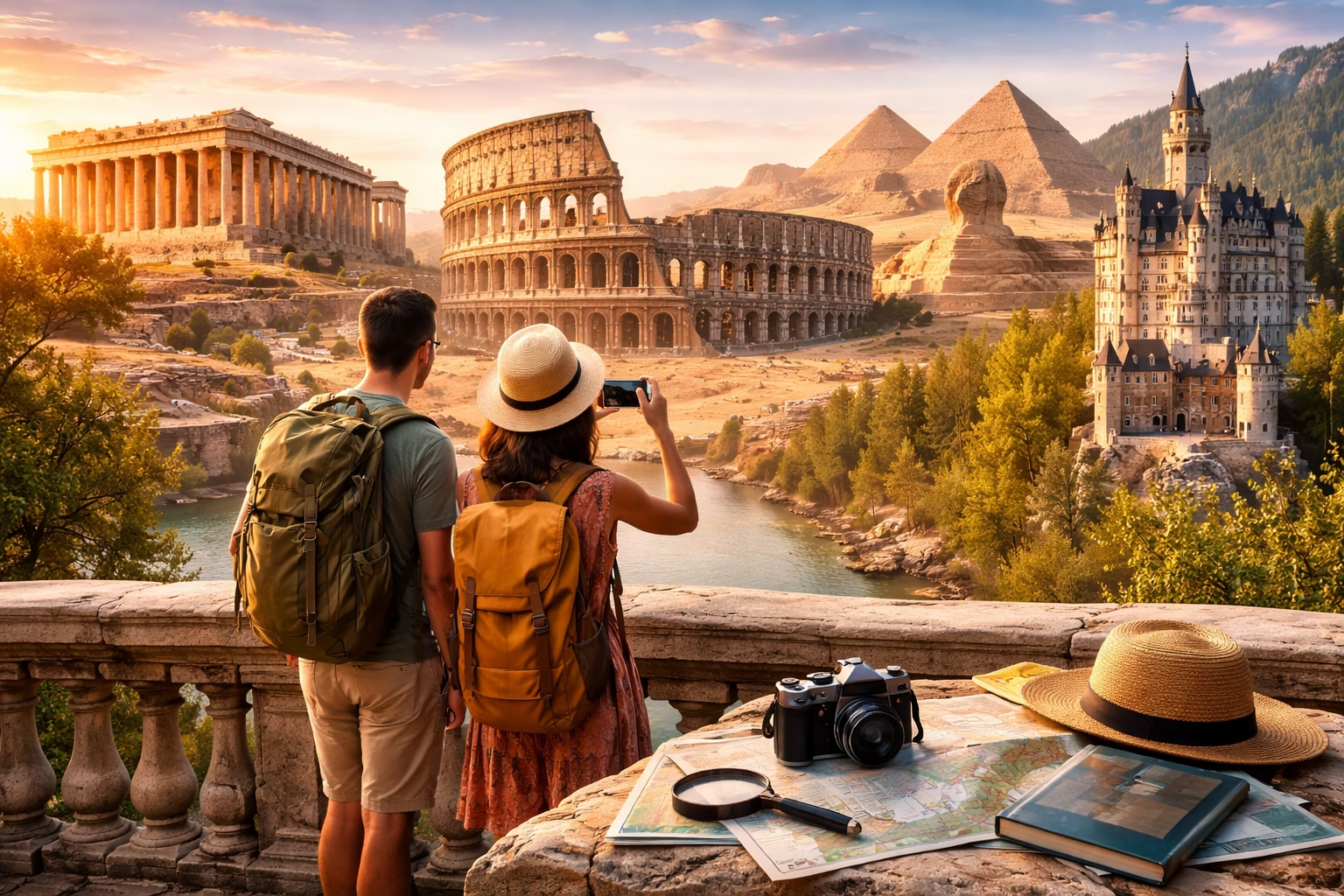
Plan around something you love. Art lovers might focus on Paris, Florence, and Amsterdam. History enthusiasts can follow an itinerary from Athens to Rome to Berlin. Food travelers could explore the vineyards of France or the trattorias of Italy.
Be Realistic with Travel Times
Europe’s trains and flights are efficient, but frequent moves can consume valuable sightseeing time. Plan at least three nights in major cities and allow travel days between destinations.
Recommended First-Timer Routes
- Western Classic: London, Paris, and Amsterdam for urban explorers
- Mediterranean Dream: Rome, Florence, and Barcelona for art and cuisine
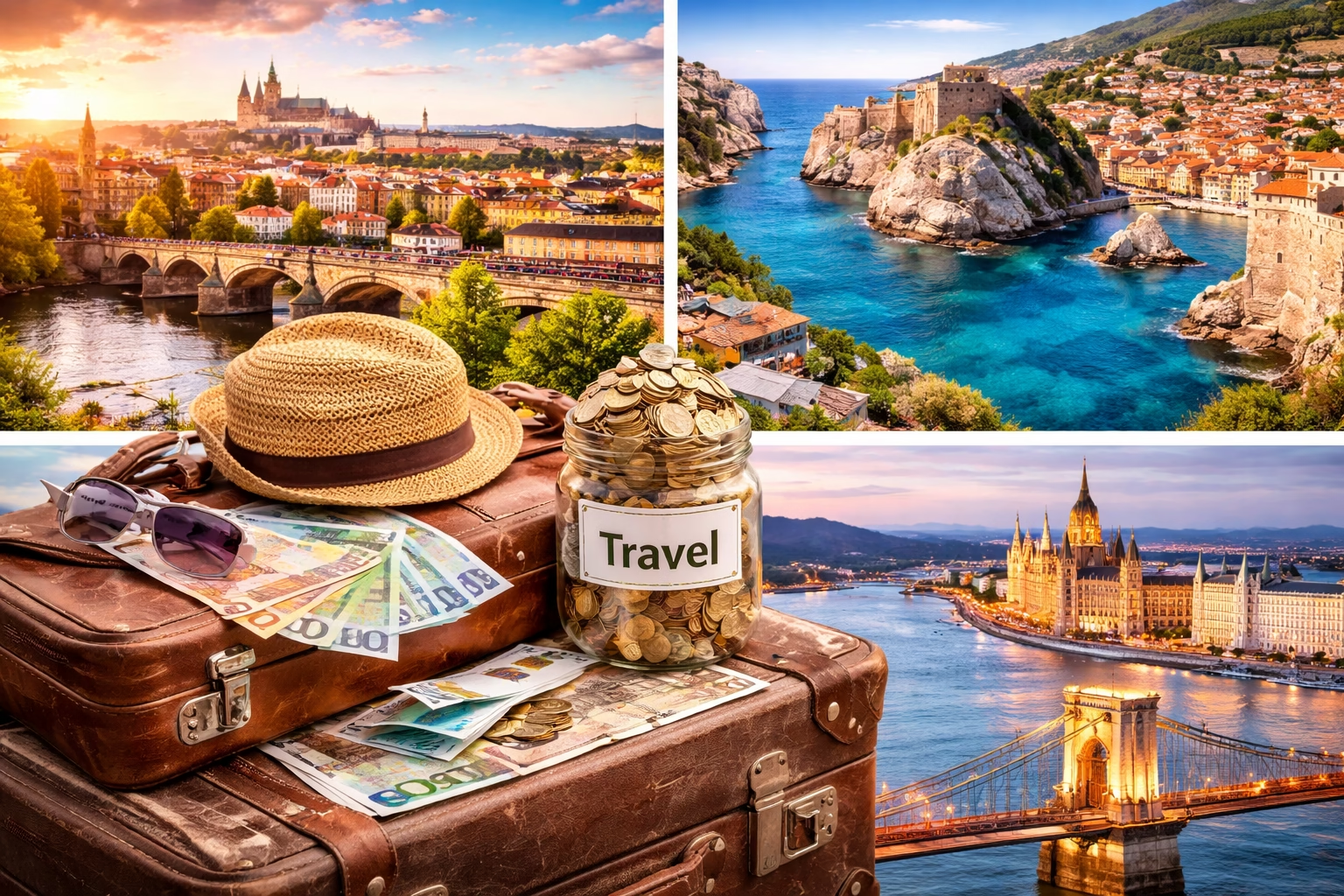
- Central Europe Charm: Prague, Vienna, and Budapest for history and architecture
Select one route according to your interests and rhythm, giving yourself time to rest and absorb each place rather than simply ticking off famous landmarks.

Transportation and Getting Around
European transportation is recognized worldwide for its efficiency, but understanding how systems connect will save you time and money.
Trains
The rail networks are extensive and comfortable. The famed Eurail and Interrail passes allow travelers to hop across borders with flexibility. High-speed trains connect many major cities in just a few hours. For instance, traveling from Paris to London by train takes only about two and a half hours through the Channel Tunnel.
Flights
Budget airlines like Ryanair, EasyJet, and Wizz Air make hopping between countries affordable. Always check baggage policies before booking since low-cost tickets often exclude luggage.
Buses
For budget-minded travelers, companies like FlixBus provide an extensive network of routes covering nearly all European countries at remarkably low prices.
Local Transport
Once inside a city, rely on public transit systems, metros, trams, and buses are reliable and usually safe. Many European cities also offer bicycle share programs and pedestrian-friendly areas.
Purchase daily or multi-day travel cards when available; these save time and money while making transportation stress-free.

Accommodation Tips for Every Budget
Choosing the right accommodation can shape your whole experience. Europe offers a wide range of options, from luxury hotels to charming guesthouses.
Hostels are no longer just for backpackers. Many now have private rooms, friendly social spaces, and prime locations near city centers.
Boutique hotels appeal to travelers seeking design, comfort, and personalized service without the formality of large chains. They often provide more local character, reflecting the region’s architecture and culture.
Vacation rentals and apartments are ideal for longer stays or families. Cooking your own meals saves money, and living in a residential neighborhood lets you experience daily life like a local.
Book well in advance during peak seasons, especially in popular cities like Paris or Rome where demand remains high year-round.

What to Eat and Drink
European cuisine is one of the continent’s most enticing aspects. Each country reveals its story through its flavors, traditions, and dining rituals.
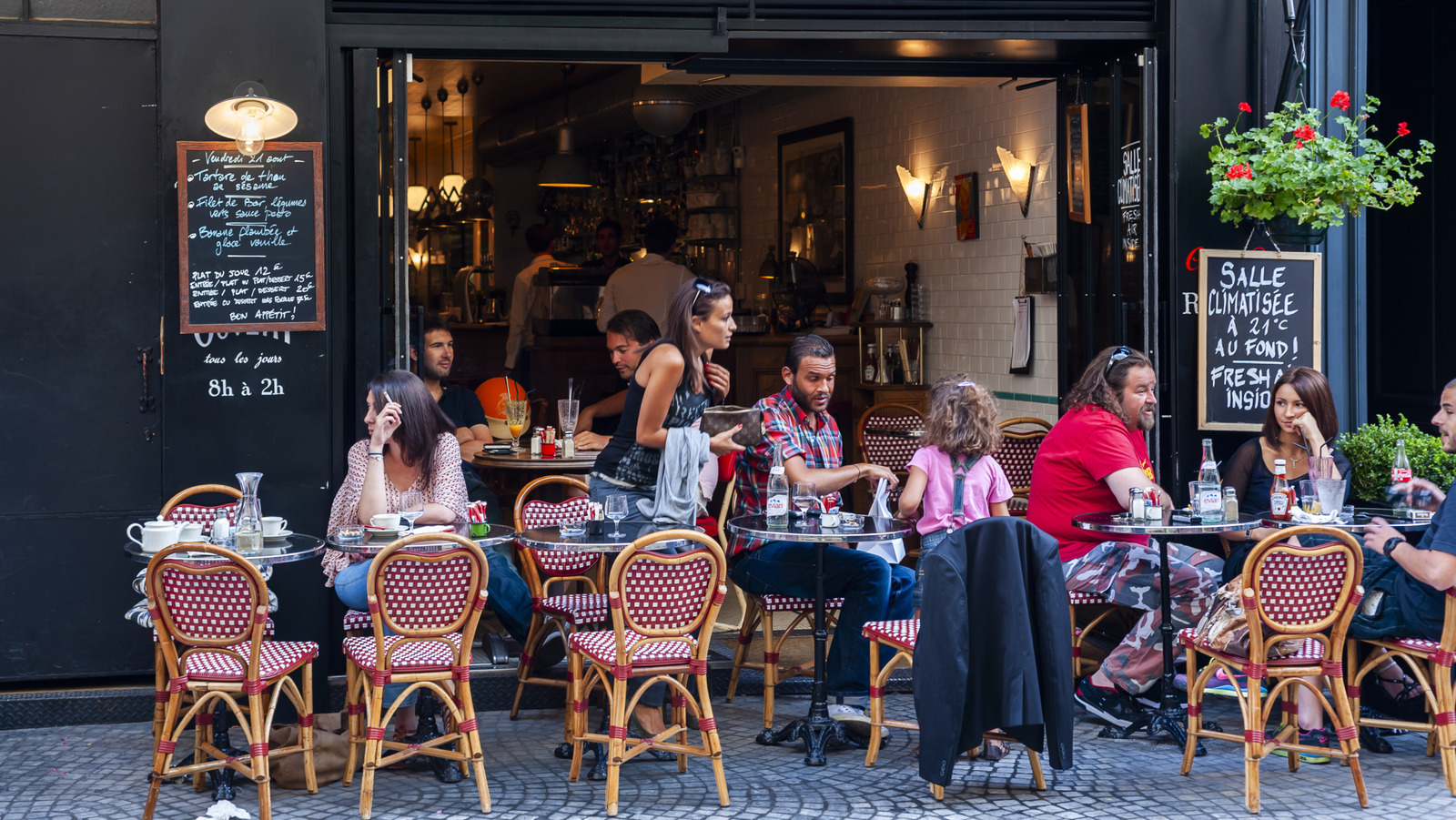
In Italy, savor handmade pasta, rich espresso, and gelato from local shops. France excites the palate with buttery pastries, robust cheeses, and regional wines from Champagne to Bordeaux. Spain brings vibrant tapas culture to life, where meals are social and leisurely.
Do not rush your meals. Europeans view dining as an experience to be enjoyed, not hurried. Try local markets such as the Marché des Enfants Rouges in Paris or Barcelona’s famous La Boqueria to see where locals shop and eat. Sampling wine, cheeses, and baked goods straight from their source will make your trip memorable.

Budgeting and Money Tips
Europe can be affordable for first-time travelers if planned wisely.
- Set a daily budget: Determine spending categories for accommodations, meals, transport, and attractions.
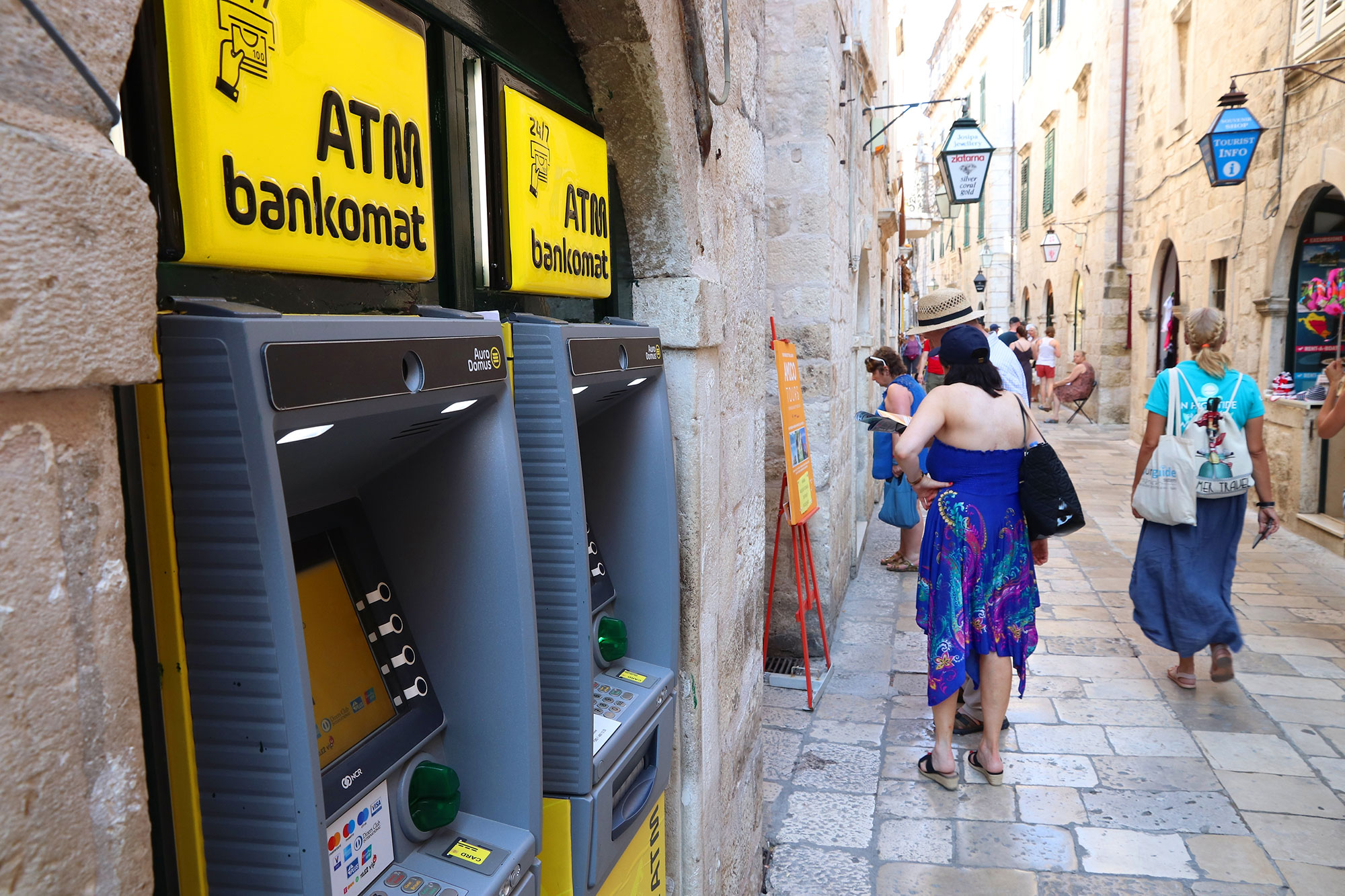
- Use cards wisely: Many places accept credit cards, but always have a small amount of cash in the local currency for smaller purchases.
- Avoid exchange counters at airports: Withdrawal from ATMs using debit cards generally gives better exchange rates.
- Enjoy free experiences: Most European cities host beautiful parks, public squares, seasonal festivals, and free museum days.
By planning expenses consciously, you will be able to enjoy indulgent experiences occasionally without overspending.
Cultural Etiquette and Local Customs
Politeness, awareness, and curiosity will go a long way in Europe. Take a few minutes to learn a few basic words in the local language such as greetings and thank you. Locals appreciate the effort even if your pronunciation is not perfect.
Dress appropriately when visiting churches or historical sites that require modest attire. In restaurants, tipping conventions vary: a small tip of five to ten percent is typical in many countries, while some include service charges on your bill.
Respect local routines. Many shops in Mediterranean countries close in the afternoon for siesta hours; in Northern Europe, punctuality is highly valued. Awareness of these subtleties enhances your travel experience and ensures smoother interactions.
Staying Safe and Healthy
Europe is generally safe for travelers, but common sense remains essential. Keep valuables secure, especially in crowded tourist areas. Scams around popular attractions can occur, so stay alert.
Carry travel insurance that covers both health and belongings. Pharmacies in Europe are well stocked and easily accessible, but having basic medicine in your bag can help during long journeys.
Tap water is safe to drink in most destinations, and cities maintain high cleanliness standards. Following local guidelines and maintaining awareness of surroundings will keep you confident during your travels.

Conclusion
Europe rewards travelers who take time to explore thoughtfully. The continent’s blend of history, culture, and beauty invites curiosity at every turn. From savoring an espresso in a Roman piazza to witnessing the midnight sun in Scandinavia, each experience tells a story that will linger long after your return home.
Traveling Europe for the first time is not just about seeing famous landmarks; it is about learning how people live, connect, and celebrate life across borders. With planning, awareness, and open-minded curiosity, your first European adventure will be the beginning of many more journeys ahead.
Further Reading
3 Day Istanbul Itinerary for First Time Visitors
Travel to Somalia; How I Traveled to Mogadishu
Free Family Things to do in Chicago Today
How to Spend Four Days in Hong Kong