Rock Climbing Southeast Asia: Explore Stunning Crags and Routes
Discover the best destinations, tips, and routes for rock climbing Southeast Asia, perfect for adventurers looking to explore breathtaking landscapes.
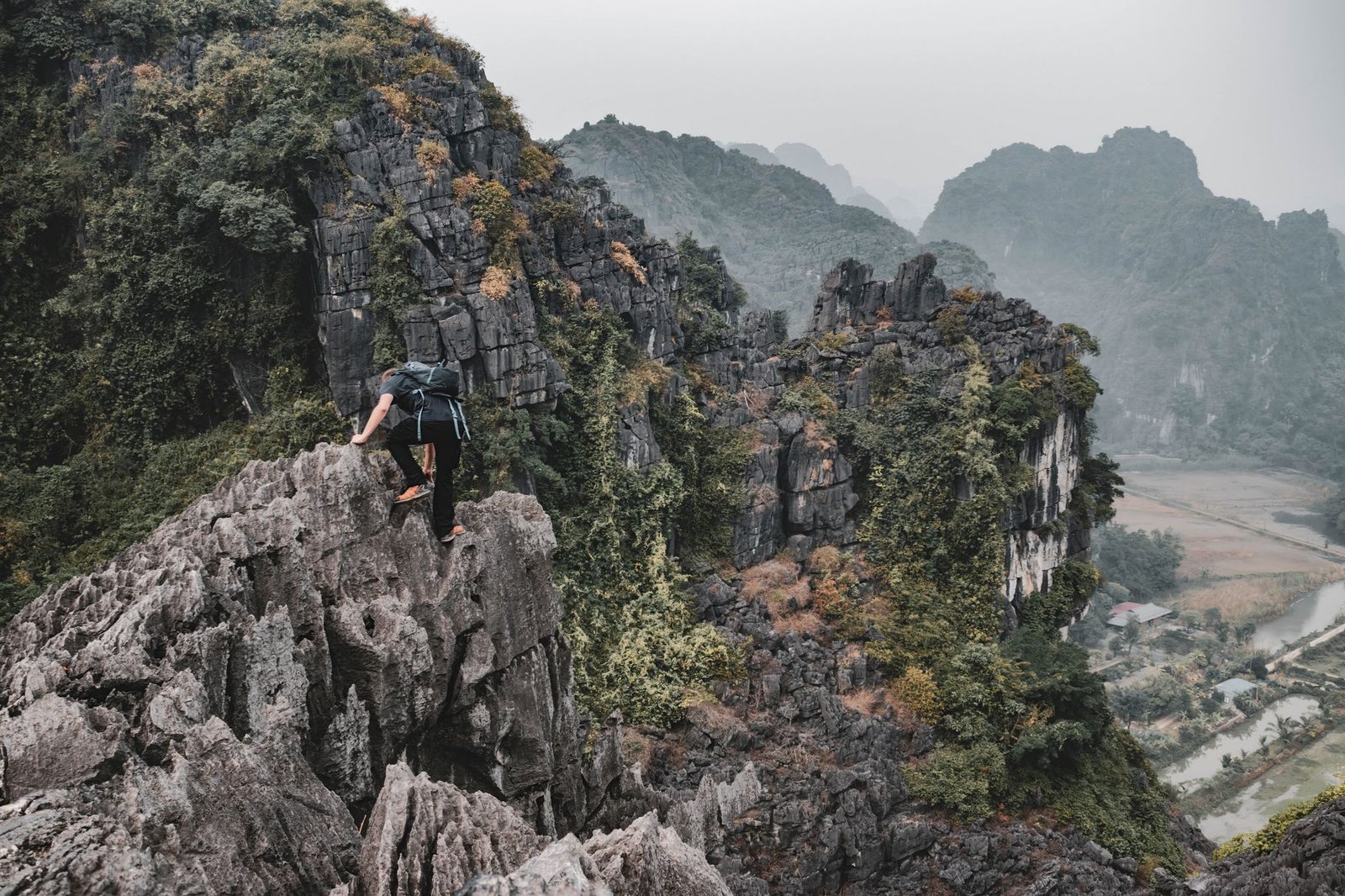
Southeast Asia has rapidly gained a reputation as a haven for rock climbers, attracting both amateur and seasoned climbers from around the globe. With its stunning limestone cliffs, diverse climbing routes, and lush tropical landscapes, the region provides an unparalleled backdrop for climbing adventures. This guide will explore the best destinations, essential tips, and practical advice for those looking to experience rock climbing in Southeast Asia.
Whether you are seeking the thrill of scaling sheer cliffs, the camaraderie of a climbing community, or the peace found in nature, Southeast Asia offers something for everyone. The region’s climbing spots are not only breathtaking but also accessible, making it an ideal choice for climbers of all skill levels.
As you plan your climbing journey, consider the unique features of each destination, the best times to visit, and local climbing regulations. In this article, we will cover everything you need to know to make your rock climbing experience in Southeast Asia memorable and safe.
Top Rock Climbing Destinations in Southeast Asia
Southeast Asia is home to several world-renowned climbing destinations. Each location offers a unique blend of climbing experiences, scenic views, and cultural immersion. Here are some of the top spots to consider:
1. Krabi, Thailand
Krabi is perhaps the most famous climbing destination in Southeast Asia, known for its stunning limestone cliffs and breathtaking scenery. The area offers a wide range of climbing routes, from beginner-friendly options to challenging ascents for experienced climbers.
- Access: Krabi is easily accessible via Krabi International Airport, with various transportation options available to reach popular climbing areas like Railay Beach.
- Popular Climbing Areas: Railay and Tonsai beaches are the most popular spots, featuring hundreds of bolted routes that cater to all skill levels.
- Best Time to Visit: The climbing season runs from November to April, offering dry weather and cooler temperatures.
2. Tonsai Beach, Thailand
Tonsai Beach is a hidden gem for rock climbing enthusiasts, offering a laid-back atmosphere and a variety of climbing routes. The beach is frequented by climbers looking for a more relaxed and less commercialized experience compared to Railay.
- Access: Tonsai is accessible by boat from Ao Nang or Railay, providing a scenic approach to this climbing paradise.
- Climbing Options: The area features both sport and traditional climbing routes, with several bouldering problems available for those looking to improve their skills.
- Community Vibe: Tonsai is known for its friendly climbing community, making it a great place to meet fellow climbers and share experiences.
3. Vietnam’s Ha Long Bay
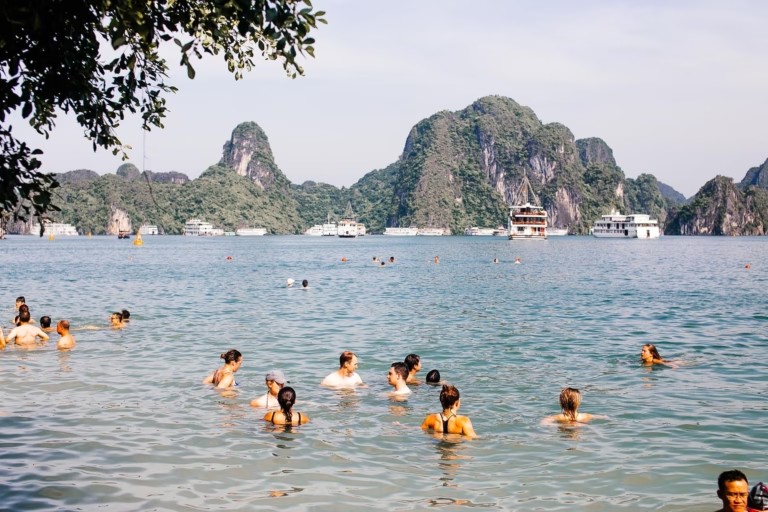
Ha Long Bay, a UNESCO World Heritage site, is famous for its stunning limestone karsts that rise dramatically from the sea. While not as widely recognized for climbing as other locations, it offers unique opportunities for adventure.
- Access: Ha Long Bay is easily accessible from Hanoi, with numerous tour operators offering climbing packages.
- Climbing Environment: The climbing routes are mainly on sea cliffs, providing a breathtaking backdrop and a unique climbing experience.
- Best Time to Visit: The ideal time to visit is from October to April, when the weather is cooler and drier.

Types of Climbing Available
The climbing experiences in Southeast Asia vary widely, catering to different interests and skill levels. Here are the main types of climbing you can explore in the region:
1. Sport Climbing
Sport climbing is the most common type of climbing found in Southeast Asia. Routes are usually equipped with bolts, making them accessible for climbers who prefer a safer experience. The climbing areas are well-marked, and you can find detailed guides for many locations.
- Popular Sites: Krabi, Tonsai, and Chiang Mai have numerous bolted routes, allowing for both short and long climbs.
- Difficulty Levels: Routes range from beginner to advanced, with options for everyone.
- Equipment: Most climbers use a harness, climbing shoes, and a chalk bag. Make sure to check if you need to rent or bring your own gear.
2. Traditional Climbing
Traditional climbing, or “trad climbing,” involves placing your own protection gear into the rock as you ascend. This style is less common in Southeast Asia but can be found in select areas.
- Locations: Some routes in Thailand and Vietnam offer opportunities for trad climbers, especially in less commercialized areas.
- Skill Requirement: Trad climbing requires advanced skills, including route finding and gear placement.
- Community: If you are interested in trad climbing, seek out local climbing groups or guides who can provide insight and support.
3. Bouldering
Bouldering is another popular climbing style, focusing on shorter routes without the use of ropes. Southeast Asia has a few spots that cater to bouldering enthusiasts.
- Notable Locations: Areas like Tonsai and certain spots in Vietnam offer bouldering problems suitable for various skill levels.
- Crash Pads: Climbers often use crash pads for protection during falls, and many local shops rent them out.
- Community Events: Bouldering competitions and gatherings are common, providing opportunities to meet other climbers and improve your skills.
Essential Gear and Equipment
Having the right gear is crucial for a safe and enjoyable climbing experience. Here’s a list of essential equipment you should consider bringing or renting:
- Climbing Shoes: Proper footwear is essential for performance and safety. Make sure to choose shoes that fit well and provide good grip.
- Harness: A comfortable harness is necessary for sport climbing. Ensure it is adjustable and fits well.
- Chalk Bag: Chalk helps keep your hands dry and improve grip. A small chalk bag can be clipped to your harness for convenience.
- Climbing Rope: If you are sport climbing, a dynamic rope is essential for safety. Be sure to check its length and condition.
- Protection Gear: For trad climbing, bring gear like cams and nuts for placing protection while climbing.
While it’s possible to rent much of this equipment at local climbing shops, it’s often best to bring your own gear if you have specific preferences or require unique sizes.
Safety Considerations and Local Regulations
While rock climbing is an exhilarating activity, safety should always be a top priority. Here are some essential safety tips and regulations to be aware of:
1. Know the Local Climbing Laws
Each country and climbing area may have different regulations regarding climbing. It’s essential to research and adhere to these laws to avoid fines or conflicts with local authorities.
- Permits: Some areas may require climbing permits, particularly in national parks or protected regions.
- Access Restrictions: Be aware of any access restrictions due to environmental conservation efforts or local customs.
- Guided Tours: In some cases, hiring a local guide can help navigate these regulations and enhance your climbing experience.
2. Climbing Etiquette
Practicing good climbing etiquette is vital to ensure a safe and enjoyable experience for everyone. Here are some key points to keep in mind:
- Respect Others: Be considerate of fellow climbers and maintain a safe distance when climbing.
- Leave No Trace: Follow the Leave No Trace principles to minimize your impact on the environment.
- Share Routes: Be courteous and allow others to share climbing routes, especially in popular areas.
3. Health and First Aid
Before embarking on your climbing adventure, consider the following health and safety precautions:
- First Aid Kit: Carry a basic first aid kit with essentials for treating minor injuries.
- Hydration: Staying hydrated is crucial, especially in hot and humid conditions. Drink plenty of water before and during climbs.
- Local Healthcare: Familiarize yourself with local healthcare options in case of an emergency.
Best Seasons for Rock Climbing in Southeast Asia
Understanding Climate Patterns
Rock climbing in Southeast Asia is highly influenced by the region’s tropical climate, which sees varying weather patterns throughout the year. The best time for climbing largely depends on specific local conditions. Generally, the dry season, which varies from country to country, offers the most predictable weather for climbers. In places like Thailand, the dry season runs from November to February, while in Malaysia, it’s typically from March to October. Understanding these patterns can help climbers plan their trips to avoid the monsoon rains that can lead to dangerous rock conditions and accessibility issues.
Peak Climbing Seasons by Location
Each climbing destination in Southeast Asia has its peak season, and being aware of these can enhance your climbing experience. Here’s a breakdown of some popular climbing locations:
- Thailand (Krabi, Railay Beach): November to February is ideal, with cool temperatures and less humidity.
- Vietnam (Cat Ba Island): The best months are from October to April, avoiding the heavy summer rains.
- Malaysia (Ipoh, Batu Caves): Climbing is best during the dry season from March to October.
- Indonesia (Bali, Nusa Penida): April to October is the peak dry season, ideal for climbing.
Weather Considerations for Climbers
Weather can change rapidly in Southeast Asia, making it crucial for climbers to stay informed. Before heading out, check local forecasts and be prepared for sudden rain showers or changes in temperature. This can have a significant impact on climbing conditions, particularly on limestone routes that may become slick when wet. Additionally, humidity levels can affect your grip and endurance, so consider climbing earlier in the morning or later in the afternoon when temperatures are cooler.

Training and Preparation for Climbers
Physical Conditioning
Physical fitness is essential for any climber looking to tackle the challenging routes found in Southeast Asia. Incorporating a well-rounded training regimen can greatly improve your performance. Focus on strength training, particularly for your core and upper body, as these muscles are heavily engaged during climbs. Endurance training, like running or cycling, can also help you sustain energy on longer climbs. Additionally, flexibility exercises, such as yoga or stretching, can enhance your reach and balance on the rock.
Mental Preparation
Mental fortitude is just as important as physical strength in rock climbing. Before embarking on a climb, spend time visualizing your route and practicing mindfulness techniques to help manage anxiety. Setting realistic goals for each climb and breaking down the route into manageable sections can also help maintain focus and reduce stress. Remember that climbing is as much a mental challenge as it is a physical one, and preparing your mind is key to a successful experience.
Acclimatization Techniques
Acclimatization is crucial, especially when climbing in high-altitude areas such as some parts of northern Thailand or Indonesia. Gradually increase your exposure to higher altitudes to allow your body to adjust. Here are some techniques to aid acclimatization:
- Spend a few days at a moderate altitude before ascending higher.
- Stay hydrated and maintain a high-carbohydrate diet.
- Avoid alcohol and sedatives that can impair your body’s acclimatization process.
- Listen to your body and descend if you experience symptoms of altitude sickness.

Respecting Local Cultures and Environments
Understanding Cultural Sensitivities
Southeast Asia is home to diverse cultures and traditions, and climbers must be respectful of local customs. This includes dressing appropriately, especially when visiting sacred sites, and being mindful of noise levels in rural areas. Engaging with local communities can enhance your climbing experience and foster goodwill. Always ask for permission before accessing local climbing areas and respect any restrictions put in place by local authorities.
Environmental Impact and Conservation
As rock climbing grows in popularity, it’s vital to minimize your environmental impact. Climbers should adhere to the Leave No Trace principles, ensuring they clean up after themselves and respect wildlife habitats. Stick to established trails to avoid damaging vegetation and refrain from chalking holds excessively. Participating in local clean-up initiatives can also help preserve these stunning environments for future climbers.
Supporting Local Economies
Supporting local businesses not only enhances your climbing experience but also aids in the economic development of climbing communities. Consider hiring local guides who can provide insights into the best routes and safety practices. Additionally, purchase gear and supplies from local shops, and eat at local restaurants to contribute to the community’s economy. Engaging with locals and learning about their lives can enrich your journey and create lasting memories.
Frequently Asked Questions
1. What is the best time to go rock climbing in Southeast Asia?
The best time to go rock climbing in Southeast Asia varies by location, but generally, the dry season from November to April is ideal for most climbing destinations, including Thailand and Vietnam.
2. Do I need to hire a guide for climbing?
Hiring a guide is recommended, especially for beginners or when visiting unfamiliar areas. Local guides can provide valuable insights, safety information, and help navigate local regulations.
3. What is the average cost of climbing in Southeast Asia?
Costs can vary widely depending on the location and type of climbing. Renting gear, hiring a guide, and lodging will all add to your expenses. On average, expect to spend between $30 to $100 per day on climbing-related activities.
4. Are there climbing schools or courses available?
Yes, many popular climbing destinations offer schools or courses for all skill levels. These programs can help you learn the basics, improve your skills, or even prepare for more advanced climbs.
The Bottom Line
Rock climbing in Southeast Asia provides a unique blend of adventure, stunning landscapes, and cultural experiences. With top destinations like Krabi, Tonsai, and Ha Long Bay, climbers of all abilities can find routes that suit their interests. Remember to prioritize safety, respect local regulations, and enjoy the camaraderie of the climbing community as you embark on your climbing journey in this beautiful region.
Visa rules, prices and opening times change. Always confirm details with official sources before you travel.