Millions of Spiders Rain Down in Australian Shower: What You Need to Know
Discover the phenomenon of millions of spiders raining down in Australian showers and learn how to handle this unique experience.
Understanding Spider Rain in Australia
The phenomenon of millions of spiders raining down in Australia may sound like a horror movie scenario, but it is a natural occurrence that has been reported in various regions across the country. This event typically happens during specific weather conditions, particularly after heavy rains. The spiders, often seen parachuting through the air, are usually not harmful to humans, yet they can create a startling sight that leaves both locals and tourists in awe.
Spider rain occurs when spiders release silk threads into the air, which allows them to be carried by the wind. This behavior, known as ballooning, is a method of dispersal that helps spiders find new habitats. In Australia, various species of spiders, including the common garden spider and the orb-weaving spider, are known to engage in this behavior. Understanding the reasons behind this phenomenon can help alleviate fears and provide insight into the rich biodiversity of the Australian ecosystem.
Several regions in Australia are more prone to experiencing this phenomenon, particularly during the warmer months. The eastern coast, including areas like New South Wales and Queensland, often witnesses such events. While the sight can be daunting, it is crucial to appreciate the ecological role spiders play in the environment as natural pest controllers.

The Science Behind Spider Rain
Spider rain is a fascinating aspect of arachnology, the study of spiders. When conditions are ripe, spiders spin silk threads that can catch the wind. This technique allows them to travel far distances in search of food or suitable living conditions. The phenomenon is particularly observed in the aftermath of rain, as the wet ground encourages spiders to emerge and seek out new territories.
Research suggests that the silk is not merely a transportation tool; it also serves several purposes. For instance, it helps spiders escape predators, find mates, and establish new webs in unoccupied spaces. Notably, spider silk is known for its incredible strength and elasticity, making it an effective means of transportation. Scientists continue to study the properties of spider silk, exploring its potential applications in medicine and engineering.
Interestingly, spider rain is not exclusive to Australia. Similar occurrences have been documented in various parts of the world, including Europe and the Americas. However, the sheer volume of spiders seen in Australia is particularly notable, leading to widespread media coverage and public fascination.
Preparing for Spider Rain Events
If you find yourself in Australia during a season when spider rain is likely, there are several steps you can take to prepare. Being aware of weather conditions and local reports can help you anticipate such an event. Keeping an eye on forecasts that indicate heavy rainfall or winds can give you clues about potential spider activity.
Here are some practical tips for preparing for spider rain:
- Stay Informed: Monitor local weather updates and follow news reports on spider sightings.
- Limit Outdoor Activities: If spider rain is anticipated, consider postponing outdoor activities until the weather stabilizes.
- Protect Your Home: Seal windows and doors to prevent spiders from entering your living space.
- Keep a Safe Distance: If you encounter a spider rain event, it is best to observe from a distance rather than getting too close.
By staying informed and taking preventive measures, you can navigate these unusual occurrences with greater ease.
What to Do During a Spider Rain Event
<pExperiencing a spider rain event can be startling, especially if you are unprepared. Here are some practical steps to take if you find yourself in the midst of this natural spectacle:
- Remain Calm: Understand that most spiders are harmless and are simply following their natural instincts.
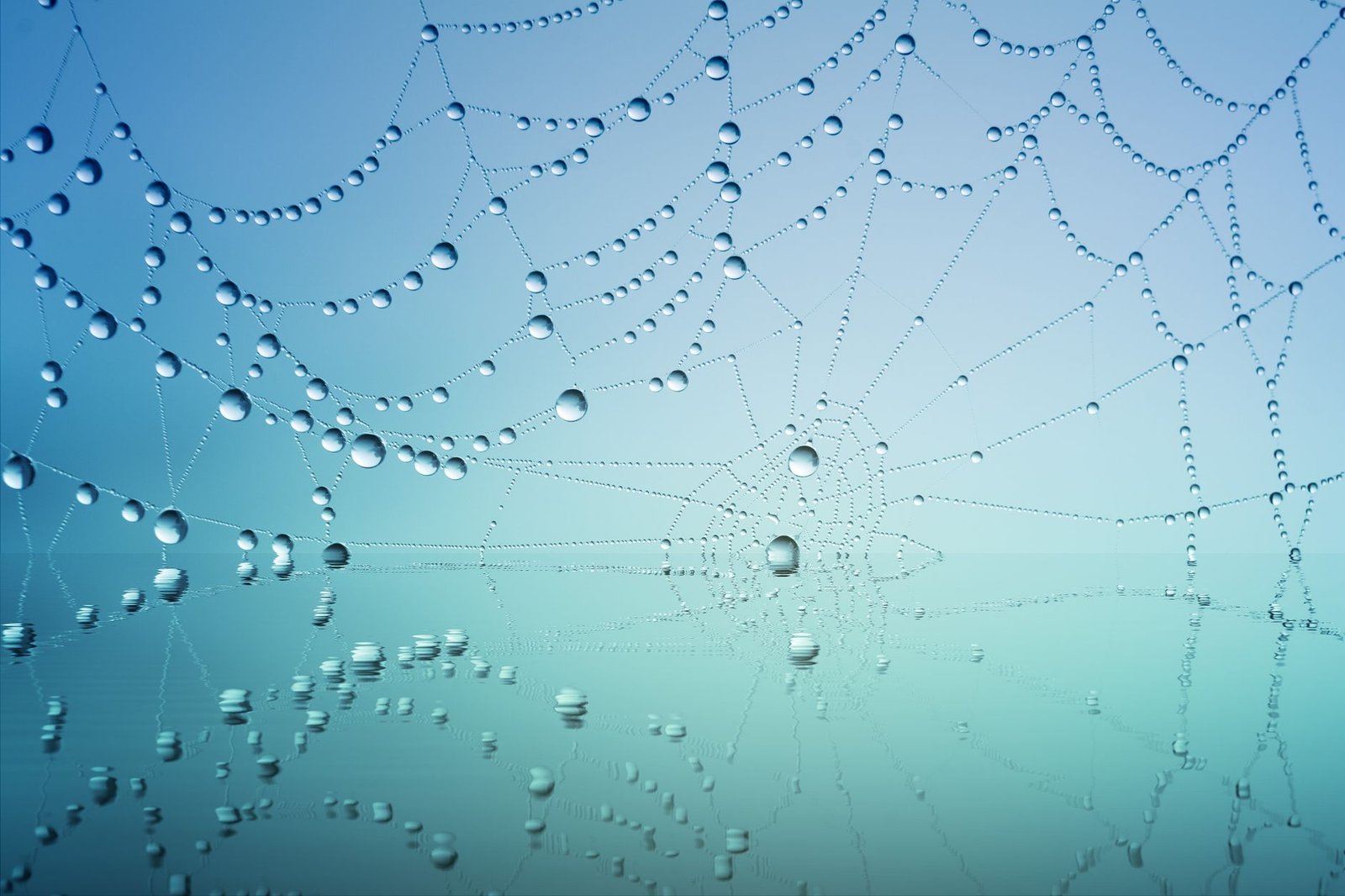
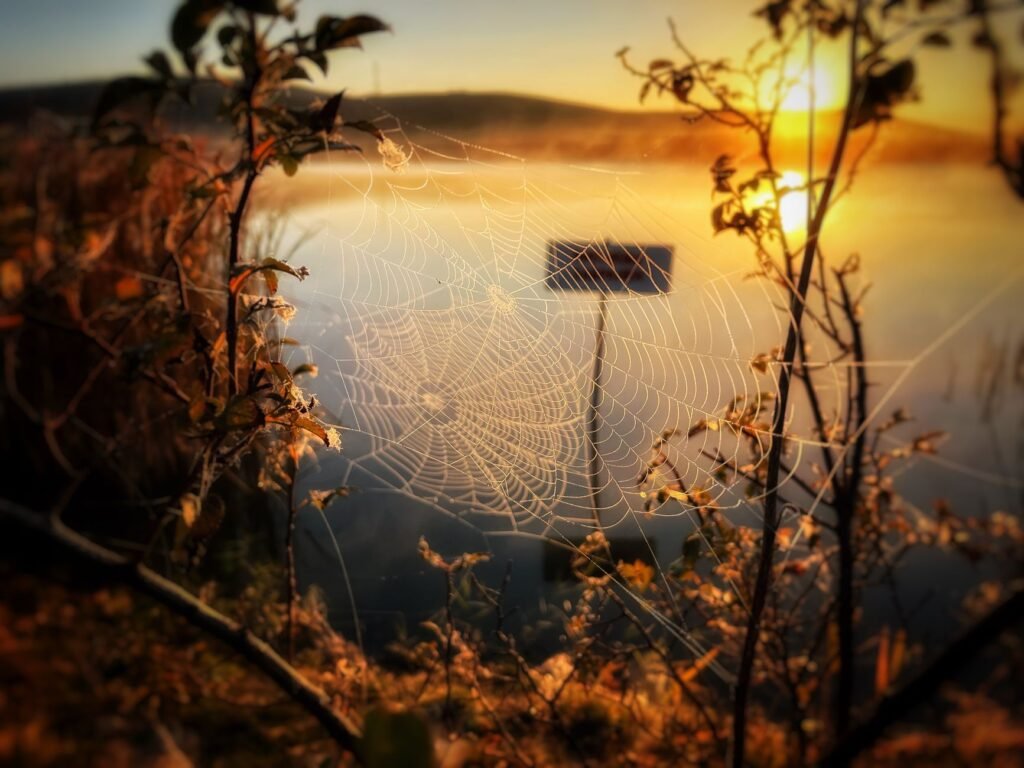
- Observe the Phenomenon: Take a moment to appreciate the unique beauty of the event from a safe distance. Spider silk glistening in the sunlight can create a mesmerizing sight.
- Avoid Touching: Do not attempt to touch or capture the spiders, as this can lead to bites or other injuries.
- Document the Experience: If you feel comfortable, take photos or videos to share your experience with others. Just make sure to keep a safe distance.
While the sight of spiders raining down may be unsettling for some, it can also be an unforgettable experience that highlights the beauty and complexity of nature.
Ecological Significance of Spiders
Spiders play a crucial role in maintaining ecological balance. They are natural predators of many pests, including insects that can wreak havoc in gardens and crops. By controlling these pest populations, spiders contribute to healthier ecosystems and agricultural practices.
In Australia, spiders are particularly important for managing insect populations that could otherwise become overwhelming. For instance, spiders help control the populations of mosquitoes, flies, and other insects that can transmit diseases. This makes them valuable allies in public health efforts.
Additionally, spiders serve as prey for various animals, including birds and reptiles. This creates a food web that supports many species, further emphasizing the importance of preserving spider habitats. As urbanization and climate change threaten natural ecosystems, understanding and protecting the role of spiders becomes increasingly vital.
Safety Tips and Precautions Around Spiders
While spider rain events are typically harmless, it is essential to know how to handle spiders safely. Here are some tips to ensure your safety and comfort around these creatures:
- Learn About Local Species: Familiarize yourself with common spider species in your area. Knowing which are harmless and which may pose a risk can help ease fears.
- Wear Protective Clothing: If you are venturing into areas where spiders may be present, wear long sleeves and pants to minimize skin exposure.
- Use Caution When Moving Objects: Before lifting items outdoors, check for hiding spiders. This is especially true for garden tools or furniture left outside.
- Consult Professionals: If you have concerns about spider infestations in your home, consider consulting pest control experts for safe removal.
By following these precautions, you can coexist with spiders in a safe manner while respecting their role in the ecosystem.

Experiencing Spider Rain: What to Expect
Physical Appearance of Spider Rain
When spider rain occurs, it can be a bewildering sight. The spiders, often tiny and lightweight, can appear to be floating in the air, making it seem like a delicate veil of silk is descending from the sky. These small arachnids are typically from the Linyphiidae family, commonly known as sheet weavers, which are known for their ability to create fine webs that can easily catch the wind.
The distinctive feature of spider rain is the sheer volume of spiders that can cover an area. In some instances, entire fields can be blanketed with a layer of these creatures, creating an almost surreal landscape. The spiders are usually harmless and tend to flee if approached, making interactions relatively safe, albeit startling for those unfamiliar with the phenomenon.
Impact on Daily Life and Activities
While many people find spider rain fascinating, it can also disrupt daily life. Those living in affected areas might find their cars, homes, and outdoor furniture covered in webs and spiders, requiring extra cleaning efforts. It may also pose challenges for outdoor activities, such as camping or hiking, where spiders might invade tents or gear.
Local businesses may also see a dip in tourism during spider rain events, as some visitors may opt to stay indoors rather than explore outdoor attractions. However, nature enthusiasts and photographers often flock to these areas to capture the unusual sight, turning a potential negative into an opportunity for unique experiences.
Local Responses and Community Engagement
Communities in regions prone to spider rain have developed various responses to this natural event. Local governments and tourism boards often issue guidelines on how to handle spider rain, emphasizing the importance of understanding and respecting nature. Community workshops may be organized to educate residents on the ecological role of spiders and how to coexist with them safely.
Additionally, social media has become a platform for sharing experiences and building community engagement around spider rain events. Residents often post pictures and stories, fostering a sense of camaraderie among those who experience the phenomenon. Local wildlife groups may also host events to promote awareness and conservation efforts regarding spider populations.
Spider Rain and Its Cultural Significance
Folklore and Myths Surrounding Spiders
In various cultures, spiders have been symbols of creativity, patience, and even fate. In Australia, indigenous folklore often features spiders as significant characters, embodying wisdom and the connection between the earthly and spiritual realms. For example, the creation stories of the Aboriginal people frequently include spiders, portraying them as important figures in the natural world.
These stories can provide a deeper understanding of how spider rain is perceived culturally. Some communities view spider rain as a sign of good luck or a change in weather patterns, while others may interpret it as a warning or an omen. This rich tapestry of beliefs highlights the importance of spiders in the cultural landscape of Australia.
Modern Interpretations and Media Representations
In contemporary media, spider rain has captured the imagination of filmmakers and artists alike. Documentaries often showcase the phenomenon as part of broader environmental narratives, emphasizing the delicate balance of ecosystems. Additionally, television shows and films have depicted spider rain as a dramatic and visually striking event, sometimes exaggerating its effects for entertainment purposes.
Social media influencers and content creators also play a role in shaping public perception. Viral posts can lead to increased interest in spider rain, prompting discussions about its ecological significance and fostering curiosity among audiences. This blend of traditional storytelling and modern media representation helps keep the conversation around spider rain alive and relevant.
Community Celebrations and Events
Some regions in Australia have embraced spider rain in more celebratory ways. Festivals and community events may be organized to coincide with spider rain occurrences, featuring educational activities, art displays, and local food. These gatherings not only celebrate the phenomenon but also promote awareness of the vital role spiders play in the ecosystem.
Events might include guided nature walks, lectures from arachnologists, and interactive exhibits for children. Engaging the community helps demystify spiders and encourages a sense of stewardship for local wildlife. By fostering a positive atmosphere around spider rain, these celebrations can transform a potentially alarming event into an opportunity for education and enjoyment.

Spider Rain and Its Effect on Biodiversity
Understanding the Role of Spiders in Ecosystems
Spiders play an essential role in maintaining ecological balance. They are natural predators, helping to control populations of insects that can become pests if left unchecked. In the case of spider rain, the sudden influx of spiders can lead to a temporary spike in their population, which can help manage local insect populations effectively.
By preying on insects, spiders contribute to a healthier environment, promoting biodiversity. This balance is crucial, especially in agricultural areas where pests can threaten crops. Farmers may even find that spider populations help reduce their reliance on chemical pesticides, leading to more sustainable farming practices.
Spider Rain’s Impact on Other Wildlife
The phenomenon of spider rain can also have cascading effects on other wildlife. Birds, for instance, often take advantage of the sudden abundance of spiders by feeding on them, which can lead to temporary increases in bird populations in the area. This can create a ripple effect throughout the food chain, affecting not just spiders and birds but also plants and other insects.
As spider rain can alter the dynamics of local ecosystems, it can also influence the behavior of other animals. Predators may adjust their hunting strategies in response to the increased availability of prey, while herbivores may find themselves competing for resources as food webs shift. Understanding these interactions is vital for conservationists and ecologists as they monitor biodiversity.
Conservation Efforts and Research Opportunities
Spider rain events present unique opportunities for scientific research and conservation efforts. Researchers often study the patterns and frequency of spider rain to better understand its implications for ecosystems. This research can provide insights into climate change, as shifts in weather patterns may influence spider behavior and population dynamics.
Conservation programs may also focus on preserving the habitats of spiders and their prey, ensuring that these crucial species continue to thrive. Community engagement plays a significant role in these efforts, as local residents can contribute valuable observations and data, further enriching scientific understanding of the phenomenon.
In summary, spider rain is not merely a curious natural event but a complex occurrence with far-reaching implications for ecosystems, culture, and community. Understanding these aspects can help us appreciate the beauty and intricacy of our natural world.
Frequently Asked Questions
What causes spider rain in Australia?
Spider rain occurs when spiders release silk threads into the air, allowing them to be carried by the wind. This behavior, known as ballooning, typically happens after heavy rains.
Are the spiders dangerous during spider rain events?
Most spiders that rain down during these events are harmless to humans. However, it is always wise to maintain a safe distance and avoid touching them.
When is spider rain most likely to occur?
Spider rain events are more common during the warmer months, particularly in regions like New South Wales and Queensland, following heavy rainfall.
How can I prepare for spider rain?
Stay informed about local weather conditions, limit outdoor activities during anticipated events, and seal your home to prevent spiders from entering.
The Bottom Line
Millions of spiders raining down in Australian showers is a remarkable natural phenomenon that highlights the complex interactions within ecosystems. While the sight can be startling, understanding the science behind it can help demystify the event. Preparation, awareness, and safety precautions can enhance your experience, allowing you to appreciate the beauty of nature while remaining safe.
Visa rules, prices and opening times change. Always confirm details with official sources before you travel.