Understanding Australia Day: History, Celebrations, and Significance
Discover what Australia Day is, its historical significance, how it's celebrated, and its impact on the nation and its people.
Australia Day, celebrated annually on January 26, is a significant national holiday in Australia. It serves as a day for Australians to come together, celebrate their country, and reflect on its rich history. This day marks the arrival of the First Fleet at Port Jackson in 1788, which led to the establishment of the first British colony in Australia. Over the years, Australia Day has evolved into a multifaceted celebration that encompasses cultural events, community gatherings, and official ceremonies.
For many, Australia Day is an occasion to celebrate national pride, but it also ignites conversations about the nation’s history, particularly regarding its Indigenous peoples. The complexities surrounding this day have led to a mixture of celebrations and protests, as some Australians acknowledge the painful impact of colonization on Aboriginal and Torres Strait Islander communities.
This article explores the history of Australia Day, how it is celebrated across the nation, the significance of the day for different communities, and some practical tips for those looking to partake in the festivities.
The Historical Context of Australia Day
Australia Day’s origins date back to January 26, 1788, when Captain Arthur Phillip arrived at Botany Bay with the First Fleet, establishing the first European settlement in Australia. This marked the beginning of British colonization, which had profound implications for the Indigenous peoples of Australia. For many Indigenous Australians, this date is remembered as Invasion Day, a time of mourning rather than celebration, as it symbolizes the loss of their land and culture.
In the early years, January 26 was celebrated by British settlers as a day of national pride. The day was known as Foundation Day and was primarily a local affair in New South Wales. However, it gradually gained recognition across other states, and in 1935, all Australian states and territories began to celebrate it as Australia Day.
In 1994, the National Australia Day Council was established to promote the significance of the day and to encourage all Australians to celebrate its diverse cultural heritage. Today, Australia Day is officially recognized throughout the country, but the duality of its meanings continues to be a topic of discussion, especially among Indigenous communities.

How Australia Day is Celebrated
Australia Day is marked by a variety of events and activities across the nation, reflecting the rich diversity of Australian culture. From parades and fireworks to community festivals and citizenship ceremonies, there are numerous ways Australians engage with the day.
Some of the most common celebrations include:
- Official Ceremonies: Many cities hold formal ceremonies that include the Australian of the Year awards, where outstanding citizens are recognized for their contributions to the nation.
- Community Events: Local councils organize events such as concerts, barbecues, and outdoor festivals that foster a sense of community and belonging.
- Fireworks Displays: Major cities like Sydney and Melbourne host spectacular fireworks shows that draw thousands of spectators.
- Beach Gatherings: Many Australians celebrate the day at the beach, enjoying barbecues, picnics, and outdoor activities with family and friends.
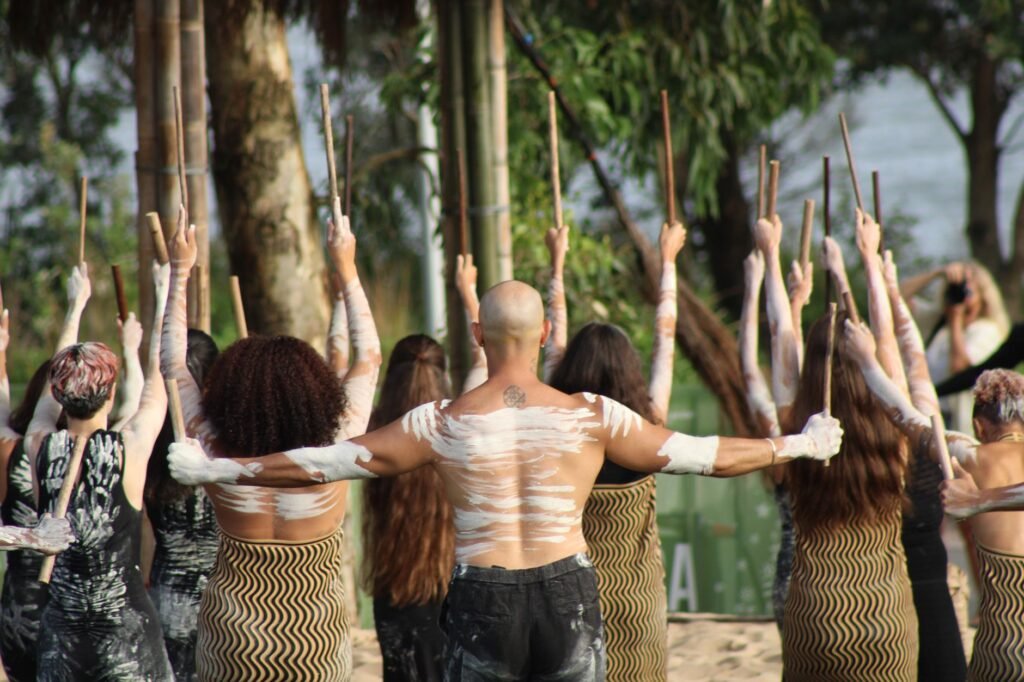
Each year, communities come together to showcase their unique cultural heritage, with performances, displays of local art, and traditional dance. For example, in Sydney, the Australia Day Parade features a vibrant display of music, dance, and cultural performances from various communities, highlighting the multicultural fabric of the nation.

The Significance of Australia Day
The significance of Australia Day varies greatly among Australians. For many, it is a day of national pride, celebrating the country’s achievements and the values of freedom, democracy, and opportunity. However, for Indigenous Australians, the day often serves as a reminder of the injustices faced since colonization.
The duality of the day’s significance is evident in the protests that occur alongside celebrations. Many Indigenous Australians and their allies use this day to advocate for recognition, reconciliation, and justice. They encourage discussions about the impact of colonization and the need for a more inclusive narrative of Australian history.
As Australia continues to grapple with its past, conversations about the meaning of Australia Day are becoming increasingly important. Many Australians are now embracing the idea of celebrating the day in a way that acknowledges the history and contributions of Indigenous peoples, fostering a more inclusive environment.
Practical Tips for Celebrating Australia Day
If you’re planning to celebrate Australia Day, here are some practical tips to enhance your experience:
- Attend Local Events: Check your local council’s website for information on community events. Participating in these gatherings is a great way to immerse yourself in the local culture.
- Be Mindful: Acknowledge the significance of the day for Indigenous Australians. Consider attending a ceremony that recognizes their history and culture.
- Prepare for Weather: January is summer in Australia, so be prepared for hot weather. Bring sunscreen, hats, and plenty of water if you plan to attend outdoor events.
- Explore Cultural Activities: Many cities offer cultural exhibitions and performances celebrating the diversity of Australia. Check for local museums or galleries hosting special events.
- Plan Ahead: Many events draw large crowds, so arriving early can help you secure a good spot for viewing parades and fireworks.
By keeping these tips in mind, you can make the most of your Australia Day experience while being respectful of its complexities.

The Role of Indigenous Perspectives in Australia Day
Understanding the Indigenous Experience
Australia Day is a complex and often contentious occasion for Indigenous Australians, who refer to it as ‘Invasion Day’ or ‘Survival Day’. For many, this day represents the beginning of a painful history marked by colonization, dispossession, and cultural loss. Understanding this perspective is crucial for anyone looking to engage with the broader significance of the day. It is an opportunity to reflect on the impact of colonization on Indigenous communities, and to recognize their resilience and ongoing contributions to Australian society.
Indigenous experiences vary widely across different communities, but common themes include grief, loss, and a desire for recognition and reconciliation. Many Indigenous Australians use this day not only to mourn but also to celebrate their culture, heritage, and survival. Recognizing these narratives can foster a deeper understanding and appreciation for the complexities of Australia Day.
Indigenous Activism and Advocacy
The rise of Indigenous activism has significantly influenced how Australia Day is perceived and celebrated. Many activists advocate for a national conversation about the day, urging Australians to acknowledge the historical injustices faced by Indigenous peoples. This advocacy has led to increased awareness and dialogue about reconciliation, land rights, and cultural preservation.
Indigenous groups have organized various events on Australia Day to highlight their perspectives, including:
- Rallies and marches advocating for Indigenous rights
- Cultural performances showcasing Indigenous art and traditions
- Community gatherings focused on healing and reflection
By participating in these events, individuals can contribute to a more inclusive understanding of Australia Day and support the Indigenous community’s calls for justice.
Engagement in Educational Initiatives
Education plays a pivotal role in reshaping the narratives surrounding Australia Day. Schools, universities, and community organizations are increasingly incorporating Indigenous perspectives into their curricula. These educational initiatives aim to inform Australians about the history of colonization and the ongoing struggles faced by Indigenous peoples.
Some effective educational strategies include:
- Workshops and seminars led by Indigenous speakers
- Incorporating Indigenous history and culture into school programs
- Encouraging discussions around reconciliation and respect
By fostering education about these topics, the next generation can cultivate a more nuanced understanding of Australia Day and its implications for all Australians.

Culinary Traditions and Australia Day
Signature Dishes for Celebrating Australia Day
Culinary traditions play a significant role in Australia Day celebrations, with many Australians using the occasion to enjoy traditional foods that reflect the country’s diverse cultural heritage. Barbecues are a hallmark of the day, bringing families and friends together to share a meal outdoors. Typical dishes might include:
- Snags (sausages) on the grill
- Lamingtons, a classic Australian dessert
- Pavlova, a meringue-based cake topped with fresh fruit
- Meat pies, a beloved snack food
In addition to these traditional foods, many Australians also embrace multicultural influences in their celebrations. This reflects the country’s rich tapestry of cultures, with dishes from various ethnic backgrounds being incorporated into Australia Day feasts.
Local Ingredients and Sustainability
With a growing emphasis on sustainability, many Australians are now focusing on using local ingredients in their Australia Day celebrations. This trend not only supports local farmers and producers but also highlights the unique flavors of Australian cuisine. From fresh seafood to seasonal fruits and vegetables, there are numerous ways to incorporate local ingredients into your Australia Day menu.
Some ideas for sustainable cooking include:
- Visiting local farmers’ markets to find fresh produce
- Choosing sustainably sourced seafood
- Experimenting with native Australian ingredients like bush tomatoes or finger limes
By embracing local and sustainable practices, Australians can celebrate their national day while supporting their communities and the environment.
Community Feasts and Shared Meals
Community feasts have become increasingly popular on Australia Day, bringing together neighbors and friends in a spirit of camaraderie. These events often involve potluck-style meals where attendees contribute dishes, fostering a sense of community and shared celebration. Community feasts can take place in parks, community centers, or backyards, providing an inclusive atmosphere for people from all walks of life.
Organizing a community feast can involve:
- Setting up a communal dining area with picnic tables or blankets
- Encouraging attendees to bring a dish that represents their cultural background
- Incorporating activities such as games or music to enhance the festive atmosphere
These gatherings not only celebrate Australia Day but also promote cultural exchange and understanding among diverse communities.
The Impact of Australia Day on Tourism
Festivals and Events Attracting Tourists
Australia Day is not only a national celebration but also a significant event for tourism. Various festivals and events occur across the country, drawing both domestic and international visitors. Major cities like Sydney, Melbourne, and Brisbane host large-scale celebrations that feature fireworks, parades, and cultural performances, creating a vibrant atmosphere that appeals to tourists.
Some popular tourist events include:
- The Australia Day Parade in Sydney, showcasing floats and performances
- Fireworks displays over iconic landmarks such as the Sydney Harbour Bridge
- Community festivals featuring local artists, food stalls, and entertainment
These events not only provide entertainment but also offer insights into Australian culture and traditions, making them an attractive draw for travelers.
Promoting Local Tourism and Businesses
Australia Day serves as an opportunity for local businesses to thrive as tourists flock to various destinations. Restaurants, hotels, and attractions often create special promotions or events to capitalize on the increased foot traffic. This can include themed menus, discounts on accommodation, or special guided tours that showcase local history and culture.
Supporting local businesses during this time can enhance the overall experience for visitors while contributing to the local economy. Tourists can engage with local artisans, purchase handmade crafts, or dine at eateries that highlight regional cuisine, enriching their understanding of Australia’s diverse landscape.
Encouraging Responsible Tourism Practices
As tourism grows on Australia Day, so does the responsibility of visitors to engage in sustainable practices. Tourists are encouraged to respect local cultures, wildlife, and environments while enjoying their celebrations. This includes being mindful of waste, practicing Leave No Trace principles, and supporting initiatives that promote conservation and cultural preservation.
Some tips for responsible tourism include:
- Participating in community clean-up events
- Choosing eco-friendly accommodation options
- Educating oneself about the local Indigenous culture and history
By adopting responsible tourism practices, visitors can contribute positively to the communities they visit while enjoying the festivities of Australia Day.
Frequently Asked Questions
What is the history behind Australia Day?
Australia Day commemorates the arrival of the First Fleet in 1788 and the establishment of British settlement. It is a day of reflection on the impact of colonization on Indigenous peoples.
How do Australians celebrate Australia Day?
Celebrations include community events, barbecues, fireworks, and official ceremonies. Many Australians also engage in discussions about the day’s significance and historical context.
Is Australia Day a public holiday?
Yes, Australia Day is a public holiday across the country, giving people a day off to participate in celebrations and activities.
What are the controversial aspects of Australia Day?
The day is controversial because it is viewed as a day of mourning by many Indigenous Australians, who recognize it as Invasion Day. This duality has led to ongoing conversations about reconciliation and recognition.
The Bottom Line
Australia Day is a significant occasion that celebrates the nation’s history, culture, and achievements. While it is a day of national pride for many, it also serves as a reminder of the complex and often painful history associated with colonization. Understanding the significance of this day requires acknowledging both the celebrations and the conversations around reconciliation with Indigenous communities. As Australians continue to redefine what it means to celebrate their nation, Australia Day remains a pivotal moment for reflection and unity.
Visa rules, prices and opening times change. Always confirm details with official sources before you travel.