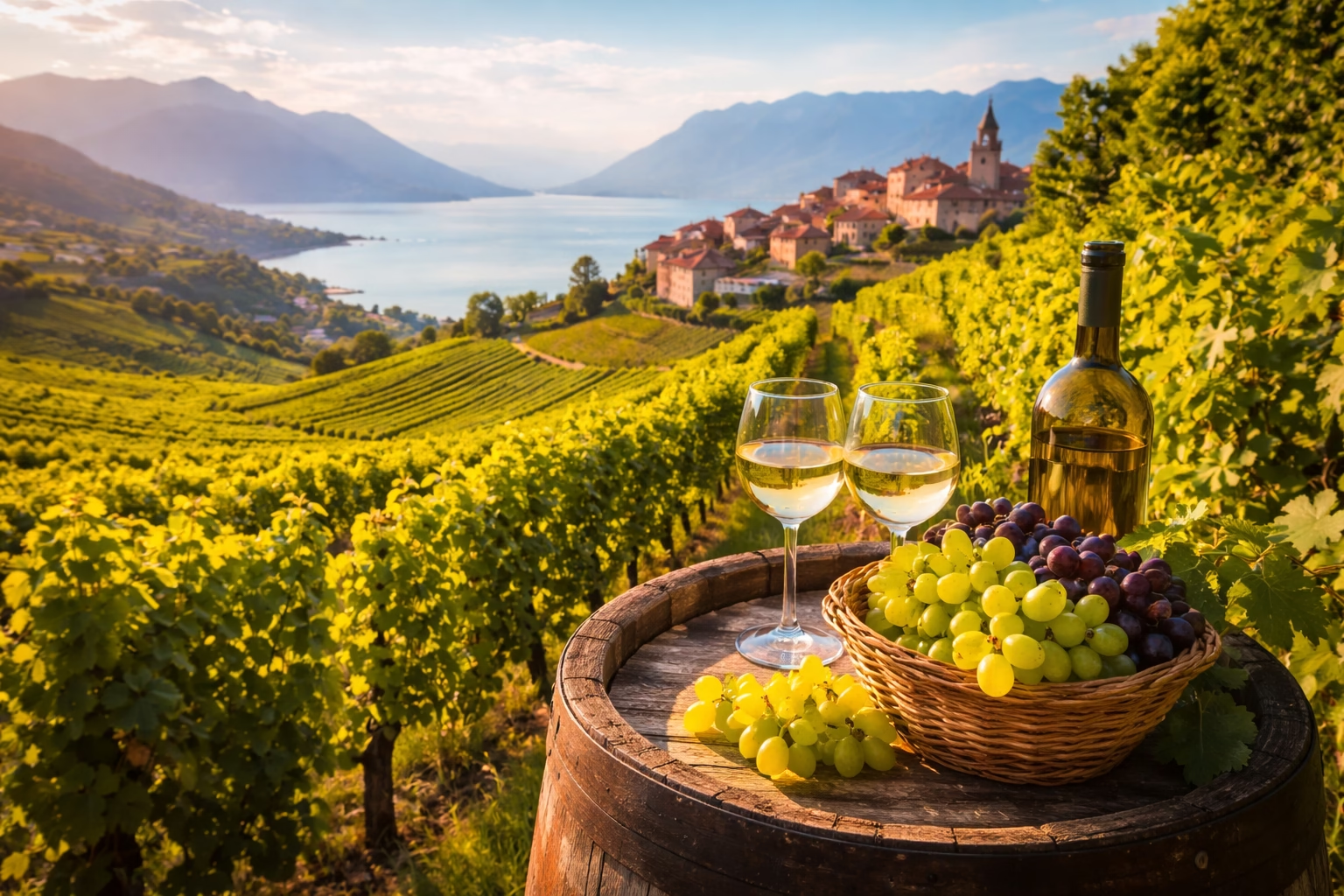
Few travel experiences connect culture, history, and the senses quite like exploring Europe’s wine regions. From the sunlit hills of Tuscany to the misty valleys along the Rhine, each destination reveals a story of soil, craftsmanship, and community that has evolved over centuries. Whether you are a connoisseur who studies vintages or a traveler simply drawn to scenic landscapes and slower rhythms, a wine-focused trip through Europe blends discovery and pleasure unlike any other.
- Tuscany's rolling vineyards yield Sangiovese classics like Chianti and Brunello; rent a car, visit hill towns, and book tastings in spring or autumn.
- Bordeaux sets the fine-wine standard; explore Left and Right Bank estates, visit La Cité du Vin, and time visits for September harvest festivities.
- Douro's steep terraced vineyards produce Port and elegant table wines; take a river cruise, stay at quintas, and savor schist-driven flavors.
- Rioja blends tradition and avant-garde design; taste Tempranillo aged from Crianza to Gran Reserva and visit Haro, Elciego, and Logroño.
- Alsace's aromatic whites Riesling, Gewürztraminer, and Pinot Gris shine along the Route des Vins; enjoy village tastings, cycling, and seasonal Christmas markets.
This guide explores some of Europe’s most fascinating wine regions, detailing what makes each one distinct, how to experience it fully, and practical insights to plan your visit. Expect more than vineyard tours. You will uncover cultural nuances, culinary pairings, and travel logistics that turn a visit into a true immersion in the art of winemaking.
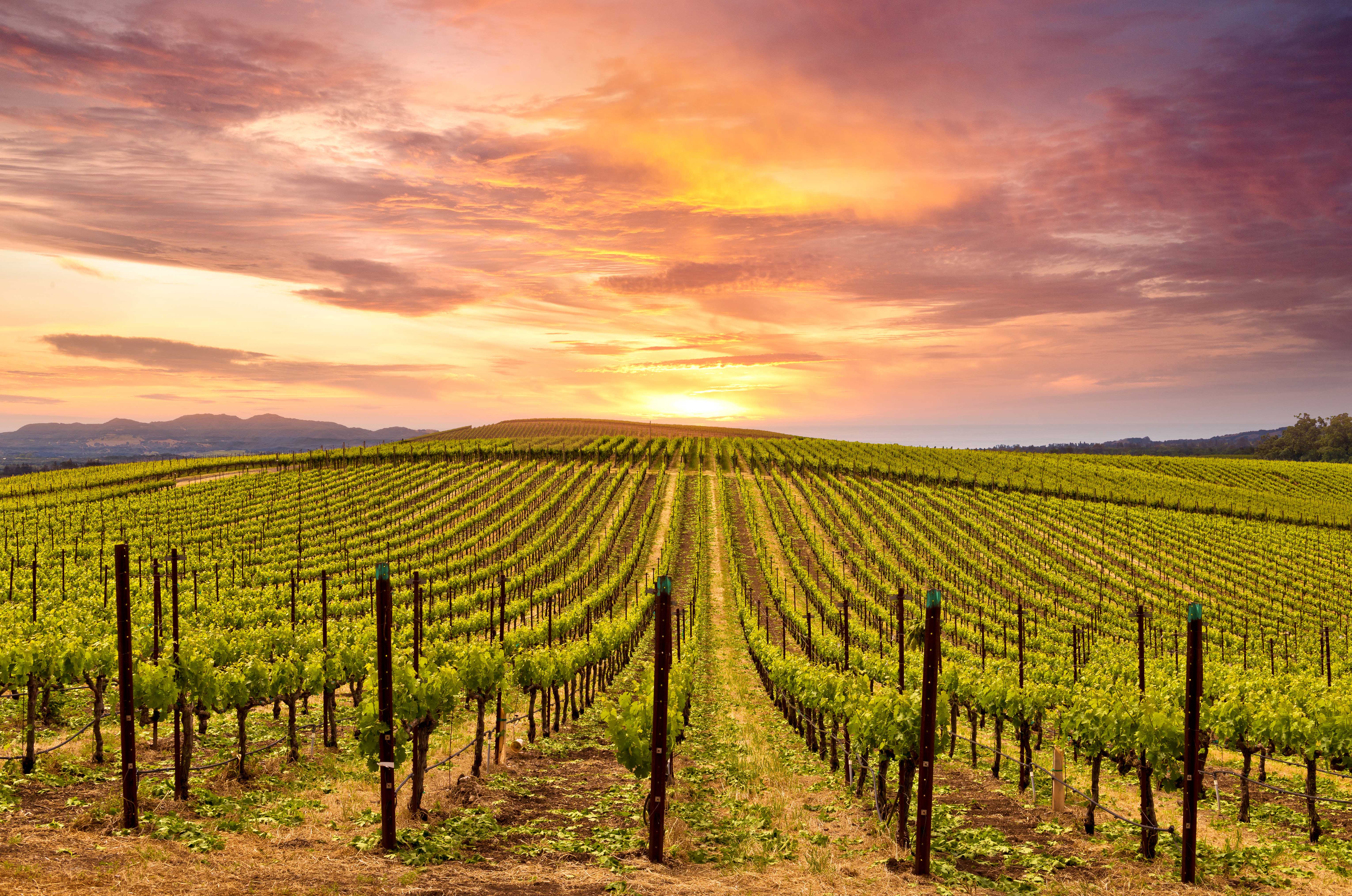
Tuscany, Italy: The Essence of Old World Charm
Tuscany is the heart of Italian wine tradition, where rolling hills, cypress-lined roads, and rustic farmhouses form a cinematic backdrop to centuries-old vineyards. The region’s famous Chianti Classico is only the beginning of what waits to be discovered.
What Makes It Special
Tuscany embodies balance: robust reds from Sangiovese grapes, graceful whites from Vernaccia, and the delicate sweet Vin Santo. Beyond wine, the area’s culture of slow living and deep respect for the land infuse every experience, from vineyard lunches to village festivals.
Where to Go
- Chianti Region: Between Florence and Siena lie terraced vineyards producing Chianti Classico. Visit traditional wineries such as Castello di Ama or Fontodi and pair your tastings with local olive oils and pecorino cheese.
- Montepulciano and Montalcino: Discover Brunello di Montalcino and Vino Nobile di Montepulciano, complex wines aged to perfection. The hill towns themselves offer medieval architecture and panoramic views that pair beautifully with a glass in hand.
Travel Tip
Rent a car to explore small villages at your own pace. Many estates welcome visitors for tastings, but booking ahead ensures a more personal experience. The best seasons are spring and autumn when the landscapes glow in soft light and the crowds thin.

Bordeaux, France: The Benchmark of Fine Wine
Bordeaux defines prestige in the wine world. Its name evokes centuries of refinement, tradition, and an unwavering pursuit of quality. The region’s balance of limestone soil and maritime climate shapes wines that have long set the standard for excellence.
Highlights of the Region
Bordeaux is divided into Left Bank and Right Bank appellations, each offering unique flavor profiles.
- Left Bank: Known for Cabernet Sauvignon dominant blends from famous châteaux such as Margaux and Lafite Rothschild.
- Right Bank: Centered around Saint Émilion and Pomerol, where Merlot thrives in softer clay soils, producing rich and velvety reds.
Experiencing Bordeaux
Start at the city of Bordeaux itself, a UNESCO World Heritage site filled with neoclassical architecture and riverside cafés. A must-visit is La Cité du Vin, an interactive museum that brings wine history to life. Spend a few days touring nearby estates, ideally with a local driver or guided tour to access small producers alongside iconic names.
Insider Tip
Harvest season in September offers extraordinary experiences, from grape-picking festivals to candlelit dinners at châteaux. Consider booking well in advance, as accommodations in Saint Émilion and Médoc fill quickly.
Douro Valley, Portugal: The Blend of Nature and Heritage
Stretching along the Douro River, this Portuguese wonder is both a visual spectacle and a UNESCO-listed cultural landscape. It is the birthplace of famously fortified Port wine, yet its modern scene also celebrates elegant red and white table wines.
Why It Captivates Travelers
Vineyards climb steep terraced hillsides that plunge into the river, forming a dramatic panorama. Family-run estates called quintas open their doors to visitors eager to learn about traditional viticulture and taste the fruits of the schist-rich soil.
How to Experience It
A river cruise is one of the most relaxing ways to absorb the beauty of the valley. Along the route, stop at Peso da Régua and Pinhão to explore estates such as Quinta do Bomfim or Quinta da Pacheca. Many properties offer accommodation in beautifully restored manor houses, combining rustic charm with Portuguese hospitality.
Culinary Pairings
Pair full-bodied red wines with local dishes like roasted lamb or seafood rice. Do not miss sampling aged tawny Ports with desserts featuring almonds and figs.

Rioja, Spain: A Symphony of Tradition and Modernity
Located in northern Spain, Rioja balances deep-rooted tradition with cutting-edge design. Here, visitors encounter weathered cellars standing beside futuristic architectural masterpieces, all dedicated to the craft of Tempranillo-based wines.
Distinctive Wine Character
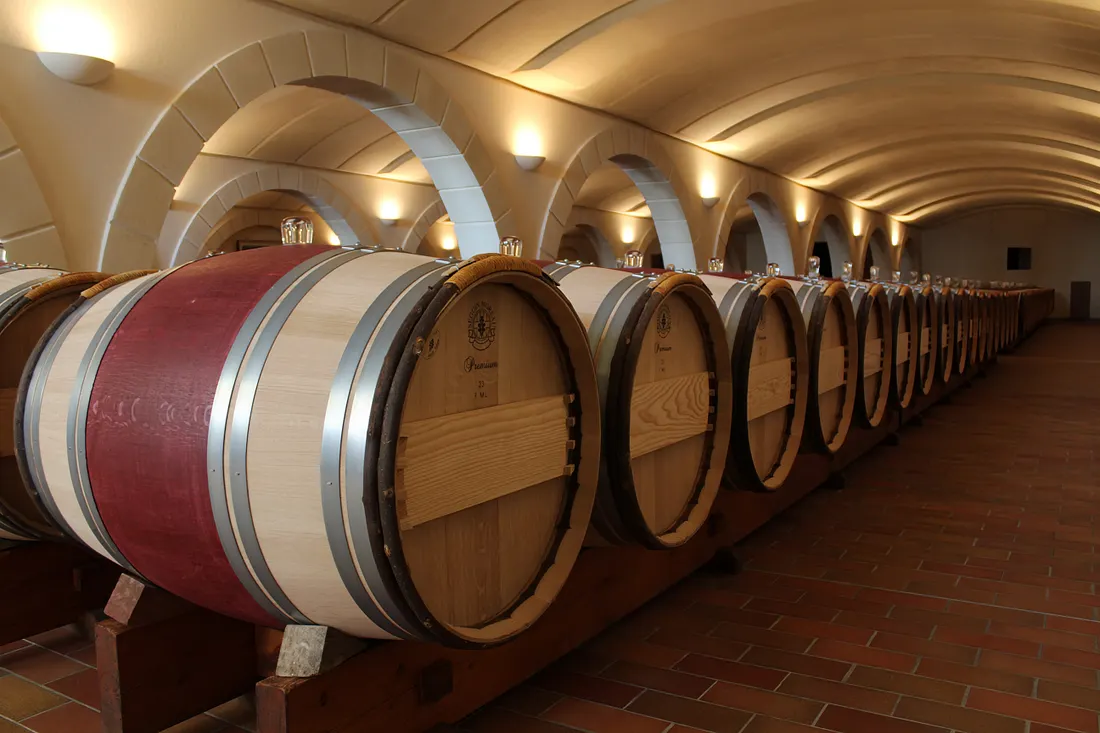
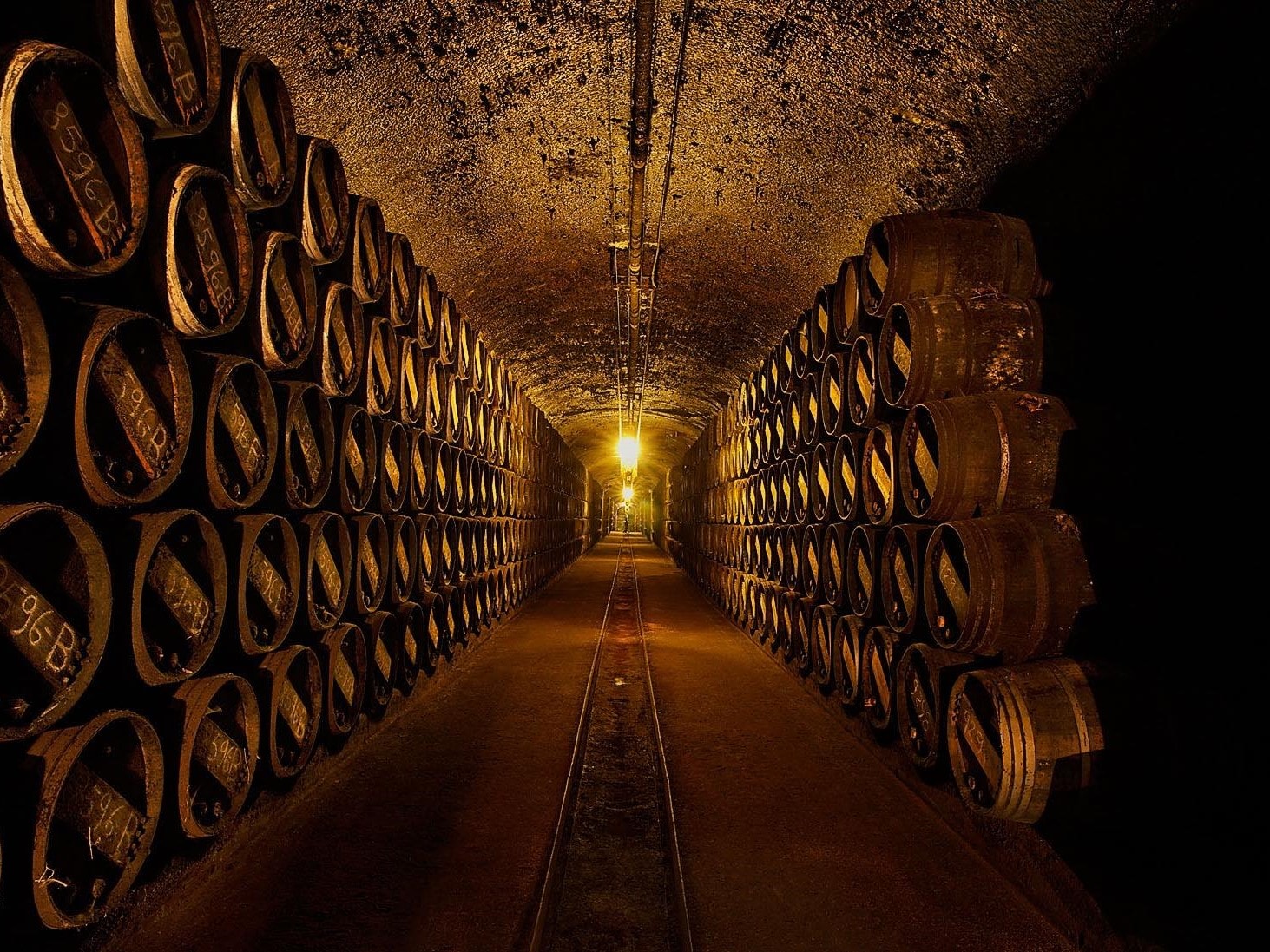
Rioja wines are typically aged in oak barrels, imparting layers of vanilla and spice. The classification system from Crianza to Gran Reserva reflects aging time, allowing travelers to appreciate different levels of complexity.
What to See and Do
- Haro: Known as the wine capital of Rioja, Haro hosts annual wine festivals and tastings among century-old bodegas.
- Elciego: The avant-garde Marqués de Riscal winery designed by Frank Gehry is a destination in itself.
- Logroño: The region’s lively capital offers tapas trails and wine bars where locals gather late into the night.
When to Visit
While Rioja’s wines age gracefully all year, autumn is the region’s most evocative season as vineyards turn shades of gold and crimson. For travelers interested in culture, the annual Batalla del Vino in June offers an unforgettable celebration of wine and camaraderie.
Alsace, France: A Tapestry of Aromatic Whites
Bordering Germany, Alsace combines proud French elegance with a trace of German charm. Its storybook villages, timber-framed houses, and flower-filled windows create the perfect setting for some of Europe’s best aromatic white wines.
A Unique Wine Palette
Alsace specializes in crisp and expressive varietals like Riesling, Gewürztraminer, and Pinot Gris. The wines are known for their clarity and precision, mirroring the purity of the landscape itself.
The Route des Vins d’Alsace
This scenic route stretches over 100 miles from Marlenheim to Thann, winding through picturesque villages like Riquewihr, Eguisheim, and Kaysersberg. Cyclists and hikers will find plenty of trails that pass through vineyards, offering alternative ways to appreciate the scenery.
Local Experience
Plan visits to small family wineries where tastings often include homemade kougelhopf or Munster cheese. If traveling in December, the Christmas markets fill the villages with light and warmth, blending festive spirit with fine wine.

Santorini, Greece: A Vineyard by the Sea
Santorini’s volcanic soil produces wines unlike any other in Europe, shaped by centuries of cultivation under the strong Aegean sun. The distinctive training method called kouloura, where vines are woven into basket shapes close to the ground, protects the grapes from wind and heat.
Signature Wines
Assyrtiko is the island’s flagship grape, yielding crisp, mineral-rich whites that complement local seafood perfectly. Wineries such as Santo Wines and Venetsanos offer tastings on terraces overlooking the caldera, creating an experience that combines flavor and breathtaking beauty.
Making the Most of Your Visit
Explore beyond the main town of Fira by following wine routes that lead to traditional villages like Pyrgos or Megalochori. Pair your wine tastings with a sunset dinner at one of the island’s clifftop restaurants for an unforgettable finale to your journey.

Conclusion: Raising a Glass to the Journey
Exploring Europe’s wine regions is an invitation to travel slowly, savor deeply, and connect personally with local culture. Each vineyard tells a story that goes far beyond the sip in your glass. It speaks of generational craftsmanship, evolving traditions, and the landscape’s enduring influence on taste and life.
From the rustic warmth of Tuscany to the tranquil banks of the Douro, these destinations remind travelers that wine is more than a beverage, it is a bridge to community, creativity, and discovery. So plan your route, uncork curiosity, and let the vineyards of Europe guide you through a journey that will stay with you long after the last toast.
Further Reading
3 Day Istanbul Itinerary for First Time Visitors
Travel to Somalia; How I Traveled to Mogadishu
Free Family Things to do in Chicago Today
How to Spend Four Days in Hong Kong