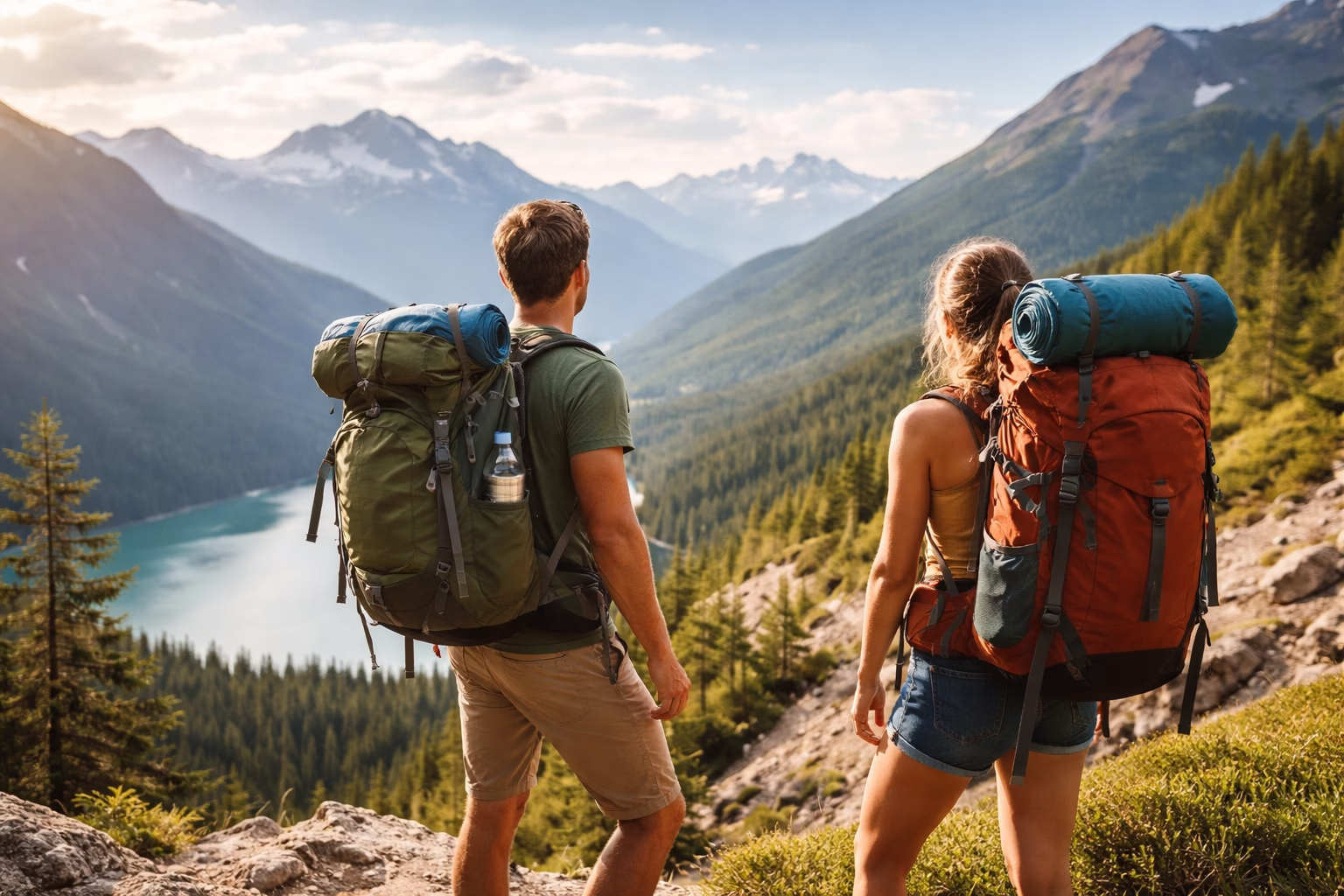
Backpacking offers a sense of freedom and discovery that no other style of travel can match. The joy of carrying everything you need on your back, waking up to a new view every morning, and navigating unfamiliar paths creates a deeper connection with the world around you. Yet, for first timers, planning a backpacking trip can feel daunting. Questions about gear, daily mileage, and how to structure the trip can hold you back from taking that first step.
This detailed 10 day backpacking itinerary for beginners is designed to remove the uncertainty and turn your curiosity into confidence. It blends achievable daily routes, practical advice, and time for rest and exploration. By following this guide, you will not only understand how to pace a multi day trek but also learn how to balance adventure with comfort.
Each section below breaks down essential stages of your journey, from preparation and packing to daily hiking tips and camp setups. By the end, you will have a clear roadmap for your first adventure and the tools to expand your travel horizons.
Pre Trip Preparation: Setting Yourself Up for Success
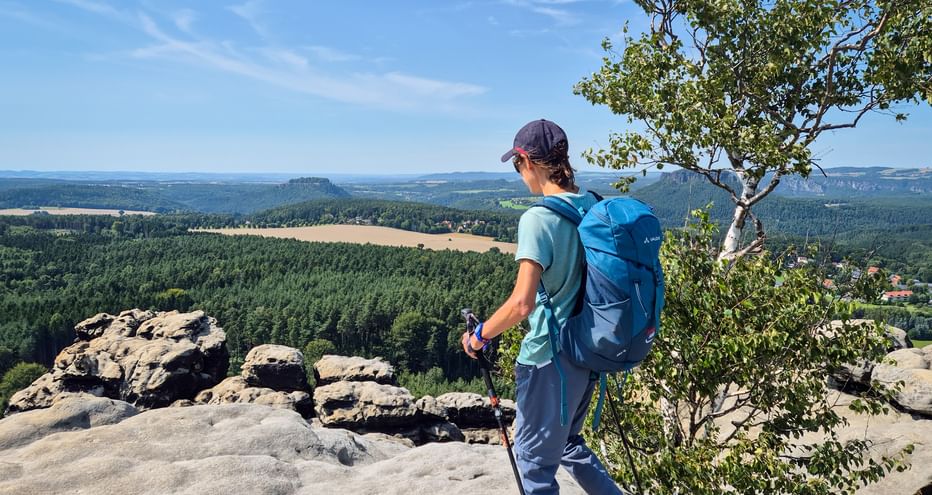
Before you set foot on the trail, thoughtful preparation ensures your experience is safe and enjoyable. Beginners often overlook the importance of balancing enthusiasm with realism. Start by selecting a beginner friendly route, ideally one with clear trail signage, water access, and moderate terrain. National and regional parks with established trails and ranger stations are ideal choices.
Research and Planning Tips:
- Choose a trail network with multiple access points so you can adjust your distance if needed.
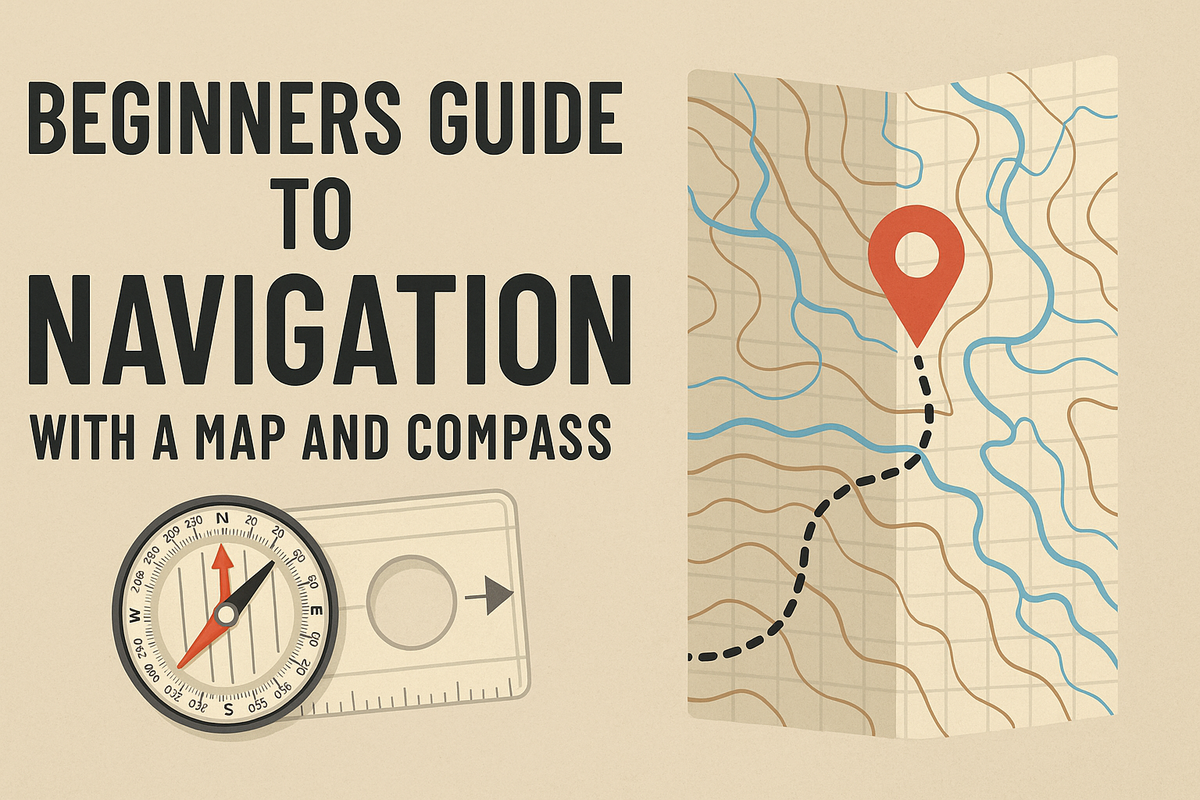
- Review trail maps in advance and download offline versions. Lack of phone reception is common in remote areas.
- Check local regulations regarding camping permits, fire restrictions, and waste disposal.
- Study weather patterns for the region, packing accordingly for temperature changes and potential rain.
Gear and Packing Essentials:
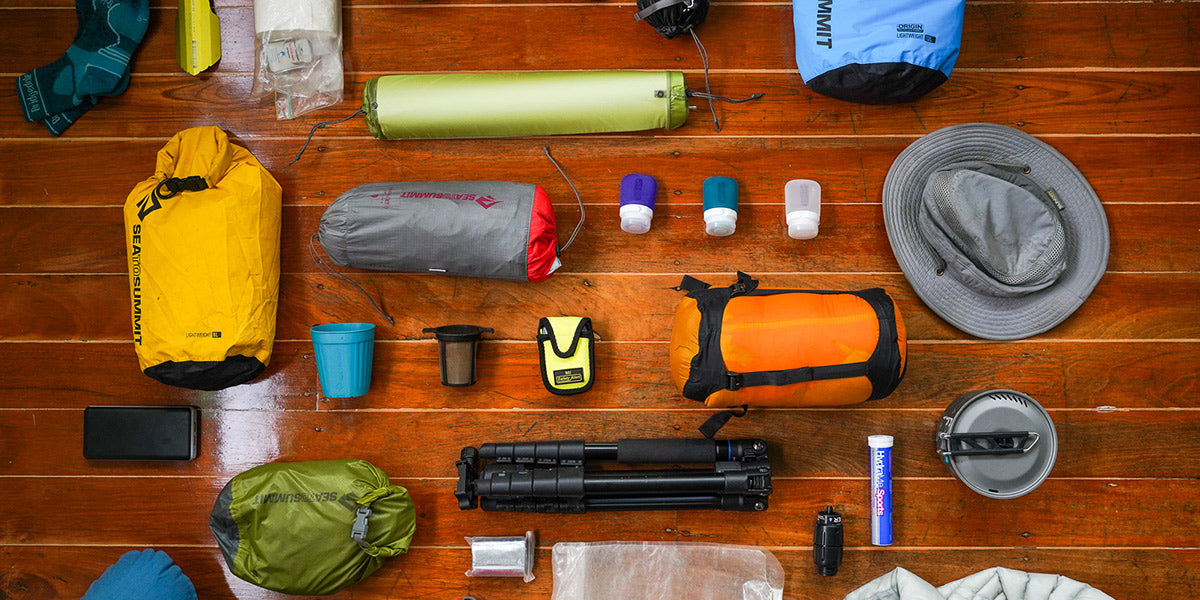
Backpacking is about efficiency. Aim for lightweight but reliable equipment. Invest in quality footwear that has been properly broken in before the trip. Other must haves include:
- A well fitted backpack between 45 and 60 liters
- A three season tent or compact hammock setup
- A lightweight sleeping bag rated for the expected overnight temperatures
- A compact cooking stove with solid fuel or gas and easy pack meals
- A water filter or purification tablets
- A first aid kit and emergency blanket
Prepare your gear and test it locally before departure. A short weekend walk carrying your packed bag will reveal any adjustments needed.
Days 1 to 3: Settling into the Rhythm
Your first days on the trail are about adjusting to life outdoors. Begin with manageable distances and focus on establishing a comfortable hiking pace rather than covering as much ground as possible.
Day 1: Start at a nearby trailhead by mid morning to allow time for setup before dark. Keep your hike under six miles. Set up camp near a reliable water source. Learn your equipment and ease into the routine of pitching the tent, filtering water, and cooking dinner.

Day 2: Wake up early and take your first full day hike. Pack light for the day and enjoy the journey as much as the destination. Take note of how your body feels and rest when necessary. This day is great for practicing navigation skills using a map and compass.
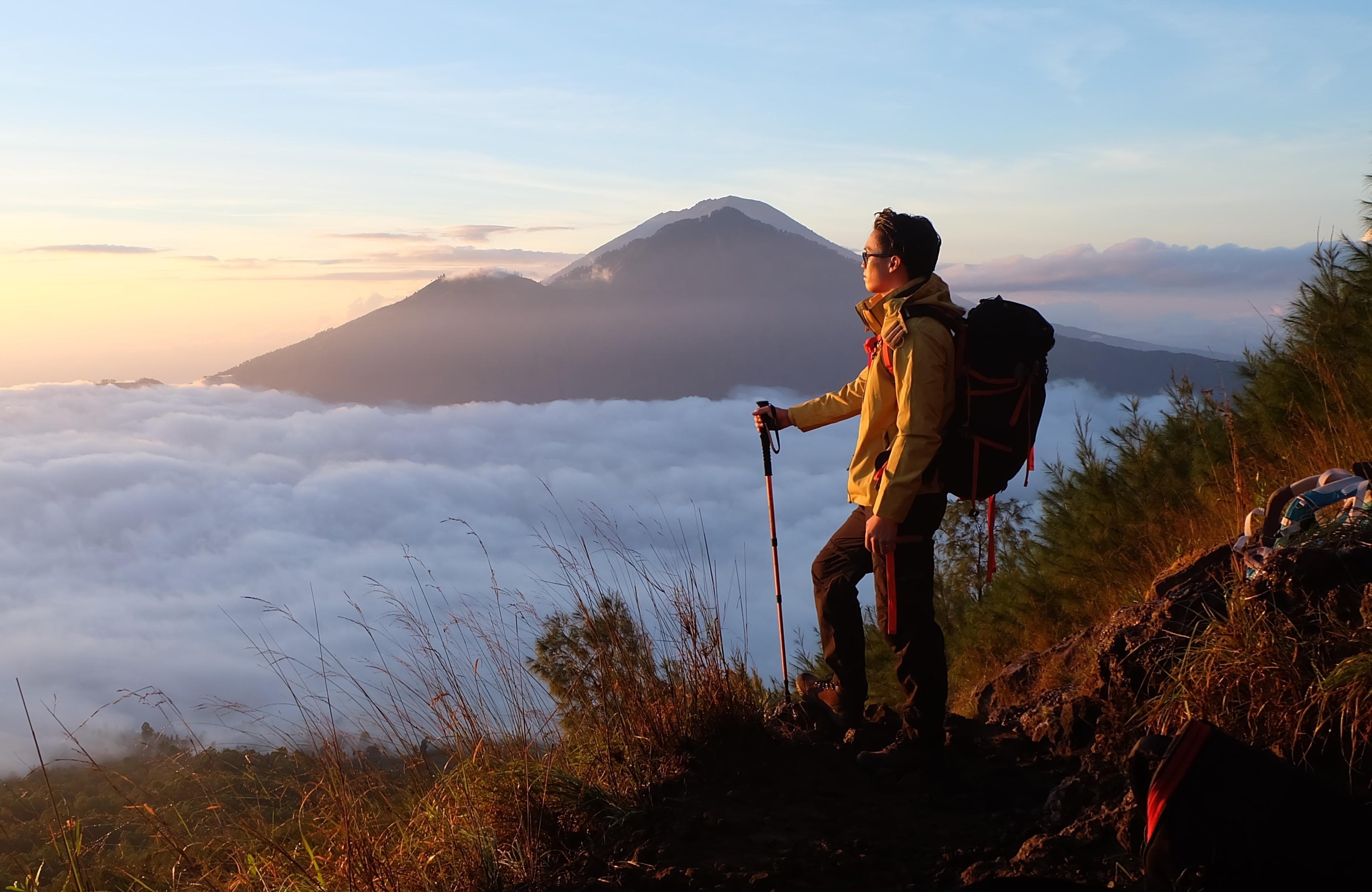
Day 3: Plan to reach a scenic point such as a lake, valley, or lookout. Spend time taking photos and journaling your experience. Rest, stretch, and check your gear for any wear or discomfort.
These first three days set the foundation of confidence and comfort that will carry through the rest of your journey.

Days 4 to 6: Building Confidence and Exploring More
By the fourth day, your body will feel more at ease with the daily rhythm of hiking and setting camp. Your endurance improves, and you begin to notice the subtle sounds and beauty of nature more clearly.
Day 4: Choose a section of trail that offers a mixture of terrain such as forest paths and open meadows. This keeps the journey engaging and enhances your understanding of route conditions. Experiment with outdoor cooking recipes, perhaps using ingredients picked up at a trail community supply point.

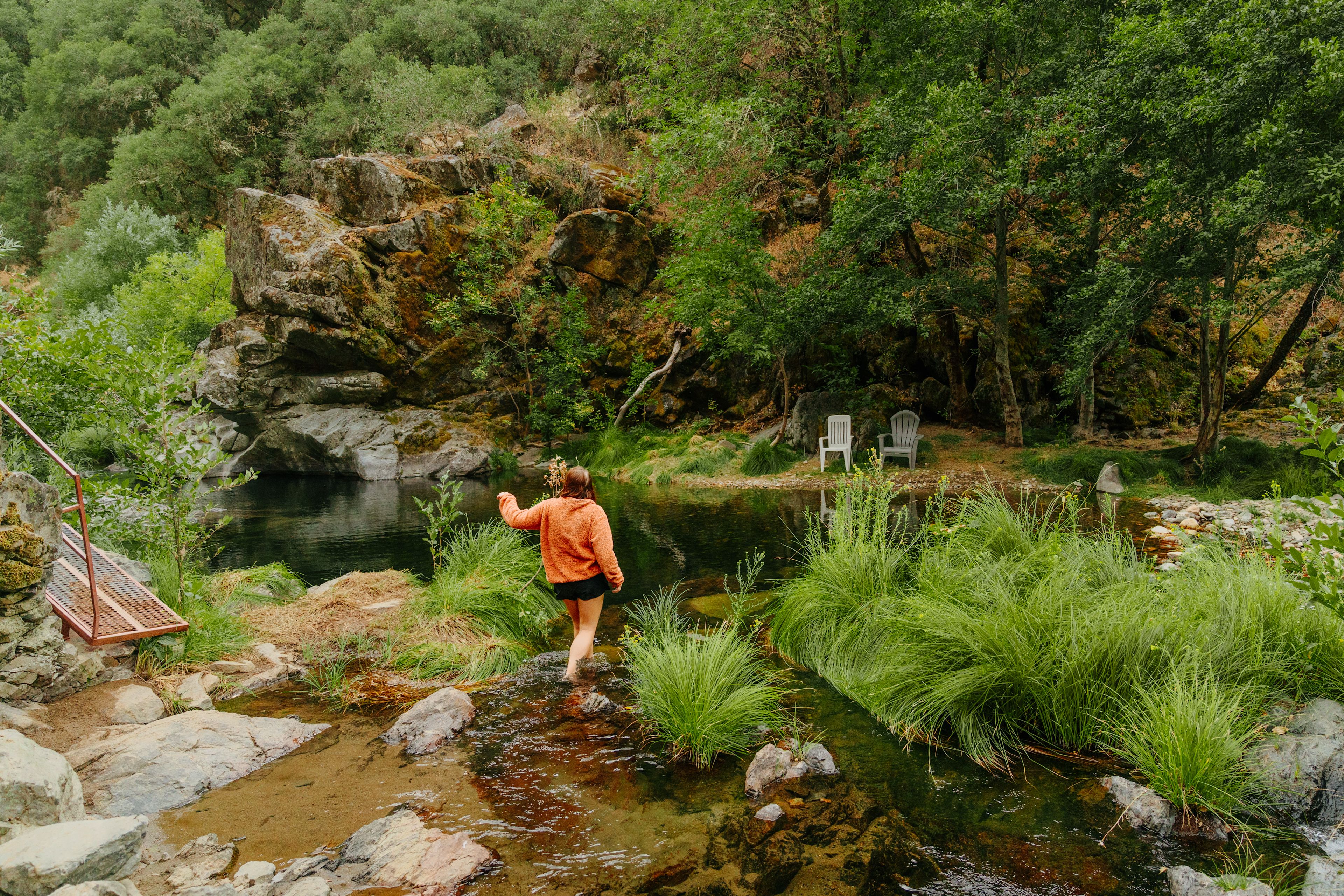
Day 5: This is an ideal time to introduce a rest afternoon. Arrive early at your next campsite and spend time swimming in a nearby river or just reading under the trees. Let your body recover while still enjoying the surroundings.
Day 6: Tackle a slightly longer trek or moderate ascent. It is satisfying to push yourself a little further once adapted. Make sure to stay hydrated and snack regularly on high energy foods such as nuts and dried fruit.
At this mid point, you will feel more independent, having learned to manage pace, navigation, and your physical limits.
Days 7 to 9: Immersing Fully in the Journey
These days represent the heart of your adventure. The familiarity of trail life allows you to enjoy every moment without the anxiety that beginners often feel at the start.
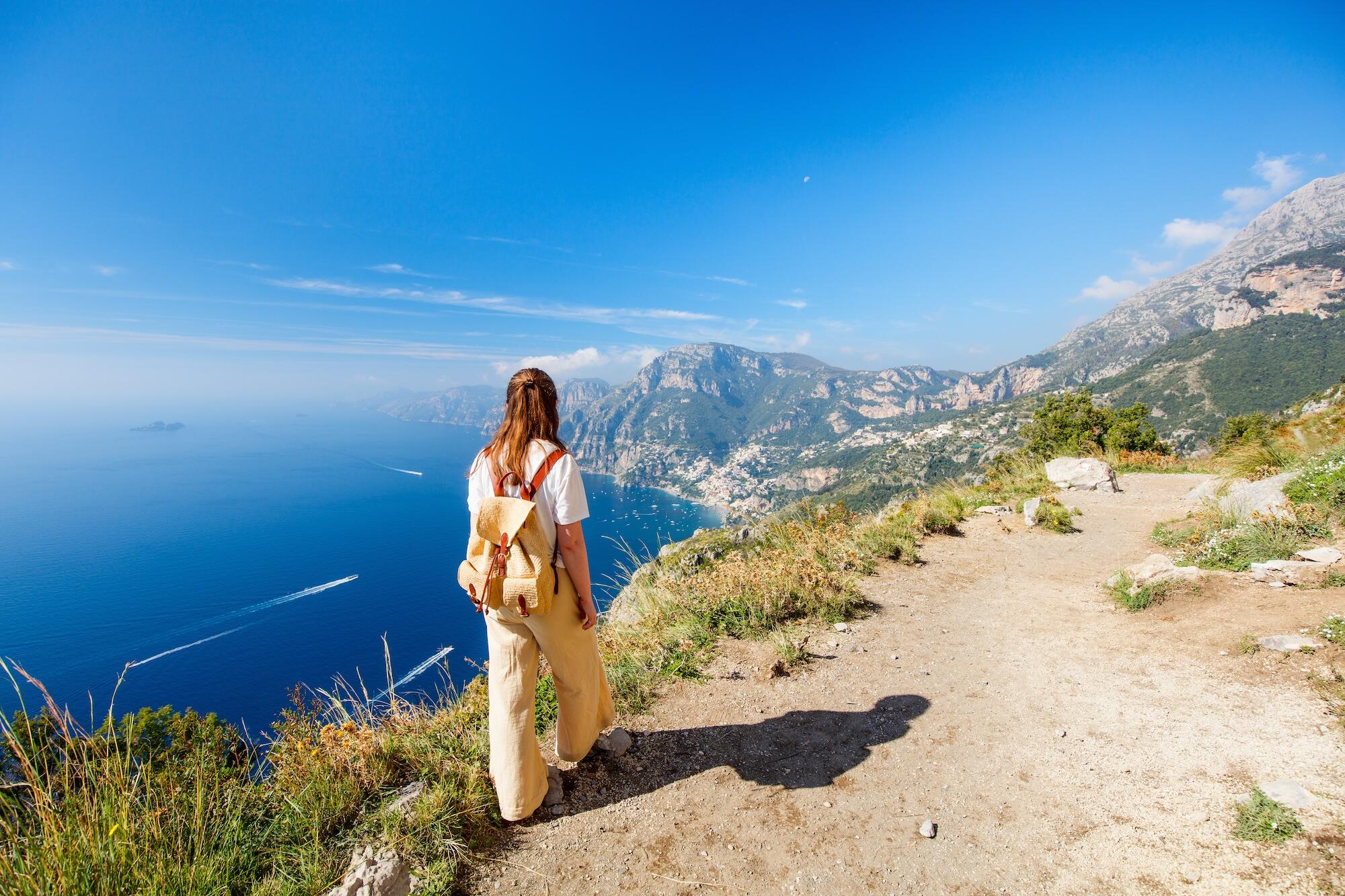
Day 7: Set out early for a full day hike toward a significant highlight of your route such as a mountain pass, a glacier view, or an alpine lake. The sense of achievement will motivate you for the journey ahead.

Day 8: Use this day for cultural or environmental exploration if your trail passes through villages or conservation areas. Talk to locals, learn about wildlife or geology, and appreciate the land’s history. Backpacking is not only about walking but understanding where you are traveling through.
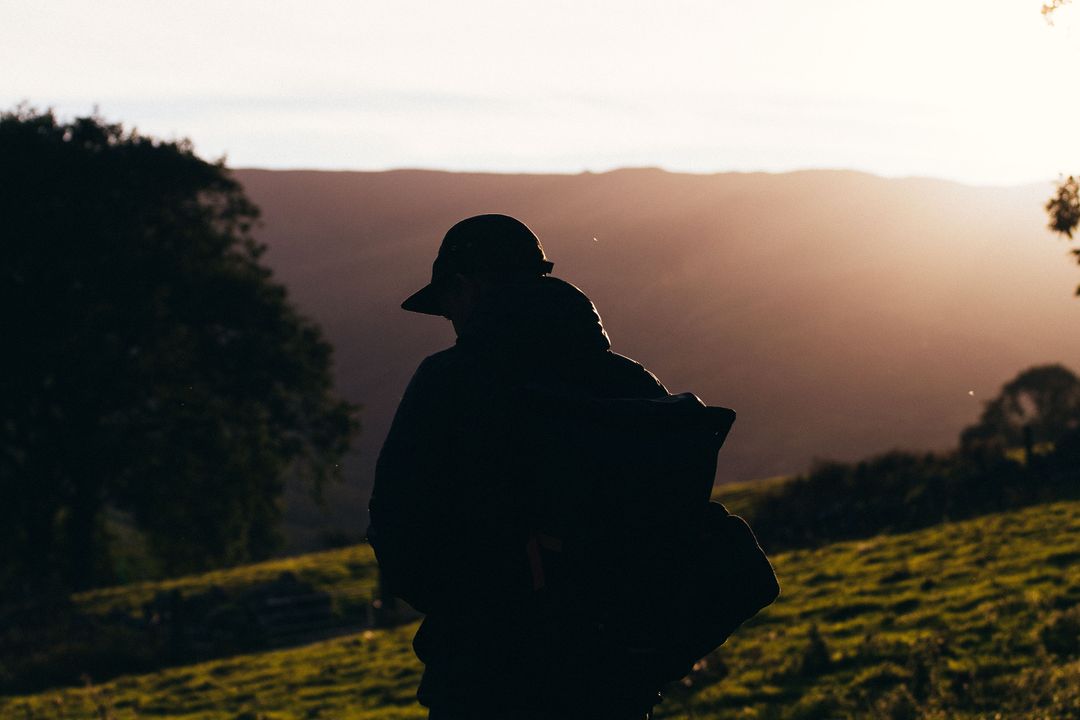
Day 9: Begin returning toward your starting area. Reflect on how you have changed since day one. You may walk the same paths differently now, moving with ease and awareness of every sound and breeze.
This stage of the journey is deeply rewarding, reinforcing the connection between self and nature that makes backpacking so fulfilling.

Day 10: The Journey Home and Reflection
Your final day is a powerful reminder that adventure is as much about return as it is about departure. Use the morning for a relaxed hike back to the trailhead. Afterward, clean your gear thoroughly, repack it properly, and note what equipment performed well or requires replacement.
Take time to record your experience while it is fresh. Write about the highs, the challenges, and what you learned about yourself. Many travelers find that reflecting on their first backpacking trip becomes the starting point for a lifelong passion.
This closure allows you to appreciate your growth and prepares you for more ambitious trails in the future.

Practical Tips for Beginner Backpackers
To make your first 10 day trip even smoother, keep the following in mind:
- Packing discipline: Carry only what you truly need. Every ounce matters over long distances.
- Food planning: Combine lightweight dehydrated meals with occasional fresh items picked up in nearby towns.
- Leave no trace: Respect the environment. Pack out all waste, minimize fire impact, and stay on marked trails.
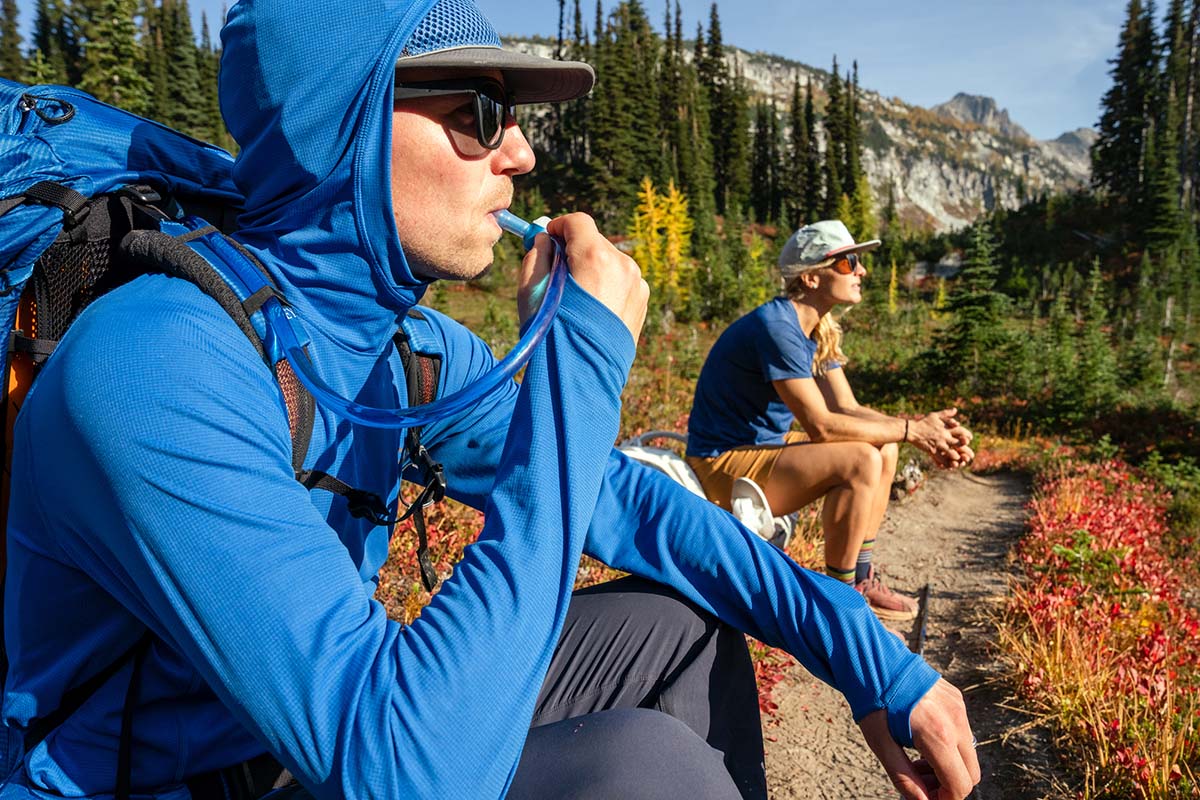
- Health and safety: Stay hydrated, apply sunscreen frequently, and listen to your body. Small blisters or dehydration can become serious if ignored.
- Flexibility: Weather, terrain, or your own energy levels may require plan adjustments. Enjoy the adaptability that is part of every genuine adventure.
Conclusion: The Beauty of the First Step
Completing a 10 day backpacking trip as a beginner is an empowering achievement. It transforms the concept of travel from sightseeing into active immersion with the world. Beyond the physical challenge, you will discover patience, independence, and appreciation for simplicity.
With every trail you will become more confident in your abilities. This first itinerary is not only about reaching destinations but learning how to journey with awareness and readiness. Pack your bag, trust your plan, and take that first step into something unforgettable.
Further Reading
3 Day Istanbul Itinerary for First Time Visitors
Travel to Somalia; How I Traveled to Mogadishu
Free Family Things to do in Chicago Today
How to Spend Four Days in Hong Kong