
When is the Best Time for Safari in Africa
Introduction
Few travel experiences can rival the thrill of an African safari. The sight of elephants crossing misty plains at sunrise, the powerful roar of a lion echoing across the savannah, or the quiet grace of a cheetah stalking its prey is pure, unfiltered magic. Yet to truly experience Africa’s wilderness at its best, timing is everything. Seasons determine where animals move, what landscapes look like, and how comfortable your journey will be.
This guide takes a deep look at when to plan your safari, season by season and region by region. You will learn how the climate shifts across Africa, where wildlife viewing peaks, and how to match your travel priorities to the right time of year. Whether you are chasing the Great Migration in Tanzania, tracking gorillas in Uganda, or exploring the arid beauty of Namibia, you will find all the practical insight you need to choose the perfect safari window.
Understanding Africa’s Safari Seasons
Africa’s immense size means its wildlife regions do not all share the same climate pattern. However, most safari destinations follow a general rhythm of dry and wet seasons. Recognizing how these affect animal behavior and travel conditions is the foundation for choosing the right time.
The Dry Season: Prime Time for Wildlife Viewing
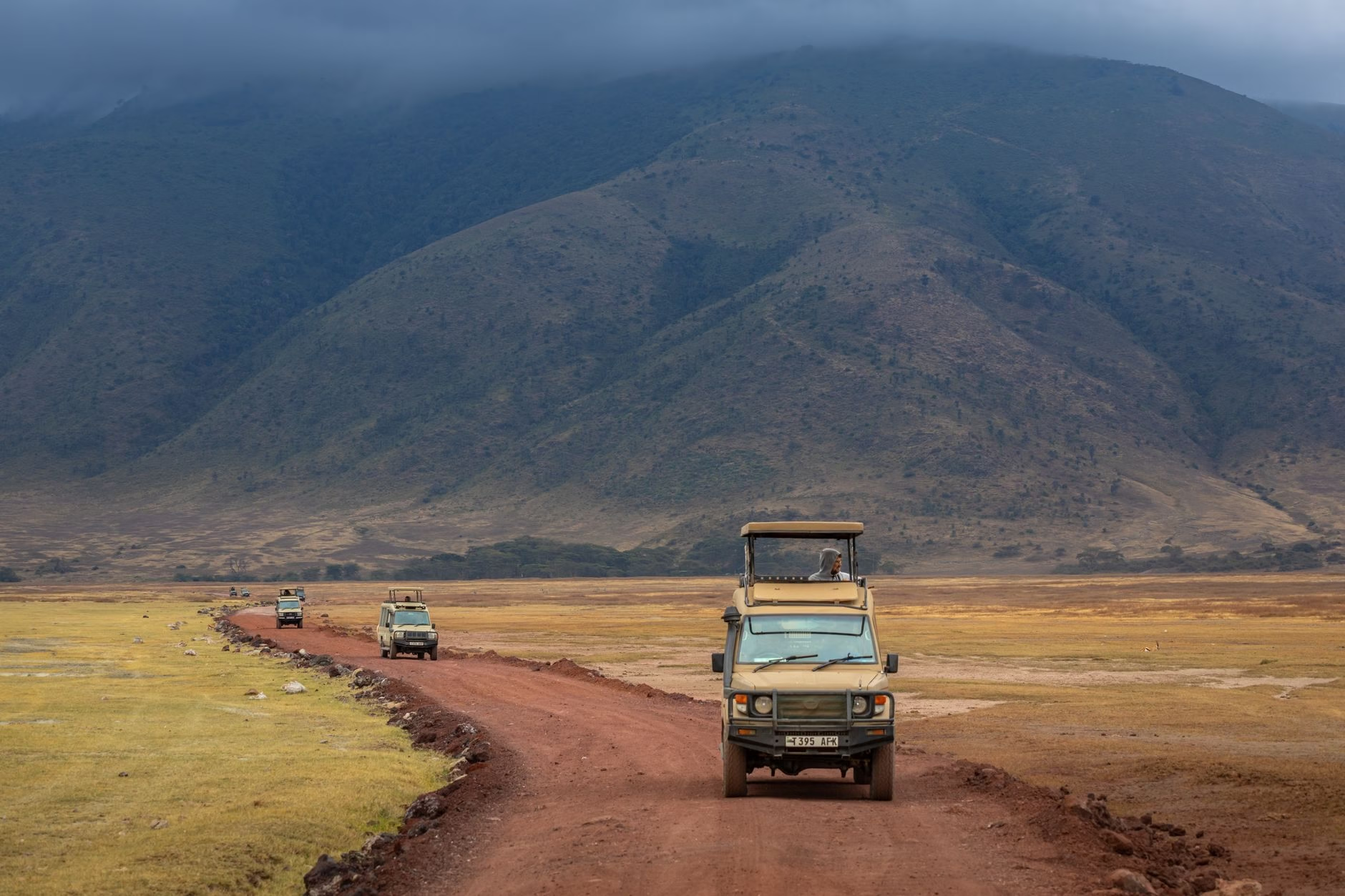
The dry season is widely regarded as the best period for traditional safaris because sparse vegetation and limited water sources make wildlife viewing easier. Animals gather around rivers and waterholes, creating ideal conditions for photographers and first‑time visitors.
Typical dry season months:
- East Africa: June to October
- Southern Africa: May to October
Why travelers love it:
- Clear skies and pleasant daytime temperatures
- Minimal mosquitoes and low disease risk
- Consistent game sightings, especially around open plains and waterholes
During this period, safari circuits in Kenya’s Maasai Mara, Tanzania’s Serengeti, Botswana’s Okavango Delta, and South Africa’s Kruger National Park draw travelers from around the world. The bush is open, visibility is excellent, and predator activity peaks as food grows scarce.
The Wet Season: A Different Kind of Beauty
While the wet season brings rain and lush landscapes, it offers its own rewards. Fewer tourists mean quieter lodges, lower prices, and a chance to see a softer, greener Africa. It is also the best time for bird watchers, as migratory species arrive in huge numbers.
Typical wet season months:
- East Africa: November to May
- Southern Africa: November to April
Highlights of the wet season:
- Dramatic skies and vibrant scenery
- Calving season for many grazers, which attracts predators
- Abundance of young animals and beautifully active ecosystems
For travelers seeking tranquility or looking to avoid crowds, the green season can be magical. Photographers will find the light rich and moody, and those with patience can still spot plenty of wildlife amid the dense foliage.
The Best Time for Safari in East Africa
Kenya and Tanzania
East Africa offers one of the greatest natural spectacles on Earth, the Great Migration. Timing it right can transform your journey into a once‑in‑a‑lifetime experience.
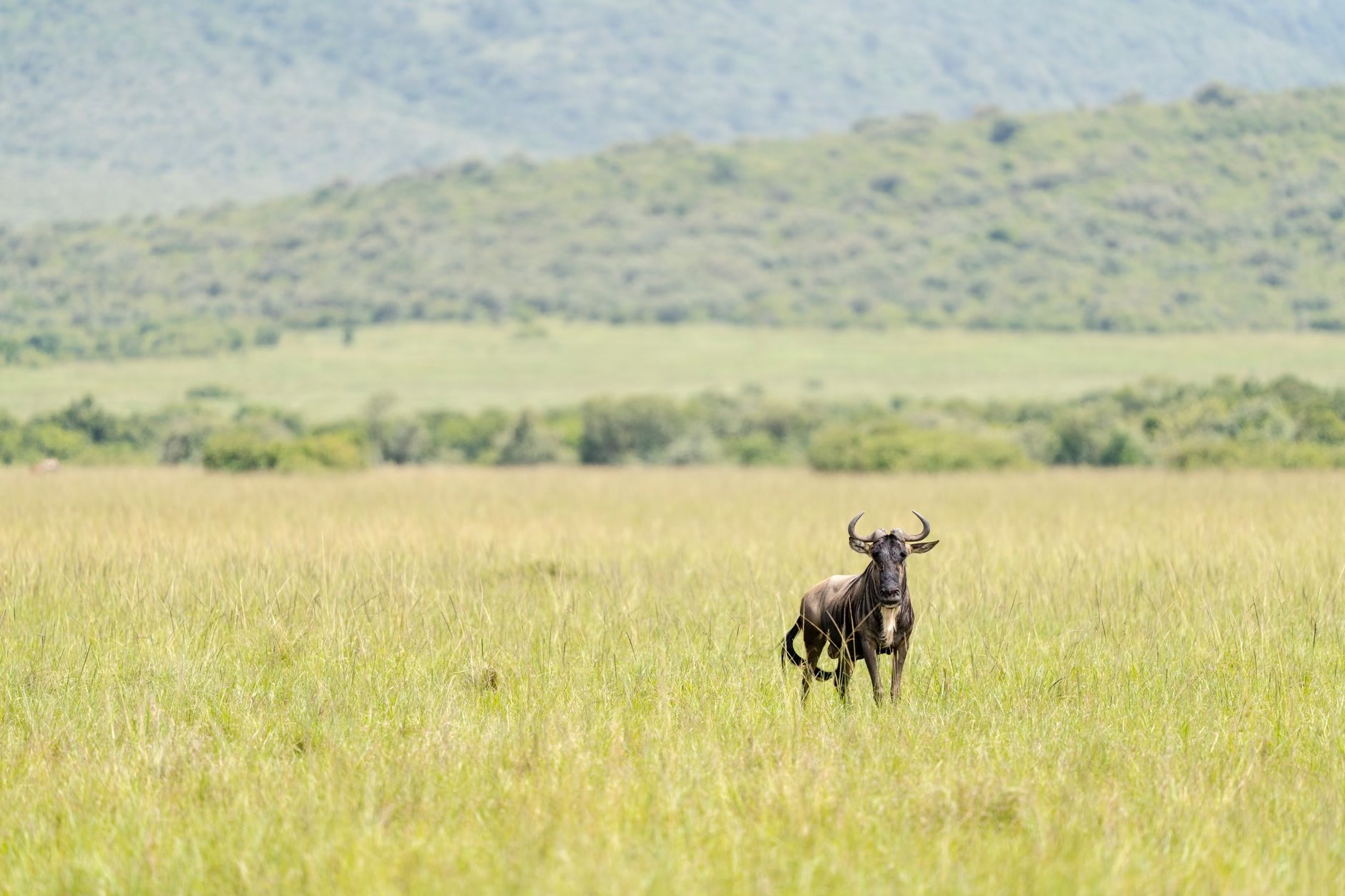
June to October is the pinnacle season for viewing the migration. Wildebeest and zebra move in massive herds across the plains of the Serengeti and the Maasai Mara in search of fresh grazing. River crossings in July and August are breathtakingly dramatic, as animals face crocodile‑filled waters and fast currents.
January to March is another excellent time, particularly in southern Serengeti, where wildebeest calving takes place. This is ideal for photographers, as young animals attract countless predators and create intense scenes of life and survival.
For travelers prioritizing comfort, these months feature relatively dry conditions, moderate temperatures, and easy road access. However, prices during migration peaks rise considerably, and early booking is essential.
The Best Time for Safari in Southern Africa
South Africa
South Africa’s parks, such as Kruger, win hearts year‑round. The dry winter months from May to October remain the most popular because grasses are short, and animals congregate at waterholes. Cool mornings and warm afternoons make game drives comfortable.
If you prefer fewer tourists, consider the shoulder months of April and November, when the bush begins to change but wildlife sightings remain strong. The wet summer months bring thick foliage, newborn animals, and a lush green palette perfect for photography, though animals are more dispersed.
Botswana
Botswana is exceptional in its commitment to low‑impact tourism and untouched wilderness. The best time to visit is generally June to October, when the Okavango Delta floods. Paradoxically, this flood season coincides with the regional dry season, attracting herds of animals and creating a dreamlike water‑based safari setting with mokoro (dugout canoe) trips through glistening channels.
Visiting during the green season between November and April reveals the delta in a different light, teeming with birdlife and newborns but marked by impassable tracks in some reserves due to heavy rains.
Namibia
Namibia’s desert landscapes are otherworldly, and the cool dry season from May to October is best for wildlife. Etosha National Park’s salt pans transform into natural theaters where animals gather in large numbers, offering easy viewing and breathtaking photographic opportunities. The coastal zones remain mild year‑round, making Namibia a flexible choice within your safari calendar.
Gorilla Trekking and Forest Safaris
Not all African safaris take place on open plains. Gorilla trekking in Rwanda and Uganda, for instance, depends less on sweeping savannahs and more on misty mountain forests.
The best time to go gorilla trekking in both countries is during the dry months of June to September and December to February, when forest trails are less slippery. However, since rain can fall any time in equatorial climates, good hiking boots and rain gear are essential.
During the wetter months, although trekking can be tougher, permits are often easier to secure, and the forests feel even more alive with vegetation and birdsong.
Practical Planning Tips for Timing Your Safari
- Book well in advance: Prime lodges and camps fill fast, especially during migration or flood seasons. Securing reservations 9 to 12 months ahead ensures better access.
- Focus on your interests: Photographers may prefer dry months for clarity, while bird watchers should target the green season.
- Be mindful of regional variations: Rain patterns differ across Africa. Always confirm local conditions for the specific park or country you plan to visit.
- Consider budget and crowd levels: Peak seasons offer the easiest wildlife sightings but also the highest prices. Traveling just before or after these months can balance value and experience.
Conclusion
Africa’s wilderness changes character with every season, transforming from dusty gold plains to lush emerald grasslands and calm reflective deltas. Understanding these cycles helps travelers match the rhythm of nature with their own travel preferences. Whether you seek thrilling wildlife encounters, panoramic photography opportunities, or quiet communion with nature, there is a time of year that will make your safari unforgettable.
Careful planning guided by this seasonal insight ensures that your first glimpse of a lion in the wild or an elephant herd at sunset happens in conditions perfectly suited to your travel dreams.
Further Reading
3 Day Istanbul Itinerary for First Time Visitors
Travel to Somalia; How I Traveled to Mogadishu
Free Family Things to do in Chicago Today
How to Spend Four Days in Hong Kong