Introduction: The Timeless Question of Africa’s Greatest Safari
Between Kenya’s Masai Mara National Reserve and Tanzania’s Serengeti National Park lies one of Africa’s most stirring travel debates. Both are icons of safari adventure, guardians of astonishing wildlife, and stages for one of the world’s most dramatic natural events, the Great Migration. Yet for travelers planning the perfect African safari, the question remains: which is better?
In this article, we will explore the similarities and differences between the Masai Mara and the Serengeti in depth. You will discover how they compare in wildlife viewing, seasonal experiences, accessibility, lodges, culture, and cost. By the end, you will have a clear sense of which destination best suits your travel goals, style, and sense of adventure.
The Geography and Landscape: Shared Ecosystem, Different Character
Both the Masai Mara and the Serengeti belong to the same transboundary ecosystem known as the Mara-Serengeti. Despite being part of one vast natural system, each park offers its own character.
Masai Mara is located in southwestern Kenya and covers roughly fifteen hundred square kilometers. It is a network of rolling grasslands interwoven with acacia trees and meandering rivers such as the Mara and Talek. The general impression is one of intimacy. Everything feels closer here, perhaps because the terrain’s soft undulations make it easier to spot animals and follow a lion’s movements or an elephant herd crossing the plains.
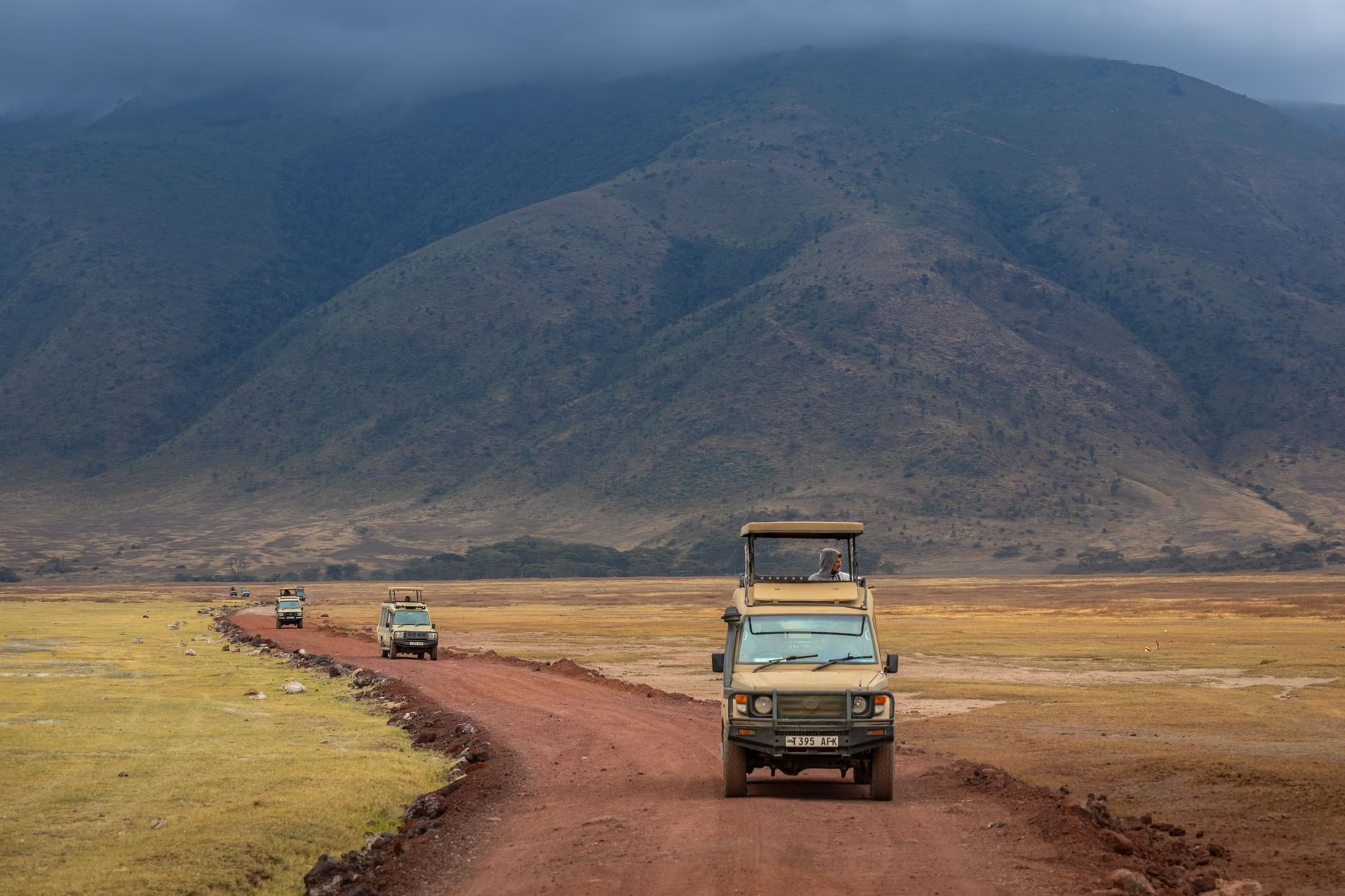
Serengeti National Park, by contrast, spreads over an immense terrain of nearly fifteen thousand square kilometers. It feels boundless, endless, and truly wild. The word “Serengeti” comes from the Maasai expression “Siringet,” meaning “the place where the land goes on forever.” The wide open plains dominate the southern areas, while the north features more woodlands, kopjes, and riverine landscapes stretching into Kenya.
Travelers often describe the Serengeti as cinematic, a place that humbles and inspires through sheer scale. The Masai Mara, on the other hand, impresses through its density of wildlife and easier navigation.
Wildlife and the Great Migration: Two Sides of the Same Spectacle
If there is a singular event that defines both parks, it is the Great Migration. Yet how travelers experience it differs significantly depending on timing and location.
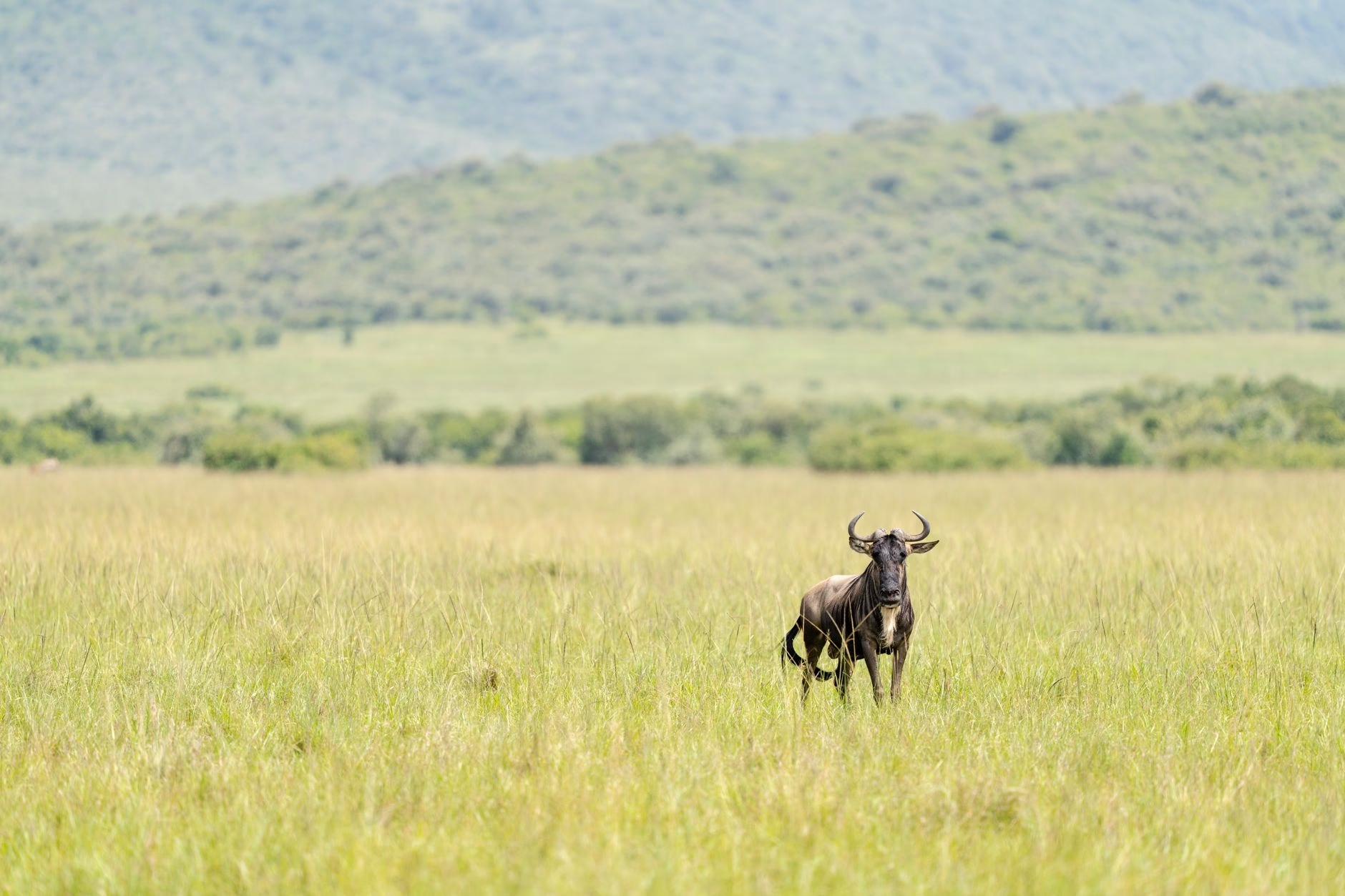
Every year, over one and a half million wildebeest, hundreds of thousands of zebras, and countless gazelles move in a circular path between Tanzania’s Serengeti and Kenya’s Masai Mara. This extraordinary journey follows the rhythm of the rains and the search for fresh grass.
In the Serengeti, the migration typically unfolds across several months and regions:
- December to March: Calving season in the southern Serengeti around Ndutu, where hundreds of thousands of newborns attract predators and dramatic hunting scenes.
- April to June: The herds move northwest through the central and western corridors, crossing rivers and facing crocodiles, lions, and hyenas.
- July to October: The wildebeest move toward the north, often crossing into the Masai Mara.
In the Masai Mara, the migration reaches its peak between July and October, when immense herds pour across the Mara River. This is when travelers might witness the legendary river crossings, one of Africa’s most exhilarating wildlife events.
While both destinations give front-row seats to remarkable animal activity, the Serengeti usually offers a longer window for viewing the migration, whereas the Masai Mara provides condensed, high-intensity drama within a smaller area.
Regardless of the season, both parks offer exceptional predator sightings. The Mara remains famous for its resident lion prides and visible big cat populations. The Serengeti shares these attributes but also offers a more varied backdrop that includes cheetahs on endless plains and elusive leopards in ancient kopjes.
Accessibility and Travel Logistics
Getting to the Masai Mara tends to be simpler for most travelers. Once you land in Nairobi, it is either a six-hour scenic drive or a short forty-five-minute flight to one of the reserve’s airstrips. Roads can be rough, but the journey provides a glimpse of Kenyan countryside life.
Reaching the Serengeti is more complex but deeply rewarding. Most visitors fly into Kilimanjaro International Airport or the smaller Arusha Airport and then travel by light aircraft or overland safari tours toward different sections of the park. Drives can take several hours, yet the scale of the journey mirrors the vastness of the park itself.
Travelers seeking convenience may find the Masai Mara more accessible, especially for shorter safaris or first-time visitors. Those dreaming of an epic multi-day expedition surrounded by immense wilderness might prefer the Serengeti’s sense of adventure.
Accommodation and Safari Experience
Both destinations have an impressive range of lodges and camps, from budget-friendly tented camps to some of Africa’s most luxurious safari stays. Yet the character of accommodation styles differs.
Masai Mara lodges are concentrated mainly around the main reserve and private conservancies along its boundaries. Staying in one of these conservancies can provide remarkable advantages, including fewer vehicles, extended game drives, and the ability to walk or night safari. Conservancies such as Mara North, Olare Motorogi, and Naboisho have become leading examples of sustainable tourism and community partnership.
Serengeti lodges tend to be more spread out, often positioned strategically near the migration routes. Many luxury camps are mobile, meaning they move seasonally to follow the herds. This flexibility can deliver unforgettable encounters with minimal crowds. Because of Serengeti’s size, game viewing often requires more time, longer drives, and patience that rewards travelers with a deeper connection to wilderness.
In essence, the Mara offers a concentrated safari experience that can be accomplished in a shorter stay. The Serengeti offers a journey that unfolds gradually, ideal for those who appreciate vast landscapes and longer explorations.
Cultural Encounters and Local Connection
A safari is not only about wildlife but also about understanding the people who live alongside it. Both the Masai Mara and the Serengeti are home to Maasai communities, whose traditions trace back centuries.
In the Masai Mara, cultural visits are more common and easily arranged. Travelers can meet local Maasai families, learn about traditional beadwork, herding practices, and customs that respect both land and wildlife. These interactions can be deeply enriching when approached with genuine respect.
In the Serengeti region, similar experiences exist, especially near Ngorongoro and northern villages, though they are sometimes less commercial and integrated into broader community tourism programs. The experience here may feel a bit more organic, with fewer organized displays and more natural exchanges depending on the guide.
Best Time to Visit Each Destination
Weather and wildlife activity play major roles in determining when to go.
- Masai Mara: The most popular period is from July to October during the Great Migration, though resident wildlife remains excellent year-round. The short dry season in January and February also provides clear skies and active predator viewing.
- Serengeti: Offers remarkable variety all year. Calving season in February is unique to the southern Serengeti, while June to October gives access to migration viewing and cooler travel conditions.
Both parks can be visited anytime depending on interests. Photographers might favor the balanced lighting of the green season, while first-time safari goers often plan around the migration months.
Cost and Value Considerations
Costs vary based on season, accommodation category, and transport choice.
The Masai Mara typically offers easier budget management. Short stays are practical, and road transfers from Nairobi save flight costs. Entry fees are relatively moderate, making it well suited to mid-range and luxury travelers alike.
The Serengeti, though sometimes costlier, provides extraordinary value in terms of scale, remoteness, and variety. Multiple park days often mean higher park fees and longer travel distances, yet the experience delivers unmatched wilderness immersion.
When planning, travelers should focus on total experience rather than price alone. A few extra days in the Serengeti may outweigh simple budget differences if vast solitude and slow travel appeal strongly.
So, Which is Better?
The answer depends on your expectations.
Choose the Masai Mara if you want:
- Short and accessible safaris from Nairobi
- Dense wildlife and close-up big cat encounters
- Dramatic Great Migration crossings between July and October
- A chance to mix safaris with cultural experiences easily
Choose the Serengeti if you prefer:
- Vast landscapes and fewer crowds
- Longer, more immersive safari routes covering varied ecosystems
- Flexibility to witness different migration phases across months
- A sense of remoteness and true wilderness exploration
Each park embodies the essence of Africa’s natural beauty. The Masai Mara delivers intensity and immediacy, while the Serengeti provides scale and timeless freedom. For many travelers, the ultimate solution is not to choose at all but to combine both in one cross-border safari, creating a journey that captures the best of Kenya and Tanzania in a single unforgettable adventure.
Conclusion: Two Icons, One Safari Dream
Masai Mara and Serengeti are not rivals but partners in one of Earth’s greatest ecosystems. Understanding their differences helps travelers shape their experience according to personal preference. Whether you choose the Mara’s intimacy or the Serengeti’s grandeur, both offer front-row seats to the raw power of nature and the delicate harmony between land, animals, and people.
The key is to plan thoughtfully, travel respectfully, and embrace the unpredictability that makes every safari truly extraordinary.
Further Reading
[3 Day Istanbul Itinerary for First Time