Introduction
South Africa is one of those countries that occupies the imagination long before you ever visit it. It offers a powerful combination of natural beauty, cultural depth, and adventure that is almost impossible to match elsewhere. Travelers dream of standing on Table Mountain, going on safari in Kruger National Park, and experiencing the energy of Cape Town or Johannesburg. Yet one question is asked more than any other: Is South Africa safe for tourists?
This article provides a realistic, balanced, and deeply informed answer to that question. Drawing from local insight, travel experience, and practical safety knowledge, we will examine what safety really means in the South African context. You will learn which concerns are legitimate, what precautions make a difference, which destinations are tourist friendly, and how to enjoy the country confidently and responsibly. By the end, you should feel well prepared to plan a rewarding visit without unnecessary worry.
Understanding the Safety Landscape
South Africa has a complex safety profile. The country’s history, deep inequalities, and social challenges have led to higher crime rates in certain areas. However, this does not mean that travelers are at constant risk everywhere they go. The reality is far more nuanced.
Tourist destinations such as Cape Town, the Garden Route, and the Cape Winelands are generally well policed and developed around visitor safety. In these areas, travelers move freely and comfortably, often remarking that they felt as safe as in any other major city. The key distinction lies in being aware of your surroundings and understanding where not to go.
Violent crime is typically concentrated in specific townships and neighborhoods that tourists rarely have reason to visit without local guidance. Most petty crimes such as pickpocketing or bag snatching occur in crowded areas or around transport hubs, just as they do in many parts of the world. Knowing this allows travelers to protect themselves by applying the same awareness they would in large cities like Rio de Janeiro, Mumbai, or Los Angeles.
The South African tourism sector is very aware of these perceptions and works actively with safety programs, local tour operators, and neighborhood watches to ensure visitors are both informed and supported.
Staying Safe in Cities
Urban travel always requires a little extra attention, and South Africa’s cities are no different. Cape Town, Johannesburg, Durban, and Pretoria all have lively city centers, cultural quarters, and scenic areas that attract tourists.
Here are practical ways to approach major cities safely:
1. Choose accommodation wisely
Opt for reputable hotels, guesthouses, or short stay apartments in neighborhoods known for their safety such as the V&A Waterfront in Cape Town or Sandton in Johannesburg. These areas have regular security patrols, reliable transport access, and strong infrastructure for visitors.
2. Move with purpose and plan transport ahead
Avoid wandering aimlessly in unfamiliar districts, especially after dark. Use registered taxis, verified ride-hailing apps, or hotel arranged transfers instead of accepting unsolicited offers. Driving is generally safe on major roads, but keep car doors locked and avoid leaving valuables visible inside the vehicle.
3. Minimize visible valuables
Flashy jewelry, large cameras, and expensive watches can attract unwanted attention. Keep belongings such as phones and wallets in secure, zipped bags. When dining outdoors or enjoying a café view, avoid placing items on tables next to the pavement.
4. Know the local advice
Hospitality staff and local guides are excellent sources of up-to-date recommendations. They can point out which areas to explore during the day and which to avoid at night. Their advice is based on firsthand knowledge, and following it makes an enormous difference.
Safety in Nature and Outdoor Destinations
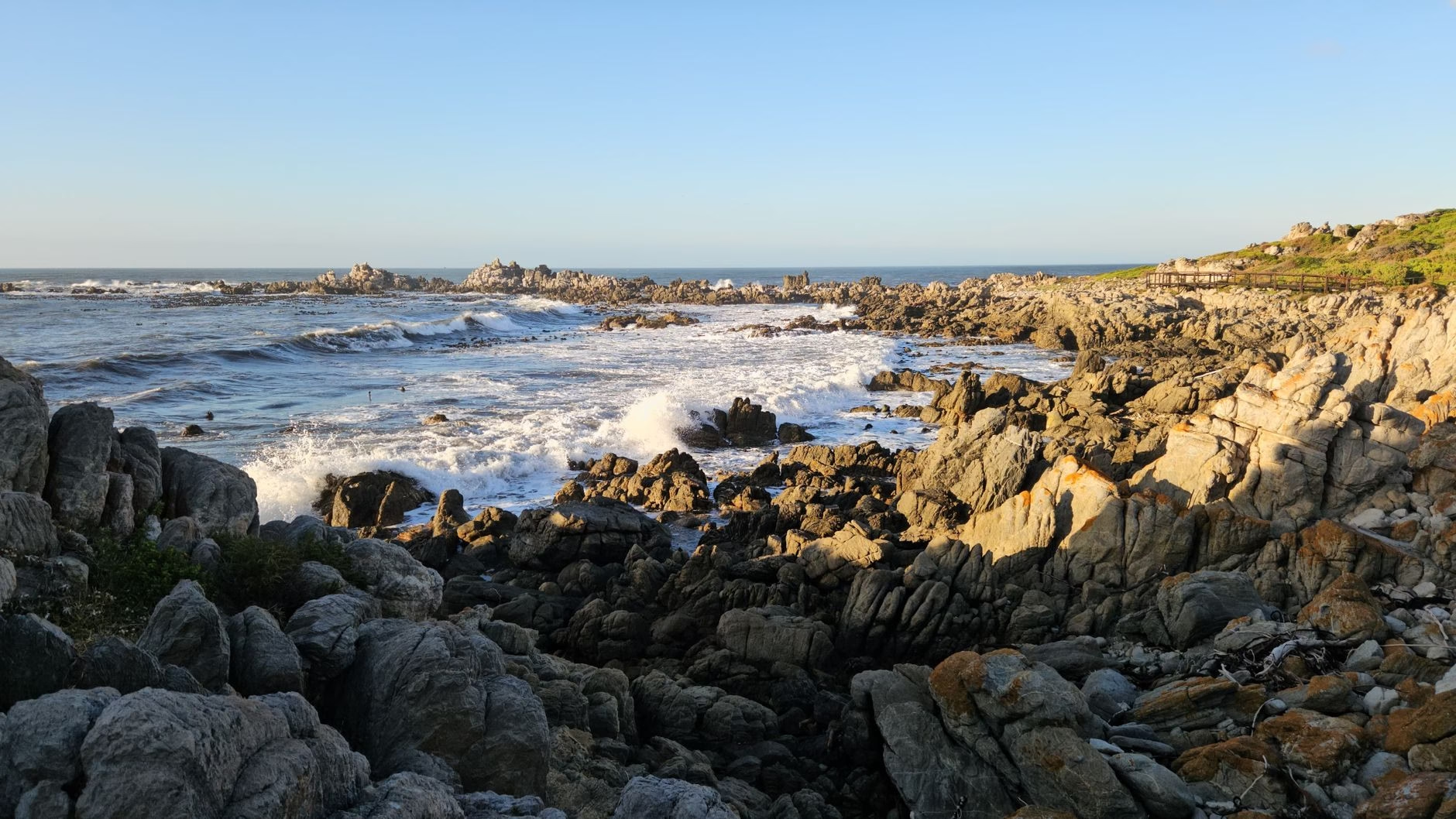
The magic of South Africa lies not only in its cities but also in its landscapes. The country invites outdoor exploration on a grand scale: national parks, coastal reserves, wine valleys, and mountain ranges. These areas are typically much safer than urban centers, but they bring their own considerations.
When visiting nature reserves, always enter through designated gates, register with park authorities, and follow all ranger instructions. Self-drive safaris are incredibly rewarding, but visitors must respect safety distances, drive only on official roads, and remain in vehicles when required.
Hiking enthusiasts will find world class trails on Table Mountain, in the Drakensberg, and along the Whale Coast. Hike with at least one companion and start early in the day to avoid being caught out by sudden weather changes. Always sign in with park security or inform accommodation staff of your route.
Beach safety is another priority, particularly along the Indian Ocean. Pay attention to lifeguard flags, avoid isolated beaches late in the evening, and remember that currents can be strong. Most established beach resorts such as Camps Bay or Umhlanga have well trained lifesaving teams on duty.
While wildlife encounters are an incredible part of the South African experience, they come with guidelines designed to keep travelers and animals safe. Do not approach wild animals on foot, avoid off-road driving, and never feed wildlife, which can lead to unpredictable behavior.
Using Local Experience as a Safety Asset
Perhaps the greatest advantage travelers have in South Africa is the friendliness of its people. Locals are proud of their country and genuinely want visitors to enjoy it. This means that building small connections can transform your travel experience and safety awareness.
Taking part in guided tours rather than exploring certain districts alone enriches the journey and provides insider knowledge. Community tourism initiatives in Cape Town’s Langa Township or Soweto in Johannesburg offer powerful cultural experiences within a controlled and locally managed setting. These visits demonstrate how tourism supports communities directly while keeping visitors secure.
If you hire a car for a road trip along the Garden Route or to the Winelands, speak with your hosts about the best rest stops and scenic viewpoints. They will often share insider tips that help you avoid lesser maintained roads and find local gems along the way.
Practical Emergency Preparation
No matter how careful a traveler is, being prepared for the unexpected is part of smart adventure. It is recommended to have travel insurance that specifically covers medical emergencies, theft, and trip interruptions. South Africa has excellent private healthcare facilities in larger cities, but services must generally be paid for upfront. Insurance ensures you can access high-quality care quickly if needed.
Keep emergency numbers saved in your phone before you arrive. The national emergency number for police is 10111 and for ambulance or medical assistance is 10177. Most accommodation providers also have security contacts on hand for guests.
Tap water is safe to drink in the major cities, but bottled water is widely available for extra peace of mind. Basic health precautions such as sunscreen, mosquito repellent, and hydration make a big difference in the warm climate. If traveling to Kruger National Park or other northern regions, consult your doctor about malaria prevention.
Balancing Caution with Adventure
It is easy for travelers to focus so much on risk that they forget to embrace the wonder. South Africa rewards those who travel smartly but also openly. The thrill of witnessing elephants at sunset, hearing local jazz drift through a Cape Town alley, and tasting wine among the Stellenbosch hills are all part of an extraordinary experience.
Being cautious should not mean being fearful. Every successful journey combines awareness, respect for local advice, and optimism. When these elements come together, visitors consistently report that they felt comfortable and deeply inspired by the warmth they encountered.
Conclusion
Is South Africa safe for tourists? The honest answer is that it can be, provided you travel with awareness, preparation, and a sense of responsibility. Like many destinations that blend urban complexity with wild beauty, safety depends on informed choices rather than luck.
By understanding the layout of its cities, using trusted transportation, relying on local wisdom, and applying well known precautions, you can explore South Africa with confidence. The result is access to one of the most diverse and rewarding travel experiences in the world.
Adventure and safety can coexist beautifully when approached with knowledge. South Africa is not just a place to visit; it is a country to engage with fully, respectfully, and wisely.
Further Reading
3 Day Istanbul Itinerary for First Time Visitors
Travel to Somalia; How I Traveled to Mogadishu