
Introduction
South Africa is one of the most captivating travel destinations in the world—a country where raw natural beauty meets cultural richness and endless adventure. From the rugged cliffs of the Cape Peninsula to the vineyards of Stellenbosch, the wildlife of Kruger National Park, and the pulse of Johannesburg’s urban energy, South Africa is a destination that constantly surprises. Yet for first time visitors, the country can feel both exciting and a little overwhelming.
This guide will help you navigate your first trip to South Africa with confidence. You will learn how to plan your journey, stay safe, respect local customs, manage logistics, and make the most of the country’s incredible experiences. Whether your goal is to see the Big Five on safari, trace the coastline along the Garden Route, or sample Cape Town’s food scene, these detailed travel tips will help you prepare intelligently and travel smoothly.
Getting to Know South Africa Before You Go
Before booking flights or accommodations, it helps to understand the fundamentals of travel in South Africa. The country is large, with nine provinces and diverse landscapes that range from arid desert to lush forests and long stretches of coastline. The climate varies regionally, and distances between major attractions are greater than they may appear on a map.
-
Best time to visit:
South Africa is a year round destination, but seasons are reversed compared to the Northern Hemisphere. June through August brings cooler weather and excellent wildlife viewing in the northern parks, while November through March offers warm, sunny conditions ideal for beaches and outdoor activities around Cape Town and the Garden Route. -
Currency and payments:
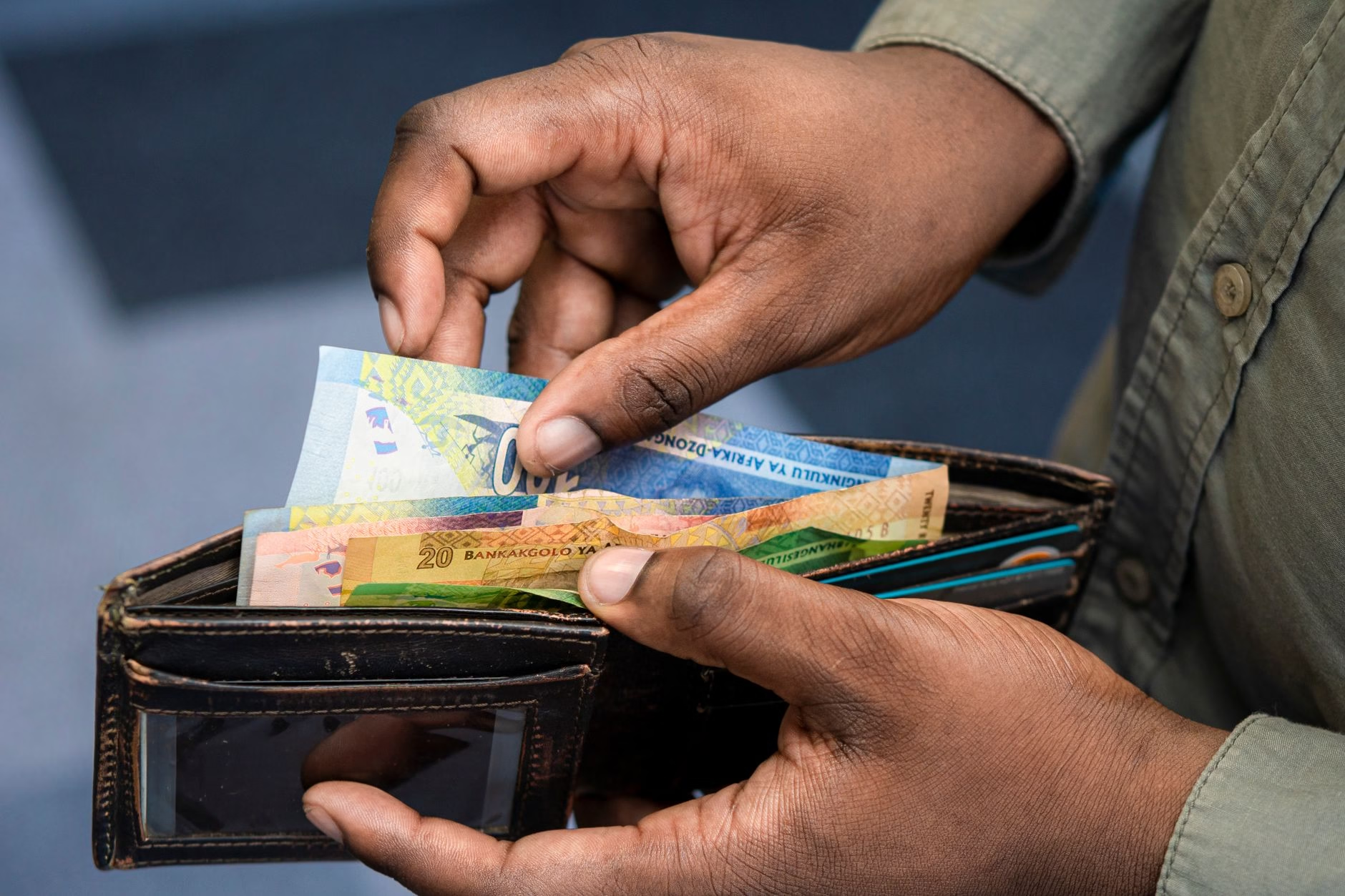
The national currency is the South African Rand. Credit cards are widely accepted in cities, but in rural areas cash is often preferred. ATMs are reliable, so withdrawing cash as you go is convenient. Carry small denominations for parking attendants, tolls, and informal markets. -
Languages:
There are eleven official languages, including English, Afrikaans, Zulu, and Xhosa. English is widely spoken in tourist areas, so communication is rarely an issue, yet learning a few basic phrases in a local language always brings a smile.
Taking time to research the geography and rhythm of local life helps you plan more realistic routes and understand what makes each region distinct.
Planning Your Itinerary
South Africa has far more to see than most visitors can cover in one trip, so strategy matters. Instead of trying to fit everything in, choose a focus that matches your interests and the amount of time you have.
- For nature and culture balance: Combine Cape Town and the Cape Winelands with a few days of safari in Kruger National Park or a private game reserve nearby.
- For outdoor adventure: Explore the Garden Route with stops at Tsitsikamma National Park, Plettenberg Bay, and Knysna, then finish with hiking in the Drakensberg Mountains.
- For cultural depth: Spend time in Johannesburg for its powerful museums and township experiences, followed by Durban to experience the blend of Zulu and Indian influences.
Traveling inside the country is straightforward. Domestic flights connect major cities efficiently, and self driving is popular thanks to well maintained roads. If you choose to rent a car, remember that vehicles drive on the left side and distances between destinations can be long, so plan fuel and rest stops carefully.
Staying Safe and Traveling Smart
Many travelers worry about safety in South Africa, and it is important to take this topic seriously. The country has areas of disparity, and being alert is part of responsible travel. That said, most visits are trouble free if you follow sensible precautions.
- Pay attention to local advice regarding neighborhoods or areas to avoid, particularly at night.
- Do not display valuable jewelry or electronics in busy public spaces. Use hotel safes when possible.
- Use registered taxis, ride sharing apps, or hotel arranged transfers instead of flagging random taxis.
- When driving, keep car doors locked and avoid leaving items visible inside.
- For nature activities, follow the guidance of local rangers or guides—wildlife is unpredictable, and safety rules are there to protect both visitors and animals.
South African hospitality is warm and genuine, and most interactions with locals are open and friendly. Exercising basic caution simply ensures that your experience remains positive from start to finish.
Understanding Culture and Etiquette
South Africa is often called the Rainbow Nation for its extraordinary diversity, and respecting local customs enriches your travel experience. Each region has its own traditions, expressions, and hospitality expectations.
Greetings are important. A handshake and eye contact convey respect in both social and business settings. In rural areas, elders should always be greeted first. When invited into someone’s home, it is polite to bring a small gift or express thanks verbally in the local language.
Tipping is customary. In restaurants, a gratuity of ten to fifteen percent is standard. Parking attendants, gas station helpers, and hotel porters also rely on small tips as part of their earnings.
When visiting communities, ask permission before photographing people or private homes. In markets, a little bargaining is normal but should remain friendly and respectful. Showing genuine curiosity about history, cuisine, and daily life builds warm connections wherever you go.
Experiencing Wildlife Responsibly
Seeing South Africa’s wildlife is often the highlight of a trip, but it is vital to do so ethically. Choose lodges and tour providers that support conservation and work with local communities. Avoid experiences where animals are handled, as responsible tourism prioritizes observing animals in their natural habitats.
In Kruger National Park, for instance, self drive safaris offer incredible viewing opportunities at your own pace. Private game reserves provide guided drives that deepen understanding of ecosystems. Remember to maintain distance from animals at all times, keep noise levels low, and never feed wildlife. Each rule protects the integrity of the environment and helps preserve it for future generations.
Food, Wine, and Culinary Discovery
South Africa’s culinary scene reflects its multicultural history. In Cape Town and Johannesburg, modern restaurants blend African, Asian, and European influences with local ingredients. On the coast, fresh seafood is celebrated, from Cape Malay spicy curries to grilled snoek or prawns in Durban.
If you appreciate fine wine, do not miss the Winelands region near Stellenbosch, Franschhoek, and Paarl. The vineyards produce award winning wines set against mountain backdrops, and most estates invite visitors for tastings paired with artisanal cheeses or chocolate.
Street food is another must try experience. Sample bunny chow, a hollowed loaf filled with curry, or grab vetkoek, a fried dough filled with savory mince or jam, at roadside stands. Exploring these local flavors adds color and authenticity to your journey.
Budgeting and Practical Considerations
Traveling in South Africa can be surprisingly affordable compared to many long haul destinations. Accommodation options range from budget friendly guesthouses to high end safari lodges, allowing flexibility for different travel styles.
Public transportation in cities is limited, so planning reliable transfers is important. For longer distances, consider budget airlines such as FlySafair or Airlink to save time. Within towns, ride sharing apps are often safer and more efficient than local minibuses for first time visitors.
Electrical sockets use Type M plugs, so bring a universal adapter. Internet connectivity is good in urban areas, but rural travel may require purchasing a local SIM card for data reliability.
Insurance that covers medical emergencies, theft, and cancellations is strongly recommended. Hospitals and clinics in major cities offer excellent care, but costs can be high without coverage.
Conclusion
South Africa rewards travelers who come prepared yet open minded. This country’s combination of wilderness, culture, cuisine, and human warmth is unmatched. By following these practical travel tips, you will not only experience the highlights but also understand the rhythm and character that make South Africa so remarkable.
Start with curiosity, travel smart, and take time to connect with the people and landscapes along the way. For first time visitors, every stop—from Table Mountain’s views to a quiet game drive at sunset—becomes an unforgettable part of the story you will tell long after you return home.
Further Reading
3 Day Istanbul Itinerary for First Time Visitors
Travel to Somalia; How I Traveled to Mogadishu