Introduction: A Journey Through Time in the Heart of Morocco
Few cities in the world capture the rhythm of history as vividly as Fes. Tucked in the rolling hills of northern Morocco, Fes is not just a destination; it is a living museum of medieval architecture, spiritual knowledge, and cultural resilience. Walking through its labyrinthine medina is like turning the pages of a centuries-old manuscript, with each alley revealing stories of scholars, artisans, and traders who once made the city one of the greatest centers of Islamic civilization.
This travel guide will take you deep into the culture and history of Fes. You will discover its heritage landmarks, meet its artisans, learn how to navigate the world’s oldest functioning medina, and understand how its traditions continue to shape Moroccan identity today. By the end, you will know far more than what to see—you will understand how to truly experience Fes as a traveler who appreciates both its spirit and its complexity.
The Historic Soul of Fes: Understanding Its Origins
Fes was founded in the 9th century and quickly became a beacon of Islamic scholarship and trade. Its strategic location connected the Sahara’s caravan routes with Mediterranean merchants, making it one of North Africa’s most influential cities. The city later grew into two distinct parts—Fes el Bali (the old city) and Fes el Jdid (the new city, though it dates to the 13th century)—each representing a different layer of history and urban development.
The old medina, Fes el Bali, is the city’s heart and soul. Declared a UNESCO World Heritage Site, it is a living example of medieval urban planning. Narrow lanes twist around ancient mosques, workshops hum with craftsmanship, and the aroma of spices and leather fills the air. It is here that you experience the true character of Fes—spiritual, intellectual, and deeply traditional.
When exploring, pause often. Look at the carvings above doorways and the mosaic tiles known as zellij that decorate fountains and madrasas. Every detail tells the story of a city that has always valued beauty, faith, and learning in equal measure.
The Medina Maze: A Journey Through Fes el Bali
No visit to Fes is complete without losing yourself in its legendary medina, one of the largest car-free urban zones in the world. The maze of over 9,000 alleys often bewilders first-time visitors, which is why embracing disorientation is part of the experience. Hiring an official guide for your first day can be invaluable because it helps you understand the historical significance hidden behind every ornate gate or modest courtyard.
Key highlights to explore include:
- Al-Qarawiyyin University: Founded in 859, this is recognized by UNESCO as the oldest continually operating university in the world. Its mosque and library remain symbols of intellectual pursuit.
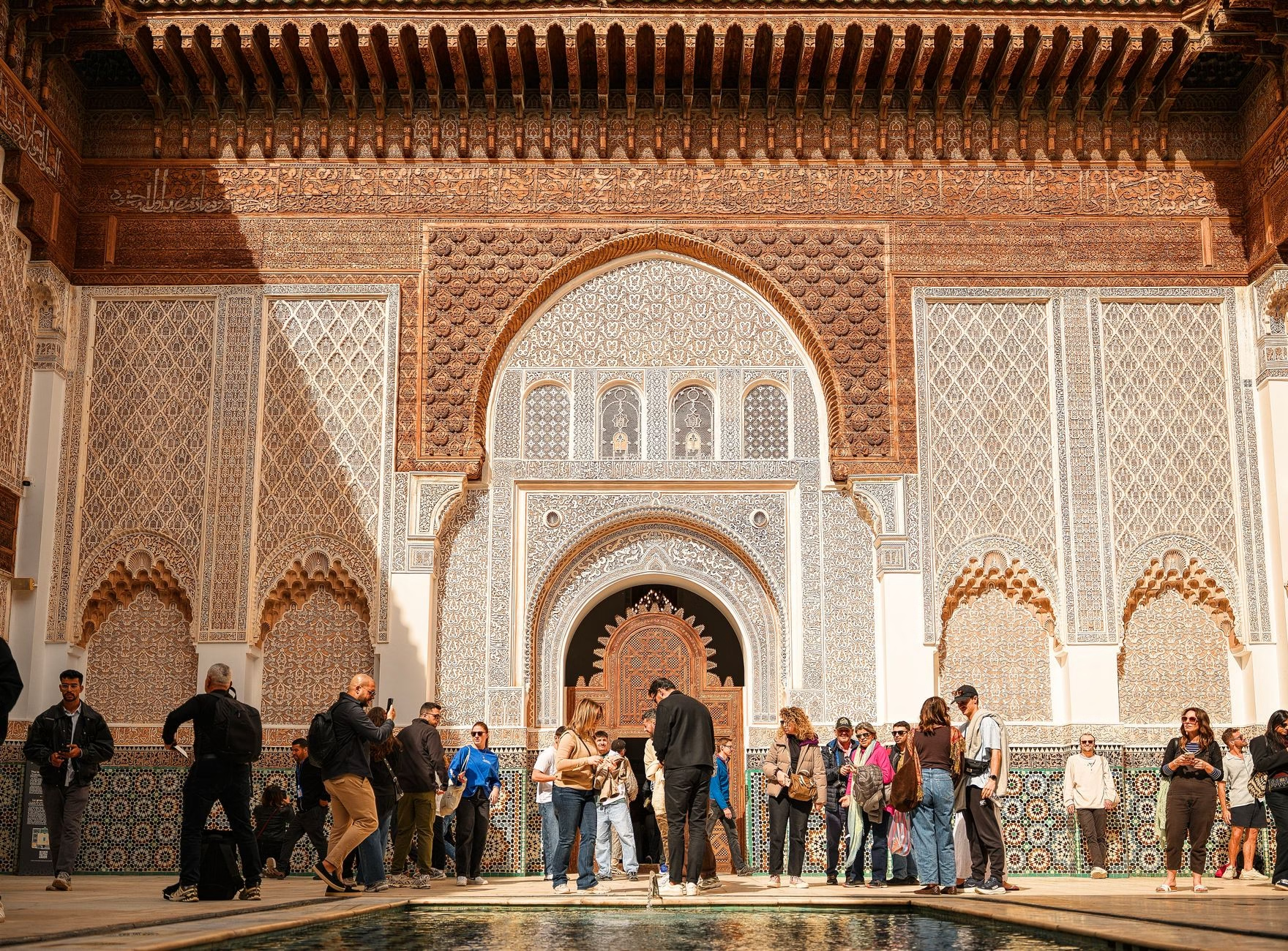
- Bou Inania Madrasa: A masterpiece of Marinid architecture where geometric perfection meets spiritual devotion. Visitors are allowed to step inside and admire its detailed cedar woodwork and green tilework.
- Nejjarine Museum of Wooden Arts and Crafts: Located in a beautifully restored fondouk (traditional inn), this museum showcases Morocco’s woodworking heritage and offers a rooftop view over the medina.
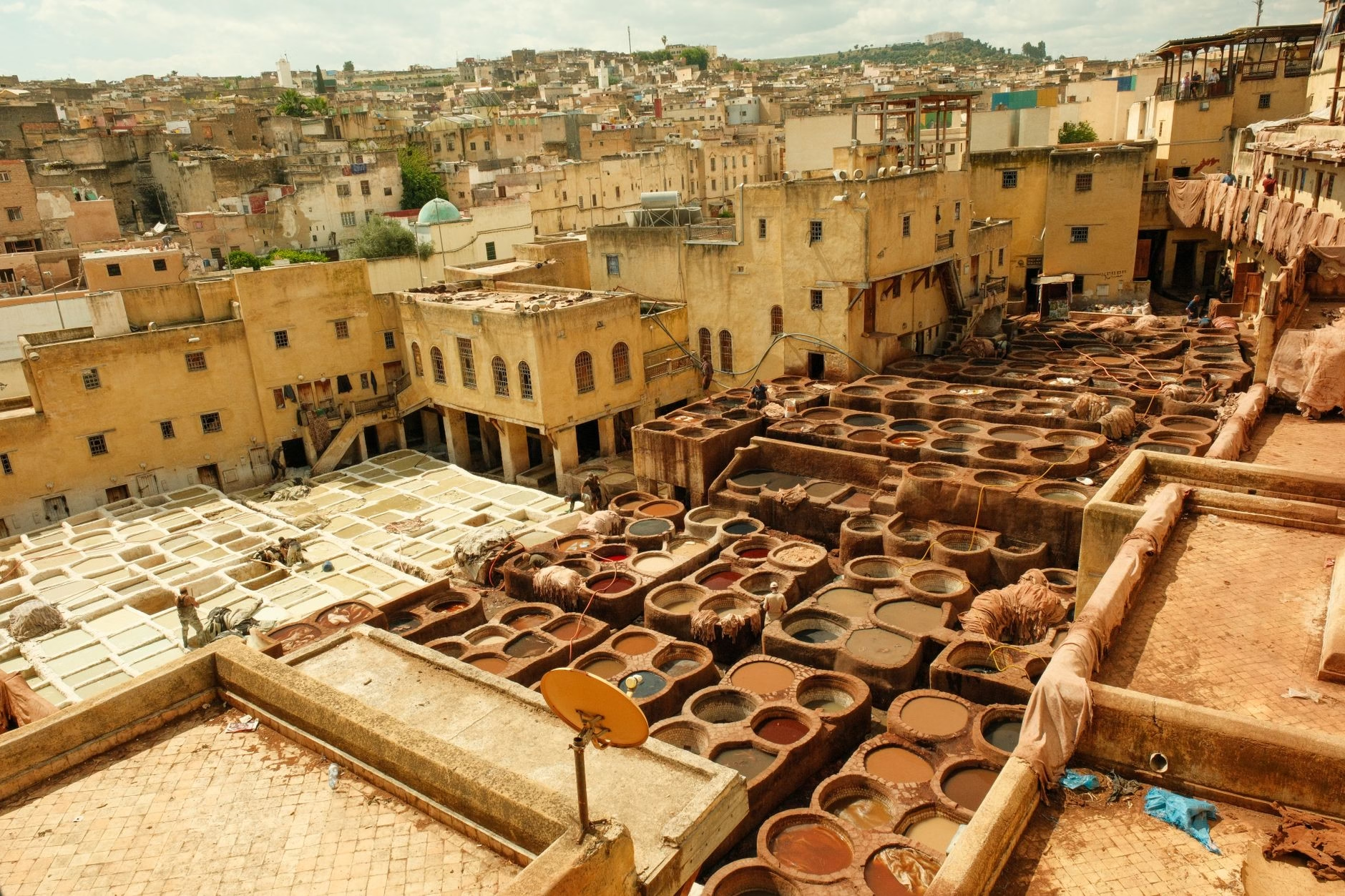
- Tanneries of Chouara: Perhaps the most photographed site in Fes, the tanneries are where hides have been processed with natural dyes for centuries. Be prepared for the powerful scent, and bring fresh mint—it is tradition to hold it to your nose while observing the work below.
Every corner of Fes el Bali carries echoes of medieval life that has scarcely changed. Shops are still grouped by profession—metalworkers in one lane, textile merchants in another—preserving the social order of old marketplaces that once governed trade and craftsmanship.
Fes el Jdid and the Royal Heritage
While the old medina embodies ancient chaos, Fes el Jdid offers a glimpse into royal life and the evolution of Moroccan governance. Established in the 13th century by the Marinid dynasty, this district was designed as an administrative and military center. Its most impressive landmark is the Royal Palace (Dar el Makhzen), a grand complex adorned with golden doors and intricate tile designs. Though closed to the public, its outer gates are among the city’s most photographed sites.
Nearby lies the Mellah, the historic Jewish quarter that tells another important chapter of Fes. The Mellah’s quiet streets, synagogues, and Jewish cemetery reveal a long history of coexistence and cultural exchange. Strolling here provides a reflective contrast to the intensity of the medina, reminding visitors that Fes has always been a diverse and layered society shaped by many influences.
The Cultural Identity of Fes: Living Traditions and Artistry
Fes is not only a city to see but also to feel through its craftsmanship, music, and cuisine. Cultural encounters here are woven into everyday life.
1. Artisans and Traditional Crafts
Handmade goods remain central to the identity of Fes. The craftsmanship is passed through generations, preserving skills ranging from intricate metal engraving to zellij tile cutting. You can visit workshops to watch artisans at work or even take short courses in pottery, leatherwork, or calligraphy. Buying directly from cooperatives ensures fair pricing and supports the continuance of these ancient trades.
2. Music and Spiritual Expression
The city is also a center for spiritual music. The annual Fes Festival of World Sacred Music, held each summer, celebrates harmony between cultures through performances in historic venues such as Bab Makina and the gardens of Batha Museum. Even outside the festival, traditional Andalusian music can often be heard echoing through riads and cafes.
3. Culinary Heritage
Fez’s gastronomy reflects both refinement and generosity. Must-try dishes include:
- Pastilla: A delicate pastry filled with pigeon or chicken, almonds, and aromatic spices, blending sweet and savory flavors.
- Harira: A hearty tomato and lentil soup often enjoyed during Ramadan.
- Couscous and tajines: Staples of Moroccan cuisine, cooked slowly with spices that perfume the air.
Dining in Fes is best experienced in traditional riads where recipes have been perfected over centuries and hospitality feels personal and warm.
Practical Tips for Exploring Fes
A journey through Fes requires more than curiosity; it benefits from thoughtful planning and awareness of local customs.
- Accommodation: Stay in a riad inside the medina to immerse yourself in the city’s historic atmosphere. Many riads are lovingly restored mansions offering tranquil courtyards and authentic Moroccan hospitality.
- Getting Around: Cars cannot enter the narrow alleys of the old city. Be prepared to explore on foot or use small carts for luggage. Maps rarely suffice inside the medina, so trust local guides or navigation apps with offline capability.
- Dress and Etiquette: Modest attire is appreciated, especially when visiting religious sites. Respect for local customs is reciprocated with warmth and helpfulness.
- Best Time to Visit: Spring (March to May) and autumn (September to November) offer mild weather perfect for sightseeing. Summer can be hot, while winter evenings get surprisingly cool.
- Language: Arabic and French are widely spoken, but English is increasingly common in tourist areas. Learning a few Arabic greetings, however, goes a long way toward connecting with locals.
Conclusion: Fes as a Living Legacy
Fes is far more than an ancient city preserved in time; it is a living cultural legacy that continues to inspire scholars, artists, and travelers. Its medina may test your sense of direction, but it rewards you with moments of profound beauty and insight. Every turn reveals a lesson in history, every conversation offers a glimpse into Moroccan generosity, and every experience connects you to centuries of knowledge and tradition.
For those who seek more than postcard images, Fes offers a journey inward—an understanding of how history and faith can coexist gracefully with modern life. To explore Fes is to touch the timeless heart of Morocco itself.
Further Reading
3 Day Istanbul Itinerary for First Time Visitors
Travel to Somalia; How I Traveled to Mogadishu
Free Family Things to do in Chicago Today
How to Spend Four Days in Hong Kong