Morocco Travel Tips for Tourists
Introduction
Stepping into Morocco feels like walking into a living tapestry of color, sound, and scent. From the spice-scented souks of Marrakech to the serene blue alleys of Chefchaouen and the sweeping dunes of the Sahara, Morocco captures the imagination of every traveler. Yet, behind its magic lies a destination that asks for some local understanding to fully appreciate it.
This guide gathers all the essential Morocco travel tips every visitor should know before setting foot in the Kingdom. You will learn how to navigate its cities with confidence, what to expect culturally, the best ways to get around, how to stay safe, how to respect local customs, and what practical considerations can make your trip smoother. By the end, you will be equipped with both knowledge and inspiration to explore Morocco in a way that is rewarding and authentic.
Understanding Moroccan Culture and Etiquette
Morocco is a deeply traditional country where Islam shapes daily life. While it welcomes tourists warmly, visitors who show respect for local customs often find their experiences are richer and friendlier.
Dress and behavior:
Although Morocco is more liberal than some of its neighbors, modesty is still valued. Men and women should avoid revealing clothing, especially outside resort areas. Lightweight, breathable fabrics are best for comfort and respect. In rural towns or conservative regions, women who cover shoulders and knees often find interactions smoother and more comfortable.
Language and communication:
Arabic and Amazigh (Berber) are the official languages, while French is widely used in cities, especially for signage and business. English is increasingly understood in tourist areas, yet learning a few basics in Arabic, like "Salam" (hello) or "Shukran" (thank you), earns genuine smiles. Moroccan people appreciate polite greetings and eye contact when engaging in conversation.
Religious customs:
During the call to prayer, you will hear melodic chants echoing from mosques five times a day. Non-Muslims cannot enter mosques except a few specific ones like the Hassan II Mosque in Casablanca, which has guided tours. During Ramadan, eating or drinking in public while locals are fasting is seen as disrespectful, though most restaurants in tourist zones will accommodate visitors discreetly.
Navigating Morocco’s Cities and Transportation
Morocco offers an exciting mix of old-world charm and modern infrastructure, making transportation relatively straightforward if you know what to expect.
Traveling between cities:
The ONCF train network is efficient and affordable, connecting major cities such as Casablanca, Rabat, Fez, and Marrakech. Trains are comfortable with clear route signage and seat reservations available. For destinations beyond rail access, long-distance buses, such as Supratours and CTM, offer reliable service with modern amenities.
Within cities:
Marrakech, Fez, and Tangier have two main types of taxis.
- Petit taxis: Small cars for in-city journeys. Always ensure the meter is running or agree on a fair rate before departing.
- Grand taxis: These operate shared routes between towns or outskirts and can be hired privately for day trips. Negotiate the price in advance.
Many medinas (old towns) are pedestrian-only zones, so be prepared to walk through narrow alleys filled with shops and locals going about their routines. Comfortable footwear is essential.
Renting a car:
If you plan to explore the Sahara, the Atlas Mountains, or coastal villages, renting a car provides freedom. Roads are mostly in good condition, but taking caution is vital when driving through mountain routes or rural areas. Always have cash for tolls and fuel, and consider hiring a driver if you prefer to focus on the scenery.
Money, Budgeting, and Tipping
Morocco’s currency is the Moroccan dirham (MAD), which is closed, meaning you can only exchange it within the country.
Cash and cards:
Cash remains king in many areas, particularly in souks and smaller towns. ATMs are widely available, but it is wise to carry small notes for taxis, tips, and markets. Credit cards are accepted in hotels, upscale restaurants, and larger stores.
Bargaining:
Haggling is an essential part of Moroccan culture and often considered an art form. Prices in souks are usually inflated with the expectation that visitors will negotiate. Start at half the given price and work upward until you both reach a fair deal. Keep the process friendly and lighthearted; it should feel like a conversation, not a confrontation.
Tipping culture:
Service staff and guides rely heavily on tips. In restaurants, adding ten percent is customary unless a service charge is already included. Porters, drivers, and local guides also appreciate small gratuities, which go a long way in showing respect for their work.
Staying Safe and Healthy
Morocco is generally safe for tourists, and most visits are trouble-free, but awareness and preparation go a long way.
Common scams and safety tips:
In popular areas like Marrakech medina, unofficial guides may approach you offering navigation or suggesting certain shops. Politely declining and firmly continuing on your way is best unless you wish to hire a licensed guide through your hotel or riad. Keep valuables secure, use cross-body bags, and avoid flashing expensive electronics or jewelry.
At night, stick to well-lit streets, and if using a taxi, confirm it is licensed (it will have a visible meter or markings). Travel insurance is advisable for any trip, including coverage for adventure activities such as desert camel rides or mountain trekking.
Health considerations:
Tap water is not recommended for drinking, though safe bottled water is available everywhere. Street food can be delicious but choose stalls busy with locals, which often indicates freshness and quality. Sun protection is essential year-round, especially in desert or coastal regions.
Food, Drinks, and Local Specialties
Moroccan cuisine is one of the world’s most aromatic, combining Berber, Arab, Mediterranean, and African influences. Food here is not just sustenance but a symbol of hospitality, bringing people together.
Iconic dishes:
- Tagine: A slow-cooked stew often prepared with chicken and preserved lemon or lamb with prunes.
- Couscous: Traditionally served on Fridays, it is steamed semolina grains topped with vegetables and meat.
- Pastilla: A savory-sweet pastry layered with pigeon or chicken, almonds, and powdered sugar.
- Harira: A comforting soup commonly enjoyed during Ramadan.
Eating in Morocco is often a leisurely experience. Bread replaces utensils in many traditional meals, and sharing dishes emphasizes community. Mint tea, infused with fresh leaves and poured theatrically from a height, is the national drink. Refusing a cup offered by a host is considered impolite, so accept and enjoy the ritual.
Shopping and Souk Etiquette
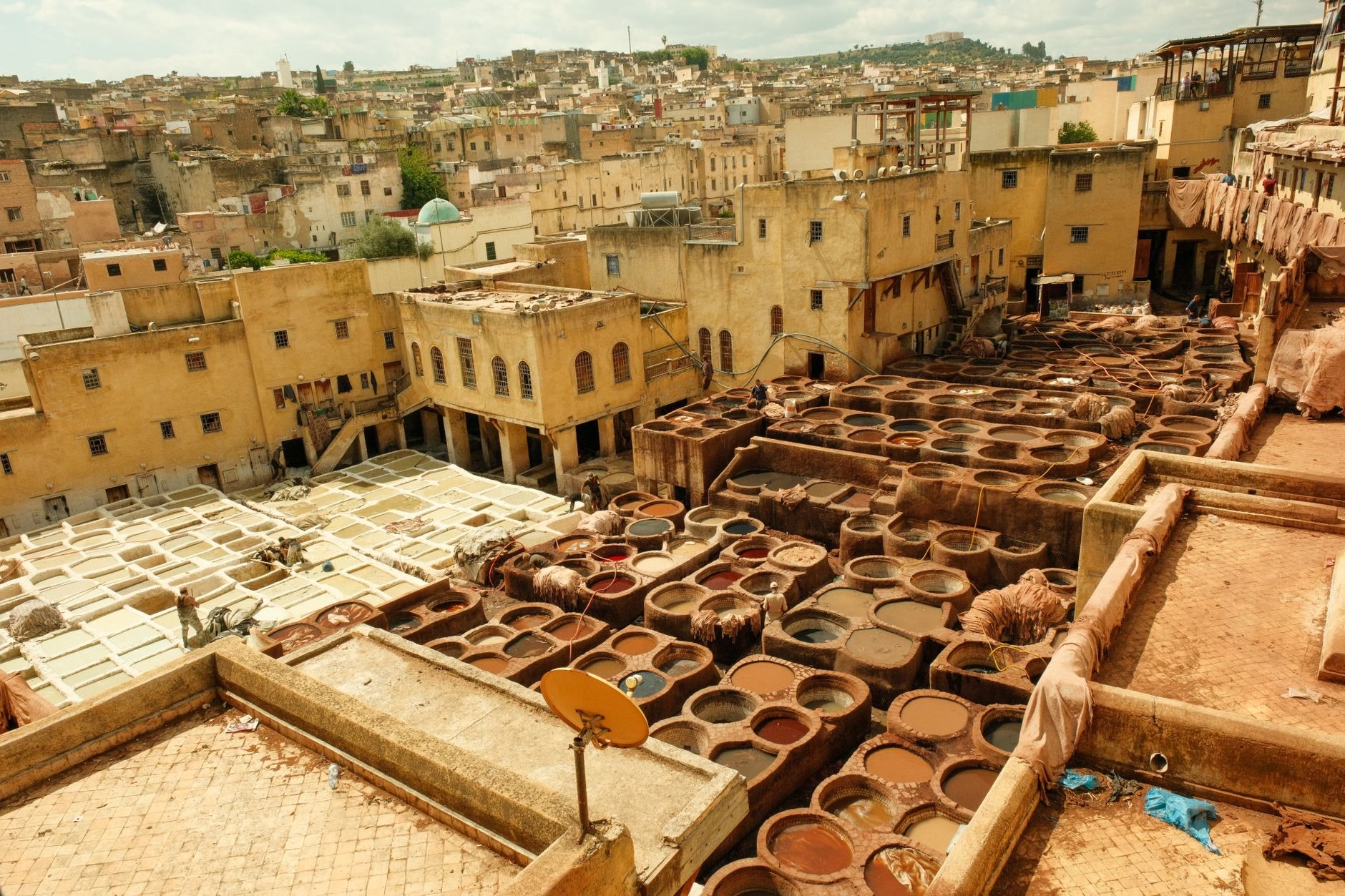
The souks, those labyrinthine marketplaces found in every Moroccan city, are sensory adventures. They offer everything from textiles and pottery to lamps, carpets, and leather goods.
Navigating the souks:
It is easy to get lost within the narrow lanes of Marrakech or Fez medina, but that is part of the charm. Keep landmarks in mind, and do not hesitate to ask stall owners for directions, as most are helpful if approached respectfully.
Buying tips:
- Always ask about the craftsmanship and origin of products. Many items are handmade locally, and artisans are proud to explain their techniques.
- If you plan to buy carpets or antiques, research average prices first or seek reputable cooperatives where prices are more transparent.
- Inspect items carefully, as returns are rare once money changes hands.
Shopping is a social experience here, so give yourself time to savor the encounter rather than rushing through it.
When to Visit and What to Pack
The best time to visit Morocco depends on what you want to experience.
Spring (March to May): Ideal for pleasant weather across the country, blooming valleys, and comfortable city exploration.
Autumn (September to November): Similar temperatures make it excellent for desert trips and coastal stays.
Summer: Can be scorching in southern regions but pleasant in mountain towns like Ifrane or Essaouira’s breezy coast.
Winter: Snow in the Atlas Mountains allows skiing opportunities, while lower regions remain mild.
When packing, consider layers, as temperatures can vary greatly between day and night. Include sunscreen, a scarf or shawl for mosque visits, and a modest outfit suitable for traditional settings.
Conclusion
Morocco is a destination that feeds the soul with every turn of a corner. It is a country where the line between history and present day gently blurs and where every call to prayer, every scent of spice, every swirl of color tells a story centuries old. Traveling here rewards curiosity and respect. By approaching Morocco with awareness and an open heart, you will find a destination that offers not only stunning scenery but also profound cultural encounters. Whether you are wandering the medina, sipping mint tea on a terrace, or watching the sun melt into the dunes, Morocco will stay with you long after you return home.
Further Reading
3 Day Istanbul Itinerary for First Time Visitors
Travel to Somalia; How I Traveled to Mogadishu