Eastern Europe Travel Guide for Beginners
Introduction
Eastern Europe is one of the most fascinating and underrated travel regions in the world. Blending centuries of complex history with fresh modern energy, this part of Europe offers everything from storybook castles and cobblestone villages to inventive cuisine and emerging creative scenes. For those new to exploring Eastern Europe, the region presents both incredible opportunities and a few unknowns. Where should you start? How do you get around? What cultural differences should you be aware of?
This comprehensive Eastern Europe travel guide for beginners will answer these questions and more. It is designed to help you confidently plan your journey, understand what makes each country unique, and discover experiences that go far beyond the standard tourist trail. By the end, you will not only be inspired to visit but will also know how to make your trip smooth, rewarding, and unforgettable.
Understanding Eastern Europe
Defining the Region
Eastern Europe is a diverse area that can mean different things to different travelers. Geographically, it generally includes countries such as Poland, Czech Republic, Slovakia, Hungary, Romania, Bulgaria, and the Baltic states of Estonia, Latvia, and Lithuania. Some travelers also include parts of the Balkans like Serbia, Croatia, and Bosnia and Herzegovina, as they share cultural and historical ties with Eastern Europe.
What unites this broad region is a shared past shaped by empires and revolutions as well as a present characterized by dynamic transformation. Today, Eastern Europe balances old world charm with a modern European rhythm, making it perfect for travelers seeking authenticity and value without sacrificing comfort.
Why Visit Eastern Europe
Rich History and Cultural Diversity
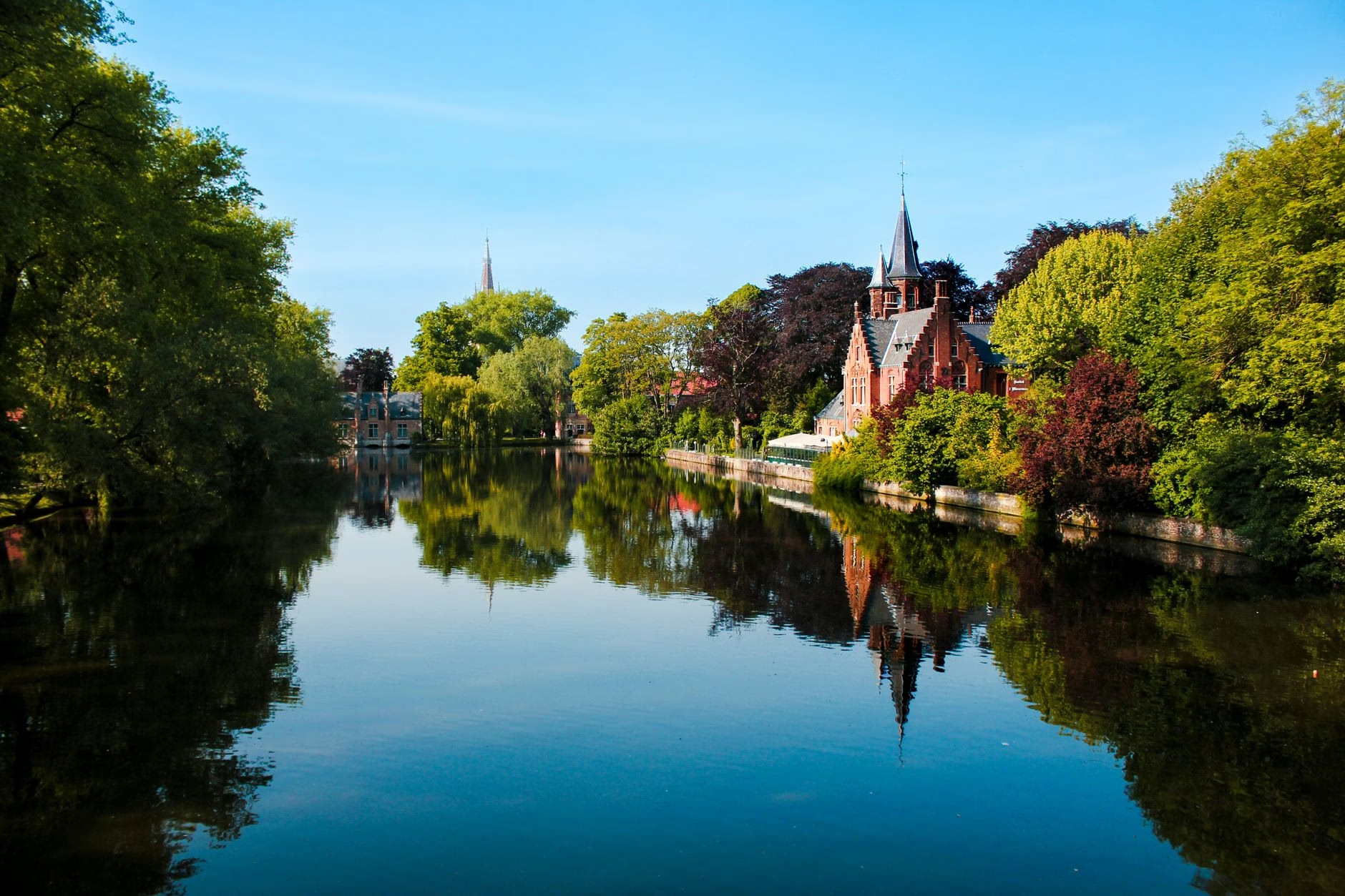
Few regions in the world contain so many layers of history within such close proximity. In Krakow, you can walk through medieval squares that survived the Second World War almost untouched. In Bucharest, Belle Époque architecture stands beside stark remnants of communist design. Prague offers Gothic spires and Art Nouveau cafés, while Tallinn preserves its Hanseatic merchant past within city walls straight out of a fairytale.
Every city and village tells a story distinct to its people, shaped by centuries of shifting borders, artistic exchange, and cultural resilience. Museums, old town walking tours, local guides, and even the architecture itself reveal Eastern Europe’s passion for storytelling and remembrance.
Incredible Value for Money
When compared to Western Europe, Eastern Europe remains remarkably affordable. Hotels, restaurants, transportation, and attractions often cost half or even a third of what you would spend in places like London or Paris. This value does not mean compromise. Boutique hotels and gourmet restaurants in Budapest or Krakow rival those of more expensive capitals, while countryside guesthouses near Transylvania or Slovakia offer charming hospitality at unbeatable prices.
Budget travelers can stretch their money further here without missing out on comfort or memorable experiences, while luxury travelers can enjoy high-end treatment for surprisingly reasonable rates.
Natural Beauty and Outdoor Adventures
Eastern Europe offers endless opportunities for nature lovers. From the Tatra Mountains in Poland and Slovakia to the mystical forests of Romania and the wild Adriatic coastline of Croatia and Montenegro, outdoor exploration is everywhere.
You can hike in summer, ski in winter, and discover hidden lakes and national parks year-round. Slovenia’s Lake Bled, Bulgaria’s Rila Monastery Mountains, and the rolling vineyards of Hungary’s Tokaj region showcase the area’s incredible geographic diversity.
Essential Practical Tips for First-Time Visitors
Getting Around
Eastern Europe’s transport network has improved tremendously in recent years. Major cities are well connected by reliable trains and budget airlines, while intercity buses and car rentals are perfect for exploring smaller towns.
- Trains: Comfortable and scenic, especially across Poland, Czech Republic, and Hungary. You can purchase tickets online in advance or at stations.
- Buses: Affordable and extensive, serving even rural areas. FlixBus and local carriers operate throughout the region.
- Driving: Renting a car is worthwhile if you plan to travel off the beaten path, but always check local road regulations and border crossing requirements.
Currency and Budget
Although most countries in the region are part of the European Union, not all use the euro. Poland has the zloty, Czech Republic the koruna, and Hungary the forint. Romania and Bulgaria have their own currencies as well. ATMs are widely available, and card payments are accepted almost everywhere. Always carry a small amount of local cash for markets or small establishments.
A moderate daily budget of around 50–70 USD per person can cover meals, accommodation, public transport, and a few attractions in most cities.
Language and Communication
English is increasingly spoken among younger generations, especially in major destinations. However, learning a few local phrases in Polish, Czech, or Romanian goes a long way and often results in a warmer response from locals. Google Translate and offline apps are helpful tools for signage and menus.
Safety and Etiquette
Eastern Europe is generally safe, with low rates of violent crime. Petty theft can occur in popular tourist spots, so take the usual precautions. Respect local customs, dress modestly in churches and monasteries, and avoid sensitive political topics unless approached respectfully. Hospitality is an important part of Eastern European culture, and visitors who show humility and interest are often rewarded with genuine kindness.
Top Destinations to Get You Started
Prague, Czech Republic
Often described as one of Europe’s most beautiful cities, Prague charms newcomers instantly. Walk across the Charles Bridge at sunrise to watch the city glow, explore Prague Castle and the winding lanes of Old Town, and enjoy the local beer culture in lively neighborhood pubs.
Budapest, Hungary
The Hungarian capital sits elegantly on the Danube and is famous for its thermal baths, grand architecture, and art nouveau buildings. The ruin bars of the Jewish Quarter give Budapest a youthful energy, while landmarks like the Parliament building and St Stephen’s Basilica reflect old world grandeur.
Krakow, Poland
Krakow delights visitors with its preserved medieval center, rich history, and warm hospitality. Visit Wawel Castle, take in the atmosphere of Rynek Główny square, and explore the vibrant café scene. Krakow also serves as a gateway to understanding deeper history through guided visits to nearby Auschwitz-Birkenau.
Tallinn, Estonia
This Baltic gem seamlessly merges medieval charm with digital innovation. Its walled old town is a UNESCO World Heritage site, yet Estonia is one of the most tech forward countries in Europe. The city’s creative energy, excellent coffee shops, and coastal beauty make it perfect for modern explorers.
Bucharest and Transylvania, Romania
Bucharest is a city of contrasts where grand avenues meet cozy bohemian neighborhoods. Its emerging culinary scene and nightlife are thriving. Beyond Bucharest, journey to Transylvania, where fairytale castles like Bran and Corvinul rise against a backdrop of misty hills.
Cultural Experiences Worth Seeking
- Traditional Music and Festivals: Each country has its own musical heritage, from Hungarian folk to Balkan brass bands. Local festivals offer authentic performances you will rarely see elsewhere.
- Cuisine: Hearty, flavorful, and deeply regional, Eastern European food combines comfort and freshness. Try pierogi in Poland, goulash in Hungary, banitsa in Bulgaria, and trdelník pastries in Czech towns.
- Thermal Spas and Wellness: Hungary and Slovakia are famous for their spas, many built on natural hot springs where you can soak while surrounded by historic architecture.
- Rural Homestays: Venturing beyond the capital cities introduces you to a quieter rhythm of life. Renting a cottage in the countryside or staying on a family run farm lets you experience genuine local hospitality.
When to Visit Eastern Europe
Spring and early autumn are the best times to explore. The weather is pleasant, major attractions are less crowded, and landscapes are at their most beautiful. Summer brings festivals and long daylight hours but also larger crowds. Winter transforms many towns into snowy wonderlands, particularly in Prague, Krakow, and the Carpathian Mountains where Christmas markets feel straight from a storybook.
Conclusion
Eastern Europe rewards the curious traveler. It is a region where old and new coexist seamlessly, where history is tangible, and where local hospitality transforms simple encounters into unforgettable stories. For first-time visitors, it offers everything from grand capitals to remote villages rich in culture, art, and landscapes that ignite the imagination.
With thoughtful planning, an open mind, and the insights from this guide, your journey through Eastern Europe can be one of the most fulfilling adventures of your life. Whether you arrive seeking castles, cuisine, or new perspectives, the region will surprise you with its depth, its warmth, and its unshakable spirit of renewal.
Further Reading
3 Day Istanbul Itinerary for First Time Visitors
Travel to Somalia; How I Traveled to Mogadishu
Free Family Things to do in Chicago Today
How to Spend Four Days in Hong Kong