
Transportation Guide Across Europe
Introduction: The Joy of Moving Through Europe
Few regions of the world match Europe for its diversity and convenience when it comes to getting around. Distances are short, infrastructure is top tier, and transportation networks connect major capitals and tiny villages with ease. Whether you long to glide across borders by high speed train, take scenic drives through alpine passes, or hop budget flights between historic cities, Europe offers countless ways to travel efficiently and in style.
This comprehensive transportation guide will help you understand the continent’s main travel options and how to use them effectively. We will explore trains, flights, buses, car rentals, and other unique ways to move between and within European countries. You will discover the best ways to plan routes, manage costs, and enjoy the journey as much as the destination. By the end, you will have a complete roadmap for navigating Europe smoothly no matter your travel goals or budget.
Traveling by Train: The Heart of European Mobility
Why Trains Are the Traveler’s Favorite
Trains have long been the soul of European travel. They combine comfort, efficiency, and scenic beauty in a way few other modes of transport can. European train stations tend to be centrally located, making access easy from city centers. Because border checks within the Schengen Area are minimal, crossing from France to Germany or from Italy to Austria often happens so seamlessly you might not even notice.
Types of Train Services
European rail travel offers a rich variety of options suited to different itineraries and budgets:
- High Speed Trains such as France’s TGV, Germany’s ICE, and Spain’s AVE whisk passengers between major cities at up to 300 kilometers per hour. They are perfect for business travelers or anyone short on time.
- Regional Trains connect smaller towns and rural areas, offering slower but more scenic rides. They are ideal for exploring countryside regions like the Rhine Valley or the Italian Lakes.
- Overnight Trains let travelers sleep en route while saving a hotel night. Routes like Vienna to Venice or Paris to Berlin are both time efficient and charming.
Planning and Ticketing
Advance booking usually secures the best fares, especially for high speed services. The Eurail Pass (for non-European travelers) and Interrail Pass (for Europeans) allow flexible multi-country travel, perfect for extended journeys. Many stations have digital signage and multilingual information desks making navigation simple. Pack light, arrive early, and enjoy a relaxed ride that feels almost like stepping back into the golden age of travel.
Flying Across Europe: Fast Connections for Modern Travelers
When Flying Makes Sense
While trains dominate short to mid-range routes, Europe’s dense network of airports and budget airlines makes flying a practical choice for longer distances. Traveling from London to Athens, Lisbon to Prague, or Oslo to Rome becomes far easier and often cheaper by plane, particularly if you plan ahead.
Budget Airlines and Tips
Airlines such as Ryanair, easyJet, and Wizz Air revolutionized European travel by offering low-cost fares between smaller airports. To make the most of these deals:
- Book several weeks in advance to benefit from the lowest fares.
- Double check luggage policy as many low cost airlines charge for checked or even overhead baggage.
- Remember that secondary airports often lie far from city centers, so include extra travel time.
For travelers who prefer more flexibility or comfort, full-service airlines like Lufthansa, Air France, and KLM maintain extensive European networks with greater frequency and service levels.
Navigating Airports
Major hubs such as Amsterdam Schiphol, Madrid Barajas, and Frankfurt International are models of efficiency, offering rail and metro links directly from the terminals. Many smaller regional airports also provide shuttle buses or train access. Check transport connections before you book flights so that you can quickly continue your journey on arrival.
Traveling by Bus: Budget Friendly and Expanding Networks
Why Consider Buses in Europe
In recent years, long distance coaches have dramatically improved. Modern fleets feature reclining seats, onboard Wi-Fi, and very competitive prices. For budget travelers, buses are sometimes the smartest way to connect places where trains are expensive or less frequent.
Top Companies and Destinations
FlixBus, Eurolines, and Baltour operate extensive routes connecting almost every European capital and provincial city. Example routes like Berlin to Prague or Milan to Nice are scenic, inexpensive, and surprisingly comfortable. Although slower than trains, overnight routes allow you to save on accommodation.
Booking and Travel Strategy
Tickets can be purchased online and usually include seat reservations. It is worth checking for multi-ride passes that reduce costs if you plan frequent bus trips. Keep in mind that bus terminals may lie outside city centers, so plan how to reach your accommodation in advance. Buses are also ideal for reaching destinations across borders where direct flights or trains do not exist, such as smaller areas in the Balkans or the Baltics.
Road Travel: Driving Freedom Across the Continent
Renting a Car for Flexibility
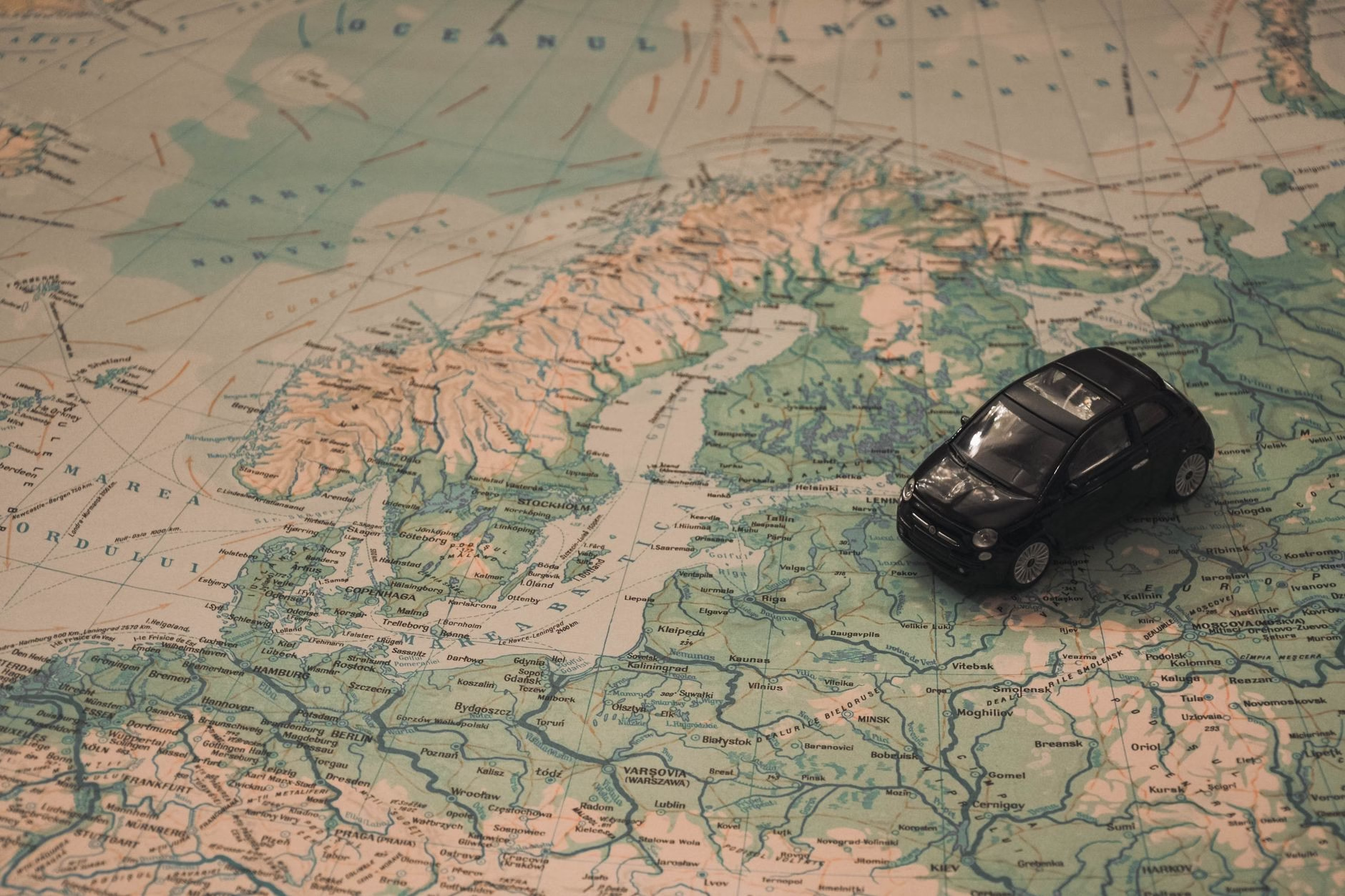
For those who crave independence, renting a car opens up Europe’s lesser-known corners. Imagine driving along the Amalfi Coast, through the Scottish Highlands, or between the castles of the Loire Valley. Each route offers stops and detours impossible by train or bus.
Driving requirements usually include an international driving permit along with your national license, a passport, and a credit card. Most rental agencies operate internationally recognized brands and allow cross-border travel within the European Union, though fees may apply.
Understanding Road Rules
Traffic laws differ slightly between countries, so it pays to research speed limits, toll systems, and parking regulations before setting off. For example:
- France and Italy both use extensive toll motorways where payment booths accept cards and cash.
- In Central Europe, you need to purchase vignettes or digital toll permits before entering motorways.
- In cities like London or Stockholm, congestion charges apply to drive into the center.
European roads are generally well maintained and clearly signed, making driving both safe and enjoyable with good planning.
Urban Transport: Navigating Cities with Ease
Local Mobility Options
Once inside a city, local transportation becomes key. European cities are known for clean, efficient, and punctual transit systems. Most combine metro lines, trams, and buses on a single ticketing system.
- Metros in Paris, Madrid, and Moscow cover vast networks that make moving between neighborhoods quick and intuitive.
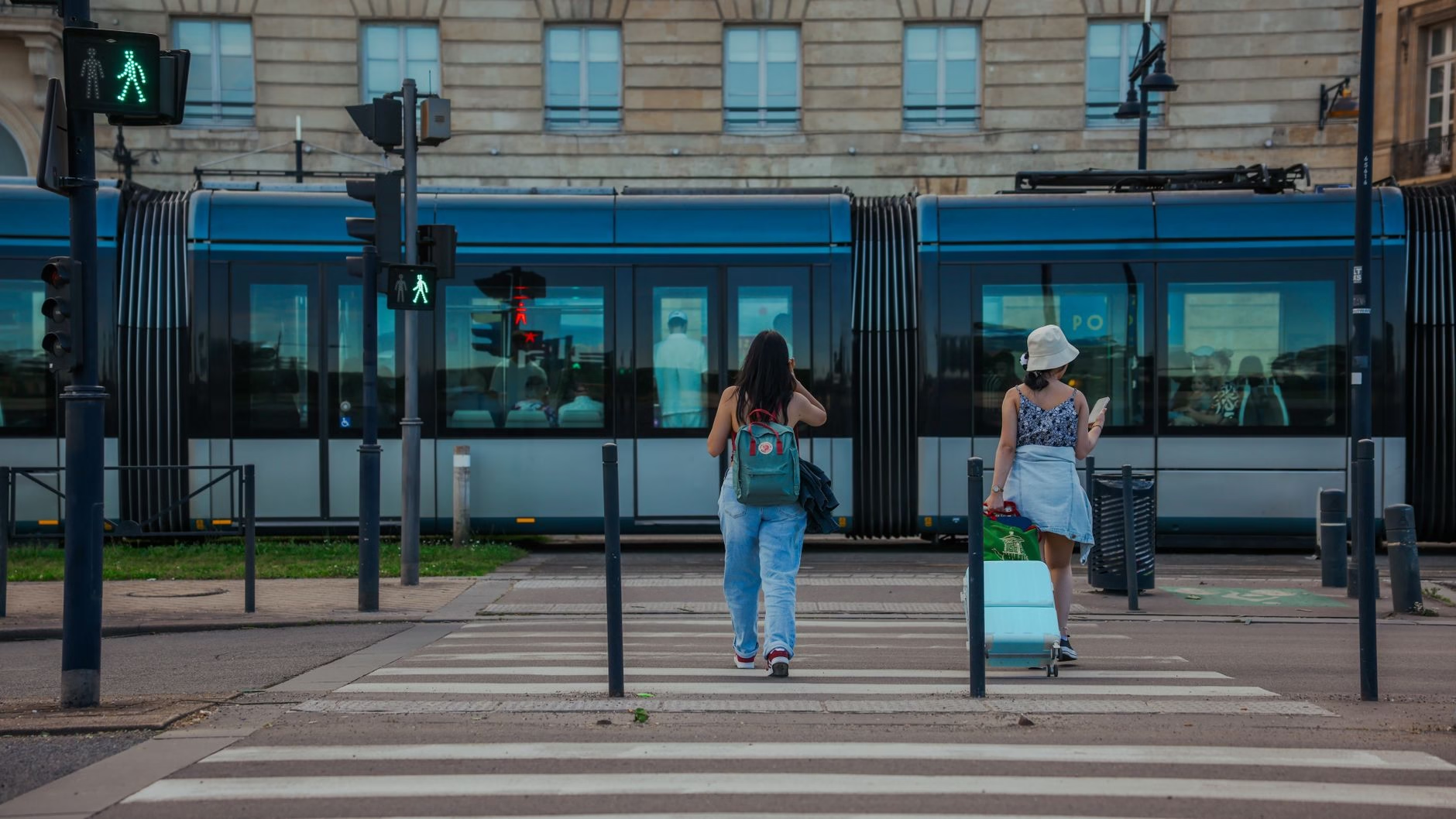
- Trams remain an iconic feature in cities like Prague, Vienna, and Amsterdam and often provide beautiful city views.
- Public Buses fill in the gaps, particularly late at night or in peripheral areas.
Passes and Payment
Many cities offer daily or multi-day transport cards that cover all modes and may include museum discounts. Examples include the Berlin WelcomeCard or the London Travelcard. To save time, download official transit apps that provide real-time schedules and digital maps.
Cycling is also growing across Europe with extensive bike sharing schemes from Copenhagen to Barcelona. It is a great way to enjoy short distances while experiencing local neighborhoods more personally.
Ferries and Alternative Routes: Europe by Water and Beyond
Exploring Water Connections
Europe’s extensive network of rivers and seas offers delightful alternatives to land travel. Ferries operate across the Mediterranean, the Baltic, and the Adriatic, connecting mainland cities with scenic islands and coastal retreats.
Some popular routes include:
- Athens to Santorini or Mykonos for exploring Greece’s famous islands.
- Stockholm to Helsinki through the scenic Baltic Sea.
- Italy to Croatia for a stunning cross-Adriatic journey.
These routes are not only practical but often memorable highlights of any European trip.
River and Canal Travel
Inland ferries and riverboats provide an even more relaxed form of transportation. Cruises along the Danube, the Rhine, or the Seine reveal castles, vineyards, and cityscapes from a unique perspective. Many operate as hop-on-hop-off services allowing travelers to combine them with train or road journeys.
Practical Tips for Seamless Travel
- Combine Modes for efficiency. For instance, fly into Paris, take the high speed train to Amsterdam, and rent a car for countryside exploration.
- Book in Advance during peak seasons like summer or holidays to secure the best prices.
- Travel Light to move swiftly between transport systems.
- Stay Connected with European SIM cards or portable Wi-Fi so navigation and booking can happen on the go.
Traveling between countries has become remarkably easy thanks to open borders and unified currencies in much of Europe. With smart planning, you can line up various transportation modes to craft your own perfect itinerary.
Conclusion: The Art of Getting Around Europe
Travel in Europe is not just about reaching destinations but about enjoying the journey itself. Every mode of transport—be it a sleek train, a cheerful bus, a scenic ferry, or your own car—offers a different window into the continent’s cultures and landscapes. The more you understand your transportation options, the more confident and flexible you become as a traveler. Whether you are on a whirlwind adventure through several capitals or spending weeks exploring slower routes, efficient transportation is your key to unlocking Europe’s full potential.
So take the train, board the ferry, or hit the open road. The beauty of Europe lies not only in its monuments but in the smooth, rewarding movement from one fascinating stop to the next.
Further Reading
3 Day Istanbul Itinerary for First Time Visitors
Travel to Somalia; How I Traveled to Mogadishu
Free Family Things to do in Chicago Today
How to Spend Four Days in Hong Kong