Kenya Travel Guide for Tourists
Discover the Heart of Africa
Kenya is one of those destinations that effortlessly captures the imagination. This East African jewel offers a perfect blend of breathtaking natural beauty, vibrant culture, wildlife encounters and coastal charm. Whether you dream of watching lions prowl across golden savannas, hiking through misty highlands or relaxing on the white sands of the Indian Ocean, Kenya delivers experiences that awaken every sense.
This guide will help you understand the essence of Kenya, from planning logistics and top attractions to insider travel tips that make a visit more rewarding. By the end, you will know how to navigate the country with confidence and appreciation for its rich diversity.
Understanding Kenya: A Land of Contrasts
Kenya lies along the equator, bordered by the Indian Ocean to the east and surrounded by spectacular savannas, mountains and lakes. This geographical diversity creates a country that is astonishingly varied in both landscape and culture.
The capital city Nairobi is a thriving hub where modern development meets wildlife conservation. A short drive away, giraffes and rhinos roam protected parks. Travel north and you will find semi-arid deserts and ancient tribal lands. Head west and the lush highlands merge into the Great Rift Valley, dotted with stunning lakes. Finally, the coastal region reveals a slower pace with Arab-influenced architecture, coral reefs and endless beaches.
This variety means every traveler can find something unique. Kenya can be an adventure destination, a cultural journey or a peaceful escape by the sea.
When to Visit Kenya
The best time to visit Kenya largely depends on what experiences you want. The country has two main rainy seasons, but travel is possible all year round.
Dry Season (June to October)
This is widely considered the best time for safari. Wildlife viewing is spectacular because animals gather around waterholes. The bush is thinner, making it easier to spot predators. This period coincides with the Great Migration, when millions of wildebeest cross from Tanzania’s Serengeti into Kenya’s Maasai Mara, one of the most dramatic natural events on Earth.
Short Rains (November to December)
Rainfall is generally light and short-lived. The landscapes become greener and more vibrant, offering a beautiful backdrop for photography. Tourist crowds are fewer, and rates may be more affordable.
Long Rains (March to May)
This is the wettest period and sometimes affects travel in rural areas. However, this can be a good option for budget-conscious travelers. National parks are less crowded, and the scenery is lush with life.
Coastal Season
The Kenyan coast enjoys warm temperatures year-round. January to March is great for sunbathing, snorkeling and diving before humidity rises.
Top Places to Visit in Kenya
Maasai Mara National Reserve
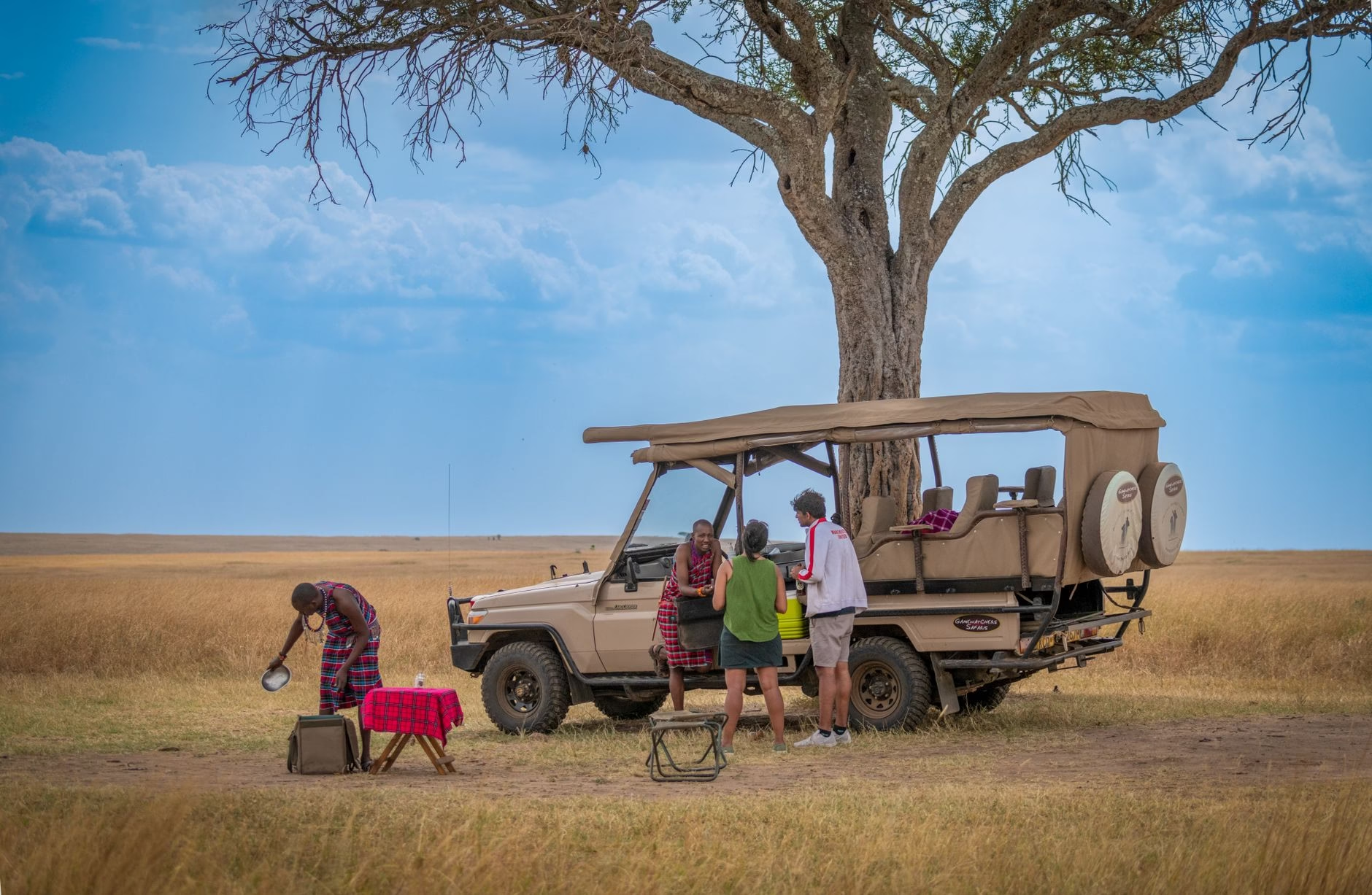
A name synonymous with the African safari experience, the Maasai Mara is where you witness raw nature at its finest. The open plains teem with lions, cheetahs, elephants and large herds of antelope. If you come between July and October, the Great Migration is an unmissable spectacle. Consider booking a morning hot air balloon safari to admire the sunrise over the savanna.
Amboseli National Park
With the stunning backdrop of Mount Kilimanjaro just across the border in Tanzania, Amboseli offers postcard-perfect views of elephants silhouetted against the snowcapped mountain. The park is known for its exceptional elephant populations and birdlife.
Lake Nakuru National Park
Located in the Great Rift Valley, this park is famous for its pink flamingos that gather along the alkaline shores. It also shelters black and white rhinos, making it an important conservation success.
Nairobi
Kenya’s capital surprises many travelers. While busy and energetic, it offers a blend of nature and urban sophistication. Visit Nairobi National Park to see lions and giraffes against a city skyline. Then explore the Karen Blixen Museum, the Giraffe Centre, and the local food markets. In the evenings, Nairobi’s restaurants showcase the creativity of Kenyan cuisine and its cosmopolitan flair.
Lamu Island
On the northern coast, Lamu is Kenya’s oldest continuously inhabited town, steeped in Swahili culture and history. The narrow lanes, carved wooden doors and quiet beaches make it a tranquil retreat. Since there are no cars on the island, transportation is by donkey or dhow boat, creating a rhythm of life that feels unchanged for centuries.
Diani Beach
Just south of Mombasa, Diani Beach is Kenya’s leading coastal destination. The sand is powdery white, and the turquoise waters are calm and inviting. Activities range from kite surfing and diving to dhow cruises at sunset. For those looking for relaxation after safari, Diani offers the perfect balance of leisure and luxury.
Experiencing Kenya’s Culture
Kenya’s cultural landscape is just as fascinating as its wildlife. The country is home to over forty ethnic groups, each with unique traditions, music and cuisine.
The Maasai
Perhaps the most recognized, the Maasai people are known for their colorful shukas (traditional cloth) and tall, beaded jewelry. Visiting a Maasai village allows travelers to learn about their semi-nomadic lifestyle, age-old rituals and deep connection to the land.
Swahili Coast Heritage
Along the coast, centuries of trade with Arabs, Persians and Portuguese have created a distinctive culture. Swahili architecture, with its ornate doorways and coral stone houses, reflects this blended heritage. Try Swahili dishes such as biryani and coconut fish curry, which exemplify the region’s diverse influences.
Local Markets and Handicrafts
To experience everyday life, explore vibrant local markets in towns across the country. Maasai beadwork, woven baskets from Kisii, soapstone carvings and kikoy fabrics make beautiful souvenirs. Bargaining is part of the experience, and it is always done with friendly respect.
Practical Travel Tips
Entry Requirements
Most travelers need an electronic travel authorization or visa to enter Kenya. Always check current regulations before arrival, as the system continues to evolve.
Health and Safety
Vaccinations for yellow fever and routine immunizations are recommended. Malaria preventive medication is advisable for many regions, especially near lakes or coastal areas. Tap water is not generally safe to drink, so use bottled or filtered water.
Transport
Domestic flights connect major cities and safari regions, which saves time. Road travel offers scenic variety but can be slower than expected, particularly after rains. Hiring a reputable driver-guide is often the most comfortable choice for first-time visitors.
Money and Payment
The local currency is the Kenyan Shilling. Credit cards are widely accepted in cities and lodges, but carrying small cash denominations is helpful in rural or coastal towns. Digital payment systems such as M-Pesa are also widely used.
Responsible Travel
Respect local communities by asking permission before photographing people, minimizing plastic use and supporting ethical tour operators. Many lodges focus on conservation, offering opportunities to contribute to local wildlife and community projects.
What to Eat in Kenya
Kenyan cuisine reflects both its regional diversity and cultural history. Meals are hearty, flavors are bold and ingredients are often locally sourced.
- Nyama Choma: Chargrilled goat or beef served with side salads and ugali (a maize flour dish) is a national favorite.
- Ugali: Kenya’s staple dish, similar to firm cornmeal, usually paired with vegetables or meat stews.
- Sukuma Wiki: Collard greens sautéed with onions and tomatoes, offering a healthy accompaniment to most meals.
- Seafood: On the coast, try grilled snapper or prawns cooked with coconut and spice.
- Kenyan Coffee and Tea: Grown in the highlands, both are prized globally. Visiting coffee plantations offers an insightful taste of Kenya’s agricultural heritage.
Accommodation in Kenya
Kenya’s lodging options cater to every travel style.
- Safari Lodges and Camps: Luxury tented camps in reserves like the Maasai Mara or Samburu combine comfort with immersive nature experiences. Many employ eco-friendly designs and offer guided game drives.
- Beach Resorts: Along the coast, resorts in Diani, Watamu and Lamu provide oceanfront relaxation.
- City Hotels: Nairobi boasts an increasing number of stylish boutique hotels, often close to nightlife and shopping centers.
- Budget Options: Guesthouses and hostels are available in most towns. They are ideal for backpackers or travelers seeking a more local feel.
Conclusion: Why Kenya Deserves a Place on Every Traveler’s List
Kenya is much more than a safari destination. It is a country where landscapes shift dramatically within hours of travel, where ancient traditions meet modern creativity and where immense wildlife encounters are matched by warm human connection. Whether you are exploring the Maasai Mara, hiking the Rift Valley, wandering through Nairobi’s cultural gems or basking on the beaches of Lamu, Kenya offers a rare and unforgettable authenticity.
A trip here is not just about sightseeing, but about understanding the rhythm of a nation that celebrates life, community and nature in equal measure. For travelers seeking adventure, beauty and meaning, Kenya promises experiences that leave a permanent mark on the heart.
Further Reading
3 Day Istanbul Itinerary for First Time Visitors
Travel to Somalia; How I Traveled to Mogadishu
Free Family Things to do in Chicago Today
[How to Spend Four Days in Hong Kong](https://www.neverendingfootsteps.com