Introduction: Understanding Safety in Morocco Before You Go
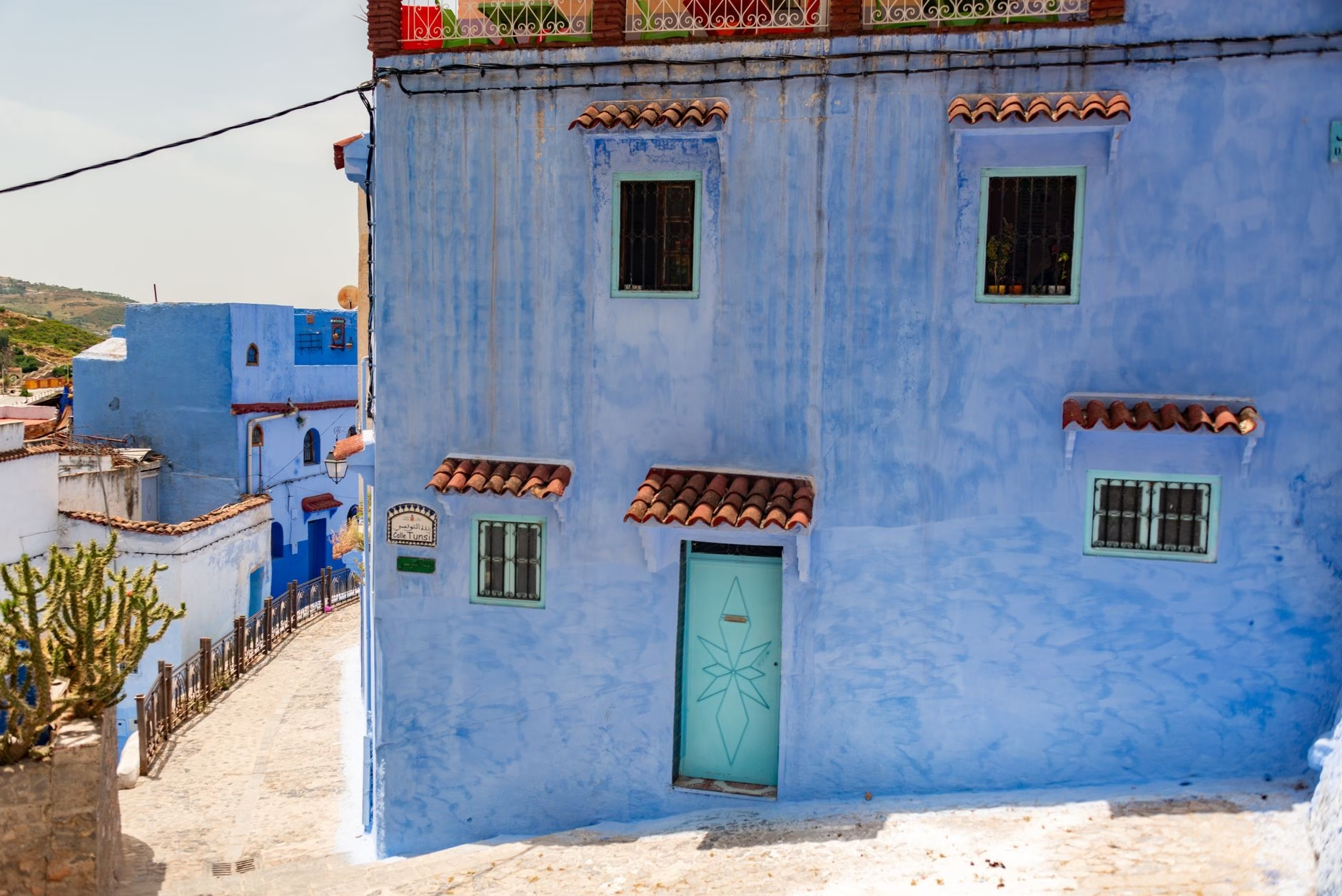
Morocco has long captured the imagination of travelers with its maze-like medinas, desert dunes, coastal cities, and snow-topped mountains. The country is a gateway between Africa and Europe, blending Arabic, Berber, and French influences into one of the most fascinating cultures on earth. Yet for many first-time visitors, one question arises before booking a flight: Is Morocco safe for travelers?
This is a valid and important question. Safety is one of the top concerns for anyone visiting an unfamiliar destination, and having accurate information helps you travel confidently and responsibly. In this guide, we will look closely at what day-to-day safety in Morocco really looks like, from understanding cultural norms and avoiding common scams to navigating transportation, respecting local customs, and protecting your belongings. By the end, you will have a clear, honest picture of how safe Morocco is and what you can do to ensure a smooth, enriching journey.
The Reality of Safety in Morocco
Overall, Morocco is considered one of the safest countries to visit in North Africa. Its stable government and growing tourism industry have led to significant investments in security and infrastructure, especially in major destinations such as Marrakech, Fez, Casablanca, and Chefchaouen. Violent crime against tourists is extremely rare. The majority of incidents that travelers encounter are minor, such as pickpocketing or overcharging in markets.
Police presence is strong, and there are tourist police in cities like Marrakech and Casablanca who specifically assist foreigners. You will often see them near popular squares, at airports, and around heavily visited landmarks. Public spaces and hotels are generally well monitored, and road conditions on main routes are improving every year.
However, as in any country, awareness and preparation are key. Understanding the local environment will help you move around safely and enjoy the full range of Morocco’s beauty.
Staying Safe in Moroccan Cities and Medinas
Cities in Morocco are full of sensory energy. Narrow alleys, intense colors, and bustling street life can feel overwhelming at first glance, especially in places such as the Marrakech medina or the Fez souk. While these settings are generally friendly, it helps to stay alert and use urban common sense.
Practical tips for city safety:
- Keep valuables such as phones, wallets, and cameras secure and avoid displaying expensive items openly. A discreet money belt or small crossbody bag is a good idea.
- Be cautious about accepting help from overly insistent locals who offer unsolicited guidance in the medina. Many will expect payment or lead you toward their friend’s shop. If you truly need directions, ask a shopkeeper or police officer instead.
- In crowded markets, keep backpacks zipped and front-facing.
- Use licensed guides if you want to explore deeply. Official guides wear an identifiable badge issued by the Moroccan tourism authority.
At night, most main streets in well-trafficked areas are safe, but walking through poorly lit alleys or deserted backstreets is not recommended. Take a registered taxi from your riad or restaurant if you need to travel after dark.
Traveling Between Cities and Around the Country
Morocco is large and geographically diverse, so you may find yourself using a mix of trains, buses, and private transfers. The country’s train network, operated by ONCF, is comfortable, punctual, and runs between major hubs such as Casablanca, Rabat, Fez, and Marrakech. Taking the train is not only safe but also an authentic way to observe daily Moroccan life.
For long distances, many travelers use Supratours or CTM buses. These are reputable companies with reliable schedules and good safety records. Always buy tickets from the official counter rather than third-party sellers near stations.
If you plan to drive, Morocco’s roads vary in quality. Urban and major highways are modern, but mountain routes or rural roads can be narrow and occasionally unpaved. Avoid night driving outside cities, watch for animals crossing the road, and follow local speed limits closely. Police checkpoints are common but usually routine.
Respecting Culture and Social Norms
Many issues labeled as “safety concerns” abroad can actually be avoided by understanding and respecting local customs. Morocco is a Muslim-majority country with conservative social expectations, especially in rural areas.
Key cultural awareness tips:
- Dress modestly, particularly for women. While shorts and sleeveless shirts are common at beach resorts, in cities and villages it is better to wear light, loose clothing that covers shoulders and knees.
- Public displays of affection are discouraged. Keep interactions polite and friendly.
- During Ramadan, it is polite to eat and drink discreetly during daylight hours when locals are fasting.
- Always ask permission before taking photos of people, especially women or religious figures.
Showing respect for traditions not only enhances your personal safety but also opens doors to more genuine cultural exchanges. Moroccans are known for their hospitality, and even small gestures of politeness are warmly appreciated.
Women Traveling in Morocco
Morocco is one of the most popular destinations for solo female travelers in North Africa. However, women may notice more persistent stares or occasional comments in heavily touristed areas. These are generally harmless but can be uncomfortable. Confidence and awareness go a long way toward setting boundaries.
Suggestions for female travelers:
- Walk with purpose and avoid engaging with unwanted attention. A firm “no thank you” will usually end any interaction.
- Choose accommodations in central areas with good guest reviews for safety and cleanliness.
- Join guided day tours for destinations outside the city, such as the Atlas Mountains or the Sahara Desert.
- Consider carrying a scarf or shawl that can double as a form of respectful coverage in traditional neighborhoods.
Traveling as a woman in Morocco can be incredibly rewarding when approached with awareness. Many female travelers leave with glowing memories of the warmth and kindness of the Moroccan people once they adapt to local customs.
Common Scams and How to Avoid Them
As in many popular tourism regions, Morocco has its share of scams, primarily small and predictable. Knowing what to expect means you can sidestep them easily.
Typical experiences include:
- Friendly “guides” offering help: These individuals often approach tourists in medinas and later ask for payment. Politely decline their services if you are not interested.
- Taxis without meters: Always insist the taxi driver uses the meter or agree on a fare before getting in. For short distances within cities, fares are inexpensive when properly metered.
- Photo opportunities with animals: You may see monkeys, snakes, or camels offered for pictures. These are not official attractions, and prices can change quickly once you take a photo. Clarify or simply avoid these interactions if you prefer ethical wildlife experiences.
- Artisan shop pressure: Some workshops and rug shops offer “free tours” that end in a high-pressure sales pitch. Be honest if you are not planning to buy.
With a friendly but firm attitude, you can navigate Morocco’s marketplaces confidently and enjoy authentic exchanges instead of tourist traps.
Health, Food, and Environmental Safety
Health-related safety is another area where travelers often worry unnecessarily. Morocco’s urban centers have good medical facilities and pharmacies, and private clinics in major cities provide competent care.
Tap water in many places is chlorinated but often not advisable for those with sensitive stomachs. Bottled water is inexpensive and widely available. When eating street food, choose busy stalls where turnover is high and ingredients are freshly cooked. In traditional restaurants, couscous, tagine, and grilled lamb are usually safe and delicious choices.
In the desert or during summer months, dehydration can become a risk. Carry water at all times and use sunscreen generously. Altitude sickness is rare but possible in the High Atlas Mountains, so pace yourself if trekking at elevation.
Travel insurance that covers medical emergencies, theft, and trip cancellations is highly recommended.
Final Thoughts: A Safe and Rewarding Place to Explore
So, is Morocco safe for travelers? The answer is yes. With sensible precautions and cultural awareness, you can travel comfortably throughout the country. Most visitors leave with memories of vibrant markets, heartfelt hospitality, and scenery that looks plucked from a storybook.
Morocco is a place that rewards curiosity. It welcomes responsible travelers who engage respectfully and move with awareness rather than fear. Prepare well, trust your instincts, and embrace the variety that Morocco has to offer, from the icy Atlas peaks to the Saharan dunes and the Atlantic coast.
A journey through Morocco will not only feel safe but deeply inspiring.
Further Reading
3 Day Istanbul Itinerary for First Time Visitors
Travel to Somalia; How I Traveled to Mogadishu