Antarctica Travel Itinerary for First Time Travelers
Introduction: The World's Final Frontier
There are very few places on Earth where you can truly say you are standing at the edge of civilization. Antarctica is one of them. It is a destination that awakens the imagination, where silence stretches endlessly across vast glaciers and the air feels untouched by time. For many travelers, visiting Antarctica is the ultimate adventure—the chance to experience pristine wilderness, rare wildlife, and breathtaking polar landscapes that few people will ever see.
If you are planning your first trip to the White Continent, knowing what to expect and how to prepare is essential. This detailed guide will walk you through a practical and inspiring Antarctica travel itinerary, covering when to go, the best routes for first-time explorers, what you will experience each day, and how to make the most of your journey while respecting one of the most fragile ecosystems on the planet.
When to Go: Timing Your Antarctic Voyage
Antarctica can only be visited during the Southern Hemisphere’s summer, typically between late October and early March. During these months, the temperature is more manageable, and daylight stretches up to 20 hours, allowing for extended exploration.
Each part of the short travel season offers a distinct experience:
- October to November: Early season brings dramatic landscapes of fresh, untouched snow. Icebergs are newly shaped, and the continent feels especially wild. This is also the start of the mating season for penguins, so colonies are lively but not yet overflowing with chicks.
- December to January: This is the peak of the Antarctic summer. Temperatures are at their highest, and wildlife activity reaches its peak. Penguin chicks hatch, seal pups appear, and humpback whales are often sighted feeding near the ice edge.
- February to Early March: Late summer offers extraordinary whale watching, as well as a glimpse of the ever-changing ice formations that begin to break up as the season shifts.
Selecting your travel window depends on your interests. Wildlife enthusiasts might opt for mid-summer, while photographers often favor the early or late season for dramatic light and fewer crowds.
How to Get There: The Gateway to the Ice Continent
Most travelers reach Antarctica from the southern tip of South America. The main embarkation point is Ushuaia, Argentina, the world’s southernmost city and the starting harbor for most Antarctic cruises.
From Ushuaia, you will cross the Drake Passage, a legendary stretch of ocean known for its powerful swells but also its unmatched beauty. The crossing takes about two days each way, and although it can be rough, modern expedition vessels are built for stability and passenger comfort. Those who prefer to avoid the Drake Passage altogether can choose fly-cruise options from Punta Arenas, Chile, which include a short flight to King George Island where you board your expedition ship directly in Antarctica.
A typical first-timer itinerary lasts between 10 and 14 days, depending on your route and chosen cruise operator. Longer itineraries may include sub-Antarctic islands such as South Georgia and the Falklands, which offer exceptional wildlife viewing and historical sites linked to early explorers.
Day-by-Day Outline: What to Expect on an Antarctic Expedition
While no two Antarctic journeys are identical, the following itinerary gives a realistic picture of what a classic 12-day expedition might look like for a first-time traveler.
Day 1: Arrival in Ushuaia
Spend your first day in Ushuaia exploring the world’s southernmost city. Visit the nearby Tierra del Fuego National Park or take a short cruise along the Beagle Channel for a preview of the wildlife you will soon encounter. Most operators recommend arriving at least one day early to account for flight delays and to complete pre-boarding procedures.
Day 2: Embarkation and Setting Sail
You will board your expedition vessel in the afternoon. As you sail through the Beagle Channel, the excitement builds while crew members provide safety briefings and orientation sessions. The first evening is marked by captivating views of the rugged South American coastline fading into open ocean.
Days 3–4: The Drake Passage
Crossing the Drake Passage is a rite of passage for every Antarctic traveler. Whether the sea is calm or rough, the crossing gives time to attend lectures on Antarctic ecology, photography, and exploration history. Albatrosses often glide alongside the ship, signaling your entry into the Southern Ocean.
Days 5–9: Exploring the Antarctic Peninsula
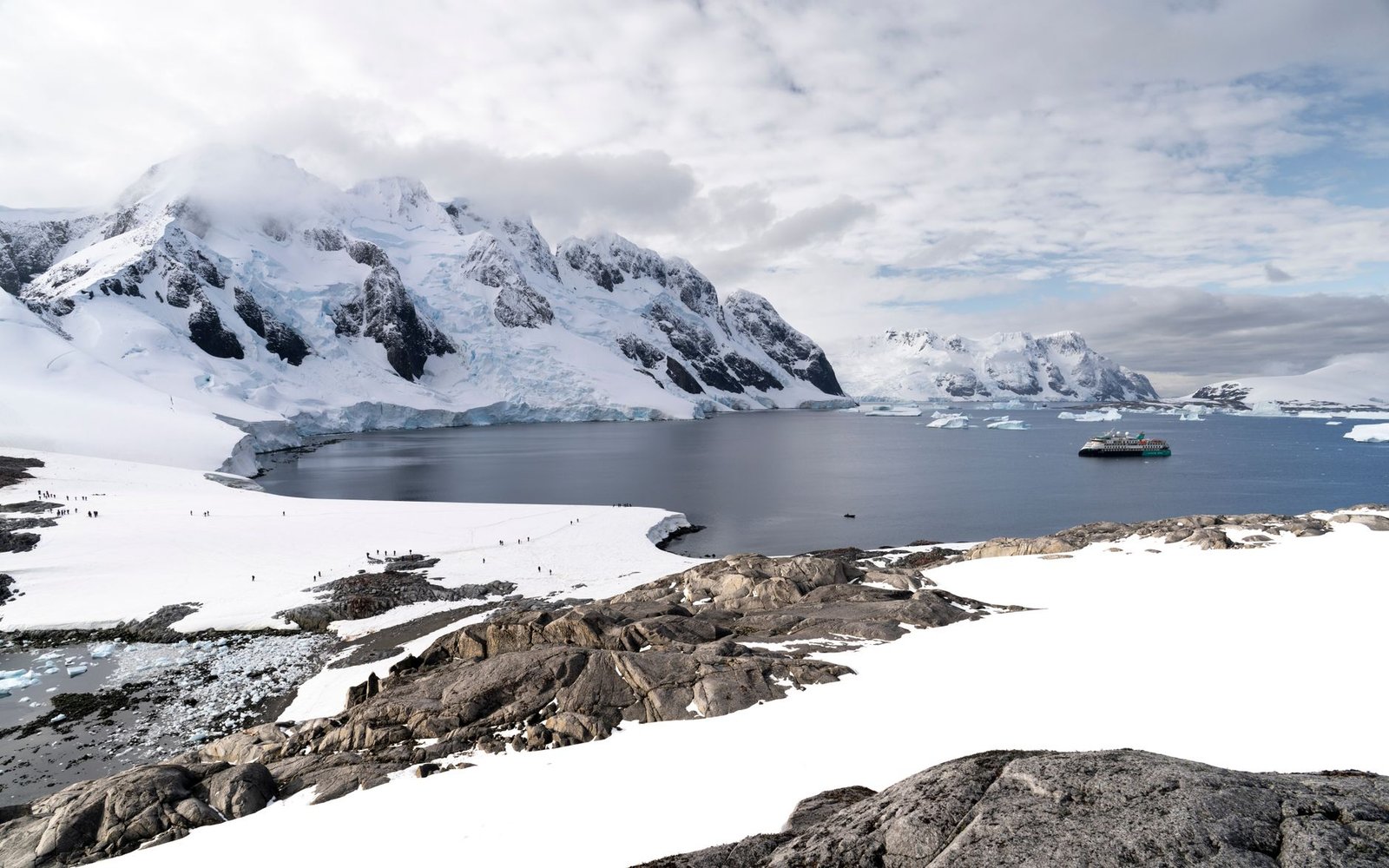
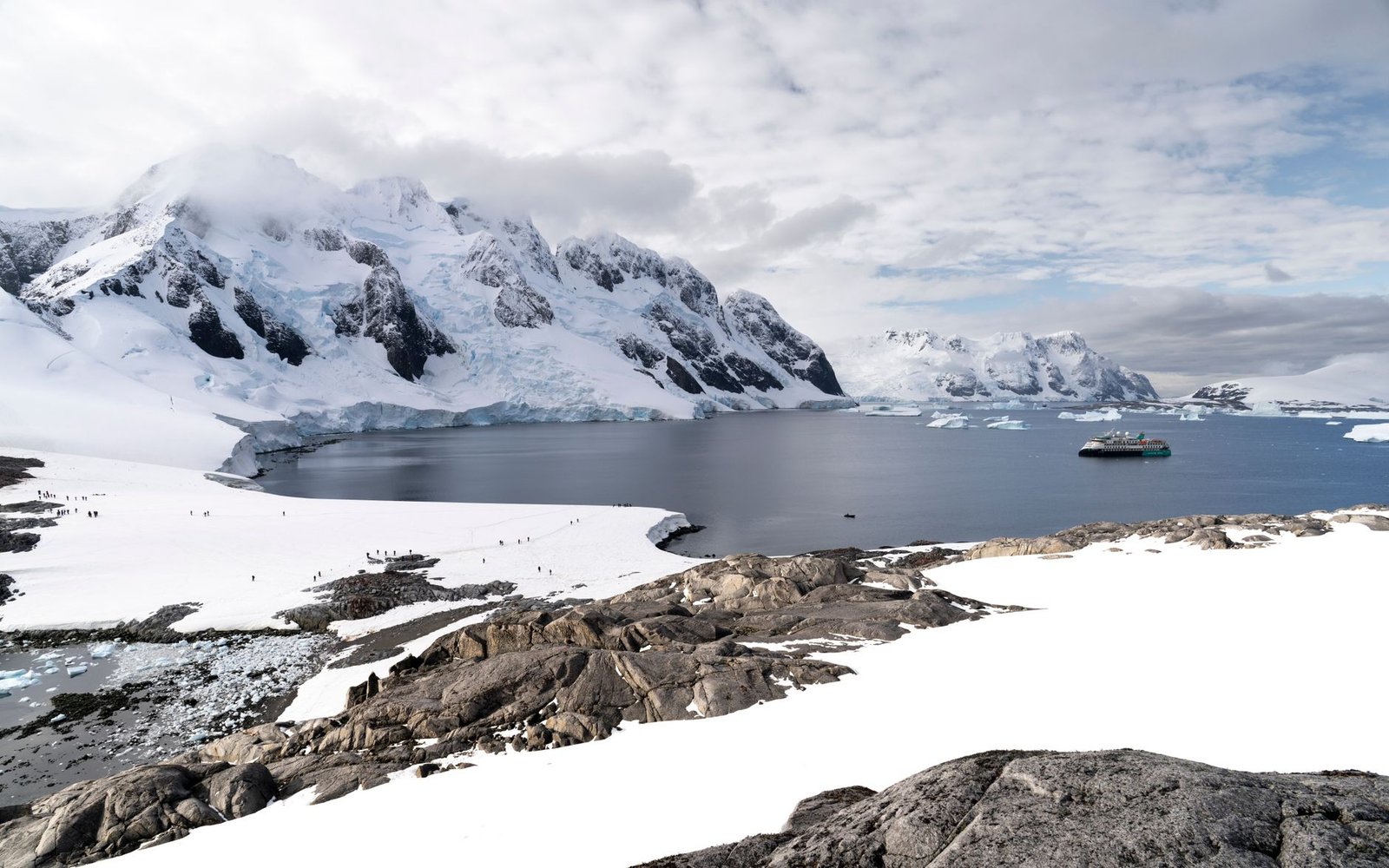
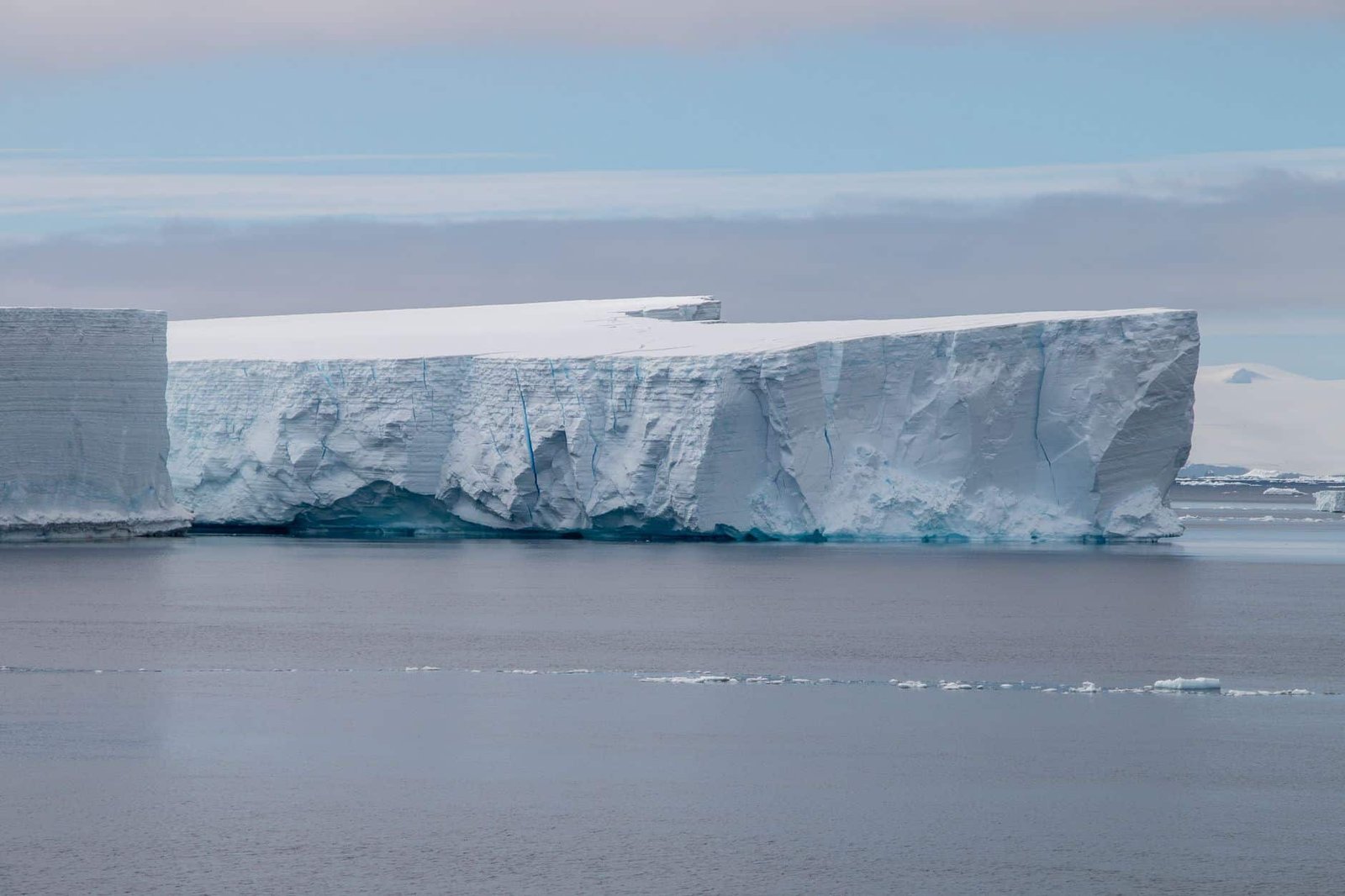
This is the heart of your journey. The Antarctic Peninsula reveals its majesty with sweeping glaciers, towering icebergs, and teeming wildlife. Each day brings zodiac landings at different sites.
Common stops might include:
- Neko Harbour: Known for dramatic glacier backdrops and gentoo penguin colonies.
- Paradise Bay: Stunning reflections on calm waters and the chance to step onto the continent itself.
- Lemaire Channel: A narrow passage lined with sheer cliffs, often filled with drifting icebergs.
Typical daily activities include:
- Zodiac rides for close encounters with glaciers and seals lounging on ice floes.
- Shore landings to visit penguin colonies or explore snow-covered ridges.
- Optional kayaking or polar plunges for adventurers seeking a unique challenge.
Guides and naturalists accompany every landing, providing insight into the region’s fragile ecosystems and ensuring strict adherence to environmental guidelines.
Days 10–11: Return Across the Drake Passage
As you sail back toward South America, passengers share photographs, attend recap sessions, and reflect on the surreal sense of solitude and beauty they have experienced. Whales often accompany the ship during the return voyage.
Day 12: Arrival in Ushuaia and Disembarkation
Once docked, you will have time to explore Ushuaia one last time or connect to onward travel. Most travelers linger a day or two, enjoying Patagonian cuisine and reflecting on their polar adventure before heading home.
What to Pack: Essentials for an Antarctic Expedition
Packing correctly is crucial in such a demanding environment. While most expedition operators provide waterproof boots and parkas, travelers should come prepared with layers designed for both warmth and flexibility.
Essential items include:
- Moisture-wicking base layers for comfort during land excursions.
- Insulated mid-layers such as fleece or down sweaters.
- Waterproof outer shells to protect against snow and sea spray.
- Sunglasses with strong UV protection and sunscreen, as sunlight reflects intensely off the ice.
- Gloves, beanies, and neck gaiters for warmth during zodiac rides.
- Binoculars and a good quality camera for wildlife and landscape photography.
Remember that space in cabin storage is limited, so pack efficiently while prioritizing quality thermal gear.
Respecting the Environment: Travel Responsibly in Antarctica
Every visitor plays a vital role in protecting Antarctica’s delicate ecosystem. The continent is governed by international environmental protocols that aim to preserve its purity. Passengers must follow strict biosecurity measures before every landing, including cleaning personal gear to prevent cross-contamination.
Always maintain distance from wildlife, never leaving anything behind or taking anything away. Choose an expedition company affiliated with the International Association of Antarctica Tour Operators (IAATO), which enforces sustainable travel standards. Responsible exploration ensures that future generations can experience the same untouched wonder.
Conclusion: A Journey Beyond Adventure
Traveling to Antarctica is far more than a vacation; it is a journey of perspective. Standing on its icy shores, surrounded by silence and awe, you realize the extraordinary scale of our planet and your small yet meaningful place within it. For first-time travelers, a well-planned itinerary offers both safety and spontaneity—allowing you to marvel at penguins marching across glaciers, watch the midnight sun shimmer on the sea, and return home with a renewed respect for nature’s power and beauty.
Antarctica rewards those who seek it not with luxury, but with authenticity. With preparation and curiosity, it will undoubtedly become one of the most transformative experiences of your life.
Further Reading
Best Beaches in Southern Europe
Cheapest Countries to Visit in Africa
Travel to Somalia; How I Traveled to Mogadishu