
Introduction: Preparing for the Trip of a Lifetime
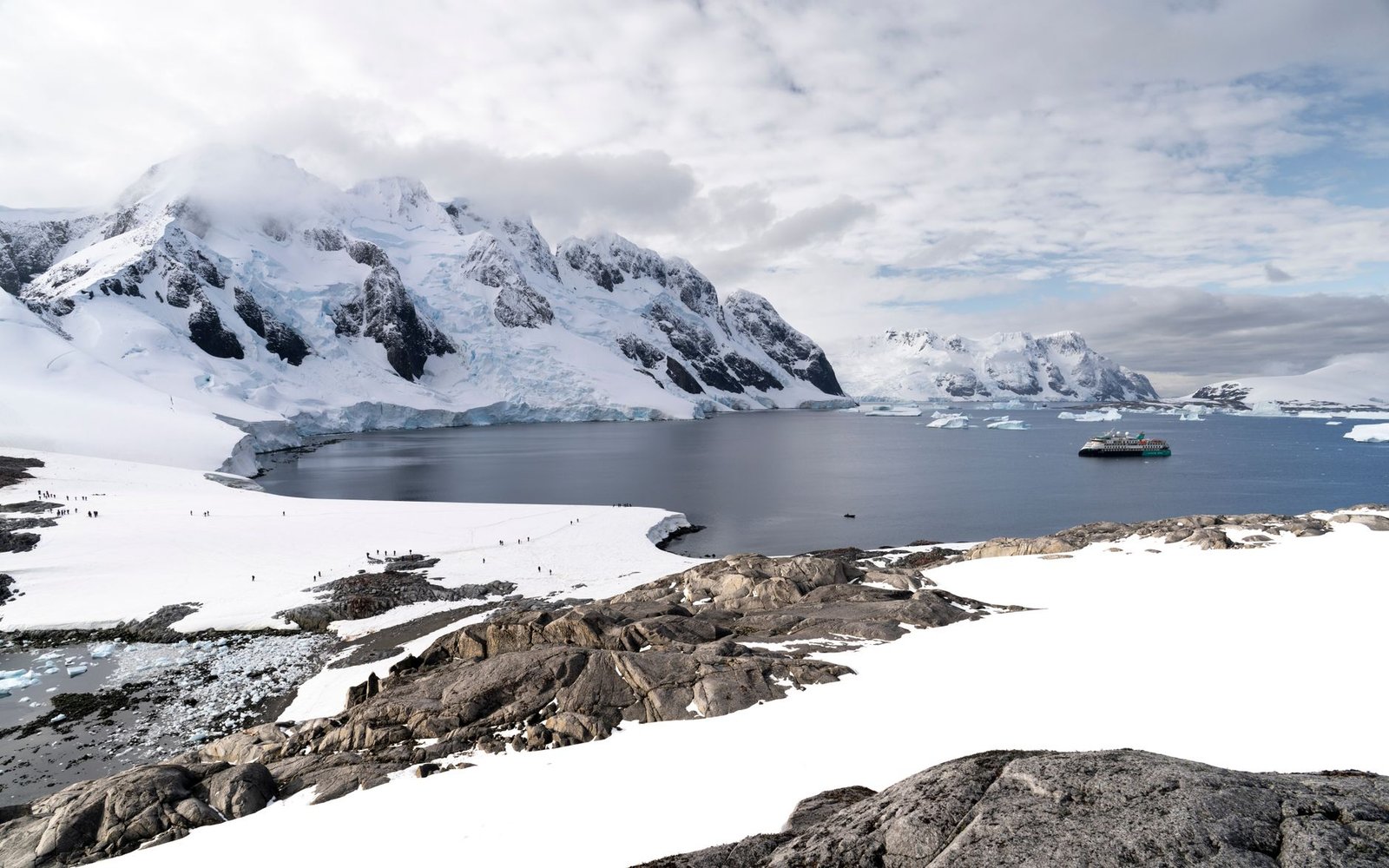
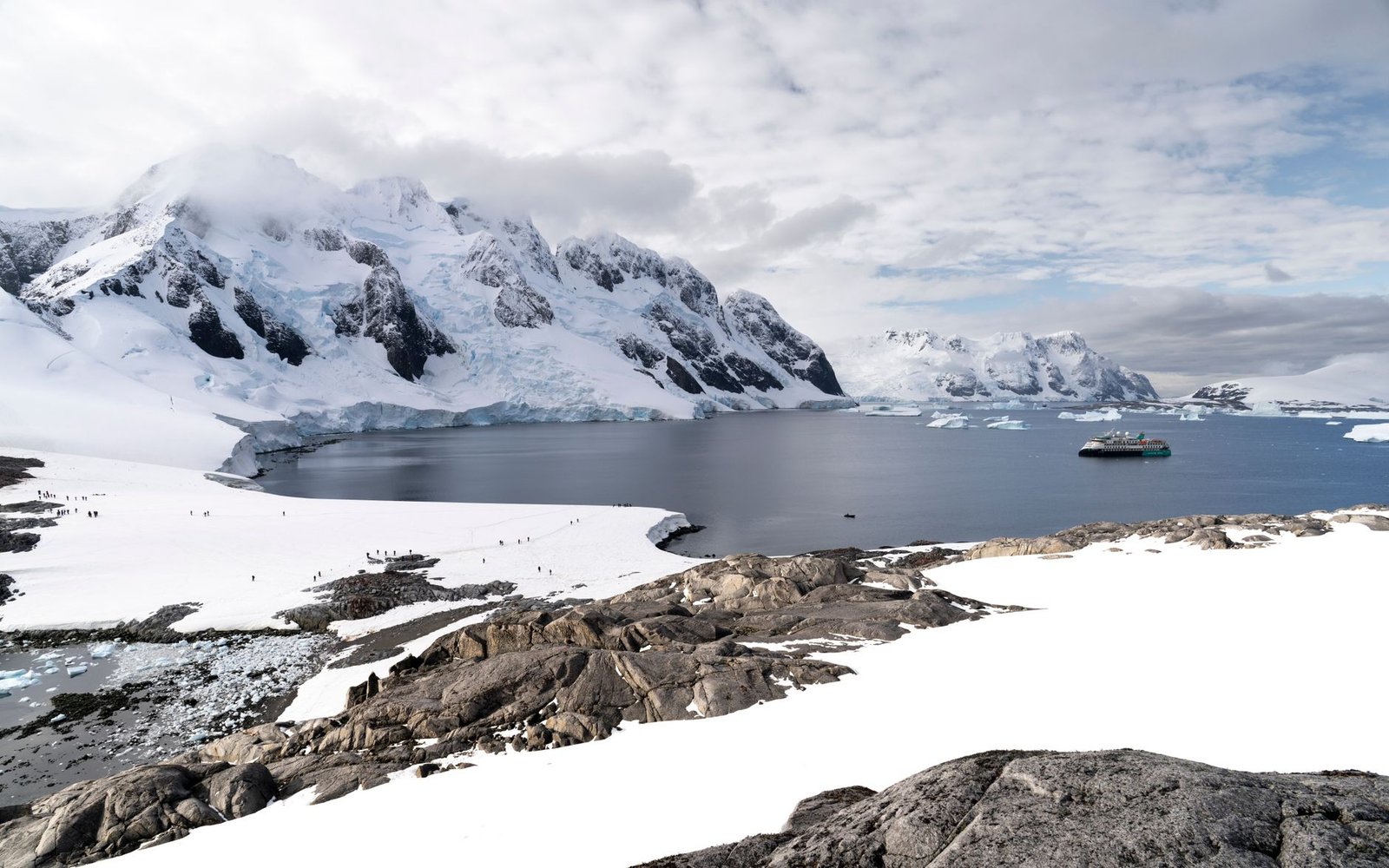
Traveling to Antarctica is unlike any other journey on Earth. The icy continent at the bottom of the globe is one of the most pristine and remote destinations a traveler can experience. Whether you are embarking on a cruise through the Antarctic Peninsula, camping on the ice, or joining a scientific expedition, one thing is certain—preparation is essential. The harsh polar environment demands careful packing that balances warmth, practicality, and safety.
In this guide, you will find a complete and detailed Antarctica packing list that will help you stay comfortable in extreme weather, protect your gear, and ensure your experience is everything it should be—adventurous, safe, and awe inspiring.
Understanding Antarctica’s Climate and Travel Conditions
Antarctica’s weather can shift dramatically within minutes. While the summer months from November to March are the most common times for travel, temperatures rarely rise above freezing and winds can be fierce. You might step off a zodiac boat under bright sun, only to face snowfall and fog an hour later.
Packing for Antarctica is about layering intelligently and choosing materials that perform well in cold moisture heavy conditions. Cotton absorbs water and chills your body quickly, so focus on synthetic fibers, merino wool, and waterproof outer layers. Every item should be selected with purpose to help you adapt quickly when the weather changes.
The Base Layer: Your Foundation for Warmth
Your base layer is critical. This is what keeps your body warm by trapping heat close to your skin and wicking away moisture during physical activity.
Suggested Base Layer Items:
- Thermal Tops and Bottoms: Choose high quality merino wool or synthetic materials that dry quickly and retain warmth even if damp.
- Underwear: Bring multiple pairs made from breathable fabrics that resist odor and wick moisture.
- Thermal Socks: Pack several pairs of mid to heavy weight socks suitable for long days in boots.
Rotating your base layers daily ensures comfort and prevents the buildup of moisture, which can lead to discomfort and blisters.
The Mid Layer: Insulation That Traps Heat
The mid layer provides insulating power between your base layer and outer shell. It should retain warmth but still allow you to move freely.
Recommended Mid Layers:
- Fleece Jackets or Pullovers: Lightweight yet insulating, fleece regulates temperature well.
- Down or Synthetic Insulated Jacket: A compact insulated jacket can be worn under your outer shell for extra warmth during landings.
- Insulated Pants: Soft shell or synthetic down pants are ideal for zodiac cruises or times spent standing on icy ground.
Remember that layering is key. The ability to add or remove pieces as temperatures shift will keep you comfortable all day.
The Outer Layer: Your Shield Against Wind and Moisture
Antarctica’s wind and moisture can be relentless, so your outer layer is your armor. It protects you from icy blasts and ocean spray while keeping your insulating layers dry.
Essential Outer Layers:
- Waterproof Parka: Many expedition companies supply one, but if not, invest in a parka that is both waterproof and windproof with a high collar and adjustable hood.
- Waterproof Pants: Full length pants with side zippers make it easier to put them on over boots.
- Waterproof Gloves or Mittens: Opt for gloves that include removable liners for flexibility. Waterproofing is critical since wet gloves quickly turn icy.
- Neck Gaiter and Balaclava: These protect exposed skin from freezing winds.
Good outerwear is the difference between comfort and misery in the Antarctic elements.
Footwear: Keeping Feet Warm and Dry
Antarctica’s terrain ranges from icy decks on your ship to snow covered landings. Having the right footwear ensures safety and warmth.
Recommended Footwear:
- Rubber Boots: Most operators provide knee high insulated boots for shore excursions, but check before traveling. If not, bring waterproof boots with strong grip.
- Warm Boot Liners: Insulating liners keep feet extra warm during landings.
- Casual Shoes: Comfortable slip resistant shoes for time spent inside the vessel.
- Extra Socks: Always carry spare pairs in a waterproof bag during land trips.
Blister prevention is key. Break in any personal boots before departure and change socks regularly.
Accessories That Make a Big Difference
In Antarctica, small accessories often prove invaluable. These items may not seem essential at first glance but can dramatically improve your experience.
Useful Accessories:
- Polarized Sunglasses or Goggles: Snow and ice reflect intense sunlight, so eye protection is vital.
- UV Blocking Sunscreen and Lip Balm: The ozone is thin here, and sun exposure can be surprisingly strong.
- Warm Hat and Headband: Choose items that cover your ears and fit under a hood.
- Hand and Foot Warmers: Compact heat packs provide comfort on especially cold outings.
- Neck Buff or Scarf: Helps block wind and trap warmth around your face and neck.
Each of these accessories contributes to maintaining body heat and personal comfort in a setting that demands constant adaptability.
Gear and Electronics for the Polar Environment
Photographing Antarctica’s glaciers, wildlife, and dramatic seascapes is often a central part of the journey. Cold conditions can quickly drain batteries and challenge electronic equipment.
Camera and Tech Tips:
- Bring extra batteries and memory cards as cold reduces battery life. Store spares in an inner pocket close to your body warmth.
- Use a waterproof camera bag or dry sack to protect gear from sea spray and snow.
- Bring lens cleaning cloths and silica gel packets to control moisture.
- Consider a lightweight tripod for capturing landscapes and time lapse sequences.
Other essential gear includes reusable water bottles, waterproof backpacks for shore trips, and sturdy dry bags to safeguard personal items.
Personal Care and Health Essentials
When traveling to such a remote environment, healthcare and comfort items become particularly important. While well organized medical support is usually available on expedition cruises, self care is still vital.
Important Items:
- Personal medication in original packaging with clear labeling.
- Seasickness remedies, as waters crossing the Drake Passage can be rough.
- High SPF, broad spectrum sunscreen.
- Moisturizer and lip balm to protect from windburn.
- Basic first aid kit with blister pads, bandages, and antiseptic wipes.
Hydration is critical even in cold climates. Dry air and physical activity can quickly cause dehydration, so keep water handy at all times.
Useful Extras for Daily Comfort
Every traveler develops their own list of comfort items that make long expeditions easier. For Antarctica, a few simple extras can elevate your experience.
Additional Recommendations:
- Binoculars for wildlife spotting.
- Lightweight dry bags for separating wet gear.
- Notebooks or journals to document observations.
- Small snacks like energy bars for shore excursions.
- Compact laundry detergent for freshening essentials during longer trips.
Small touches like these help you feel organized and comfortable while maximizing your focus on the adventure itself.
Conclusion: Focus on Preparedness for a Remarkable Journey
Antarctica is one of the purest frontiers left on Earth, and thorough preparation allows you to experience it safely and fully. Packing thoughtfully will protect you from the elements, make day to day activities smoother, and allow you to focus on the remarkable landscapes and wildlife around you. The key is to layer efficiently, choose waterproof and breathable materials, and avoid unnecessary bulk.
Traveling to this remote continent is a privilege that requires both responsibility and readiness. With the right gear, you will be free to soak in the splendor of towering icebergs, playful penguins, and endless white horizons.
Further Reading
Best Beaches in Southern Europe
Cheapest Countries to Visit in Africa
Travel to Somalia; How I Traveled to Mogadishu
Free Family Things to do in Chicago Today
How to Spend Four Days in Hong Kong