Antarctica Cruise Guide for Beginners
Introduction
There are few destinations on Earth that spark the imagination quite like Antarctica. It is a landscape of absolute extremes, where endless ice fields meet dramatic mountains, and penguin colonies stretch as far as the eye can see. Once reserved for scientists and explorers, this remote continent has become more accessible through carefully regulated expedition cruises. For travelers who dream of witnessing raw wilderness and untouched beauty, an Antarctica cruise offers one of the most transformative travel experiences on the planet.
This guide will walk you through everything a first timer needs to know before setting sail to the southernmost continent. From choosing the right itinerary and cruise operator to understanding what life is like onboard an expedition vessel, this article provides clear, practical, and deeply informed advice to help you plan confidently. Whether you are motivated by photography, wildlife encounters, or sheer adventure, this Antarctica cruise guide will prepare you for an unforgettable journey to the end of the world.
Understanding What an Antarctica Cruise Really Means
An Antarctica cruise is not a typical luxury voyage with umbrella drinks by the pool. It is an expedition in every sense of the word. The experience focuses on exploration and education rather than leisure in the traditional sense.
Unlike standard ocean cruises, these voyages operate under strict environmental regulations set by the Antarctic Treaty System to preserve the fragile ecosystem. Most expeditions depart from Ushuaia, Argentina, which is recognized as the gateway to Antarctica. The journey involves crossing the Drake Passage, one of the most intense but awe inspiring stretches of ocean anywhere on the planet. This crossing can last about two days, and many travelers describe it as a rite of passage that enhances the sense of adventure.
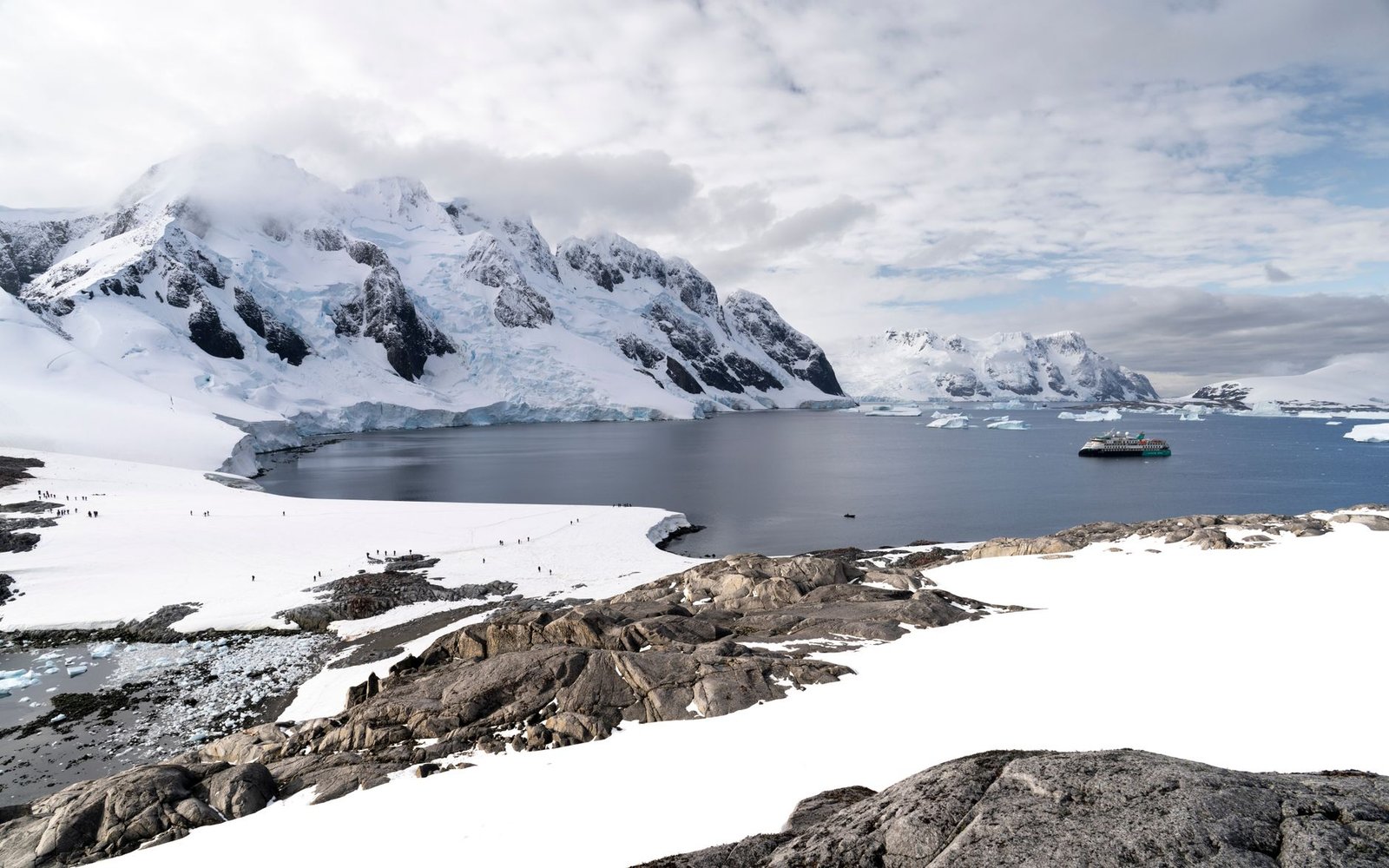
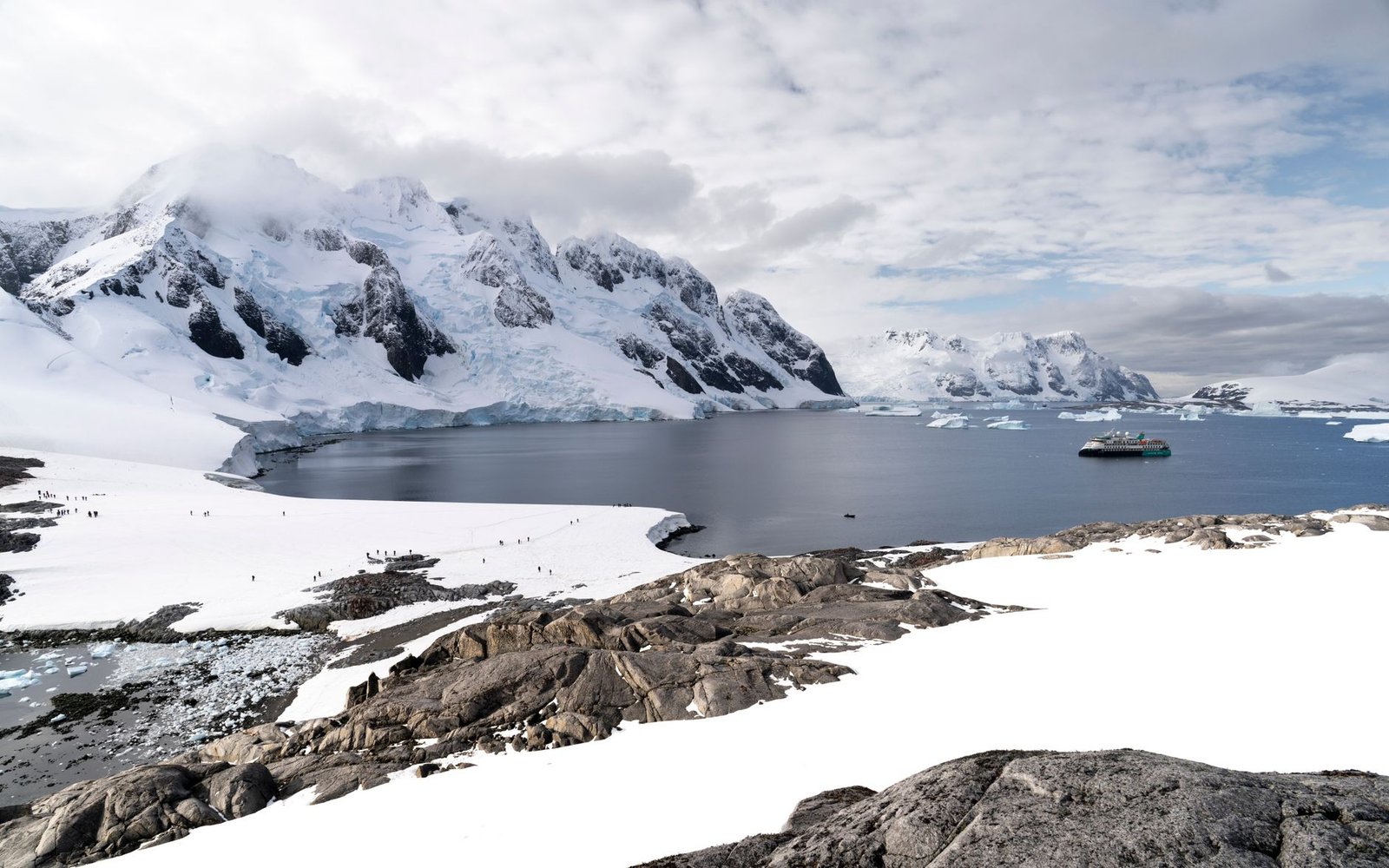
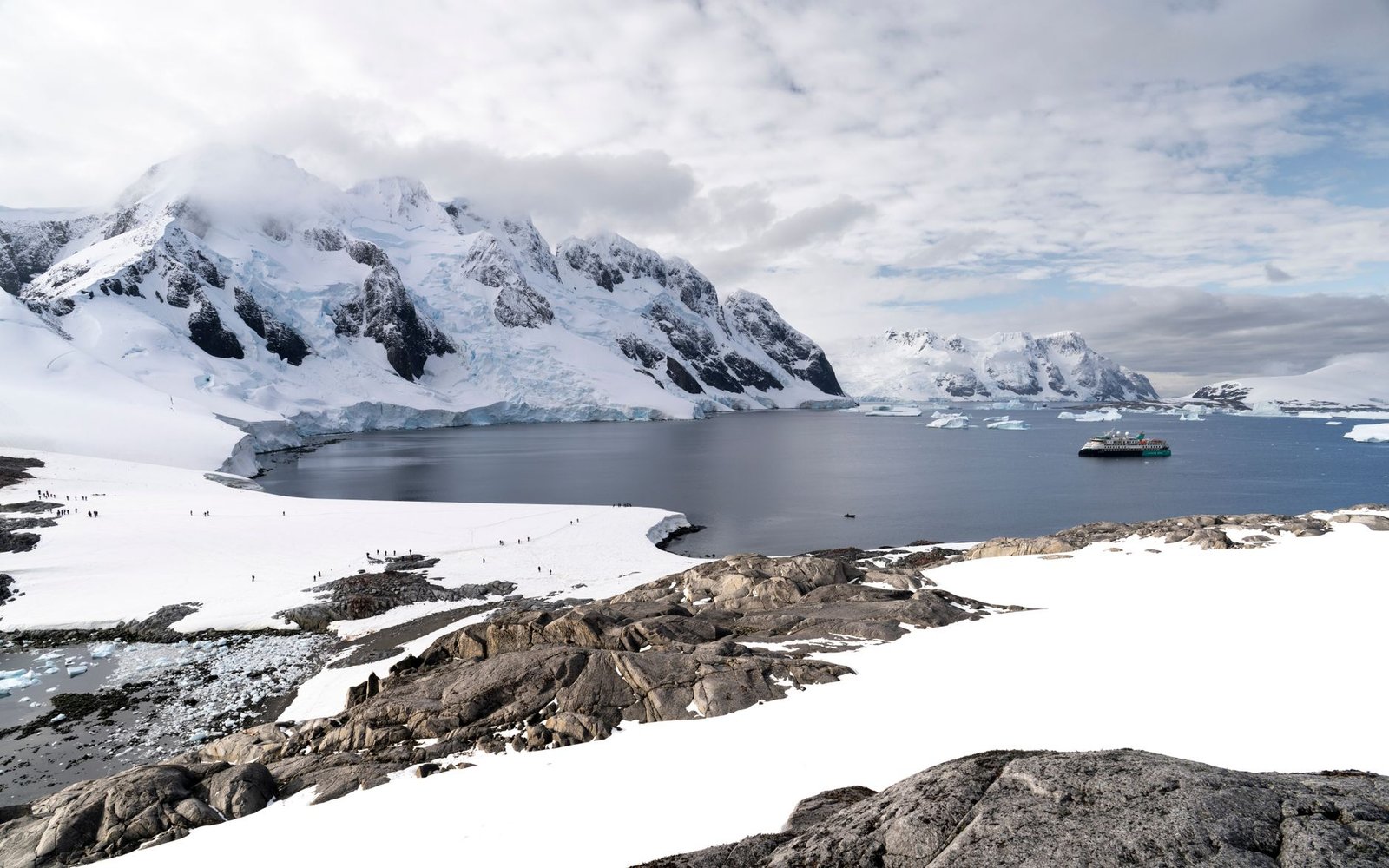
Once you arrive in Antarctic waters, the cruise becomes a daily rhythm of exploration. Zodiac landings allow you to set foot on the continent, visit penguin rookeries, glide past floating icebergs, and sometimes even kayak through silent coves framed by glaciers. Every landing is guided by expert naturalists who explain the region’s wildlife, climate, and history, ensuring that each moment has depth and purpose.
Choosing the Right Cruise
Selecting the right cruise is one of the most important decisions for any Antarctica traveler. The range of itineraries may seem overwhelming at first, but understanding your priorities makes the choice simpler.
Itinerary Length and Route
Most expedition cruises to Antarctica last between 10 and 21 days. Shorter options focus on the Antarctic Peninsula, providing incredible opportunities for wildlife watching and photography. Longer routes may include the Falkland Islands and South Georgia, where you can witness enormous king penguin colonies and historic whaling stations.
For first time visitors, the classic Antarctic Peninsula route offers a perfect balance of adventure and accessibility. It provides vivid landscapes, abundant wildlife, and plenty of time ashore without an excessively long voyage.
Ship Size and Style
Ships range from small expedition vessels carrying under 100 passengers to slightly larger ships hosting a few hundred guests. Smaller ships allow for more frequent landings, as only 100 people are permitted ashore at one time. Larger ships offer more onboard amenities but may have fewer opportunities for intimate exploration.
When choosing, consider your comfort level and travel style. Expedition ships are typically built for stability and toughness rather than pure luxury. Many still offer comfortable cabins, delicious meals, and well equipped lounges for evening lectures. The best operators combine safety, expertise, and respect for the environment.
When to Go to Antarctica
Antarctica is only accessible to travelers during its austral summer, which runs from November through March. Each part of the season offers a unique atmosphere, and understanding these differences will help you plan for the experience that suits your interests best.
- November and early December: The landscape is pristine with untouched snow and brilliant ice sculptures. Penguins begin nesting, making this period ideal for photographers who want sharp light and dramatic contrasts.
- Late December to January: This is the warmest time of the season, with temperatures that can hover just above freezing. Wildlife activity peaks as penguin chicks hatch and seal pups appear. This is also the busiest time for cruises.
- February to March: These months bring more defined melt patterns, revealing rocky coastlines and offering improved whale watching opportunities as pods feed near the surface. Fewer ships sail at this time, creating a more serene environment.
Booking well in advance is essential, as Antarctica cruises often fill a year or more ahead of departure.
What to Expect Onboard
Life aboard an Antarctic expedition ship is a blend of comfort, curiosity, and camaraderie. Days begin early with wake up calls announcing sighted wildlife or the first landing of the day. Guests dress in multiple layers, attend a safety briefing, and then board Zodiacs to head ashore.
Meals onboard are hearty and social, featuring international cuisine served in a dining room with wide windows overlooking the passing ice. Between excursions, passengers attend educational lectures on ecology, geology, and polar history. Experienced guides are always available for discussions, and the atmosphere encourages learning as much as personal reflection.
Evenings can be surprisingly lively, with passengers gathering to share photos and stories from the day’s discoveries. The sense of community onboard is one of the highlights of the experience, as everyone shares a common admiration for the majesty of the polar world.
Wildlife Encounters and Environmental Etiquette
Wildlife viewing is a cornerstone of any Antarctic adventure. You may witness gentoo, chinstrap, and Adélie penguins waddling between nests, elephant seals lazing on ice floes, and humpback whales breaching dramatically alongside the ship.
However, these encounters come with responsibility. Visitors must observe the environmental guidelines enforced by the International Association of Antarctica Tour Operators (IAATO). These include maintaining distance from animals, staying on designated paths, and never leaving any waste behind.
A few essential principles for responsible travel in Antarctica:
- Always follow the instructions of your expedition guides during landings.
- Do not approach or feed wildlife under any circumstance.
- Clean your gear before each landing to avoid introducing foreign materials or microorganisms.
- Respect the silence and tranquility of the environment by minimizing noise.
By practicing mindful tourism, travelers help preserve the untouched purity of Antarctica for future generations.
Packing and Preparation Tips
Packing for Antarctica requires thoughtful planning. The environment is unforgiving, and proper gear makes a crucial difference in comfort and safety.
Essential items to include:
- Base layers and thermal clothing: Start with moisture wicking fabrics that trap heat without bulk.
- Waterproof outerwear: Most cruises provide a parka, but personal waterproof pants and gloves are essential.
- Insulated boots: Sturdy, waterproof boots with good grip are a must for stepping into Zodiacs and walking on icy terrain.
- Accessories: Warm hats, neck gaiters, and polarized sunglasses protect against biting winds and strong sunlight reflected from the snow.
- Photography equipment: A zoom lens and extra batteries will help capture wildlife from a respectful distance. Extreme cold can drain battery life quickly, so keep spares warm inside pockets.
Travelers should also bring personal medications, motion sickness remedies for the Drake Passage, and a small dry bag to protect cameras or documents during landings.
The Emotional Impact of Visiting Antarctica
Many travelers describe returning from Antarctica as a profoundly humbling experience. Standing on the deck surrounded by endless ice and light can shift one’s perspective on nature and the fragility of the planet. The stillness, the patterns of the glaciers, and the sight of penguins unfazed by human presence all inspire a sense of unity with the natural world.
This is not a trip merely to collect photos but an experience that invites reflection. The silence is complete yet full of meaning, reminding every visitor that this wilderness belongs to no one and deserves the utmost respect. The emotional memory of Antarctica often lingers long after the ship returns north.
Conclusion
An Antarctica cruise is not just another entry on a traveler’s bucket list. It is an encounter with one of Earth’s last great frontiers, a journey that combines scientific curiosity, personal adventure, and environmental awareness. For beginners, preparation and realistic expectations are key to turning this dream into an unforgettable reality.
By understanding the logistics, choosing the right cruise, packing adequately, and traveling responsibly, you will be ready to experience Antarctica in the most meaningful and rewarding way possible. The memories you bring home will extend beyond photographs and souvenirs; they will be stories of wonder and connection to our planet’s most pristine wilderness.
Further Reading
Best Beaches in Southern Europe
Cheapest Countries to Visit in Africa
Travel to Somalia; How I Traveled to Mogadishu