Introduction
There are few journeys on Earth that can match the incomparable thrill of sailing to Antarctica. Icy landscapes stretching to infinity, penguins gathering in their millions, and the haunting silence of the polar wilderness leave most travelers speechless. For many, this is the ultimate adventure, often years in the making. Planning such an expedition, though, begins with an important choice that shapes the entire experience: should you explore Antarctica aboard a small expedition vessel or a large cruise ship?
The decision is far from simple. Both types of ships promise extraordinary scenery, expert guidance, and once-in-a-lifetime photo opportunities. Yet the way you travel profoundly affects what you see, how close you get to nature, and what the experience feels like from day to day. In this article, we will break down the advantages and tradeoffs of small and large ship Antarctica cruises. You will learn how each type of voyage operates, what kind of traveler they suit best, what to expect from daily activities, and how factors such as comfort, cost, and environmental impact differ between them.
Understanding Antarctic Cruising Regulations
Before diving into the comparison, it is important to understand one key regulation shaping Antarctic travel. The International Association of Antarctica Tour Operators (IAATO) limits landings to ships carrying fewer than 500 passengers. This means that only smaller vessels are allowed to anchor and send guests ashore using Zodiac boats. Larger cruise ships can sail breathtaking routes through Antarctic waters but their passengers cannot disembark on the continent itself.
This rule is central to deciding what kind of adventure you want. If standing on the icy ground of the White Continent is essential, then you need to be on a ship small enough to comply with landing limits. If seeing the dramatic scenery from the comfort of a grand vessel is enough, larger ships can offer a more luxurious and stable experience.
The Small Ship Experience
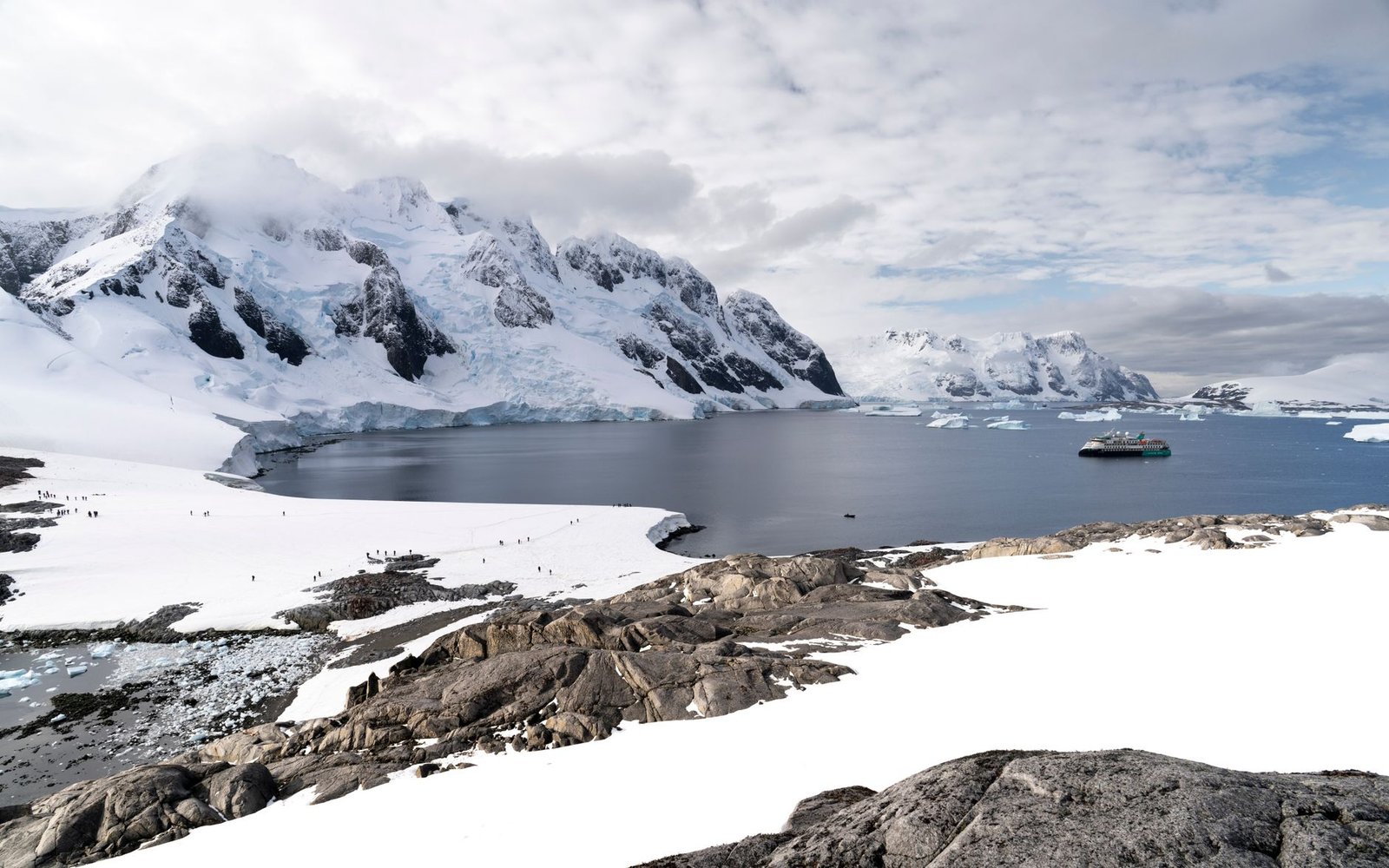
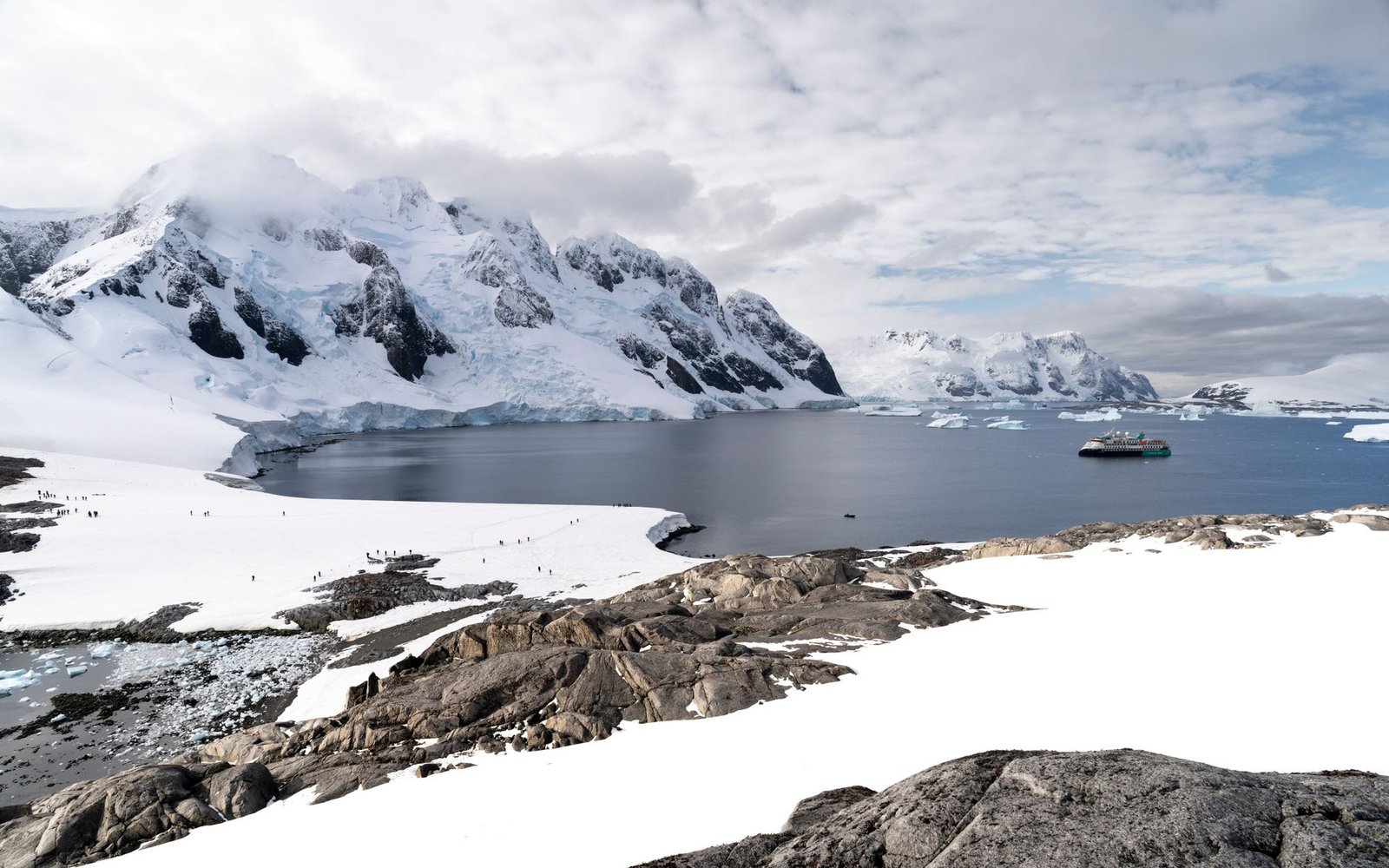
Sailing on a small expedition ship, often carrying between 70 and 200 guests, offers the most intimate and flexible way to encounter Antarctica. These vessels focus on exploration rather than entertainment and prioritize direct engagement with the polar environment.
1. More Landings and Closer Encounters
Smaller groups mean more opportunities to set foot on the continent. IAATO rules allow only 100 people ashore at a time, and with fewer guests onboard, rotation schedules move efficiently. Travelers often enjoy multiple shore excursions in a single day, including visits to penguin rookeries, research stations, and ice-cloaked bays. Zodiac boats, guided by polar experts, can pull up close to seals lounging on ice floes or weave among towering blue icebergs.
2. Flexible Itineraries and True Expedition Spirit
Small ships can adjust routes based on weather, wildlife sightings, or ice conditions. Captains have the freedom to reroute toward a pod of humpback whales or an unexpectedly calm landing site. That sense of spontaneity defines expedition cruising and often leads to moments of pure magic, such as watching orcas hunt from a few meters away.
3. Expert Guidance and Education
Crew members aboard small expedition ships tend to be scientists, naturalists, and photographers deeply familiar with the polar ecosystem. Onboard briefings, lectures, and informal talks give context to every iceberg and colony you encounter. Guests find themselves immersed not only in scenery but in knowledge.
4. Simpler Comforts but Deep Immersion
Cabins are well equipped but less elaborate than on larger cruise ships. Instead of casinos and theaters, evenings may be filled with film screenings, lectures, or simply sharing stories in the lounge. The atmosphere is social and inclusive, and the small group size fosters genuine connections among travelers who share the same passion for exploration.
The Large Ship Experience
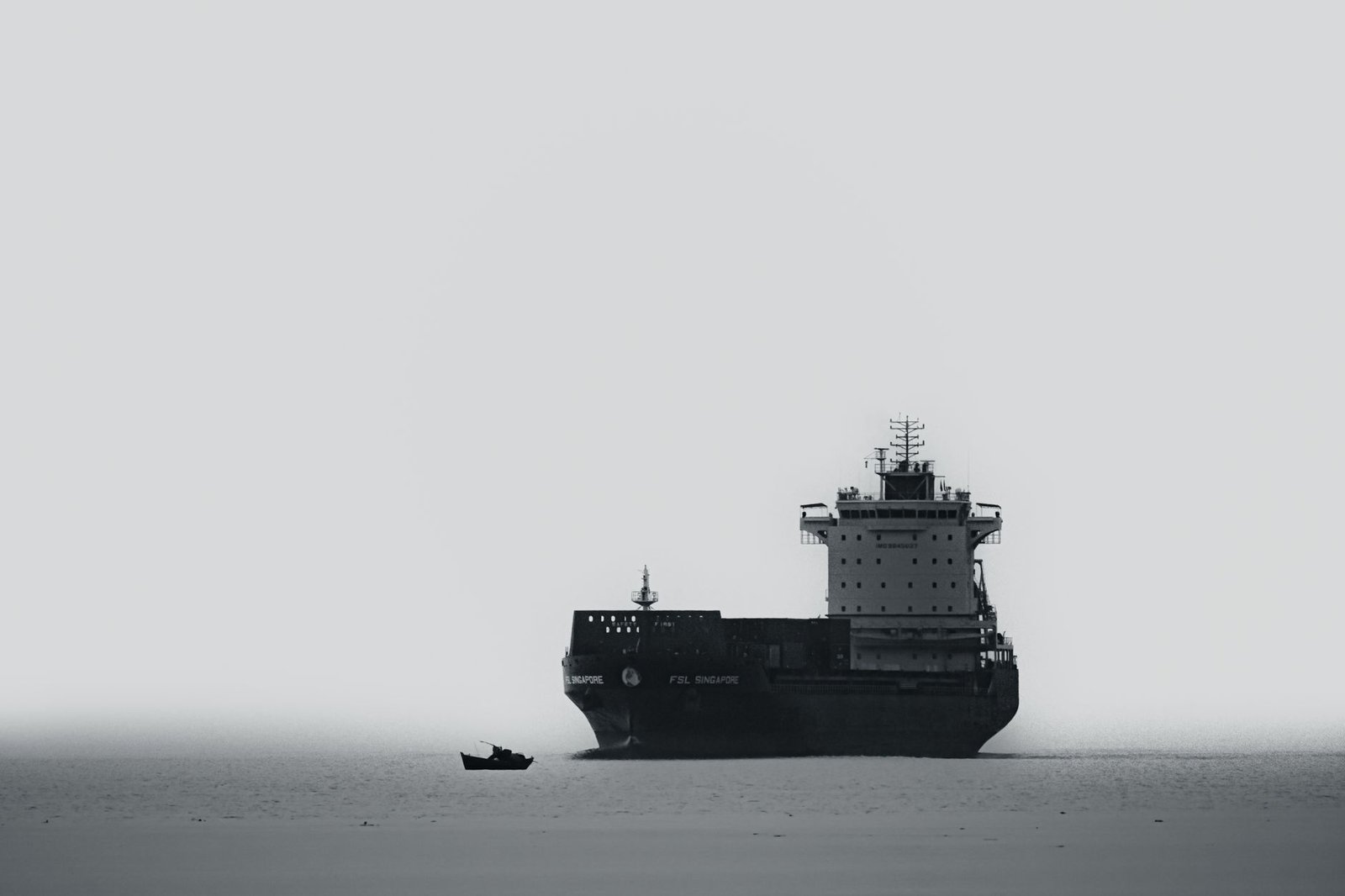
Large cruise vessels visiting Antarctic waters often carry between 500 and 1000 passengers and offer a very different style of travel. Although they cannot make landings, they provide an extraordinary panoramic view of the region and are ideal for travelers seeking comfort without immersing themselves too deeply in expedition activity.
1. Exceptional Comfort and Amenities
Large ships usually feature spacious cabins, multiple dining venues, spas, fitness centers, and a range of entertainment. These voyages resemble traditional ocean cruising, offering luxury and stability even in challenging seas. Travelers who might find long Zodiac rides or frigid wind exposure uncomfortable can still enjoy Antarctica’s grandeur through panoramic observation decks and heated lounges.
2. Scenic Cruising Through Iconic Routes
While you cannot step ashore, large ships navigate through the stunning passages of the Antarctic Peninsula, often cruising near the South Shetland Islands or crossing the fabled Drake Passage. With luck, passengers witness icebergs drifting alongside the ship and pods of whales breaching in the distance. For photographers with good lenses, the views can still be spectacular.
3. Broader Range of Facilities and Medical Support
Larger vessels usually offer more comprehensive medical facilities and multiple dining choices, making them appealing for older travelers or families seeking a smoother experience. They also provide greater stability in rough waters, an important advantage for those prone to seasickness.
4. Limited Access to Wildlife and Shore Activities
The biggest limitation is the absence of landings. You will not feel the crunch of snow under your boots or hear the bray of a penguin from a few feet away. The experience is observational rather than participatory. Many travelers find it awe inspiring but not as intimate as the small ship expeditions.
Comparing the Two Experiences
When considering small versus large ship Antarctica cruises, several factors help clarify which is better suited to your interests and expectations.
Flexibility and Access
Small ships win decisively here. The ability to disembark, hike, kayak, or photograph wildlife up close gives these trips a sense of discovery that large ships cannot replicate.
Comfort and Stability
Large ships offer smoother sailing, spacious public areas, and world class service. They are ideal for travelers who prioritize comfort over exploration depth.
Educational and Environmental Value
Expedition ships provide intensive educational programs delivered by scientists and field experts, while large ships tend to focus more on entertainment. Environmentally, small ships also have a lighter footprint due to their limited passenger numbers and smaller scale operations.
Cost Considerations
Small ship expeditions are generally more expensive per day due to their limited capacity and inclusion of expert guides and specialized equipment. Larger ships may offer lower price points and attractive package options but deliver a more passive form of exploration.
Choosing What Suits You Best
Think carefully about what you hope to experience. If your dream is to physically step onto Antarctica, walk among penguins, and photograph glaciers at eye level, a small expedition vessel is the clear choice. If your goal is to witness the beauty of Antarctica from the comfort of a spacious cruise ship without the rigors of daily landings, a larger vessel may suit your pace and preferences better.
When making your decision, consider:
- Level of physical activity desired – Zodiac rides and landings require mobility and stamina.
- Budget and available time – Smaller ship expeditions cost more but are often more rewarding if you value depth over comfort.
- Tolerance for rough seas – Larger vessels handle the Drake Passage better, while smaller ones may feel more movement.
- Personal priorities – Is it more important to touch the continent or to enjoy luxury amenities while viewing it?
Final Thoughts
A journey to Antarctica is unlike any other trip on Earth. Whether you choose a small expedition ship or a large cruise liner, you will encounter landscapes so pristine and powerful they redefine the meaning of solitude. The key is aligning your personal travel style with the right vessel so that your Antarctic dream becomes both comfortable and unforgettable.
For those seeking raw adventure, intimate wildlife encounters, and genuine immersion, small ship cruises represent the purest form of exploration. For those who value comfort, ease, and panoramic beauty without the physical demands, large ship voyages deliver an elegant and memorable experience. Either way, the icy world at the end of the Earth will reward you with memories that will last a lifetime.
Further Reading
Best Beaches in Southern Europe
Cheapest Countries to Visit in Africa
Travel to Somalia; How I Traveled to Mogadishu
Free Family Things to do in Chicago Today
How to Spend Four Days in Hong Kong