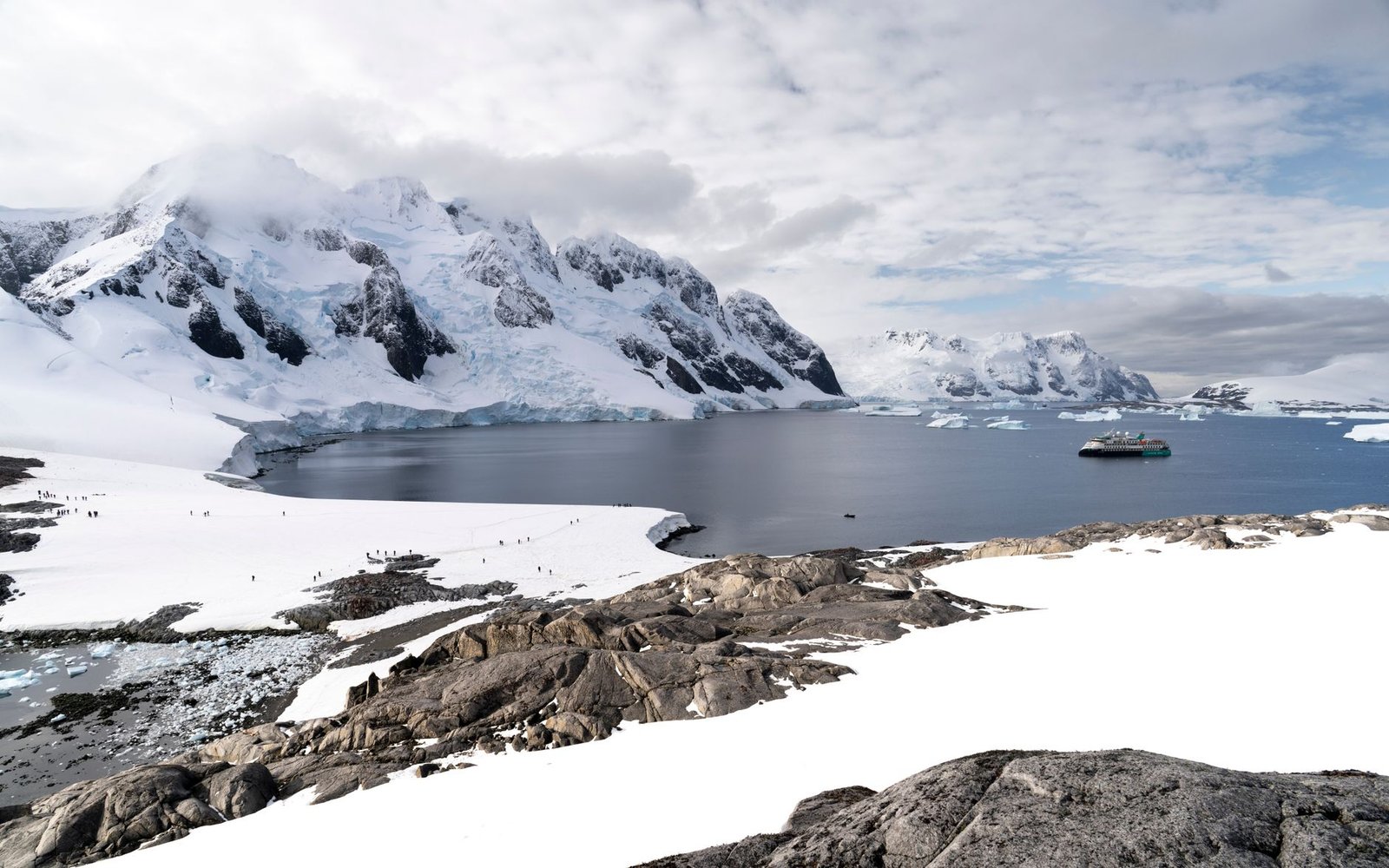
The Call of the White Continent
Few journeys on Earth evoke as much wonder and anticipation as a voyage to Antarctica. The southernmost continent feels like another planet entirely, with vast frozen landscapes, dramatic glaciers, and wildlife that seems almost mythical in its abundance. Penguins march along icy shores, humpback whales breach in steel-blue seas, and colossal icebergs drift silently past your ship.
Antarctica is not an easy place to reach, which makes it even more alluring. Planning a cruise there involves more than just picking a departure date. You must choose the right route, understand what you will see along the way, and decide how much time to commit to this once-in-a-lifetime adventure.
This article dives deep into the best cruise routes to Antarctica, explaining their unique highlights, travel logistics, ideal visitor profiles, and what to expect from each. By the end, you will have a clear understanding of which itinerary matches your sense of adventure, budget, and travel dreams.
Understanding the Gateway to Antarctica
Before exploring specific routes, it helps to know how travelers actually reach the White Continent. The majority of Antarctic cruises start from the southern edges of South America, with Ushuaia in Argentina being the most common embarkation point. Other departures may occur from Punta Arenas in Chile or, more rarely, New Zealand and Australia.
There are generally two approaches to get to Antarctica:
- Ocean crossing via the Drake Passage: This traditional route involves sailing roughly 600 miles across open water from South America to the Antarctic Peninsula. It is legendary for its rolling seas and the sense of accomplishment it brings.
- Fly and cruise itineraries: Some travelers choose to fly over the Drake Passage, landing directly on King George Island to meet their ship. This significantly shortens travel time and avoids potential seasickness.
The Classic Antarctic Peninsula Route
The Antarctic Peninsula is by far the most popular and accessible part of the continent for cruise travelers. Most itineraries last between 10 and 14 days, round trip from Ushuaia.
What to Expect:
This route offers a quintessential polar experience. After crossing the Drake Passage, ships reach a stunning world of icy bays and rocky outcrops where penguin colonies thrive. Towers of blue ice stretch high above the water, seals nap on floating floes, and towering mountains rise behind a white horizon.
Highlights of the Antarctic Peninsula route include:
- Deception Island: An active volcanic caldera where you can step inside a collapsed volcano and sometimes even swim in thermally warmed waters.
- Neko Harbour and Paradise Bay: These scenic harbors are framed by glaciers and are among the few places where visitors can actually set foot on the continental mainland.
- Lemaire Channel: A narrow passage flanked by cliffs and glaciers, often referred to as one of the most photogenic routes on Earth.
Who this route suits best:
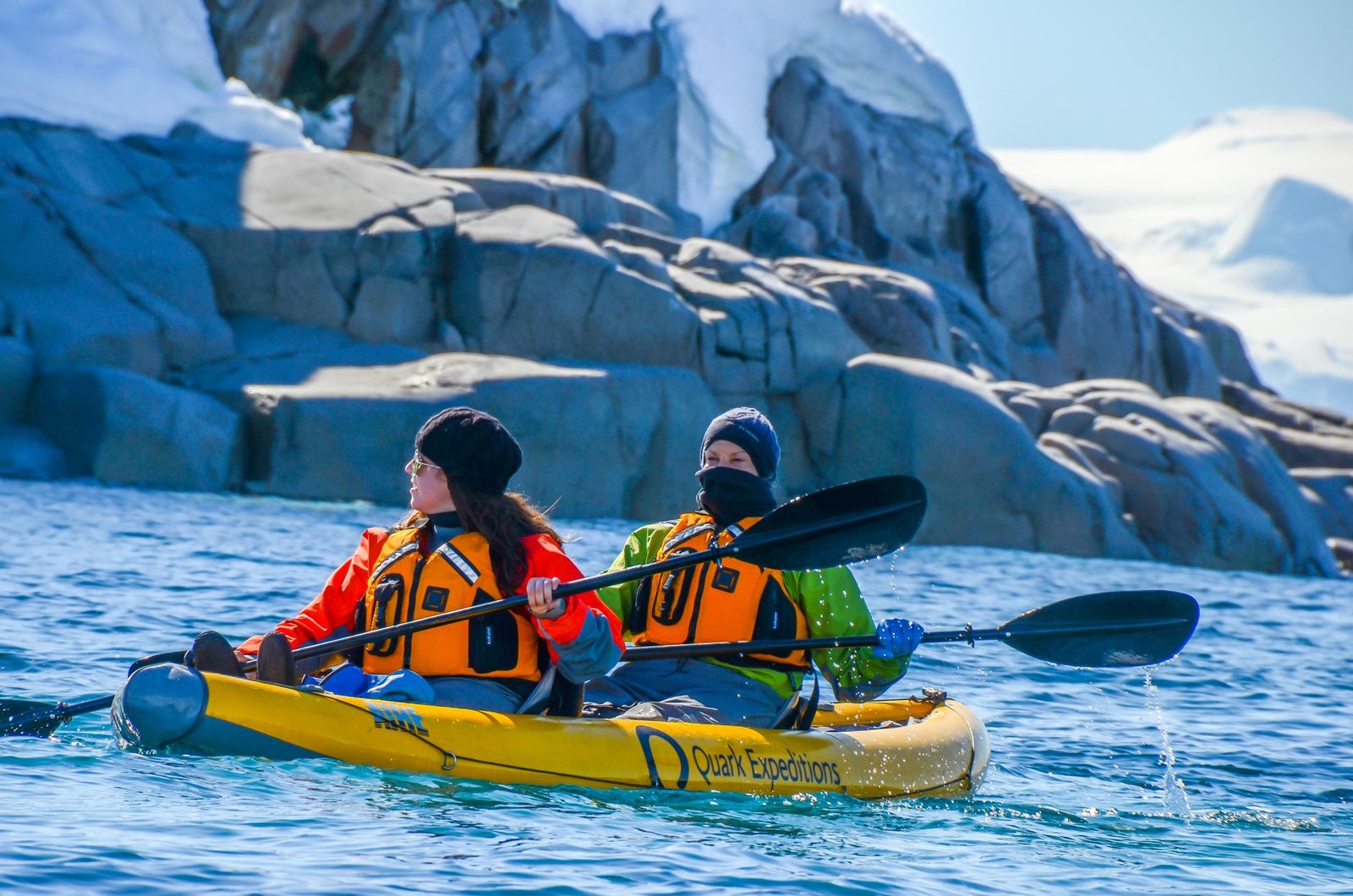
Travelers seeking their first Antarctic adventure, wildlife enthusiasts, photographers, and those who value a balance between comfort and exploration will find the Peninsula itinerary ideal. Most expedition ships on this route also include kayaking, zodiac landings, and expert-led lectures about polar science and history.
South Georgia and the Falkland Islands Route
For travelers with a deeper sense of exploration and more time available, cruises to South Georgia and the Falkland Islands offer some of the most rewarding wildlife experiences on Earth. These trips usually run 18 to 22 days and are offered on ships departing from Ushuaia or occasionally from Montevideo.
What makes this route special:
South Georgia is a wildlife paradise that feels straight out of nature documentaries. The island is home to immense king penguin colonies that stretch for miles, elephant seals that roar along rugged beaches, and albatrosses that glide effortlessly through polar winds. At the same time, the island holds rich human history; it was here that explorer Ernest Shackleton is buried in Grytviken.
Typical highlights include:
- The Falkland Islands: A collection of remote islands teeming with birdlife, including albatross, cormorants, and several penguin species.
- South Georgia Island: Towering mountains, vast glaciers, and beaches alive with millions of fur seals during breeding season.
- Crossing to the Antarctic Peninsula: After exploring the sub-Antarctic islands, ships continue to the Peninsula for a complete polar experience.
Who this route suits best:
This cruise is perfect for travelers who appreciate a combination of wildlife and history. It is longer, more expensive, and more remote than the standard Peninsula cruise, but it delivers one of the most comprehensive and unforgettable nature voyages available anywhere in the world.
The Antarctic Circle Route
Crossing the Antarctic Circle is an achievement that few travelers can claim. Cruises that reach this far south generally last about 14 to 16 days and venture deeper into the polar environment than most others.
Experience beyond the ordinary:
While the wildlife thins out slightly due to the harsher conditions, the reward is the feeling of genuine exploration. Ships often reach as far as 66 degrees south latitude, navigating through pack ice and visiting rarely seen research stations or remote islands. The landscapes are more extreme, with immense ice fields and surreal light conditions that photographers adore.
Route highlights may include:
- Detaille Island: Known for its historic British research base, now preserved as a museum-like time capsule.
- Crystal Sound and Marguerite Bay: Remote water passages where few ships venture but the scenery is breathtaking in its purity.
Who this route suits best:
Ideal for adventure travelers, repeat visitors to Antarctica, or those seeking an expeditionary experience with a strong sense of personal achievement. It is also perfect for photographers and polar researchers who value less-visited regions.
Routes from New Zealand and Australia
Much rarer but highly prized are itineraries that cross the Southern Ocean from New Zealand or Australia to reach the eastern side of Antarctica. These departures are longer, typically lasting 25 to 35 days, and appeal to seasoned explorers and geography enthusiasts.
What makes these journeys unique:
These cruises often visit legendary sites tied to early Antarctic exploration, such as the Ross Ice Shelf or Shackleton’s and Scott’s historic huts. Wildlife sightings can include the elusive emperor penguin and massive tabular icebergs that seem as large as cities.
Common highlights include:
- The Ross Sea: A remote and scientifically significant region protected as a marine reserve.
- Macquarie Island: A UNESCO World Heritage site and breeding ground for four species of penguins.
- Campbell Island and the Sub-Antarctic Islands: Remote ecosystems filled with rare flora and endemic bird species.
Who this route suits best:
Only a few operators offer these voyages, and they are ideal for travelers with ample time and a strong passion for discovery. They often attract naturalists, historians, and those who have already explored the more accessible Antarctic Peninsula and want something truly exceptional.
Choosing the Right Antarctic Cruise Route for You
When selecting your Antarctic cruise, consider the following factors carefully:
- Duration: Standard Peninsula routes typically last 10 to 12 days, while extended itineraries to South Georgia or the Ross Sea can double that length.
- Budget: Costs vary widely depending on route, cabin type, and vessel size. Consider that longer journeys and smaller expedition ships tend to cost more.
- Interests: Wildlife viewing, photography, adventure sports, or historic sites all influence the best route choice for you.
- Time tolerance for sea travel: The Drake Passage can be an exhilarating challenge or a discomfort to endure. Choosing a fly-cruise can solve this if sea conditions worry you.
Doing research, speaking with polar travel specialists, and comparing different operators will ensure you choose a route that matches your expectations and travel style.
Final Thoughts
A voyage to Antarctica is not merely a trip—it is an expedition that redefines what travel means. Each route offers a different perspective of the planet’s most pristine wilderness, whether you are standing among hundreds of thousands of penguins on South Georgia, gliding past icebergs in the Lemaire Channel, or crossing the Antarctic Circle under the midnight sun.
Whichever path you choose, visiting the White Continent will leave you with an enduring sense of awe and a profound respect for nature’s grandeur. With proper planning, an Antarctic cruise is not just a journey to the ends of the Earth but an experience that will stay with you for a lifetime.
Further Reading
Best Beaches in Southern Europe
Cheapest Countries to Visit in Africa
Travel to Somalia; How I Traveled to Mogadishu
Free Family Things to do in Chicago Today
How to Spend Four Days in Hong Kong