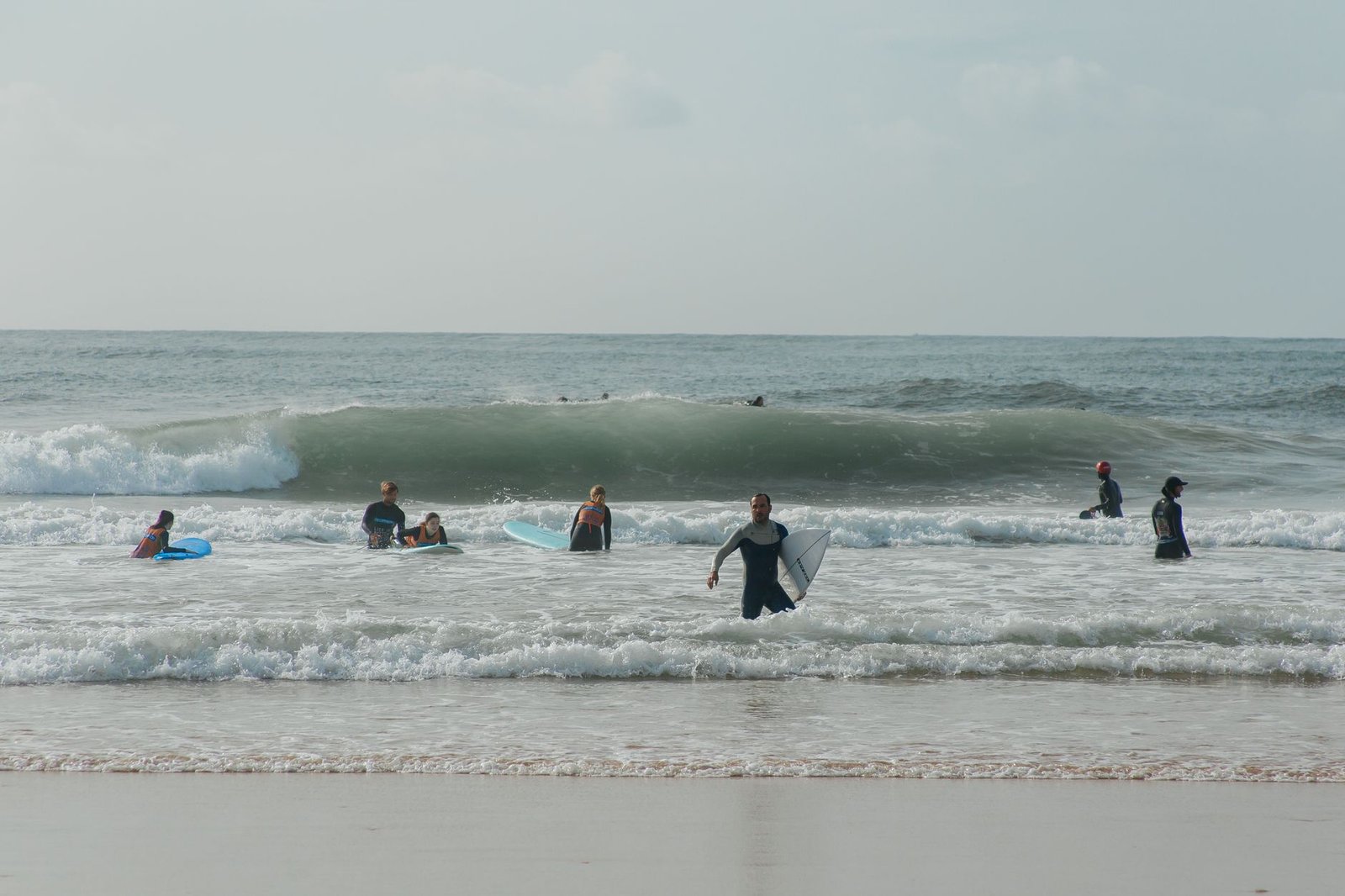
Surfing in Australia: Beginner Guide
Surfing in Australia: Beginner Guide
Introduction
There are few travel experiences as thrilling and authentically Australian as catching your first wave on one of the country’s pristine beaches. The image of surfers gliding effortlessly across turquoise water is more than just a postcard scene; it is a part of Australia’s national identity. For many travelers, surfing here is not just a sport but a way of connecting with the coast, the environment, and the laid-back culture that defines the nation.
If you have always dreamed of trying surfing but never quite found where to begin, this guide is for you. In the following sections, we will explore what makes Australia a world-class surfing destination, how to choose the right location for beginners, what gear you’ll need, where to learn safely, and what to expect from your first surf lesson. You’ll also gain insight into surfing etiquette, ocean safety, and practical travel tips that will help you plan your surfing adventure with confidence.
Why Australia is the Ultimate Surfing Destination
With almost 60,000 kilometers of coastline touching every corner of the continent, Australia has waves for every level of surfer. The diversity of beaches, swells, and surf cultures is unmatched. From Queensland’s warm tropical waters to Western Australia’s rugged swells, each region offers a different atmosphere and challenge.
- Consistency of Waves: Australia’s geography and exposure to multiple ocean systems ensure consistent surf conditions year-round. Whether it’s the Pacific, the Indian, or the Southern Ocean, each brings its own rhythm of waves.
- Access and Infrastructure: Many great surf spots are within an easy drive from major cities like Sydney, Brisbane, and Melbourne. Surf schools, gear rentals, and beach facilities are abundant and well managed.
- Surf Culture: Local surf clubs, coastal cafes, and boardwalks buzz with a sense of camaraderie that welcomes beginners. Surfing here is as much about community and lifestyle as it is about skill.
Understanding these fundamentals helps you see why Australia is often considered the best classroom a beginner could ask for.
Choosing the Right Beach for Beginners
The right beach can make all the difference when you are learning to surf. You need gentle waves, soft sandy bottoms, minimal crowds, and professional support available nearby. The following beaches are known across Australia for their beginner-friendly conditions.
Bondi Beach, New South Wales
Bondi is iconic for good reason. The waves near the northern end of the beach are soft and forgiving, perfect for your first attempts. Numerous surf schools operate daily lessons, equipment rentals are easy to find, and you can reward yourself with a coffee overlooking the ocean afterward.
Noosa Heads, Queensland
A paradise for longboarders and beginners, Noosa offers calm, rolling waves that break slowly, giving learners plenty of time to find their balance. The surrounding National Park adds scenic beauty and wildlife encounters you won’t forget.
Torquay, Victoria
Known as the gateway to the Great Ocean Road, Torquay has surf spots suitable for all levels. Beginners can start at Fisherman’s Beach before watching the professionals at Bells Beach nearby. It’s also the home of major surf brands and a perfect town to immerse yourself in surf culture.
Byron Bay, New South Wales
Byron Bay’s Main Beach and The Pass provide gentle, beginner-friendly waves paired with a relaxed coastal atmosphere. You’ll find experienced instructors, eco-friendly surf schools, and a vibrant community that values the ocean deeply.
Each of these beaches offers safe learning environments, qualified instructors, and well-maintained facilities, making them perfect starting points for your surfing journey.
Essential Gear for First-Time Surfers
Learning to surf is easier and safer when you have the right equipment. You do not need to buy everything at once, but understanding what you are using helps you get the most out of your lessons.
- Surfboard: Beginners usually start on a soft-top foam board that provides stability and safety. These boards are forgiving during falls and wide enough to help you balance.
- Wetsuit or Rash Vest: The Australian sun can be intense, and waters vary in temperature by region. A wetsuit keeps you warm and protected, while a rash vest guards against irritation caused by wax and sun exposure.
- Leash: This cord attaches your ankle to your board so it doesn’t drift away after a wipeout. It’s an essential safety item.
- Wax or Traction Pad: Wax gives grip under your feet, preventing slips. Surf schools will usually provide pre-waxed boards.
- Sunscreen and Hat: Always use ocean-safe sunscreen and protect your skin both during and after your surf session.
Renting this equipment from a local surf shop is recommended for beginners. Once you start improving, you can invest in your own board and wetsuit suited to your body type and style.
Learning to Surf: What to Expect
A beginner surf lesson in Australia generally lasts one to two hours and focuses on safety, technique, and practice in manageable conditions. Here’s what you can expect:
- Beach Instruction: You’ll begin on the sand learning how to lie, paddle, and pop up on your board. The instructor will outline surf safety rules, reading waves, and avoiding rips.
- Entering the Water: Once comfortable, you move into shallow water where small whitewash waves roll in. The instructor helps you position your board and push into waves to practice balance.
- Standing Up: The highlight of every first lesson is attempting your first stand. Even short rides bring an enormous sense of achievement.
- Reflection and Tips: After your session, instructors review your experience, suggest improvements, and offer advice for independent practice.
Remember that progress takes time. Learning to surf is not only physical but mental, requiring patience and persistence. In Australia, instructors emphasize ocean awareness and respect for nature as much as surfing technique.
Understanding Surf Safety and Etiquette
Respect for safety and surf etiquette ensures that everyone enjoys their time in the water responsibly. These principles are central to Australian coastal life.
- Know the Flags: Swim and surf between the red and yellow flags where lifeguards patrol. These zones are the safest areas with controlled conditions.
- Check the Conditions: Always review surf forecasts, tide charts, and local signs before entering the water. If conditions look rough or unfamiliar, sit it out.
- The Right of Way: The surfer closest to the peak of the wave has priority. Avoid dropping in front of another surfer’s ride.
- Respect Local Surfers: Every break has its regular crowd. Be polite, share waves, and maintain a friendly attitude.
- Protect the Ocean: Dispose of litter correctly and consider sunscreen that won’t harm marine life.
Australia’s surf communities strongly value these guidelines, and following them will help you integrate smoothly into local lineups.
Practical Travel Tips for Your Surf Adventure
Surfing in Australia can easily become a highlight of your trip when planned well. Keep these travel insights in mind:
- Best Seasons: On the east coast, summer and autumn bring ideal conditions for beginners with warmer waters and gentler swells. In Western Australia, spring and summer are better suited to learners.
- Accommodation Options: Beachside hostels, surf camps, and coastal resorts often offer package deals including surf lessons. Staying nearby allows you to practice more frequently.
- Transportation: Renting a car or camper van gives you flexibility to explore different beaches. Many surf schools also arrange transfers.
- Cultural Immersion: Join local surf events or markets to connect with the community. Enjoy the post-surf ritual of fish and chips at a seaside cafe as locals do.
These touches make your trip memorable beyond the lessons in the water.
Conclusion
Surfing in Australia is much more than a sport; it is an initiation into a culture deeply connected to nature, freedom, and community. As a beginner, you could not choose a more supportive environment. From the golden sands of Byron Bay to the inviting waves of Bondi, Australia welcomes learners with open arms and steady swells.
With the right beach, proper gear, and an understanding of ocean safety, that first ride will come sooner than you expect. Every time you paddle out, you’ll gain confidence, strength, and appreciation for the sea that Australians cherish so deeply. Whether you are traveling for a week or several months, surfing will leave you with memories that last a lifetime.
Further Reading
China Visa Guide for Tourists
5 Day Rome Itinerary with Must See Attractions
Travel to Somalia; How I Traveled to Mogadishu
Free Family Things to do in Chicago Today
How to Spend Four Days in Hong Kong
Visa rules, prices and opening times change. Always confirm details with official sources before you travel.