Your Essential Southern Africa Safari Guide: Tips and Insights
Explore our Southern Africa safari guide for practical tips, must-visit parks, and expert advice to enhance your adventure in the wild.
Embarking on a safari in Southern Africa offers an unparalleled opportunity to experience wildlife in its natural habitat. The region is home to some of the world’s most renowned national parks and reserves, making it an ideal destination for nature lovers and adventure seekers alike. From the vast savannas of Kruger National Park in South Africa to the lush wetlands of the Okavango Delta in Botswana, each area provides unique landscapes and diverse wildlife.
This guide is designed to equip you with essential information about planning your safari in Southern Africa. We’ll cover the best times to visit, the must-see parks, practical tips for your journey, and insights into the costs involved. Whether you’re a first-time traveler or a seasoned safari-goer, our guide will help you navigate the myriad options available.
With proper planning, your safari can be a seamless and unforgettable experience. The combination of breathtaking scenery, thrilling wildlife encounters, and the chance to learn about conservation efforts makes Southern Africa a premier safari destination.
Best National Parks for Safari in Southern Africa
Southern Africa boasts numerous national parks and game reserves, each offering its own unique experience. Here are some of the top destinations:
- Kruger National Park, South Africa: One of Africa’s largest game reserves, Kruger is famous for its incredible biodiversity. Here, you can find the Big Five: lions, leopards, rhinoceroses, elephants, and Cape buffalo. The park offers various accommodation options, from luxury lodges to budget campsites, making it accessible for all types of travelers.
- Okavango Delta, Botswana: A UNESCO World Heritage site, the Okavango Delta is known for its unique ecosystem. The delta floods seasonally, attracting a plethora of wildlife. Visitors can explore this watery paradise by traditional mokoro (dugout canoe) or on foot, experiencing the bush from a different perspective.
- Etosha National Park, Namibia: Etosha is characterized by its large salt pan, which attracts wildlife during the dry season. The park is home to a variety of species, including elephants, giraffes, and numerous bird species. The waterholes around the pan provide excellent opportunities for wildlife viewing.
Additional Notable Parks
- Addo Elephant National Park, South Africa: Renowned for its elephant population, Addo also offers a chance to see the Big Seven, which includes the southern right whale and great white shark.
- Hwange National Park, Zimbabwe: Known for its large elephant herds, Hwange is one of the largest parks in Zimbabwe and offers a less commercialized safari experience.
- Chobe National Park, Botswana: Famous for its massive elephant population, Chobe also offers boat safaris along the Chobe River, providing a unique vantage point for wildlife viewing.

Best Time to Visit Southern Africa for Safari
The timing of your safari can significantly impact your experience. Here’s a breakdown of when to visit:
- Dry Season (May to October): This is generally considered the best time for wildlife viewing, as animals congregate around water sources, making them easier to spot. The weather is cooler and less humid, perfect for outdoor activities.
- Shoulder Seasons (April and November): These months can offer excellent wildlife viewing as well, with fewer crowds and more affordable accommodation options. The landscapes are also lush and green following the rains, enhancing the beauty of the parks.
- Wet Season (December to March): While wildlife viewing can be more challenging during this time due to dense vegetation, it is the best season for birdwatching and witnessing the birth of many animals. The landscapes are incredibly vibrant, offering stunning photographic opportunities.
Weather Considerations
Weather patterns can vary significantly across Southern Africa. For example:
- In Kruger National Park, daytime temperatures can soar during the dry season, while nights can be quite cool.
- The Okavango Delta experiences high humidity and rain during the wet season, so be prepared for sudden downpours.
- In Namibia, the climate is generally dry, with significant temperature fluctuations between day and night.
Planning Your Safari Itinerary
Creating a well-structured itinerary is crucial for maximizing your safari experience. Here are some tips to consider:
- Duration: Depending on your interests and budget, a typical safari can range from a weekend getaway to a two-week adventure. A week is often ideal for visiting 2-3 parks.
- Transportation: Decide whether to self-drive or book guided tours. Self-driving gives you flexibility, but guided tours often provide valuable insights and access to remote areas.
- Accommodation: Consider a mix of lodges and campsites to experience both luxury and the thrill of camping under the stars. Ensure to book in advance, especially during peak seasons.
Sample Itinerary
Here’s a sample 7-day itinerary for a safari in Southern Africa:
- Day 1: Arrive in Johannesburg, overnight in a hotel.
- Day 2-3: Drive or fly to Kruger National Park, spend two days on safaris.
- Day 4: Travel to the Panorama Route, explore Blyde River Canyon.
- Day 5-6: Fly to Cape Town, enjoy city sights and Table Mountain.
- Day 7: Return to Johannesburg for departure.

Costs Involved in a Safari
The costs associated with a safari can vary widely based on several factors. Here’s a breakdown of potential expenses:
- Park Entry Fees: Most national parks charge daily entry fees, which can range from $10 to $30 per person, depending on the park.
- Accommodation: Prices can vary greatly, from budget campsites at around $15 per night to luxury lodges that may cost $500 or more per night.
- Guided Tours: Prices for guided safaris can range from $100 to $300 per person per day, depending on the inclusions and the type of experience.
- Food and Drinks: Budget for meals, which can be included in lodge packages or range from $10 to $50 per day if dining out.
Example Cost Breakdown
| Expense Type | Estimated Cost (USD) |
|---|---|
| Park Entry Fees | $10 – $30 |
| Accommodation | $15 – $500 |
| Guided Safari Tour | $100 – $300 |
| Food and Drinks | $10 – $50 |

Health and Safety Considerations
While safaris are generally safe, it’s important to take precautions to protect your health and ensure a safe experience. Here are key points to consider:
- Vaccinations: Consult a healthcare provider regarding necessary vaccinations and medications, such as those for yellow fever and malaria, based on the regions you will visit.
- Travel Insurance: It’s advisable to have comprehensive travel insurance that includes coverage for medical emergencies and cancellations.
- Wildlife Safety: Always follow the guidance of your tour guide and maintain a safe distance from wildlife. Avoid approaching animals, especially on foot.
Emergency Contacts
Have a list of emergency contacts, including:
- Your country’s embassy or consulate in the region.
- Local hospitals or medical facilities in the areas you plan to visit.
- Your safari company’s contact information for assistance.
Choosing the Right Safari Experience
Types of Safaris
Southern Africa offers a variety of safari experiences, each tailored to different preferences and adventure levels. Understanding these options can significantly enhance your trip. Here are some popular types of safaris:
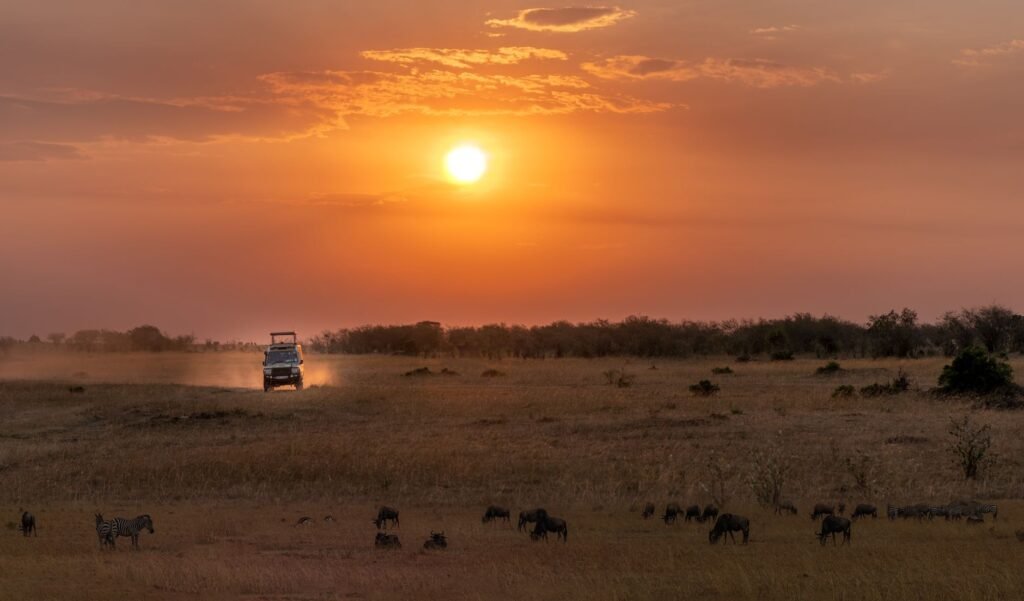
- Game Drive Safaris: These are the most common, where you ride in a vehicle led by a guide. They are perfect for those who want to cover more ground and maximize wildlife sightings.
- Walking Safaris: Ideal for the adventurous, walking safaris allow you to explore the bush on foot, giving a deeper insight into the ecosystem and wildlife behavior.
- Boat Safaris: In areas like the Okavango Delta, boat safaris provide a unique perspective on wildlife and allow for close encounters with aquatic animals.
- Luxury Safaris: For those looking for comfort, luxury safaris offer high-end lodges and gourmet meals, along with exclusive wildlife experiences.
- Self-Drive Safaris: If you prefer flexibility, self-drive safaris allow you to navigate parks at your own pace, offering a more personal adventure.
Choosing a Safari Operator
Selecting the right safari operator is crucial for a successful trip. It’s essential to conduct thorough research and consider the following factors:
- Reputation: Look for reviews on platforms like TripAdvisor or social media to gauge previous travelers’ experiences.
- Expertise: Ensure the operator has knowledgeable guides who are well-versed in the local wildlife and ecosystems.
- Group Size: Smaller groups often offer a more personalized experience, allowing for better wildlife sightings and interaction with your guide.
- Safety Standards: Confirm that the operator adheres to safety protocols and has measures in place to ensure your well-being during the safari.
What to Expect on Your Safari
Understanding what to expect during your safari can help you better prepare for the experience. Safaris can vary widely depending on the type and operator, but here are some common elements:
- Wildlife Viewing: Expect to see a variety of wildlife, including the Big Five (lion, leopard, elephant, rhinoceros, and buffalo) and numerous other species.
- Guided Tours: Most safaris include knowledgeable guides who will provide insights about the local flora and fauna, enhancing your understanding of the environment.
- Photography Opportunities: Bring a good camera, as safaris offer numerous chances for stunning wildlife photography, especially during early morning and late afternoon light.
- Campfires and Stargazing: Many safari lodges host evening activities, such as campfires and stargazing, allowing you to unwind and enjoy the night sky.
Wildlife Conservation and Ethical Considerations
The Role of Responsible Tourism
Wildlife conservation is a pressing issue in Southern Africa, and tourists can play a significant role in supporting sustainable practices. Responsible tourism aims to minimize the negative impacts of tourism while promoting conservation efforts. Here are several ways you can contribute:
- Choose Eco-Friendly Operators: Support safari operators that prioritize environmental conservation and community engagement.
- Participate in Conservation Programs: Look for opportunities to engage in conservation-related activities, such as tracking animals or participating in habitat restoration projects.
- Avoid Supporting Harmful Practices: Steer clear of operators that promote unethical practices, such as canned hunting or exploiting wildlife for entertainment.
Wildlife Protection Initiatives
Many organizations are dedicated to wildlife protection in Southern Africa. By learning about these initiatives, you may find ways to get involved or support their missions:
- Anti-Poaching Units: Many parks employ anti-poaching teams to protect endangered species, particularly rhinos and elephants.
- Community-Based Programs: Some initiatives work directly with local communities, promoting coexistence between humans and wildlife.
- Wildlife Rehabilitation Centers: These centers care for injured animals and educate the public about conservation efforts.
Understanding Local Cultures
While on safari, it’s essential to engage with local cultures respectfully. Southern Africa is home to diverse populations, each with its unique traditions and history. Here are ways to enhance your cultural understanding:
- Visit Local Communities: Many safari operators offer cultural experiences that allow you to visit local villages and learn about their customs and daily life.
- Support Local Artisans: Purchasing handmade crafts and art from local artisans supports their livelihoods and helps preserve cultural heritage.
- Participate in Cultural Events: If your visit coincides with local festivals or events, participating can provide an authentic insight into the culture.

Preparing for Your Safari
Packing Essentials
Proper packing is vital for a comfortable safari experience. Here’s a comprehensive list of items to consider bringing along:
- Clothing: Lightweight, breathable clothing in neutral colors, a warm jacket for evenings, and a wide-brimmed hat are essential.
- Footwear: Sturdy walking shoes for walking safaris and comfortable sandals for relaxation.
- Binoculars: A good pair of binoculars will enhance your wildlife viewing experience.
- Cameras: Bring a camera with a zoom lens for capturing wildlife moments from a distance.
- Insect Repellent and Sunscreen: Protect yourself from insect bites and sunburn during outdoor activities.
Physical Preparation
Depending on the type of safari you choose, some physical preparation may be necessary. Walking safaris can be physically demanding, so consider the following:
- Fitness Level: Ensure you have a reasonable fitness level to enjoy walking safaris comfortably.
- Health Consult: Consult with a healthcare provider about vaccinations and medications, particularly for malaria prevention.
Travel Documentation
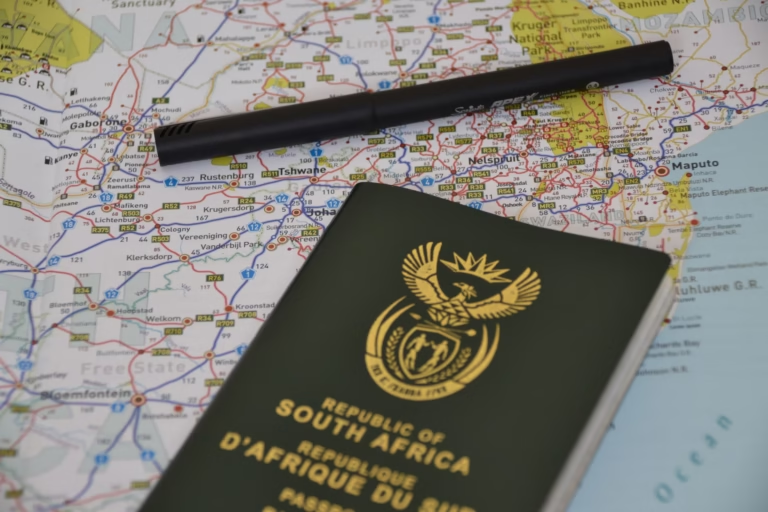
Before embarking on your safari, ensure you have all necessary travel documents in order:
- Passports: Check that your passport is valid for at least six months beyond your travel dates.
- Visas: Research visa requirements for the countries you will visit and apply in advance if needed.
- Travel Insurance: Obtain comprehensive travel insurance that covers medical emergencies and trip cancellations.
Frequently Asked Questions
What is the best time for a Southern Africa safari?
The best time for a Southern Africa safari is during the dry season from May to October, when wildlife is easier to spot, and temperatures are more comfortable.
Do I need a visa for Southern Africa?
Visa requirements vary by country. Check the specific visa regulations for each country you plan to visit, as some may require a visa upon arrival or in advance.
How safe is it to go on a safari?
Safaris are generally safe, especially when guided by experienced professionals. Always follow safety guidelines and remain aware of your surroundings.
What should I pack for a Southern Africa safari?
Pack lightweight, breathable clothing, comfortable shoes, a hat, sunscreen, insect repellent, binoculars, and a camera. Don’t forget your travel documents and a first aid kit.
The Bottom Line
A safari in Southern Africa offers a unique opportunity to connect with nature and experience the continent’s incredible wildlife. By understanding the best parks to visit, planning your itinerary, and being mindful of safety and health considerations, you can create a memorable adventure. With the right preparation, your safari can be a journey filled with breathtaking moments and unforgettable encounters.
Visa rules, prices and opening times change. Always confirm details with official sources before you travel.