Introduction
There are few places on earth where ancient history feels as alive as it does in Egypt. Between the Pyramids of Giza rising from the desert, the whispering tombs of the Valley of the Kings, and the pulse of the Nile weaving history through the landscape, Egypt is a country where every moment tells a story thousands of years old. Planning a visit can feel overwhelming because there is simply so much to see. That is exactly why a carefully structured five day itinerary is the perfect starting point.
This detailed guide walks you through an efficient and rewarding five day route through Egypt, balancing the must see landmarks with cultural immersion and comfort. You will move from the iconic pyramids of Cairo to the serene temples of Luxor, and finally to the scenic beauty of Aswan. Each day includes real travel advice, local insights, and practical tips to help you experience Egypt with confidence and depth.
Day 1: Exploring Cairo and the Pyramids of Giza
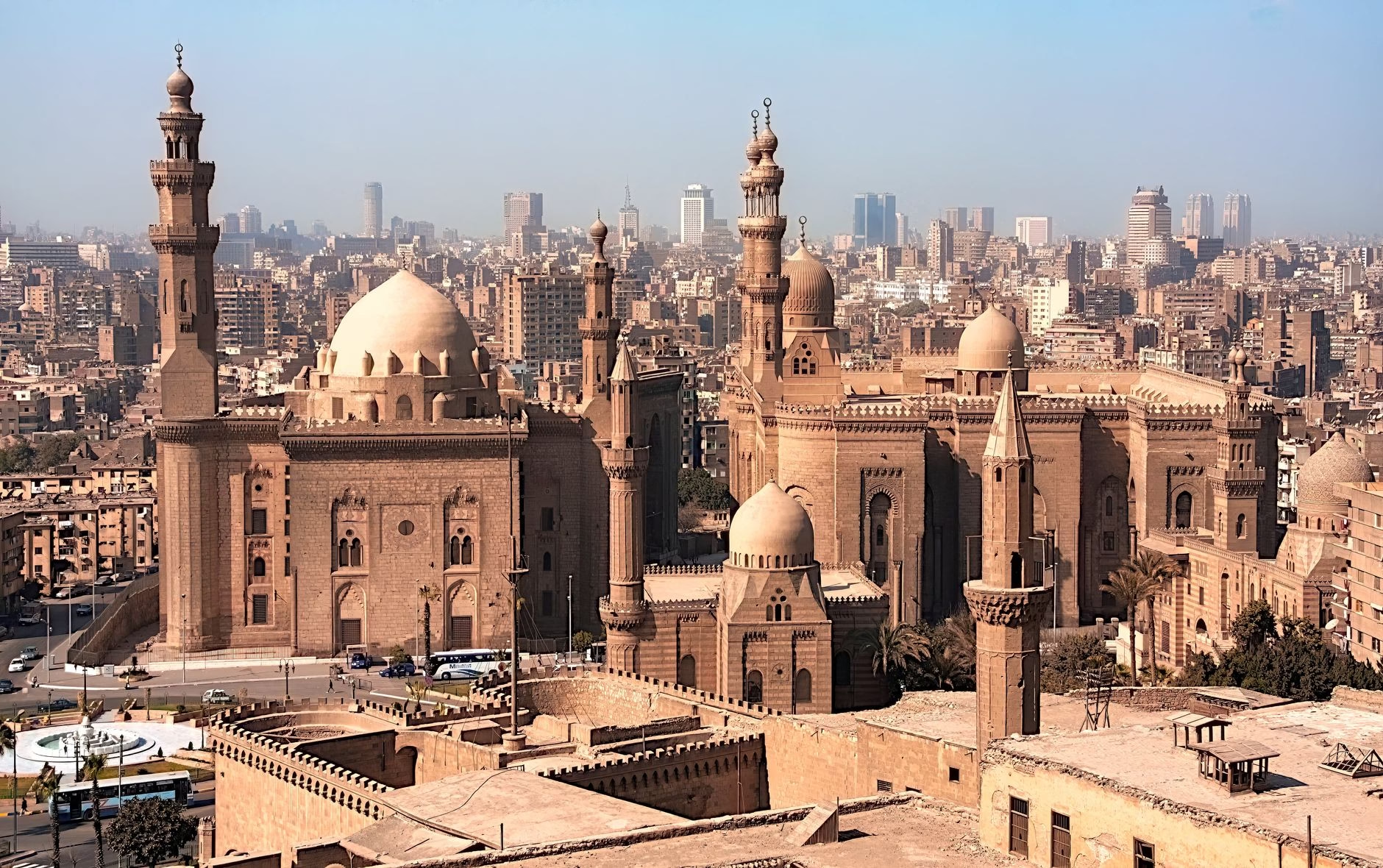
Begin your journey in the capital city, Cairo, a vibrant fusion of ancient and modern life. The energy is constant, the streets alive with honking cars, fragrant street food, and grand mosques overlooking the skyline.
Morning
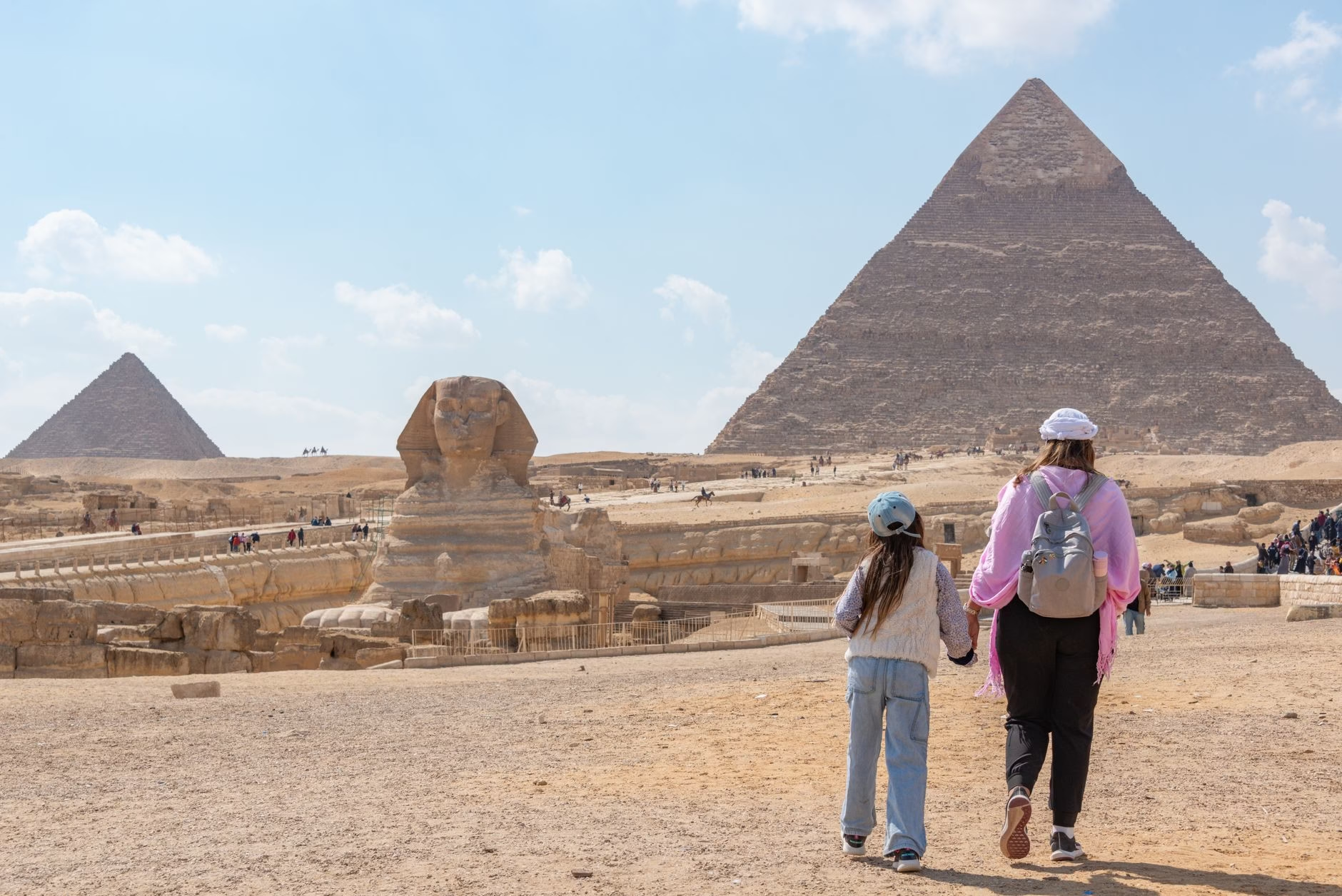
Start early with a visit to the Giza Plateau, home of the Great Pyramids and the Sphinx. Arriving early allows you to beat the heat and avoid the largest crowds. Hire a licensed local guide at the entrance who can explain the fascinating details of construction and the legends surrounding the pharaohs who built them. The Great Pyramid of Khufu, in particular, reveals an extraordinary sense of scale and architectural precision that continues to astonish scholars.
Afternoon
After exploring the pyramids, have lunch at a nearby restaurant with a view of the desert landscape. Many travelers recommend dining at 9 Pyramids Lounge or similar outdoor cafés. Then head to the Egyptian Museum in Tahrir Square. Its vast collection houses the treasures of Tutankhamun, intricate jewelry, and statues dating back more than four thousand years. Take your time here because this museum provides essential context for everything you will see throughout Egypt.
Evening
Finish your day with a peaceful dinner cruise on the Nile River. These boats offer traditional Egyptian cuisine accompanied by live music and local dance performances, giving you your first taste of the warm hospitality that defines Egyptian culture.
Day 2: Old Cairo and Islamic Heritage
Cairo is more than pharaohs and pyramids. It is also home to remarkable Christian and Islamic architecture, offering a deeper understanding of Egypt’s layered history.
Morning
Visit Old Cairo, also known as Coptic Cairo. Begin at the Hanging Church, one of the oldest churches in Egypt, known for its beautiful wooden ceiling shaped like Noah’s Ark. Continue to the Ben Ezra Synagogue and the Church of St. Sergius and Bacchus, which tradition holds was visited by the Holy Family during their flight into Egypt.
Afternoon
Head to Islamic Cairo, a UNESCO World Heritage Site filled with centuries old mosques and bustling bazaars. The Citadel of Saladin offers one of the most panoramic views of the city, and within its walls you will find the exquisite Mosque of Muhammad Ali, built with alabaster and adorned with Ottoman artistry. Later, immerse yourself in the vibrant atmosphere of Khan el Khalili Bazaar, where artisans sell handcrafted jewelry, perfumes, and spices. Bargaining is part of the culture here, so enjoy the process respectfully.
Evening
Enjoy a leisurely dinner at one of Cairo’s heritage restaurants. Try traditional dishes like stuffed vine leaves, koshari, or grilled lamb served with Egyptian bread.
Day 3: Journey to Luxor and the Temples of the Pharaohs
Take an early morning flight from Cairo to Luxor, a city that was once the capital of ancient Thebes. Luxor is essentially an open air museum, home to some of the most extraordinary archaeological discoveries in the world.
Morning
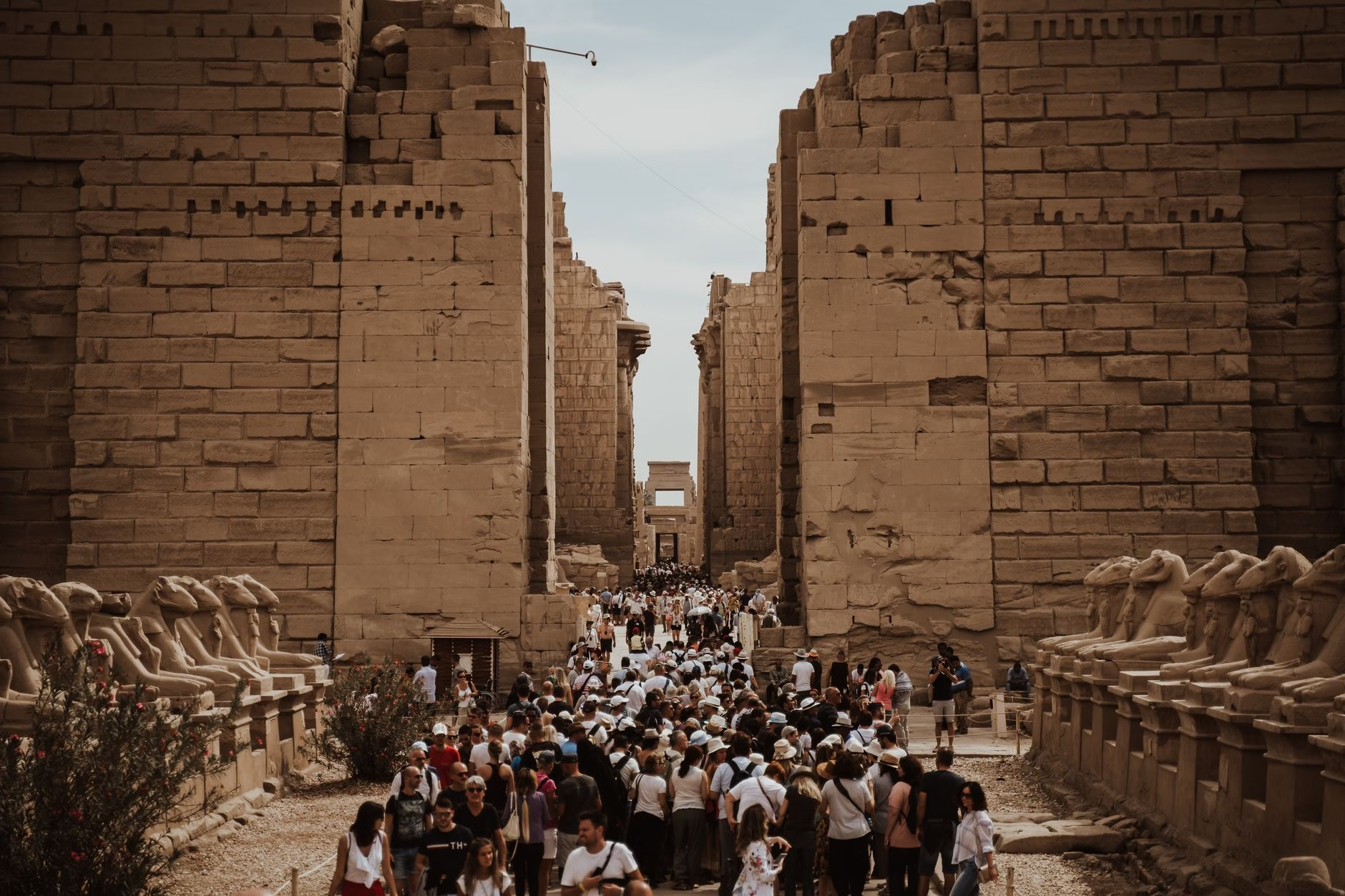
Begin your exploration at the Temple of Karnak, a vast complex dedicated to Amun Ra. The towering columns of the Great Hypostyle Hall are awe inspiring and walking among them gives a sense of how magnificent ancient Egyptian religion once was.
Afternoon
After lunch, visit the Luxor Temple located along the Nile’s east bank. Unlike Karnak, Luxor Temple was built to be part of a royal procession that linked the divine with the pharaohs. As the afternoon light softens, the carvings and hieroglyphs reveal a remarkable level of detail.
Evening
End your day with a sunset walk along the Corniche, Luxor’s riverside promenade. You can also enjoy a traditional felucca ride on the Nile, where the calm water and pastel sky create an unforgettable atmosphere.
Day 4: The West Bank of Luxor and the Valley of the Kings
This is the day when you step deeper into the afterlife journey of the ancient Egyptians. The West Bank of Luxor holds some of the country’s most fascinating tombs and temples.
Morning
Cross the Nile to the West Bank to explore the Valley of the Kings. The tombs of Ramses II and Tutankhamun are spectacular examples of ancient art preserved by the desert environment. Each tomb features vibrant wall paintings illustrating stories from the Book of the Dead. A local guide can help you understand the scenes and their spiritual significance.
Afternoon
Visit the Temple of Queen Hatshepsut, one of the most remarkable structures in all of Egypt. Built into a limestone cliff, the temple represents harmony between architecture and nature. Continue to the Colossi of Memnon, two colossal statues that once guarded a grand mortuary temple.
Evening
Return to the east bank of Luxor for a quiet dinner overlooking the river. Many boutique hotels near the Nile offer rooftop terraces with views of illuminated temples in the distance, making it an ideal way to end the day.
Day 5: Aswan and the Beauty of the Nile
Aswan, located further south, is known for its relaxed rhythm and beautiful Nubian culture. Take a morning train or short flight from Luxor to Aswan to experience a different side of Egypt.
Morning
Visit the Philae Temple, majestically situated on an island accessible only by boat. It is dedicated to the goddess Isis and beautifully preserved, with hieroglyphics that depict mythological scenes of love and rebirth.
Afternoon
Spend the afternoon exploring a Nubian village where you can learn about local customs, art, and music. The houses here are painted in bright colors, and the residents welcome visitors with genuine warmth. If you prefer a more scenic experience, you can also take a boat ride around Elephantine Island and the botanical gardens of Kitchener Island.
Evening
End your Egyptian adventure by watching the sun dip below the horizon over the Nile from the terrace of your hotel or a local café. The calm of Aswan provides a peaceful contrast to the intensity of Cairo and the grandeur of Luxor, leaving you with a full appreciation of Egypt’s diverse experiences.
Practical Tips for Travelers
- Best Time to Visit: October to April offers pleasant temperatures and comfortable sightseeing conditions.
- Cultural Etiquette: Dress modestly, especially when entering religious sites.
- Transportation: Domestic flights between Cairo, Luxor, and Aswan save time, while trains offer scenic and affordable options.
- Currency: The Egyptian pound is widely used, although credit cards are accepted in most tourist areas.
- Health and Safety: Drink bottled water, carry sunscreen, and plan visits early in the day to avoid peak heat.
Conclusion
A five day journey through Egypt is a glimpse into a civilization that has fascinated the world for millennia. From the colossal pyramids and ancient temples to the narrow alleys of Cairo and the tranquil waters of the Nile, each moment offers something to remember. With a thoughtful itinerary and an open heart, you will leave Egypt not only with photographs but also with a deeper appreciation for one of humanity’s greatest cultural legacies.
Further Reading
3 Day Istanbul Itinerary for First Time Visitors
Travel to Somalia; How I Traveled to Mogadishu
Free Family Things to do in Chicago Today
How to Spend Four Days in Hong Kong