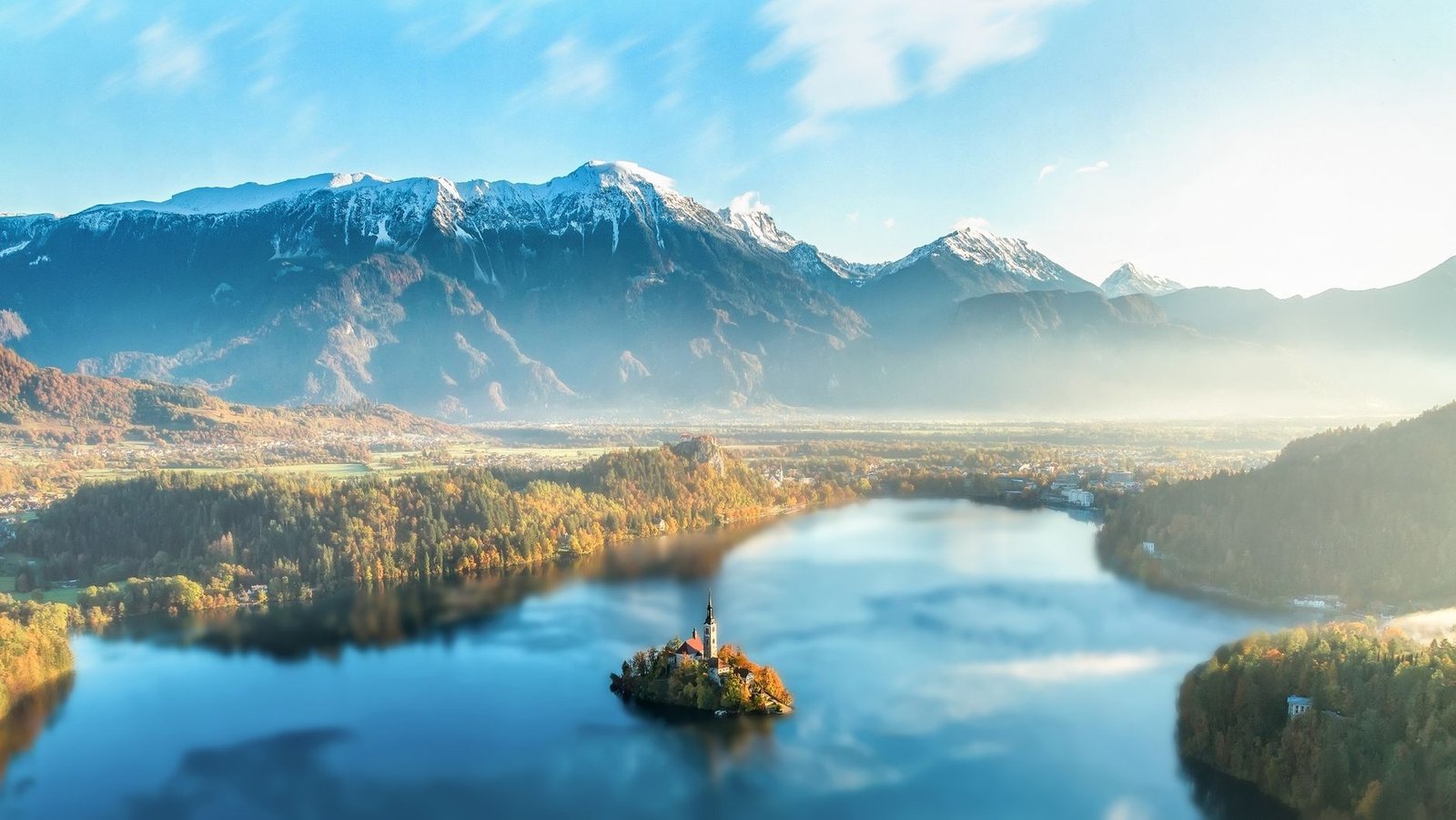
When Is the Best Time to Visit Europe: Insights for Travelers
Discover the best time to visit Europe for an unforgettable experience, tailored to your interests and budget.
Europe is a continent rich in culture, history, and stunning landscapes, making it a prime destination for travelers year-round. However, the experience can vary dramatically depending on when you choose to visit. Understanding the best time to visit Europe is crucial for crafting an unforgettable trip that aligns with your preferences, budget, and desired activities.
In this guide, we will explore the different seasons in Europe, highlighting the pros and cons of each, regional events, and practical tips to help you plan your journey. Whether you are looking to enjoy vibrant festivals, serene landscapes, or winter wonderlands, we will provide you with the insights you need to make the right decision.
Let’s take a closer look at what each season has to offer, so you can determine when the best time to visit Europe is for you.
Spring in Europe
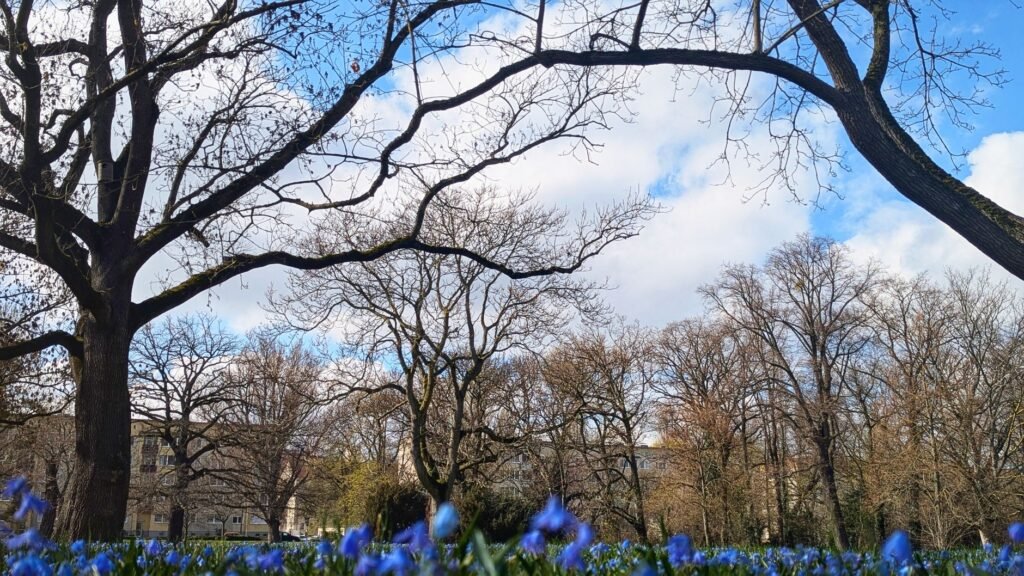
Spring generally spans from March to May, and it is often regarded as one of the best times to visit Europe. The weather starts to warm up, flowers bloom, and cities come alive with vibrant festivals and events.
Weather and Atmosphere
During spring, temperatures across Europe vary significantly. Southern regions like Spain and Italy typically enjoy mild to warm weather, while northern areas may still experience some chill. Average temperatures range from 10°C (50°F) to 20°C (68°F). This season is characterized by blossoming flowers, particularly in places like the Netherlands, where tulip fields are a sight to behold.
Additionally, spring is known for its moderate tourist crowds. Unlike the peak summer months, spring allows travelers to explore popular sites with less congestion. This can lead to a more enjoyable and relaxed experience, with shorter lines and a more personal interaction with local cultures.
Events and Festivals
Spring is rich with cultural events. One of the highlights is the Keukenhof Flower Garden in the Netherlands, which opens in mid-March and showcases millions of blooming tulips. Another notable event is the Cannes Film Festival in France, celebrated in May, attracting filmmakers and celebrities from around the globe.
In addition, many cities host Easter celebrations, featuring traditional markets, parades, and unique culinary experiences. For instance, the Easter markets in Vienna are famous for their beautiful crafts and delicious pastries.
Summer in Europe
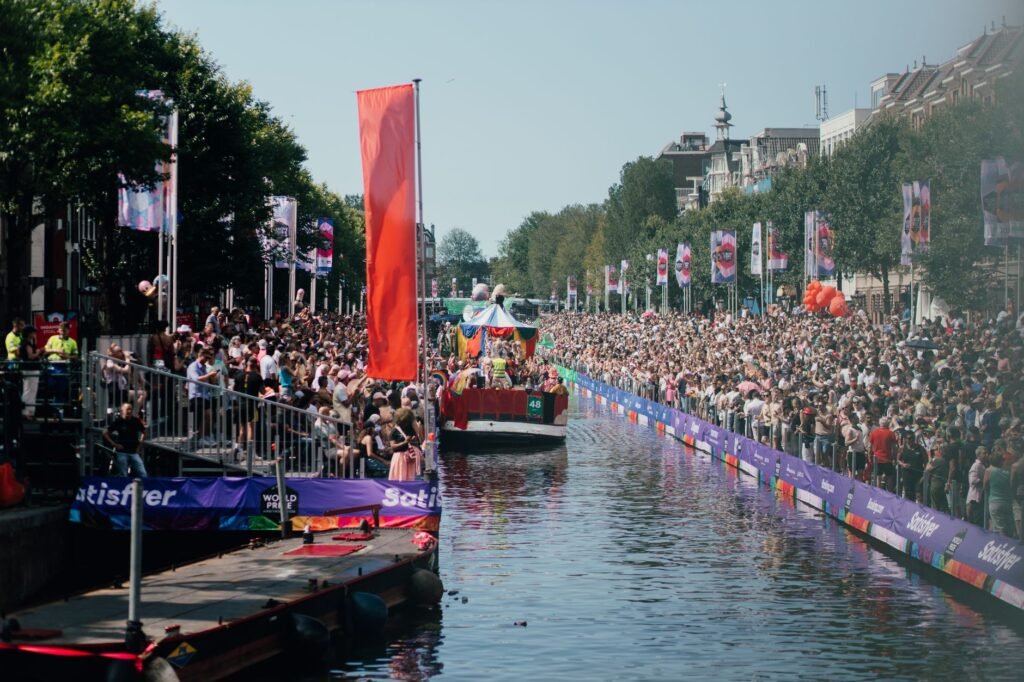
Summer, from June to August, is the peak tourist season in Europe. This is when the continent sees the largest influx of visitors, drawn by the warm weather, long days, and numerous festivals.
Weather and Experiences
Summer temperatures can vary significantly depending on the region. Southern Europe often experiences heat waves with temperatures exceeding 30°C (86°F), while northern countries like Norway and Sweden enjoy a milder climate. With longer daylight hours, visitors can partake in various outdoor activities, including hiking, beach outings, and exploring historic sites.
However, with the influx of tourists, popular destinations can become crowded, and accommodation prices may rise. It is advisable to book accommodations and tickets in advance to secure the best deals.
Festivals and Activities
Summer is synonymous with festivals in Europe. Events like La Tomatina in Spain, where participants throw tomatoes at each other, and the Edinburgh Festival Fringe in Scotland, the world’s largest arts festival, attract thousands of visitors. Music festivals, such as Tomorrowland in Belgium, showcase top artists and create a vibrant atmosphere.
For those who enjoy outdoor activities, summer is perfect for hiking in the Alps or lounging on the beaches of the Mediterranean. Countries like Greece and Italy are particularly popular for their stunning coastlines and crystal-clear waters.
Autumn in Europe
Autumn, spanning from September to November, is another excellent time to visit Europe. The weather starts to cool, and the landscapes transform with beautiful fall colors.
Weather and Scenic Beauty
Autumn temperatures gradually decrease, averaging between 10°C (50°F) and 20°C (68°F) depending on the region. This time of year is perfect for those who enjoy crisp air and scenic beauty. Many areas, particularly in France and Germany, showcase stunning fall foliage, making it an ideal time for photography and outdoor excursions.
The crowds begin to thin out as the summer vacationers depart, allowing for a more intimate experience in popular tourist spots. This is particularly beneficial for travelers looking to explore major attractions without the hustle and bustle.
Harvest Festivals and Cultural Events
Autumn is renowned for its harvest festivals, celebrating local produce and traditions. Oktoberfest in Munich, Germany, is perhaps the most famous, drawing beer enthusiasts and revelers from all over the world to enjoy traditional Bavarian culture.
Other notable events include the grape harvest in Tuscany, Italy, where wine lovers can participate in tastings and tours of vineyards. Many cities also host food festivals where visitors can indulge in seasonal dishes and local delicacies, making it a culinary delight.
Winter in Europe
Winter, from December to February, offers a different charm in Europe. While it may not be as popular as the other seasons, winter brings its unique attractions, particularly for those who enjoy winter sports and festive celebrations.
Weather and Activities
Winter weather in Europe varies significantly by region. Northern countries may experience heavy snowfall, while southern areas remain relatively mild. Average temperatures can range from -5°C (23°F) to 10°C (50°F). For winter sports enthusiasts, destinations like the Swiss Alps and Austrian ski resorts are ideal for skiing, snowboarding, and other activities.
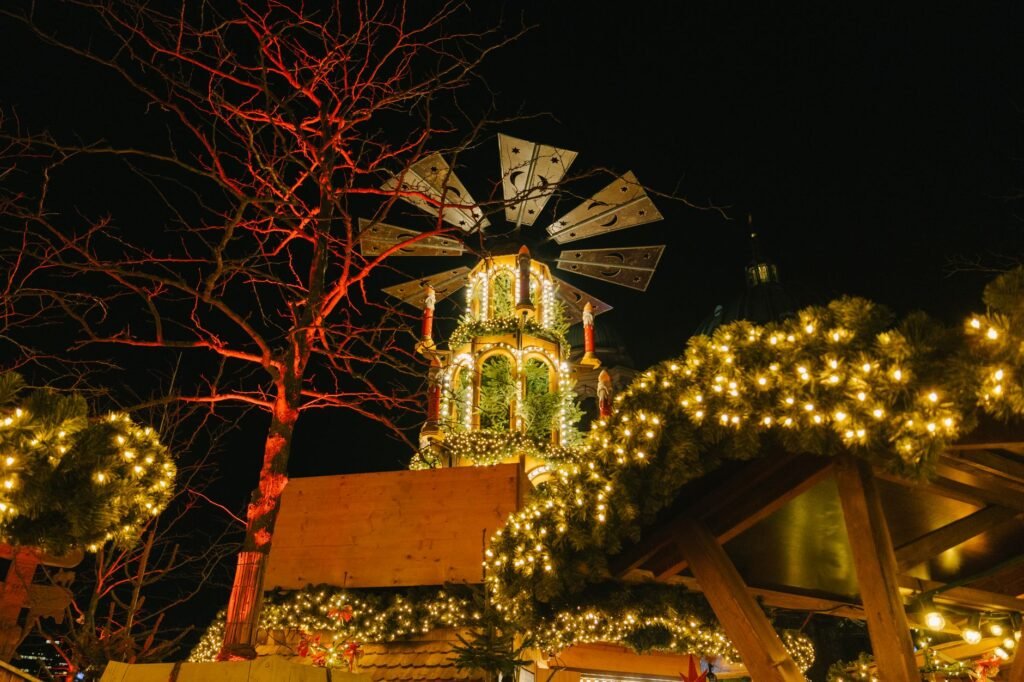
Moreover, winter is synonymous with holiday markets, particularly in Germany and Austria. These markets feature festive lights, handcrafted goods, and seasonal treats, creating a magical atmosphere. Visitors can enjoy traditional foods like bratwurst, mulled wine, and gingerbread cookies.
Festive Celebrations
December is a particularly festive time in Europe, with many cities hosting Christmas markets. Places like Vienna, Prague, and Strasbourg are known for their stunning decorations and holiday spirit. These markets offer a unique shopping experience and an opportunity to immerse yourself in local traditions.
Additionally, New Year celebrations across Europe are lively and diverse, ranging from fireworks in cities like London to intimate gatherings in smaller towns.

Regional Considerations
When planning your trip, it’s essential to consider regional climates and events. Europe is vast, and each country has its unique weather patterns and cultural happenings.
Southern Europe
Countries like Spain, Italy, and Greece enjoy a Mediterranean climate with hot summers and mild winters. The best time to visit these regions is during the spring and fall, when temperatures are more comfortable, and tourist crowds are smaller. Popular activities include exploring ancient ruins, enjoying local cuisines, and relaxing on beautiful beaches.
Northern Europe
In contrast, Northern European countries like Norway, Sweden, and Finland have colder climates with long winters. The summer months are ideal for visiting, as the weather is pleasant, and the natural landscapes are stunning. Travelers can enjoy hiking, fjord cruises, and experiencing the Northern Lights during the winter months.
Central Europe
Central European countries like Germany, Austria, and Czech Republic offer a mix of cultural experiences year-round. Spring and autumn are particularly lovely, with comfortable weather and numerous festivals. The winter holiday markets provide a unique experience for those looking to soak in traditional holiday cheer.
Understanding Events and Festivals Across Europe
Major Festivals to Consider
Europe is renowned for its vibrant festivals that celebrate culture, art, and tradition. Timing your visit to coincide with these events can enrich your travel experience significantly. Here are some of the most notable festivals:
- Oktoberfest (Germany) – Typically held from late September to the first weekend in October, this world-famous beer festival in Munich offers visitors a chance to enjoy regional brews, traditional food, and lively music.
- Carnival (Italy) – Venice hosts one of the most spectacular carnivals in February, featuring elaborate masks, costumes, and parades that capture the essence of Venetian culture.
- La Tomatina (Spain) – This unique tomato-throwing festival occurs in Buñol, near Valencia, on the last Wednesday of August, providing a fun and messy experience for participants.
- Edinburgh Festival Fringe (Scotland) – Taking place throughout August, this festival is the largest arts festival in the world, showcasing thousands of performances across various genres.
Attending these festivals not only provides entertainment but also offers insights into the local customs and traditions of the areas you visit.
Seasonal Events to Enhance Your Travel Experience
In addition to large festivals, many cities host seasonal events that can enhance your trip. These events can range from local markets to art exhibitions, providing travelers with an authentic taste of local culture. Consider the following:
- Christmas Markets (Various Locations) – During December, cities like Vienna, Munich, and Prague transform into winter wonderlands with festive markets where you can enjoy mulled wine, gingerbread, and handcrafted gifts.
- Spring Flower Festivals (Netherlands) – The Keukenhof Gardens bloom in April, offering a breathtaking display of tulips and other flowers, perfect for nature lovers and photographers.
- Summer Music Festivals (Various Locations) – From Glastonbury in England to Tomorrowland in Belgium, summer months are filled with music festivals that attract international crowds and major artists.
Participating in these seasonal events allows travelers to engage with the local community and create lasting memories.
Climate Variations and Weather Considerations
Understanding Regional Climates
Europe’s diverse climates vary significantly from one region to another. Understanding these variations can help travelers choose the best time to visit based on their weather preferences. Here’s a breakdown of some key climates:
- Mediterranean Climate – Found in southern Europe, including Italy, Spain, and Greece, this region enjoys hot, dry summers and mild, wet winters. Ideal for beach-goers, the best time to visit is late spring or early fall to avoid the summer heat.
- Oceanic Climate – Countries like the UK, Ireland, and parts of France experience mild temperatures year-round with moderate rainfall. The best time for a visit is during late spring and early autumn when the weather is pleasant and outdoor activities are abundant.
- Continental Climate – Central and eastern Europe, including Germany and Poland, have hot summers and cold winters. For travelers seeking to explore cities like Prague or Budapest, late spring to early autumn is ideal.
By understanding these climate patterns, travelers can plan visits that align with their weather preferences, enhancing their overall experience.
Preparing for Unpredictable Weather
No matter the season, weather in Europe can be unpredictable. It’s essential for travelers to be prepared for various conditions. Here are some tips to help you manage unexpected weather changes:
- Layer Your Clothing – The ability to add or remove layers can keep you comfortable regardless of changing temperatures throughout the day.
- Packing an Umbrella – A compact, travel-sized umbrella can save the day in case of sudden rain showers, common in many regions.
- Check Local Weather Forecasts – Before and during your trip, staying updated on local weather can help you plan your daily activities more effectively.
Being well-prepared for unpredictable weather will ensure that your travel experience is as enjoyable as possible, allowing you to focus on the sights and experiences that Europe has to offer.

Traveling During Off-Peak Seasons
Benefits of Off-Peak Travel
Traveling during the off-peak seasons can provide several advantages, making it an appealing option for many travelers. Some benefits include:
- Lower Prices – Flights, accommodation, and attractions often offer significant discounts during off-peak periods, allowing travelers to save money.
- Fewer Crowds – Popular tourist destinations are less crowded during the off-peak seasons, providing a more relaxed experience and easier access to attractions.
- Authentic Experiences – Visiting during quieter times can lead to more authentic interactions with locals, enhancing your understanding of the culture.
By considering off-peak travel, you can enjoy a more personalized and budget-friendly experience while exploring Europe.
Best Off-Peak Times for Travel
Identifying the off-peak times for various regions in Europe can help travelers maximize their experience. Here are some general guidelines:
- Late Fall (November) – After the summer rush and before the holiday season, many cities offer lower prices and fewer tourists.
- Early Spring (March to April) – Before the summer crowds arrive, travelers can enjoy mild weather, blooming landscapes, and often lower prices.
- January to Mid-February – Post-holiday, many destinations are quiet, and winter sports enthusiasts can enjoy skiing without the crowds.
Choosing to travel during these off-peak times can result in a more enjoyable and cost-effective trip, allowing you to appreciate Europe’s beauty more fully.
Frequently Asked Questions
What is the best time to visit Europe for budget travelers?
The best time for budget travelers to visit Europe is during the shoulder seasons, spring (March to May) and autumn (September to November). During these months, you can often find lower prices on accommodations and flights, as well as fewer crowds.
Is it worth visiting Europe in winter?
Yes, visiting Europe in winter can be worth it for those who enjoy winter sports, festive holiday markets, and fewer crowds at popular attractions. Just be prepared for cold weather and possible snow in many regions.
What are the peak tourist months in Europe?
The peak tourist months in Europe are typically June, July, and August. During these months, many tourists flock to popular destinations, leading to crowded attractions and higher prices.
Are there any specific events to consider when planning a trip?
Yes, consider local events and festivals that may enhance your travel experience. For example, Oktoberfest in Munich, the Edinburgh Festival Fringe, and Christmas markets across Europe can provide unique cultural experiences.
The Bottom Line
Determining the best time to visit Europe largely depends on your interests, budget, and preferred activities. Each season offers unique experiences, from spring blooms and summer festivals to autumn harvests and winter wonderlands. By considering regional climates and local events, you can tailor your trip to ensure a memorable adventure that aligns with your travel goals.
Visa rules, prices and opening times change. Always confirm details with official sources before you travel.