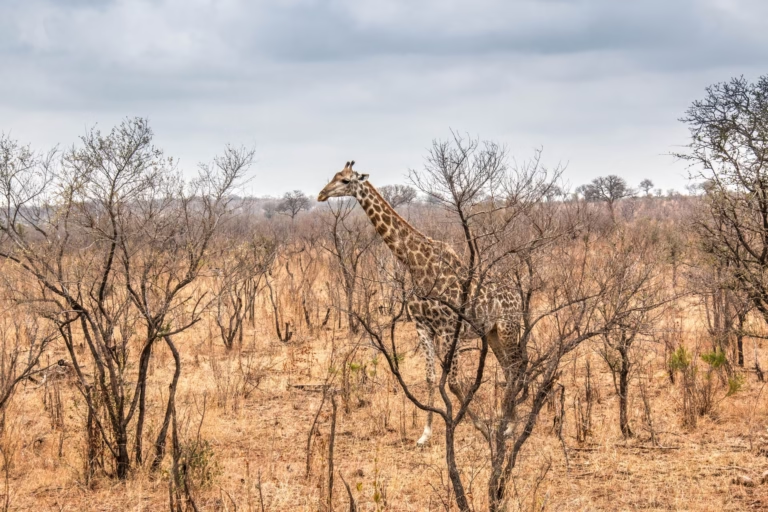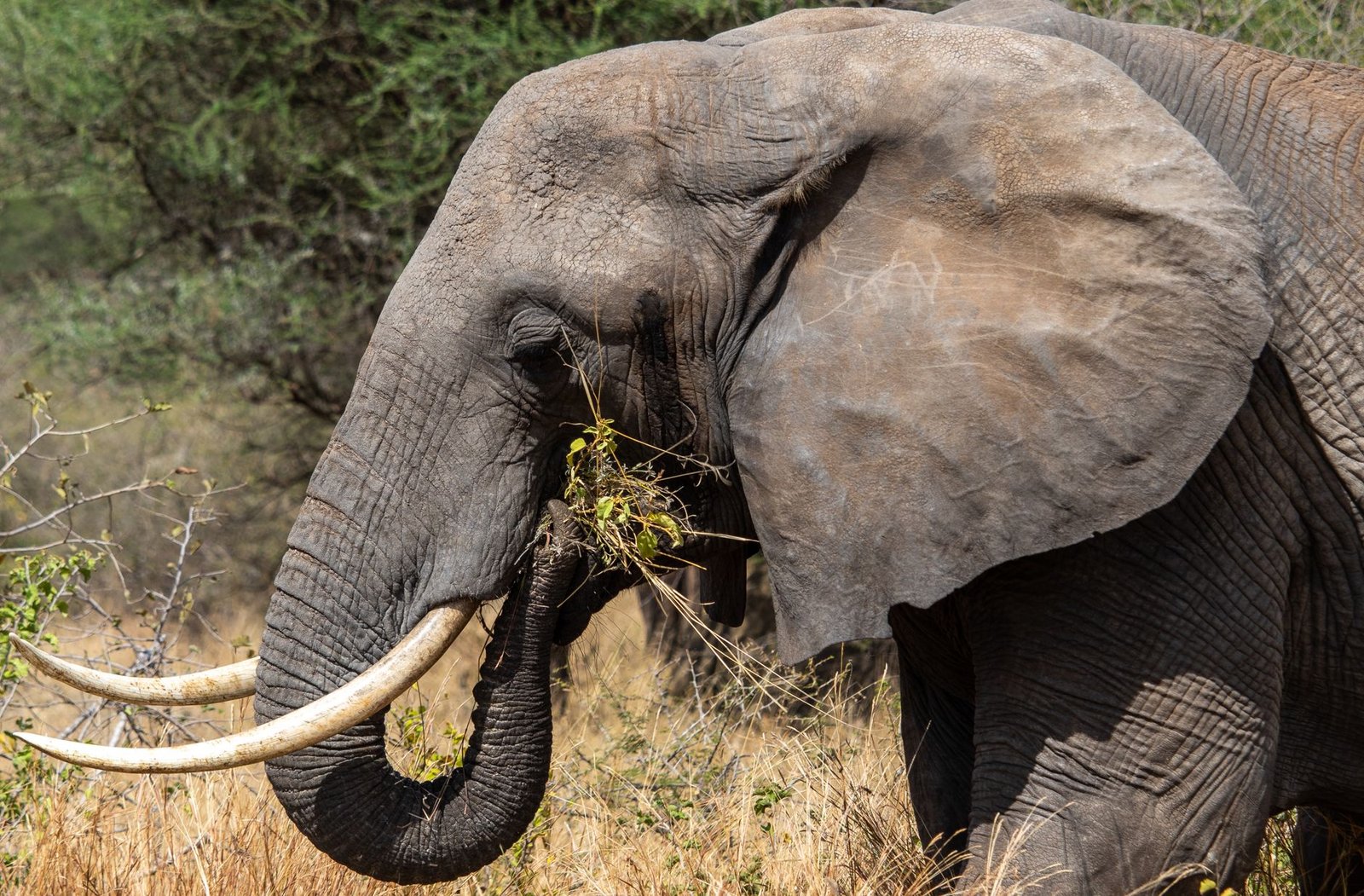
Where to See Elephants on an Africa Safari Savannah Adventure
Discover where to see elephants on an Africa safari savannah, including top locations, tips, and the best times to visit for an unforgettable experience.
Elephants are among the most awe-inspiring creatures on Earth, and witnessing them in their natural habitat is an experience that should not be missed. For anyone searching for where to see elephants in Africa, the savannahs offer some of the best opportunities to observe these magnificent animals up close. From the vast grasslands of the Serengeti to the wetlands of Okavango Delta, Africa is home to diverse ecosystems that support large elephant populations.
This guide will explore various locations across the African continent where you can see elephants in the wild, providing practical tips for planning your safari adventure. Whether you are an experienced traveler or a first-time visitor, you’ll find valuable information to help you make the most of your journey.
In addition to highlighting the best places to spot elephants, we will cover the ideal times to visit, safety considerations, and what to expect on your safari. With this guide, you’ll be well-equipped to embark on an unforgettable adventure in the African savannah.
Top Locations to See Elephants in Africa
1. Serengeti National Park, Tanzania
Serengeti National Park is renowned for its wildlife and is one of the most famous locations for elephant sightings. The park covers an area of approximately 5,700 square miles, providing ample space for elephants to roam freely. Visitors can spot elephants in various habitats, from the open plains to riverbanks, especially near the Grumeti River.
The best time to visit the Serengeti for elephant watching is during the dry season from June to October, when animals congregate around water sources. Guided safari tours are available, offering knowledgeable guides who can help you locate elephants and provide insights into their behaviors and social structures.
In addition to elephants, the Serengeti is home to a wealth of other wildlife, including lions, zebras, and wildebeests, making it an ideal destination for a comprehensive safari experience.
2. Chobe National Park, Botswana
Chobe National Park is famous for having one of the largest concentrations of elephants in Africa, with an estimated population of over 120,000. The park’s diverse ecosystems, including floodplains, woodlands, and riverine habitats, create an ideal environment for elephants. A highlight of visiting Chobe is the opportunity to see elephants swimming and drinking at the Chobe River, especially during the dry season.
Visitors can explore Chobe via boat safaris, allowing for unique vantage points to observe elephants and other wildlife. The best time to visit is during the dry months from May to October, when elephants are more active and easily seen near water sources.
Chobe is also adjacent to the Okavango Delta, creating opportunities for multi-destination safaris that include both regions for a richer wildlife experience.
3. Amboseli National Park, Kenya
Known for its stunning views of Mount Kilimanjaro, Amboseli National Park is another prime location for elephant sightings in Africa. The park is famous for its large elephant herds, which can often be seen against the backdrop of the mountain. The open plains and swamps provide an ideal habitat for these majestic animals.
The dry season from June to October is the best time for elephant watching, as the elephants gather around the swamps. Guided tours are available, and many lodges offer special packages that include elephant tracking and conservation experiences.
Amboseli is also known for its conservation programs aimed at protecting elephants, making it an excellent choice for travelers interested in supporting wildlife initiatives.
4. Hwange National Park, Zimbabwe
Hwange National Park is renowned for its high density of elephants, with over 40,000 elephants residing in the park. The diverse habitats, including savannahs, woodlands, and waterholes, provide ample opportunities to see these gentle giants. The park is less crowded than some of the more famous parks, offering a more intimate wildlife experience.
The best time to visit Hwange is during the dry season from June to October, when elephants migrate to waterholes, making them easier to spot. Game drives and walking safaris are popular activities in the park, allowing visitors to get close to elephants in a safe and guided manner.
Additionally, the park offers various accommodation options, from luxury lodges to budget-friendly campsites, catering to different travel preferences.
5. Addo Elephant National Park, South Africa
Addo Elephant National Park is unique as it is one of the few parks in Africa dedicated primarily to elephant conservation. Located near Port Elizabeth, this park is home to over 600 elephants, making it a fantastic spot for elephant enthusiasts. The park’s varied landscapes, including dense thicket and open plains, provide a rich habitat for elephants and other wildlife.
The best times to visit Addo are during the dry months of April to September when elephants are more likely to gather at waterholes. Self-drive safaris are popular here, allowing visitors to explore the park at their own pace while observing elephants and other wildlife.
Addo also offers a variety of accommodation options, including lodges and camps, making it accessible for different types of travelers.
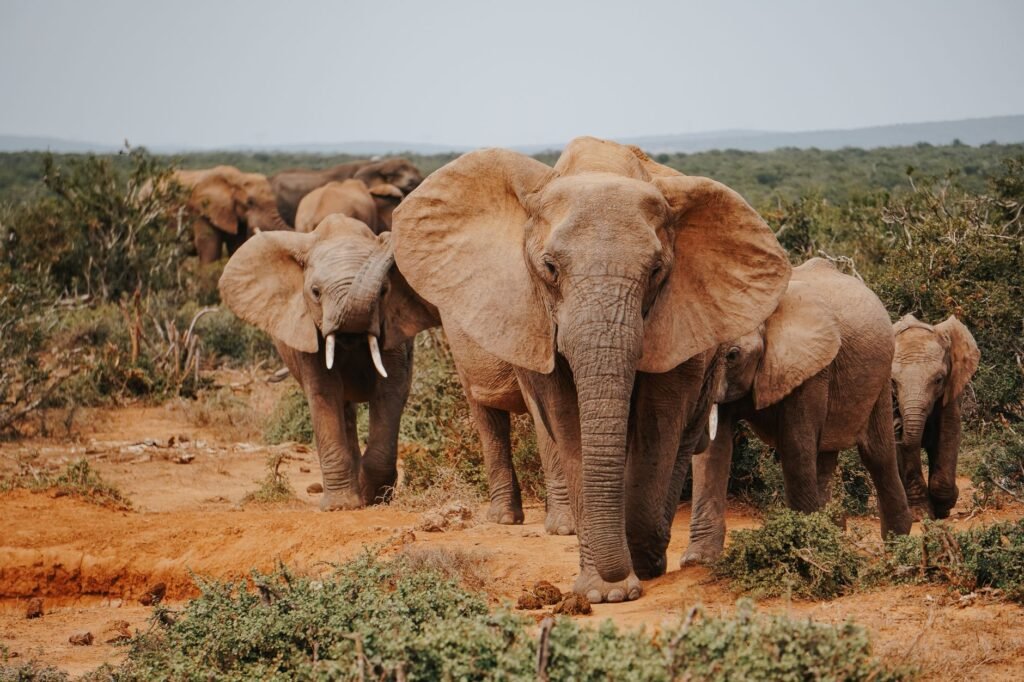
Best Times to Visit Africa for Elephant Sightings
Knowing the best times to visit African parks can significantly enhance your chances of spotting elephants. Generally, the dry season, which varies between regions, is the most favorable time for wildlife viewing. Below is a breakdown of the best times to visit the highlighted national parks:
| Park | Best Time to Visit | Key Wildlife Activities |
|---|---|---|
| Serengeti National Park | June to October | Game drives, river crossings |
| Chobe National Park | May to October | Boat safaris, game drives |
| Amboseli National Park | June to October | Elephant viewing, guided tours |
| Hwange National Park | June to October | Game drives, walking safaris |
| Addo Elephant National Park | April to September | Self-drive safaris, waterhole viewing |
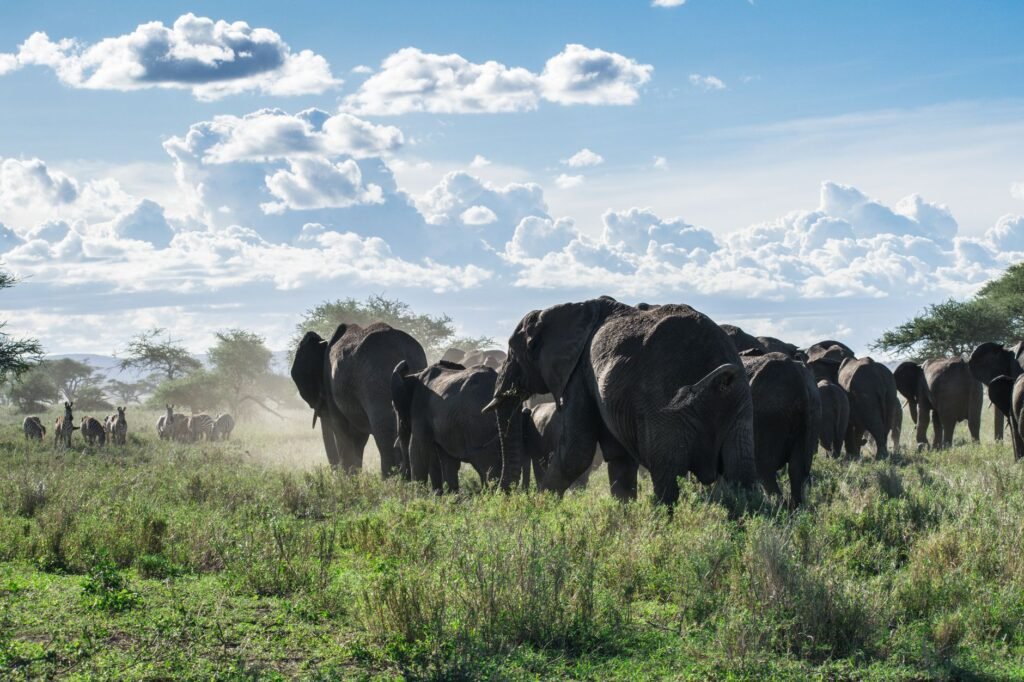
Planning Your Safari: Tips and Considerations
Planning a safari to see elephants involves several considerations to ensure a rewarding experience. From choosing the right park to understanding logistics, here are some practical tips to help you prepare:
- Research Parks: Each national park offers a unique experience, so research their specific wildlife, accommodations, and activities to find the right fit for you.
- Book in Advance: Popular parks can fill up quickly, especially during peak season. Book your accommodations and safari tours well in advance to secure your spot.
- Consider a Guided Tour: While self-driving is an option in some parks, guided tours often provide better opportunities for wildlife sightings and insights into animal behavior.
- Pack Accordingly: Bring binoculars for wildlife viewing, a good camera, and appropriate clothing for varying temperatures. Layers are recommended as it can be warm during the day and cooler at night.
- Health and Safety: Consult with a travel doctor about vaccinations and malaria prophylaxis, especially when traveling to specific regions in Africa.
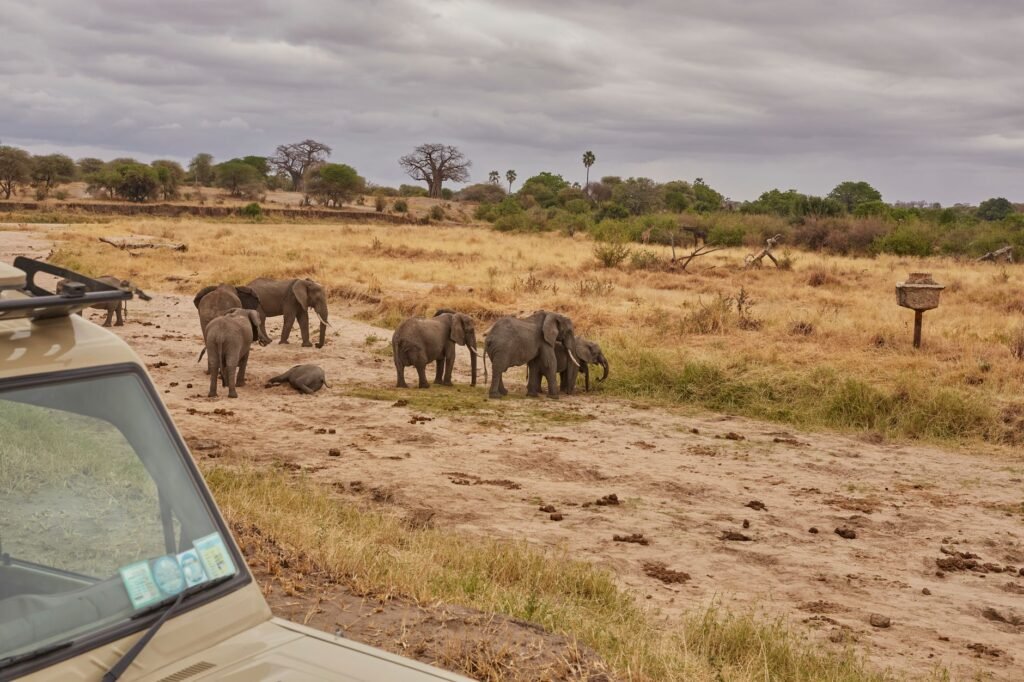
Understanding Elephant Behavior and Social Structures
The Matriarch’s Role
In elephant herds, the matriarch plays a crucial role in the survival and social dynamics of the group. Typically the oldest and often the largest female, the matriarch leads the herd in search of food, water, and shelter, using her extensive knowledge of the environment to guide her family through various terrains. Her experience is invaluable, especially during dry seasons when resources are scarce.
Matriarchs also make critical decisions regarding the safety of the herd. They can sense danger, such as predators or human encroachment, and they communicate these threats to the rest of the group. This leadership is vital in maintaining cohesion and ensuring the safety of younger elephants, which rely heavily on their elders for protection and guidance.
Social Bonds and Communication
Elephants are known for their strong social bonds, which are reinforced through various forms of communication. They use a combination of vocalizations, body language, and even seismic signals to convey messages. For example, low-frequency rumbles can travel long distances, allowing elephants to communicate with others who may be miles away.
Group cohesion is maintained through physical contact and social grooming, which helps to strengthen relationships within the herd. Elephants are also known to display emotions such as joy, grief, and empathy, showcasing their complex social structures. Observing these interactions can provide safari-goers with a deeper understanding of elephant behavior.
- Vocalizations: Rumbles, trumpets, and growls
- Body Language: Ear flapping, trunk gestures, and posturing
- Physical Interactions: Touching, grooming, and social bonding
Mother-Young Relationships
The bond between a mother elephant and her calf is one of the strongest in the animal kingdom. A mother will care for her young for several years, teaching them essential survival skills and social behaviors. Calves are dependent on their mothers for milk and protection, and they learn to forage for food by watching her foraging techniques.
During the early stages of life, calves are often seen close to their mothers, mimicking her movements and vocalizations. Mothers can recognize their calves’ calls even in a large herd setting, showcasing the depth of their relationship. This nurturing behavior not only ensures the survival of the calf but also reinforces the matriarchal structure of the herd.
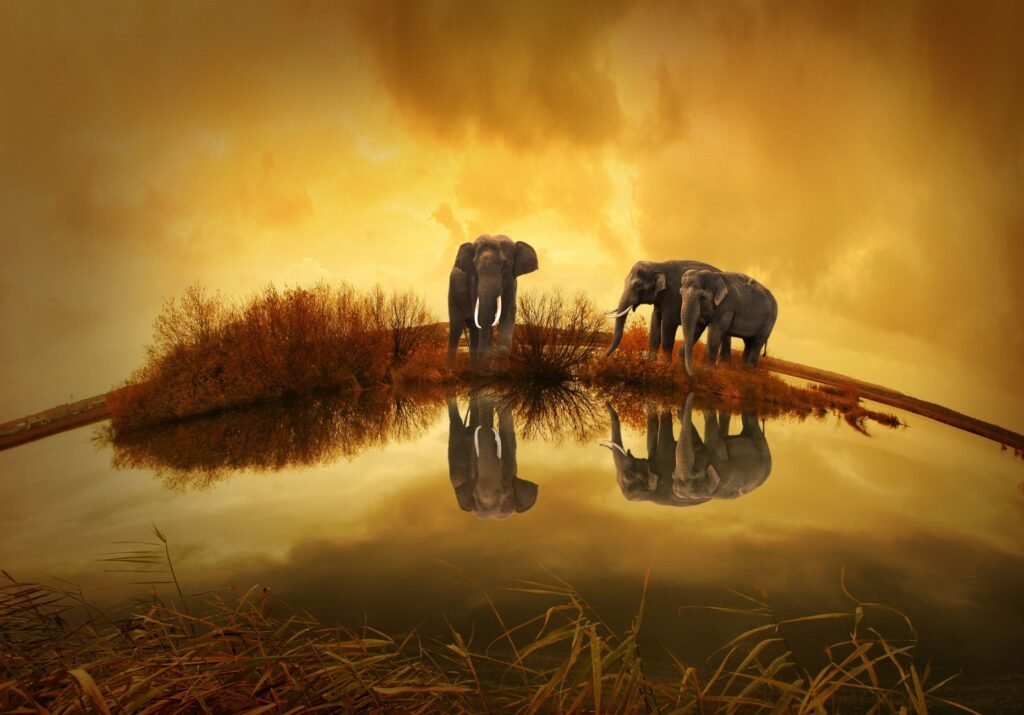
Conservation Efforts for Elephants in Africa
Community-Based Conservation Programs
In recent years, community-based conservation programs have emerged as effective strategies for protecting elephant populations. These initiatives involve local communities in wildlife conservation efforts, providing them with incentives to protect elephants rather than poach them. By fostering a sense of ownership, these programs encourage sustainable practices that benefit both the elephants and the community.
Through education and awareness, local residents learn the importance of elephants in maintaining ecosystem balance. Programs often include ecotourism opportunities, enabling communities to benefit financially from wildlife conservation while contributing to the protection of their natural heritage.
- Community workshops on wildlife protection
- Incentives for reporting poaching activities
- Tourism revenue sharing with local communities
Anti-Poaching Initiatives
The illegal poaching of elephants for their ivory tusks remains a significant threat to their survival. Anti-poaching initiatives are critical in the fight against wildlife trafficking. These efforts typically involve increased patrols in national parks and reserves, utilizing advanced technology such as drones and GPS tracking to monitor elephant movements and detect poaching activities.
Collaboration with law enforcement agencies is also essential for effective anti-poaching operations. Many organizations are working to strengthen legal frameworks and increase penalties for wildlife crimes, making it less attractive for poachers to target elephants. Awareness campaigns aimed at reducing demand for ivory play a vital role in conservation efforts.
- Increased ranger presence in elephant habitats
- Use of technology for surveillance
- Partnerships with law enforcement agencies
Habitat Restoration and Protection
Protecting and restoring elephant habitats is essential for their long-term survival. Many elephants migrate across vast distances in search of food and water, which means that conservation efforts must focus on preserving these migratory routes. Habitat restoration projects aim to rehabilitate degraded areas, making them suitable for elephants and other wildlife once again.
Protected areas such as national parks and wildlife reserves are crucial for providing safe havens for elephants. Support from governments, NGOs, and local communities is necessary to ensure these areas remain intact and are effectively managed. Additionally, habitat corridors can be established to connect fragmented landscapes, allowing elephants to move freely and maintain genetic diversity.
- Establishing protected areas for elephants
- Restoration of degraded habitats
- Creating wildlife corridors for migration
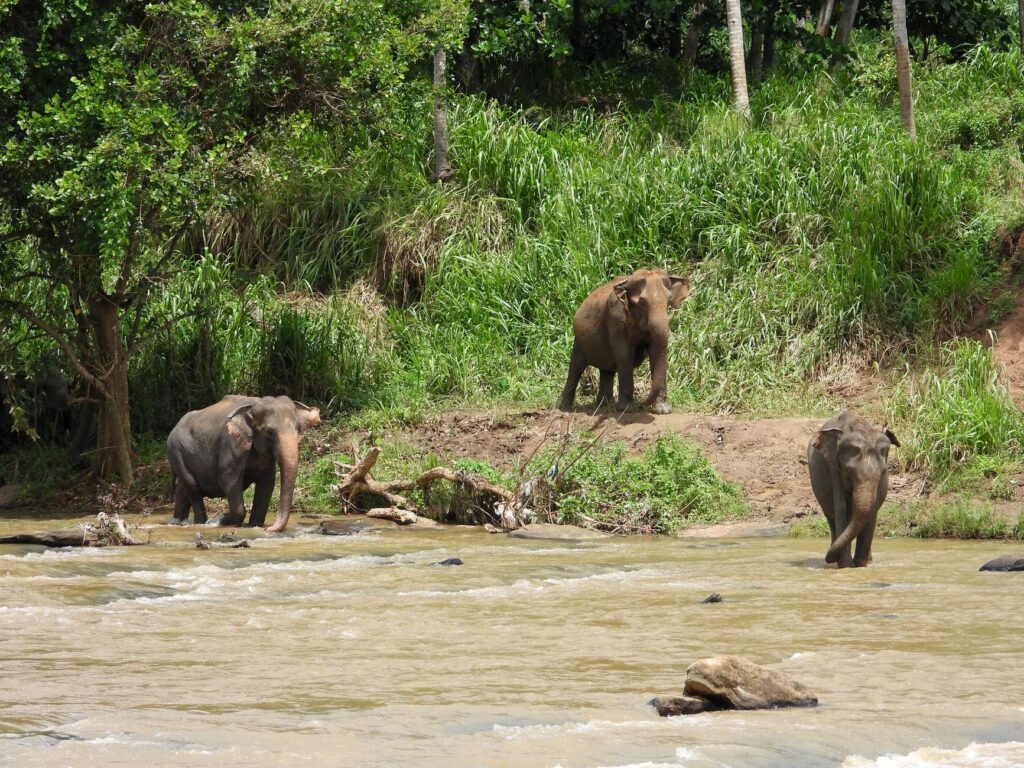
Unique Safari Experiences Focused on Elephants
Walking Safaris with Elephants
For those seeking a more intimate experience with elephants, walking safaris can provide a unique opportunity to observe these majestic creatures up close. Guided by experienced rangers, visitors can explore the savannah on foot, learning about elephant behavior and ecology firsthand. This immersive experience allows for a deeper connection with nature and a better understanding of elephants’ roles in the ecosystem.
During walking safaris, guides often share insights on tracking elephants and interpreting signs of their presence, such as footprints and feeding remains. This method of safari also fosters a greater appreciation for the surrounding flora and fauna, as participants gain a comprehensive view of the interconnectedness of life in the savannah.
- Guided tours focusing on elephant behavior
- Understanding ecological footprints and signs
- Engaging with local flora and fauna
Elephant Interaction Programs
Some safari lodges and reserves offer elephant interaction programs, where visitors can get close to elephants in a safe and ethical manner. These programs often involve educational components, such as learning about the elephants’ history, behavior, and conservation challenges. Participants may have the chance to feed, bathe, or even walk alongside elephants under the supervision of trained staff.
It’s essential to choose programs that prioritize the well-being of the elephants and adhere to strict ethical guidelines. Responsible programs ensure that the elephants are not subjected to stress or harmful practices and that their natural behaviors are respected.
- Feeding and bathing sessions with elephants
- Educational talks by elephant caretakers
- Emphasis on ethical treatment of wildlife
Photography Safaris Focused on Elephants
Photography safaris are a fantastic way for enthusiasts to capture the beauty of elephants in their natural habitat. Many tour operators offer specialized photography tours that cater to both amateur and professional photographers. These tours often include expert guides who can provide tips on composition, lighting, and the best times to photograph elephants for stunning results.
Participants are typically taken to prime locations where elephants are known to gather, allowing for incredible photo opportunities. The combination of breathtaking landscapes and the dynamic behavior of elephants makes for unforgettable photographic moments.
- Workshops on wildlife photography techniques
- Access to prime elephant sighting locations
- Opportunities for capturing unique animal behaviors
Frequently Asked Questions
Where can I see elephants in the wild in Africa?
Some of the best places to see elephants in the wild include Serengeti National Park in Tanzania, Chobe National Park in Botswana, and Amboseli National Park in Kenya. Each location offers unique wildlife experiences and opportunities for elephant sightings.
What is the best time to go on an elephant safari?
The best time for an elephant safari is generally during the dry season, which varies by region. For many popular parks, this typically falls between May and October, when animals congregate around water sources.
Are safaris safe for tourists?
Yes, safaris are generally safe when conducted with reputable tour operators and guides. Always follow safety guidelines provided by your guides and stay in your vehicle during game drives unless instructed otherwise.
What should I wear on a safari?
Wear neutral-colored clothing to blend in with the environment, and choose lightweight, breathable fabrics. A wide-brimmed hat, sunglasses, and sturdy footwear are also recommended for comfort and protection from the sun.
The Bottom Line
Embarking on a safari in Africa to see elephants is a remarkable adventure that offers unparalleled wildlife experiences. By selecting the right national park, planning your visit during peak times, and being prepared, you can maximize your chances of observing these incredible animals in their natural habitat. Whether you choose the vast plains of the Serengeti, the rivers of Chobe, or the unique landscapes of Amboseli, each location provides a memorable opportunity to connect with Africa’s majestic elephants.
Visa rules, prices and opening times change. Always confirm details with official sources before you travel.