Africa invites travelers with an unmatched sense of adventure. From the golden savannas of Kenya to the bustling cities of South Africa and the ancient wonders of Egypt, it offers a travel experience unlike anywhere else on earth. But with its diversity comes a need for awareness and preparation. Traveling safely in Africa does not mean being fearful; it means being informed, respectful, and ready for the realities of an incredibly varied continent.
- Research local conditions, check government travel advisories, verify passport and visa requirements, and choose reputable accommodations in safe areas.
- Get recommended vaccinations and malaria prevention, drink bottled or purified water, eat well cooked food, and protect against sun and dehydration.
- Respect local customs, dress modestly where appropriate, stay alert in crowds, secure valuables, carry comprehensive travel insurance and emergency contacts.
This guide will help you navigate Africa confidently, with practical advice on personal safety, health precautions, transportation, local customs, and communication. Whether you plan to explore wildlife reserves, coastal towns, or vibrant capitals, these insights will help you make the most of your journey without compromising your well-being.
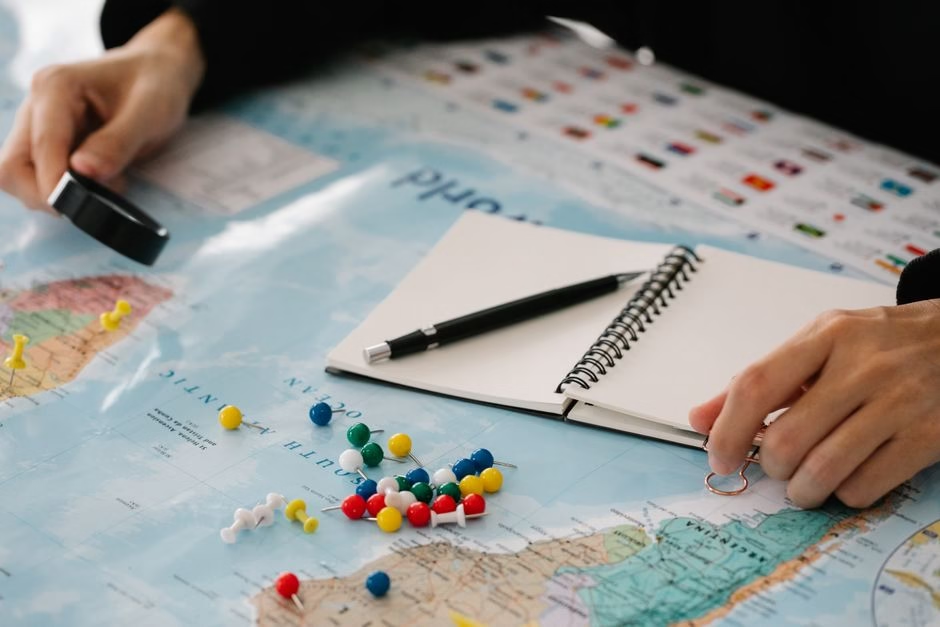
Research and Preparation Before You Go
Good preparation is the foundation of safe travel anywhere, but it is especially important in Africa, where infrastructure, climate, and conditions vary widely between regions.
Understand the Local Landscape
Africa is not a single destination. Each country, and even each region within a country, has its own safety considerations.
Before booking any trip:
- Study travel advisories from reliable sources such as your government’s foreign affairs department.
- Understand which areas are recommended for tourism and which ones currently face security challenges.
- Identify local laws that may differ from what you are familiar with. Some nations have strict rules about photography near government buildings, while others have conservative dress codes especially in rural or religious communities.
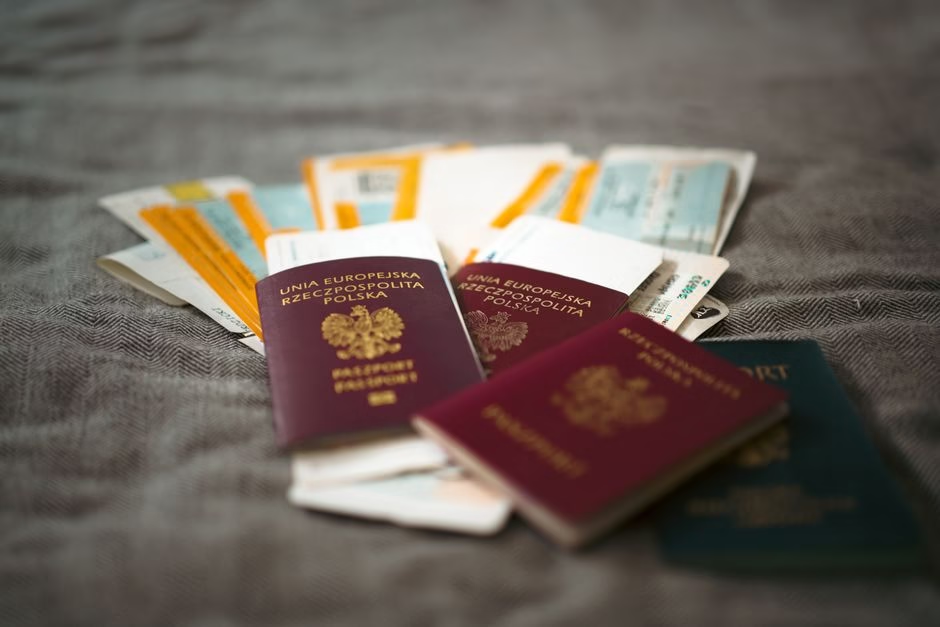
Have the Right Documentation
- Ensure your passport is valid for at least six months beyond your intended departure date.
- Check visa requirements early. Several countries now offer e-visas, but some still require embassy processing.
- Keep digital copies of all important documents including identification, insurance, and flight details. Store them on a secure cloud platform as well as on your phone.
Choose Accommodations Wisely
Opt for reputable hotels, lodges, or guesthouses that have good security and positive reviews from recent travelers. In many African destinations, it is safer to stay in recognized areas rather than isolated neighborhoods, especially when you are unfamiliar with local conditions.

Staying Healthy While Traveling
Health safety is a vital consideration for travel in Africa because conditions and medical infrastructure vary from country to country.
Vaccinations and Preventive Medicine
Prior to departure, consult your doctor or a travel health clinic regarding recommended vaccinations and prophylactic medications. Common requirements and recommendations include:
- Yellow fever vaccination, often mandatory for entry into several countries.
- Malaria prophylaxis, depending on the region and season.
- Routine immunizations such as hepatitis, typhoid, and tetanus.
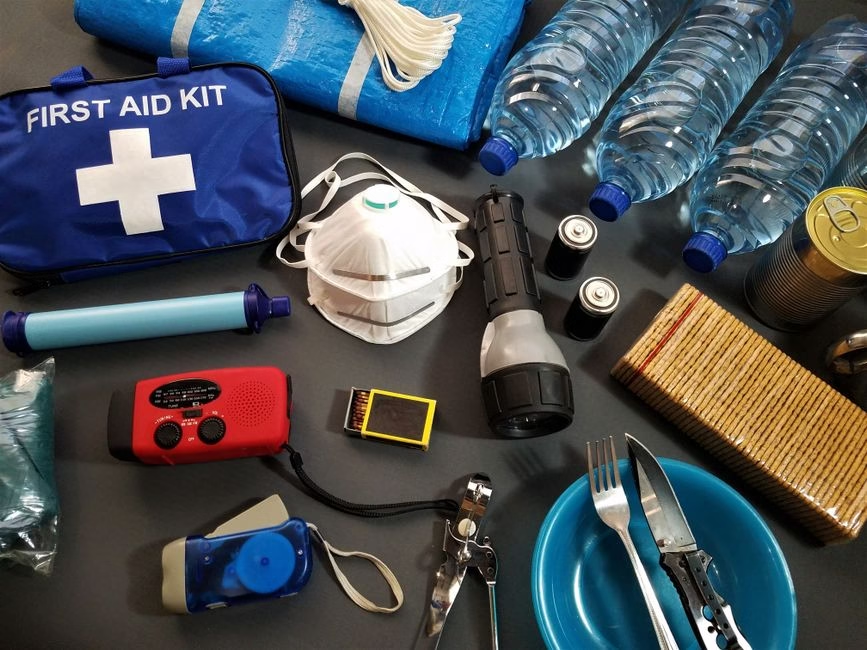
Food and Water Safety
African cuisines are rich and flavorful, but hygiene standards can be inconsistent across regions. To minimize the risk of illness:
- Eat freshly cooked meals from trusted restaurants or street stalls that are popular with locals.
- Drink bottled water or use a portable purifier if bottled supplies are not available.
- Avoid ice and raw vegetables in areas where tap water is not treated.
Sun and Climate Protection
The African sun can be intense, even on cloudy days. Always wear sunscreen, a broad-brimmed hat, and light breathable clothing. In desert areas, carry extra water; dehydration can set in faster than expected.

Navigating Transportation Safely
Getting around Africa can be part of the adventure, but transportation requires awareness and smart planning.
Air Travel
Africa has numerous reliable airlines, both international and regional. Choose reputable carriers with good safety records. Always confirm internal flights, as schedules can change with short notice.

Road Travel
Road conditions vary drastically. In cities like Cape Town or Nairobi, major roads are generally well maintained, whereas rural routes can be rough and less predictable.
- If renting a car, ensure it is from a trusted company and includes insurance.
- Avoid driving at night, as animal crossings, potholes, and unlit roads can make travel hazardous.
- In some countries, travelers prefer hiring a driver or local guide familiar with the area, which adds both safety and convenience.
Public and Shared Transport
Public transport can be lively but is often unregulated. Minibuses and shared taxis do not always follow schedules or safety standards. Consider using organized shuttle services, hotel transfers, or reputable ride-hailing apps available in larger cities.
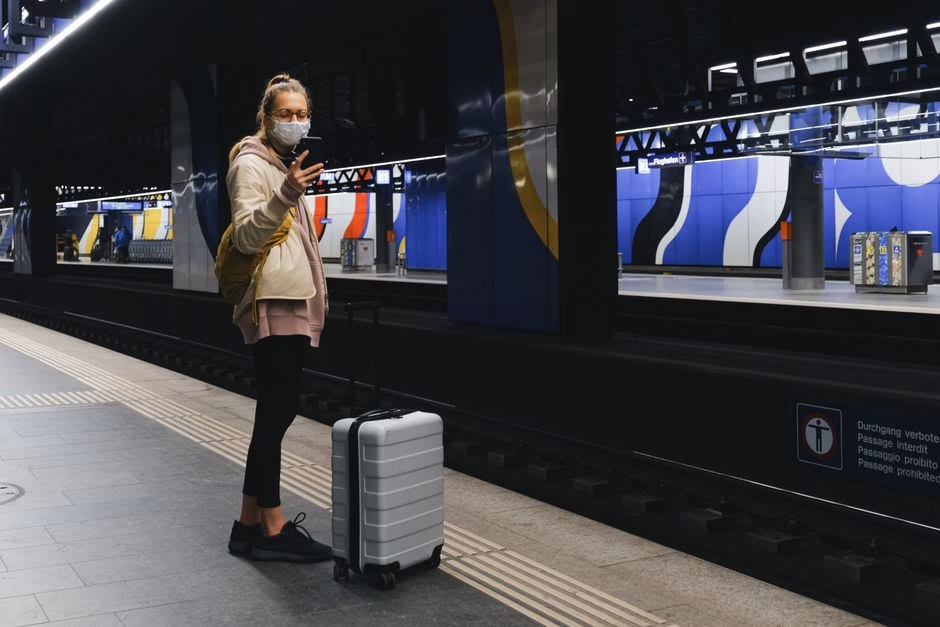
Respect Local Customs and Stay Aware
Cultural sensitivity is essential for personal safety and for building positive connections with local communities.
Dress and Behavior
Certain areas uphold conservative cultural values. Dressing modestly helps you blend in and avoid unwanted attention. In coastal or tourist zones, casual wear is acceptable, but when visiting villages, religious sites, or markets, covering shoulders and knees is appreciated.
Interacting with Locals
Africa’s people are known for their warmth and hospitality. However, common sense still applies.
Avoid discussing politics or sensitive topics, and always ask before photographing individuals or private properties. Friendly curiosity is welcome, but mutual respect keeps interactions safe and pleasant.
Stay Alert in Busy Areas
Large markets, bus stations, and nightlife spots can be exciting but are also common places for pickpocketing. Keep belongings close, carry minimal cash, and consider using a money belt or crossbody bag. Withdraw money only from ATMs in secure, well lit areas such as shopping centers or banks.
Technology and Communication Safety
Modern travel relies on technology, but responsible use of devices is crucial when traveling in Africa.
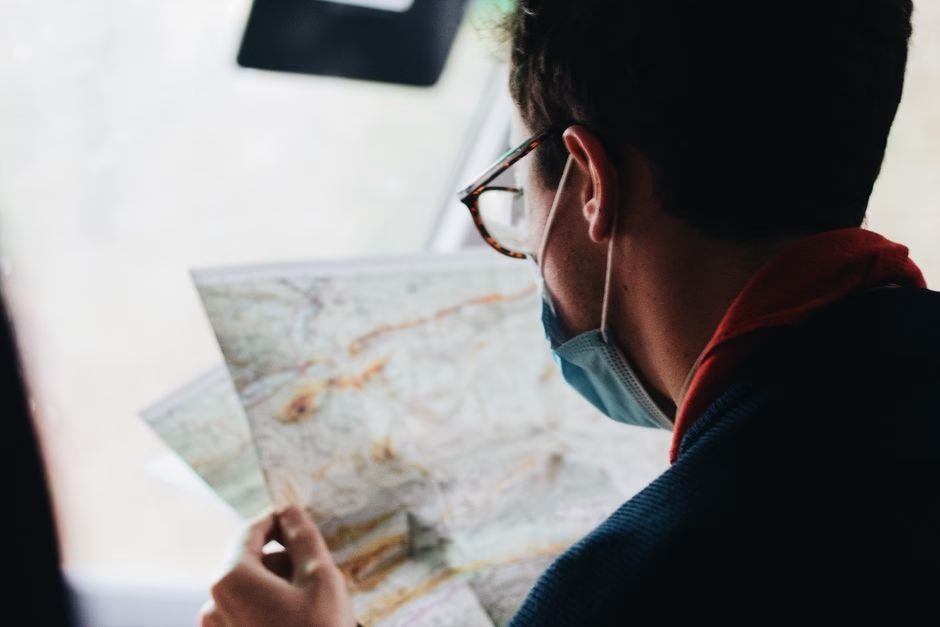
- Use offline maps and download essential translation or navigation apps before heading into areas without reliable internet coverage.
- Avoid displaying expensive gadgets in public. Smartphones, tablets, and cameras can attract attention if not handled discreetly.
- Purchase a local SIM card to stay connected affordably and have access to local emergency contacts.
- Enroll in a travel tracking service through your embassy if possible, especially if touring remote locations.
Emergency Preparedness and Insurance
Even with thorough planning, unexpected situations can arise. Being prepared can make a huge difference.
Comprehensive Travel Insurance
Never travel without insurance that covers medical emergencies, evacuation, and theft. Medical air evacuation can be costly in remote areas, so confirm that your policy covers it specifically.
Know the Local Emergency Numbers
Emergency response systems vary across Africa. Save important phone numbers such as your embassy, local police, and your accommodation host. In rural regions, assistance may take time, so having contacts and a clear plan is essential.
Keep Someone Informed
Regularly share your travel itinerary with a family member or friend at home. Inform them of your movements between destinations, especially when heading to national parks, remote reserves, or border regions.

Conclusion
Traveling in Africa can be one of the most rewarding experiences of a lifetime. The continent’s beauty, culture, wildlife, and diversity are unmatched, offering endless opportunities for discovery. Safety while traveling here is not about fear; it is about awareness, respect, and preparation. With the right knowledge and mindset, you can explore confidently, engage meaningfully with local communities, and create memories that will stay with you forever.
A safe traveler is an informed traveler, and understanding Africa’s rhythms allows you to embrace its adventure with wisdom and appreciation. Prepare well, stay aware, and you will find that Africa’s magic opens itself to those who travel with curiosity and respect.
Further Reading
3 Day Istanbul Itinerary for First Time Visitors
Travel to Somalia; How I Traveled to Mogadishu