Best Antarctic Tour Operators: Explore the Frozen Frontier
Discover the best Antarctic tour operators for an unforgettable adventure in the icy landscapes of Antarctica, ensuring a memorable experience.
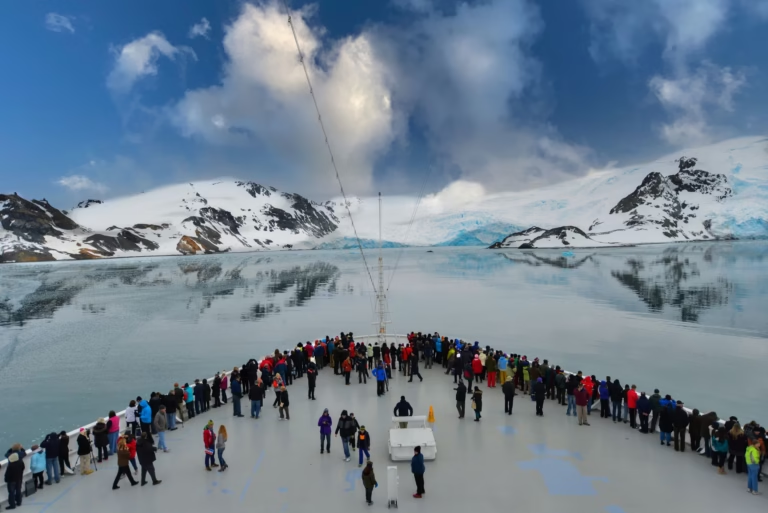
Antarctica, the continent of extremes, beckons adventurers with its stunning icebergs, unique wildlife, and breathtaking landscapes. For those looking to explore this frozen frontier, selecting the right tour operator is crucial for a safe and memorable experience. This guide will help you navigate through the best Antarctic tour operators available, focusing on their offerings, customer experiences, and some practical tips for planning your journey.
From small expedition vessels that allow for intimate wildlife encounters to larger cruise ships that provide a range of amenities, the choices are vast. Each operator has unique itineraries and specialties, catering to different traveler preferences. Understanding these options will assist you in making an informed choice that meets your travel objectives.
Whether you are an avid wildlife enthusiast, a photography buff, or simply seeking adventure in one of the most remote places on Earth, this guide will provide you with the insights needed to choose the best Antarctic tour operators for your next expedition.
Understanding Antarctic Tours
Antarctic tours primarily focus on exploring the unique geography, climate, and wildlife of the region. They can be categorized into several types based on the experience offered:
- Cruise Tours: Typically the most popular option, these tours allow travelers to explore various locations along the Antarctic Peninsula. Cruise ships often provide comfortable accommodations and onboard amenities.
- Expedition Tours: These are usually smaller vessels that provide a more intimate experience with the landscapes and wildlife. They often include guided excursions on land and activities such as kayaking or ice walking.
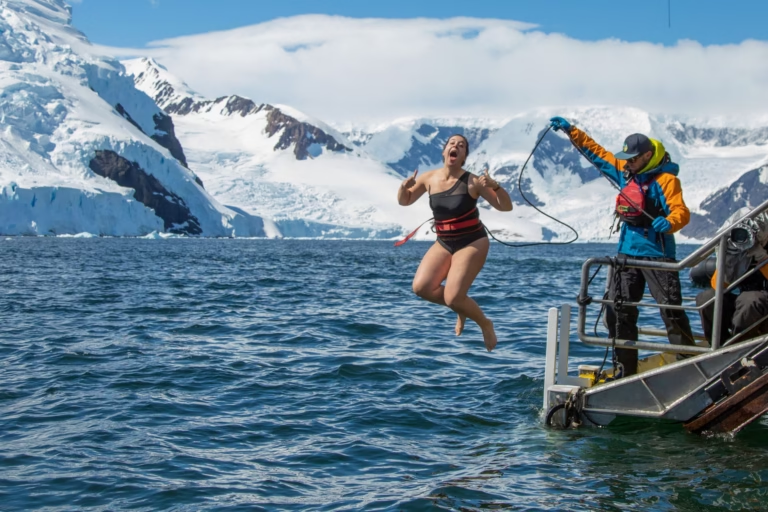
- Adventure Tours: For the adrenaline seekers, these tours may include activities like polar plunges, mountaineering, and overnight camping on the ice.
Each type of tour has its benefits and drawbacks, and understanding what you want from your trip will guide you towards the best options.
Top Antarctic Tour Operators
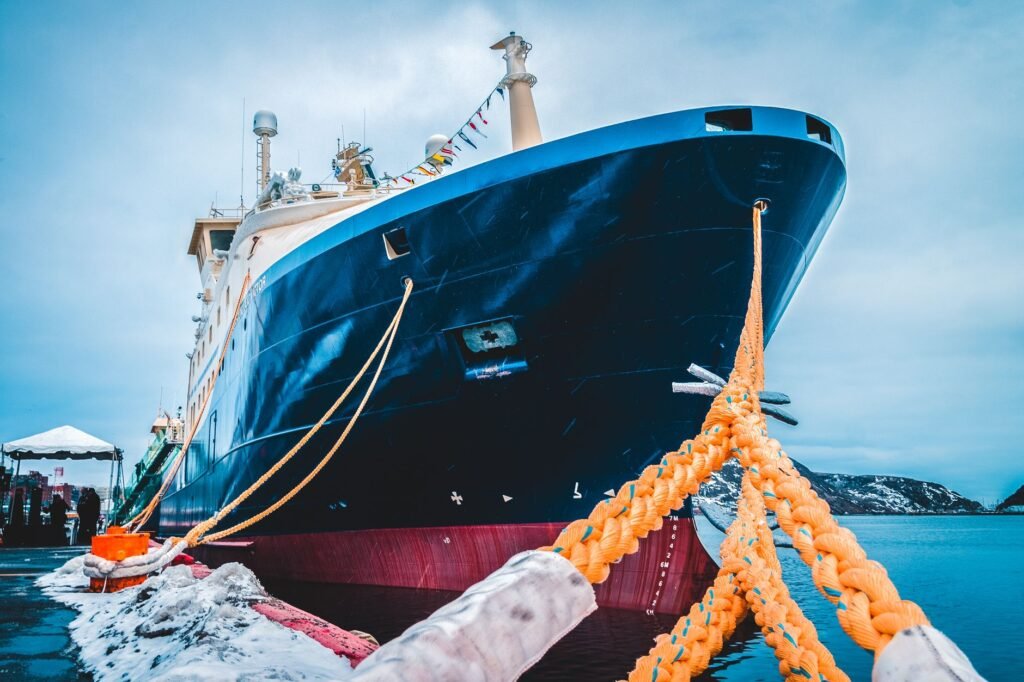
There are numerous tour operators specializing in Antarctic expeditions. Here are some of the best Antarctic tour operators, each with its unique strengths:
- Quark Expeditions: Known for their focus on adventure and education, Quark offers a variety of itineraries ranging from classic cruises to adventure-focused trips. Their experienced guides provide educational insights about the region’s ecology and geology.
- Hurtigruten: With a history of polar exploration, Hurtigruten combines comfort with adventure. Their ships are equipped with state-of-the-art facilities, and they offer a range of excursions to explore the stunning landscapes and wildlife of Antarctica.
- Oceanwide Expeditions: This operator offers smaller ships, allowing for closer encounters with wildlife and more flexible itineraries. Their focus on environmental sustainability is a significant draw for eco-conscious travelers.
- G Adventures: Known for their commitment to responsible travel, G Adventures provides a range of tours that cater to different budgets. They focus on immersive experiences, ensuring travelers connect with the environment and local culture.
- Abercrombie & Kent: For luxury travelers, Abercrombie & Kent offers high-end experiences with exceptional service. Their itineraries include exclusive excursions and fine dining, making for an opulent journey through Antarctica.
Choosing the Right Tour for You
With so many options available, selecting the right tour operator can be daunting. Here are some factors to consider when making your decision:
- Budget: Determine how much you are willing to spend. Prices for Antarctic tours can vary significantly based on the type of accommodation, duration of the trip, and included activities.
- Travel Style: Consider whether you prefer a more luxurious experience with onboard amenities or an adventurous outing that focuses on wildlife and exploration.
- Group Size: Smaller groups often result in a more personalized experience. Check the maximum capacity of the ships or tours offered by the operator.
- Itinerary Options: Review the itineraries available and see which destinations and activities are included. Some operators may offer unique excursions that appeal to specific interests.
- Reputation and Reviews: Research the operators through customer reviews and testimonials. Look for feedback on their service, safety measures, and overall experience.
What to Expect on an Antarctic Tour
Traveling to Antarctica is not just about the destination; it’s about the journey. Here’s what you can typically expect:
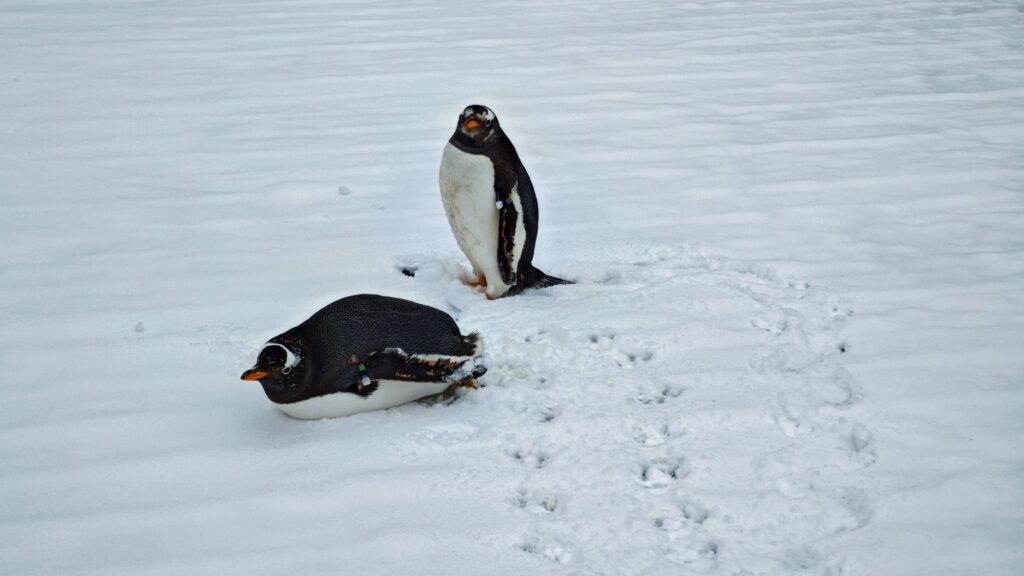
- Wildlife Encounters: Penguins, seals, and whales are some of the iconic wildlife you’ll encounter. Many tours include land excursions to observe these animals in their natural habitat.
- Stunning Scenery: Expect breathtaking views of glaciers, icebergs, and dramatic landscapes that are unlike anywhere else on Earth.
- Onboard Experience: Depending on your operator, you may enjoy fine dining, educational lectures, and social activities onboard, enhancing your overall experience.
- Weather Conditions: Be prepared for unpredictable weather. Temperatures can be cold, and conditions may change rapidly, so appropriate clothing is essential.
For example, on a recent trip with Quark Expeditions, travelers highlighted the exceptional wildlife viewing opportunities, particularly the moments spent watching penguins in their natural habitat. This immersive experience made the long journey worthwhile.
Safety and Health Considerations
Traveling to Antarctica does come with certain health and safety considerations. Here’s how to prepare:
- Health Precautions: Consult your doctor before the trip, especially if you have pre-existing medical conditions. Vaccinations may be required, and carrying a basic medical kit can be beneficial.
- Travel Insurance: It’s highly recommended to purchase travel insurance that covers emergency evacuation and health concerns. Always read the fine print to ensure adequate coverage.
- Physical Fitness: Many Antarctic tours involve physical activities such as hiking or kayaking. Ensure you are in good physical condition to enjoy these experiences fully.

Costs of Antarctic Tours
The cost of touring Antarctica can vary widely depending on the operator, duration, and type of accommodation. Here’s a general breakdown:
| Tour Type | Price Range (Per Person) | Duration |
|---|---|---|
| Cruise Tours | $5,000 – $15,000 | 7 to 21 days |
| Expedition Tours | $3,500 – $10,000 | 7 to 14 days |
| Adventure Tours | $4,000 – $12,000 | 7 to 10 days |
These prices are indicative and can vary based on factors such as peak season, cabin choice, and included activities. It is advisable to book in advance, especially for popular travel windows, which are typically from late October to early March.
Environmental Considerations for Antarctic Tours
Understanding the Impact of Tourism
Antarctica is one of the most pristine environments on the planet, and it is crucial to understand the impact that tourism can have on its fragile ecosystem. Tour operators are increasingly adopting sustainable practices to minimize their footprint. For example, many companies now adhere to guidelines set by the International Association of Antarctica Tour Operators (IAATO), which helps regulate the number of tourists and the types of activities that can be undertaken.
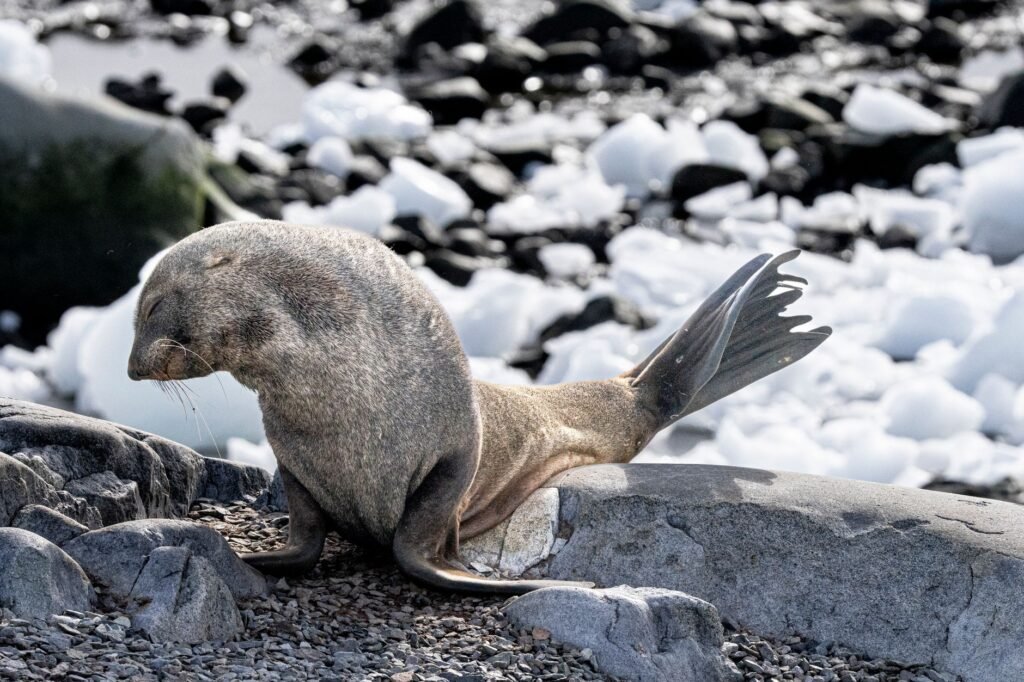
It is important to recognize that the presence of tourists can disrupt wildlife, especially during breeding seasons. Penguins, seals, and other native species are particularly sensitive to disturbances. Tourists should always remain at a safe distance and follow tour guides’ instructions to mitigate negative impacts on the local fauna.
- Follow wildlife viewing guidelines
- Avoid littering and dispose of waste properly
- Respect natural habitats and stay on designated paths
Sustainable Practices in Tour Operations
Leading tour operators are now implementing various sustainable practices to protect the Antarctic environment. These practices include utilizing eco-friendly vessels that reduce emissions and limit waste production. Some companies are investing in carbon offset programs to counterbalance their environmental impact. Additionally, many operators are committed to educating their guests about the ecology of Antarctica and the importance of conservation efforts.
Travelers can also play a role in supporting sustainable tourism by choosing operators that are members of recognized sustainability programs. Engaging with local researchers and conservation efforts during the tour can enhance the experience and foster a deeper connection with the environment.
- Choose operators with sustainability certifications
- Participate in conservation activities
- Support local ecological research initiatives
Unique Activities Offered by Antarctic Tour Operators
Adventure and Exploration Options
While many tourists may envision a cruise as the primary way to explore Antarctica, numerous operators offer a variety of unique activities that allow for a more hands-on experience. Kayaking amongst icebergs, for instance, provides an intimate opportunity to witness the stunning glacial landscapes up close. This activity is usually guided and allows participants to appreciate the serenity of the icy waters while observing wildlife such as seals and seabirds.
Another popular activity is mountaineering, which is available through select operators. This allows adventurous travelers to summit some of the continent’s lesser-known peaks and enjoy breathtaking panoramic views. Guided hikes, often led by experienced naturalists, also give visitors the chance to traverse the rugged terrain and explore remote areas that are off the usual tourist paths.
- Kayaking
- Mountaineering
- Guided hiking excursions
Cultural and Educational Experiences
Antarctic tours are not solely about the stunning landscapes and wildlife; they also offer rich cultural and educational experiences. Some operators collaborate with researchers or scientists, providing travelers with the chance to engage in scientific activities, such as data collection or environmental monitoring. This interaction can give tourists a deeper understanding of the ongoing research efforts crucial for preserving the fragile ecosystems.
Additionally, visitors can learn about the history of human exploration in Antarctica by visiting research stations and meeting the scientists who live and work there. Engaging with these experts gives travelers a unique perspective on the challenges faced in this extreme environment and the importance of international cooperation in scientific research.
- Participating in scientific research activities
- Visiting research stations
- Attending lectures and presentations from experts

Logistics and Preparation for Your Antarctic Adventure
Packing Essentials for Antarctic Travel
Traveling to Antarctica requires careful preparation and packing to ensure that you are adequately equipped for the extreme weather conditions. Layering is essential, as temperatures can fluctuate dramatically throughout the day. Key items to pack include waterproof outer layers, thermal undergarments, insulated gloves, and sturdy boots designed for icy conditions.
Don’t overlook the importance of accessories such as goggles or sunglasses to protect your eyes from the bright sun reflecting off the snow. Additionally, consider packing a small backpack for day excursions and a reusable water bottle to stay hydrated during your adventures.
- Waterproof outer layers
- Thermal undergarments
- Insulated gloves and hats
Travel Insurance and Documentation
Before embarking on your Antarctic journey, it is crucial to secure comprehensive travel insurance that covers emergency medical evacuation, trip cancellations, and potential interruptions due to weather conditions. Many tour operators require proof of insurance as part of their booking process, so it is essential to have this in place well in advance.
Additionally, ensure that your passport is valid for at least six months beyond your planned return date. Some tours may also require specific visas or permits, depending on the route and destinations included in your itinerary. Always check with your tour operator for the latest requirements to avoid any last-minute complications.
- Secure comprehensive travel insurance
- Check passport validity
- Verify visa and permit requirements
Frequently Asked Questions
What is the best time to visit Antarctica?
The best time to visit Antarctica is during the austral summer, from late October to early March. This period offers milder temperatures and longer daylight hours, which are ideal for wildlife viewing and exploration.
Do I need a visa to visit Antarctica?
No visa is required to visit Antarctica as it is not a country. However, travelers must follow the regulations of their departure country and any countries they may transit through on their way to Antarctica.
How can I prepare for an Antarctic cruise?
Preparation involves packing appropriate clothing, ensuring you are in good physical health, and purchasing travel insurance. Familiarize yourself with the itinerary and any specific activities planned.
Are there age restrictions for Antarctic tours?
Most operators welcome travelers of all ages, but some may have minimum age requirements, particularly for adventure activities. It’s best to check with the specific operator for their policies.
The Bottom Line
Choosing the best Antarctic tour operators is essential for a successful and enjoyable expedition to the icy wilderness. By considering factors such as budget, travel style, and operator reputation, travelers can find the right fit for their adventure. With proper preparation and the right operator, a journey to Antarctica can be a life-changing experience filled with stunning scenery, unique wildlife encounters, and unforgettable memories.
Visa rules, prices and opening times change. Always confirm details with official sources before you travel.