There are few destinations on Earth that capture the imagination quite like Antarctica. A continent of ice, silence, and staggering natural beauty, it calls to travelers who seek an experience beyond the ordinary. Yet visiting this remote frontier is not a typical holiday—it is an expedition into one of the most extreme environments on the planet. Safety here is not merely a consideration; it is the foundation upon which every successful journey rests.
This guide offers a comprehensive overview of essential safety tips for anyone planning to travel to Antarctica. It covers everything from pre-departure preparations and gear choices to on-site precautions, environmental awareness, and emergency procedures. Whether you are joining an organized cruise or a scientific expedition, these insights will help you appreciate the adventure safely and responsibly.
Understanding the Environment
Antarctica is unlike any other place on Earth. It is the coldest, driest, and windiest continent, representing conditions that challenge even the most experienced travelers. To stay safe, it helps to understand what makes this environment so unique.
Extreme Climate Conditions
Temperatures on the Antarctic Peninsula during summer months can hover just below freezing, but inland areas can plunge to levels far colder. Winds can reach speeds that make simple tasks feel impossible, and weather patterns change within minutes. Travelers must be prepared for unpredictability and remain flexible in their plans.
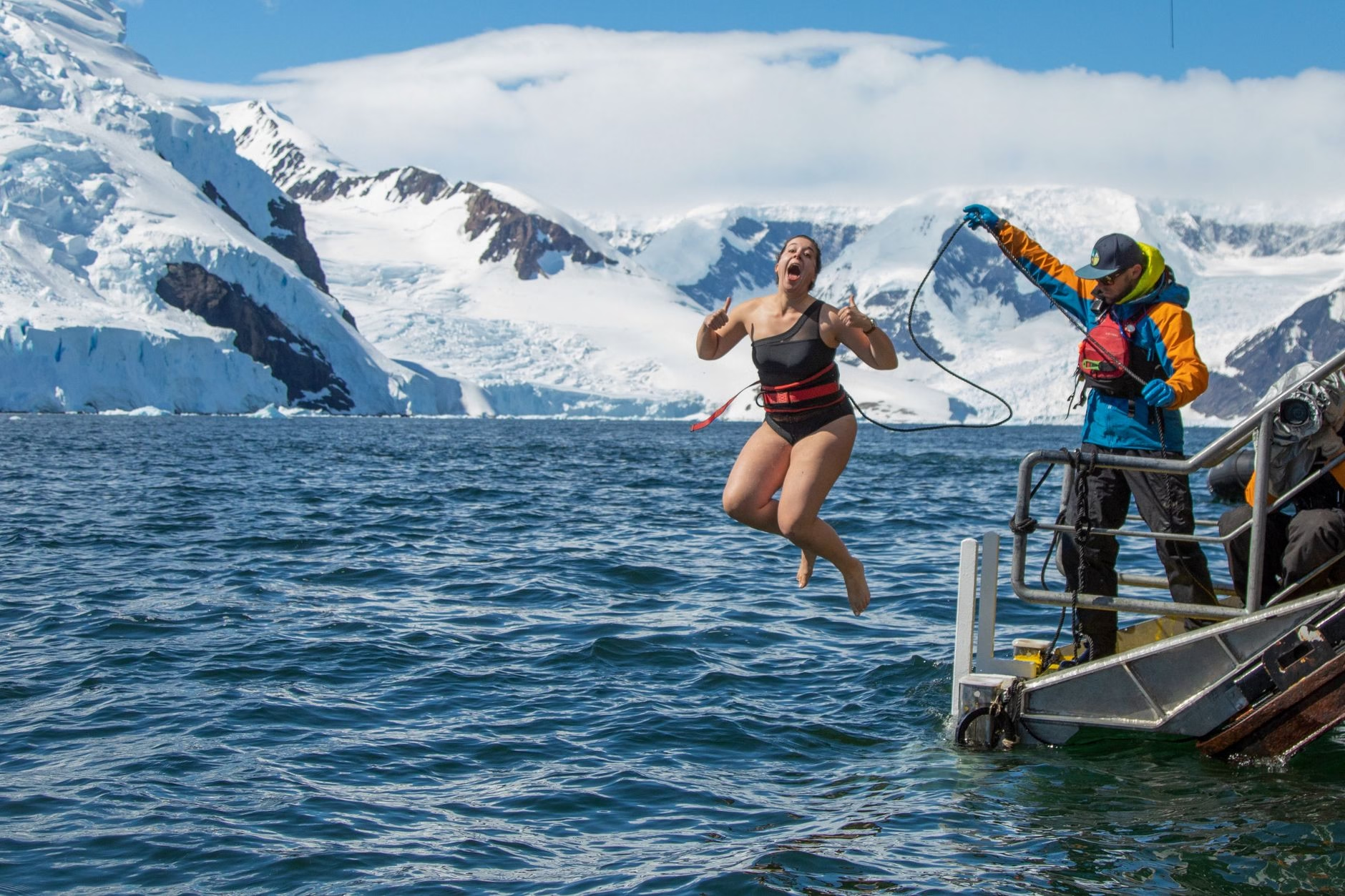
Clothing systems should include several layers designed for insulation, moisture wicking, and wind and water protection. Avoid cotton entirely as it traps moisture against the skin. A good base layer of thermal fabric, an insulating mid layer, and a waterproof shell are essential. When stepping on the continent from a cruise ship or zodiacs, waterproof boots and gloves are equally important since wet extremities can quickly lead to frostbite.
Limited Infrastructure
Unlike most destinations, Antarctica has no towns, hotels, or public services. Visitors rely completely on their expedition vessel or camp, which is equipped to handle all needs from food to medical care. Because help is far away, every traveler must pay strict attention to safety guidelines and instructions provided by trained staff. Any misjudgment can quickly become serious in an environment that offers no easy means of rescue.
Pre Departure Preparation
Choose the Right Tour Operator
Safety begins long before stepping onto the ice. Selecting a reputable and experienced operator is the single most important decision you will make. Look for companies that are members of the International Association of Antarctica Tour Operators (IAATO). Members adhere to strict environmental and safety standards, ensuring that both travelers and the continent are protected.
Research the type of expedition you want. Smaller ships often allow for more time on land but can be more affected by rough sea conditions. Larger vessels provide stability but fewer chances to go ashore. Review safety records, medical facilities onboard, and staff training before committing.
Obtain Comprehensive Travel Insurance
Regular travel insurance rarely covers Antarctic travel due to its remoteness and inherent risk. You need specialized coverage that includes medical evacuation, trip cancellation, and loss of equipment. Evacuation from Antarctica can cost tens of thousands of dollars and is only possible in safe weather conditions, so proper coverage is not optional—it is essential.
Prepare Physically and Mentally
Although no climbing or extreme physical labor is required for most visitors, you will spend long hours outdoors in low temperatures and possibly on uneven terrain. Building stamina with regular walking or hiking in cold weather will make the experience more enjoyable. Mentally, adjusting expectations for a trip governed by weather and nature is key. Delays are common, and adaptability is part of the Antarctic experience.
Safety Practices During Your Trip
Follow Crew and Guide Instructions
Trained expedition leaders understand the conditions better than anyone. Their briefings are not formalities—they are lifesaving measures. Always listen carefully and follow their directions during landings, zodiac rides, and wildlife encounters. Even small oversights, such as not securing your gear on deck, can lead to dangerous situations.
Exercise Caution Around Wildlife
Antarctic wildlife, including penguins, seals, and seabirds, are unaccustomed to human presence. Approaching too closely can disturb breeding behavior or provoke defensive reactions. IAATO guidelines require staying at least five meters from wildlife at all times. Move slowly, keep noise to a minimum, and never attempt to touch or feed animals. Remember that this is their environment, not ours.
Stay Vigilant on Ice and Snow
Conditions underfoot can be treacherous. Ice may appear solid but hide slippery surfaces or soft snow underneath. Use boots with proper grip and walk carefully, planting each foot firmly before moving forward. On guided hikes, stay within marked boundaries and never wander alone, even for photographs. Visibility can drop rapidly, making it easy to lose orientation.
Health and Environmental Awareness
Avoid Frostbite and Hypothermia
Monitor your body closely. Numbness, tingling, or pale skin can indicate the onset of frostbite. If that occurs, move indoors or to shelter immediately and warm the affected area gradually, never using direct heat. For hypothermia, symptoms include uncontrollable shivering, confusion, and fatigue. Dressing in layers, keeping dry, and staying active are effective preventive measures.
Protect Yourself from the Sun
The Antarctic sun can deceive travelers. Reflected light from snow and ice intensifies ultraviolet exposure, even on cloudy days. Apply broad spectrum sunscreen, wear UV protective sunglasses, and cover all exposed skin. Without these precautions, sunburn and snow blindness become real risks.
Practice Leave No Trace Principles
Every traveler to Antarctica plays a role in preserving its pristine condition. Follow all environmental guidelines by taking nothing and leaving nothing behind. All waste must return to the ship, and equipment must be cleaned to prevent introducing foreign species. Respect this untouched ecosystem by keeping your presence as minimal as possible.
Dealing with Emergencies
Understand Emergency Protocols
Before each landing or situation ashore, your expedition team will explain specific emergency procedures. Familiarize yourself with muster stations, zodiac evacuation points, and communication systems. Ships will conduct safety drills early in the voyage, simulating what to do in the event of fire, injury, or man overboard. Treat these drills seriously—they save lives.
Trust the Expedition Medical Staff
Most Antarctic cruises are equipped with a medical officer skilled in emergency care. Inform them of any preexisting conditions before departure so they can prepare accordingly. Carry a small personal medical kit with basic supplies like motion sickness tablets, pain relievers, and rehydration salts to manage minor issues independently.
Stay Calm and Prepared
Emergencies in isolated regions require composure. The key is prevention, but should something occur, rely on the training and expertise of the crew. Their protocols are practiced extensively for both passenger and environmental safety. Confidence in your team and self preparedness ensures that even unexpected challenges are handled effectively.
Conclusion
Traveling to Antarctica is an extraordinary privilege that rewards those who approach it with respect and preparation. The continent’s raw power and unspoiled beauty offer a once in a lifetime experience, but they demand humility and awareness. By understanding the environment, selecting responsible operators, following expert instructions, and maintaining conscientious safety practices, you can explore this icy world safely and meaningfully.
The journey to the bottom of the planet will open your senses to silence, light, and scale beyond imagination. Take every precaution seriously, not as limitations, but as the foundation for a safe and awe inspiring adventure.
Further Reading
Best Beaches in Southern Europe
Cheapest Countries to Visit in Africa
Travel to Somalia; How I Traveled to Mogadishu